Introduction
Pregnancy brings remarkable changes to the body across nine months, and not all of them are comfortable. Most of the discomforts women experience during this period are entirely normal, well understood by medical teams, and manageable with straightforward adjustments to daily routine.
Knowing what to expect and what to do about it removes the anxiety that unfamiliar symptoms tend to produce and replaces it with practical, calm responses.
Nausea and Morning Sickness
Nausea affects the majority of pregnant women, most intensely during the first trimester. Despite the name, morning sickness arrives at any hour; some women experience it all day, others only at specific times, and a small number not at all.
The most reliable morning sickness treatment approaches are dietary rather than pharmaceutical. Eating small amounts every two to three hours prevents the empty stomach that intensifies nausea.
Plain crackers, dry toast, or a banana before getting out of bed in the morning reduces the severity of the first wave for many women. Ginger in tea, biscuits, or small pieces eaten directly has genuine evidence behind its effectiveness for mild to moderate nausea. Strong smells trigger nausea in many pregnant women. Identifying and avoiding the specific triggers for certain foods, cooking smells, and perfumes reduces the frequency of episodes considerably.
When nausea becomes severe enough to prevent adequate food and fluid intake, or when vomiting is frequent and persistent, medical consultation is necessary. Hyperemesis gravidarum severe pregnancy vomiting requires treatment beyond home management and should not be tolerated simply as an extreme version of normal morning sickness.
Back Pain and Physical Discomfort
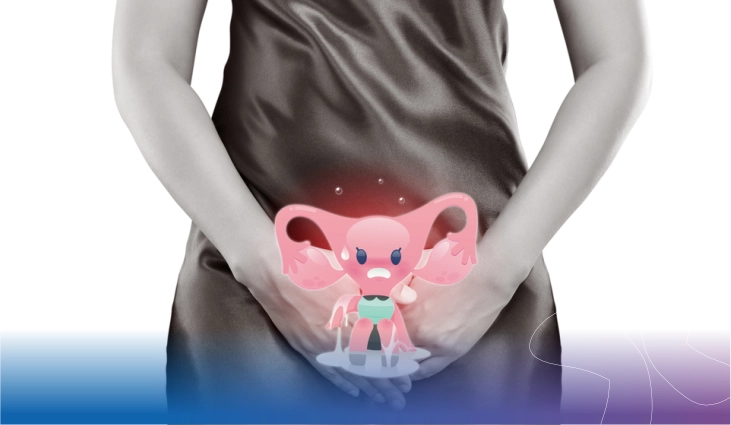
Back pain is among the most common physical complaints across all three trimesters, intensifying as the pregnancy progresses and the centre of gravity shifts forward. It is normal. It is also addressable.
Posture is the most immediate lever available. Sitting with lower back support, avoiding standing for extended periods without movement, and sleeping with a pillow between the knees when lying on the side all reduce the mechanical strain that produces back pain. These adjustments require no equipment and cost nothing.
Light stretching, gentle cat-cow movements, pelvic tilts, and hip circles release the muscular tension that accumulates in the lower back during pregnancy. A physiotherapist experienced with prenatal patients can provide a specific sequence tailored to the trimester and the pattern of discomfort.
Effective pregnancy pain relief tips do not typically involve medication in the first instance. Heat applied to the lower back, warm baths within the temperature guidelines a doctor provides, and supportive footwear that reduces postural compensation all contribute meaningfully to daily comfort.
Fatigue That Feels Disproportionate
The fatigue of early pregnancy is unlike ordinary tiredness. It arrives regardless of sleep quality and does not respond to rest the way normal fatigue does. It reflects the enormous energy demands of first-trimester foetal development and typically eases as the second trimester begins.
Managing it requires accepting it, reducing non-essential commitments, sleeping when the body signals the need, and not measuring current energy levels against pre-pregnancy standards. Iron deficiency compounds pregnancy fatigue significantly, which is why haemoglobin monitoring at antenatal appointments is not a formality. Adequate iron intake through food and supplementation makes a measurable difference to daily energy levels when deficiency is the underlying cause.
Swelling, Heartburn, and Other Common Complaints
Ankle and foot swelling in the third trimester is common and usually begins as the result of increased blood volume and the pressure of the growing uterus on pelvic circulation. Elevating the legs during rest periods, avoiding prolonged standing, and reducing salt intake all reduce its severity. Sudden or severe swelling, particularly when accompanied by headache or visual changes, warrants immediate medical attention as a potential sign of pre-eclampsia.
Heartburn affects many women across the second and third trimesters as the uterus pushes upward against the stomach. Small, frequent meals, avoiding lying down immediately after eating, and sleeping with the head slightly elevated reduce its frequency. Persistent heartburn that affects sleep or appetite should be discussed with a doctor rather than managed indefinitely through antacids alone.
When Home Management Is Not Enough
Most common pregnancy problems and solutions are manageable at home with the adjustments described above. The symptoms that require medical consultation are those that are severe, persistent, sudden in onset, or accompanied by other warning signs.
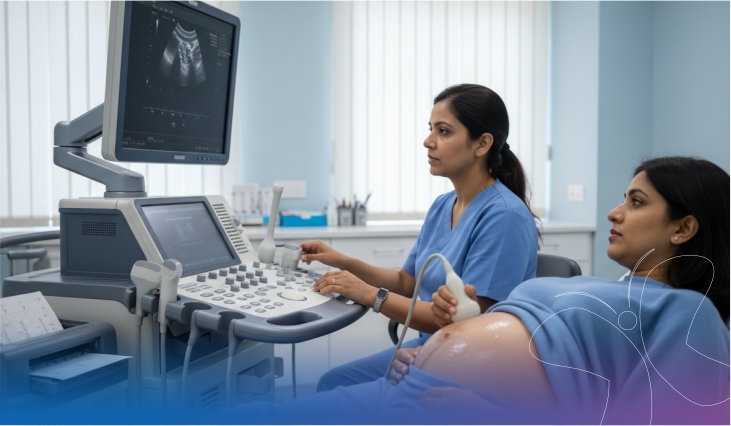
Significant reduction in foetal movement, persistent headache, visual disturbances, chest pain, severe abdominal pain, heavy bleeding, or fever all warrant immediate attention from a qualified medical team. A trusted pregnancy care hospital Rajkot families can access quickly before an urgent situation arises provides the response capability these situations require.
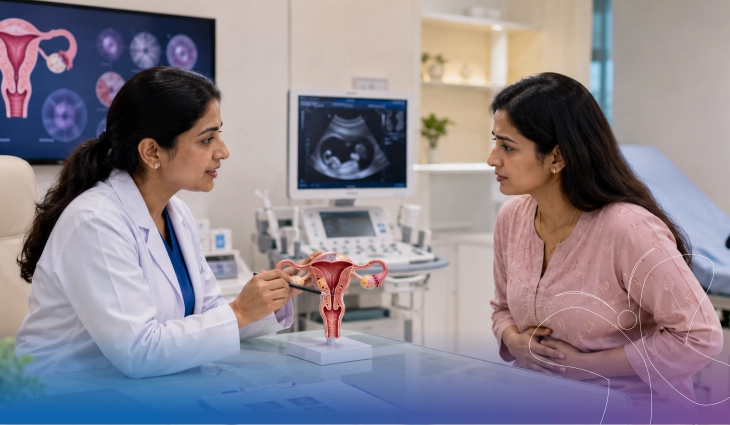
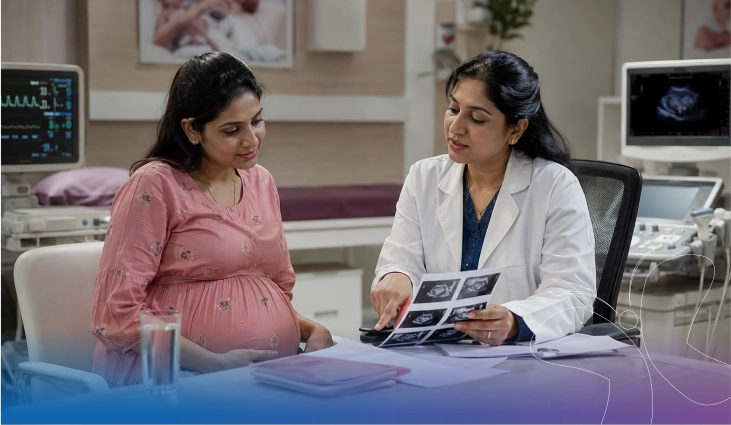
Neha managed her first-trimester nausea and back discomfort at home through dietary adjustment and gentle exercise. When both symptoms persisted into her second trimester at a severity that affected her daily functioning, she consulted her doctor directly. The assessment identified an iron deficiency contributing to her fatigue and a simple postural correction addressing most of her back pain. Both were straightforward to address once properly identified.
Conclusion
The physical challenges of pregnancy are real, common, and in the vast majority of cases entirely manageable. Understanding which symptoms belong to the category of normal discomfort and which require clinical assessment gives every mother a clearer, calmer framework for navigating the nine months ahead.
Listen to the body. Apply practical solutions early. Consult a qualified gynecologist Rajkot whenever symptoms move beyond what home management can address. The journey is demanding; it is also, with the right information and support, far more navigable than it first appears.