Introduction
Most women assume pregnancy starts with a missed period. In reality, the body begins changing days before that, and most of those early changes get written off as stress, a bad week, or something that will pass. The early pregnancy signs that show up before a positive test are subtle enough that they rarely raise suspicion on their own. Recognising the first symptoms of pregnancy earlier gives women the chance to start prenatal care sooner, make dietary adjustments, and avoid things that could affect early fetal development. If symptoms are stacking up and something feels different, visiting a pregnancy care hospital in Rajkot for confirmation is a straightforward next step.
Overview of Early Pregnancy Symptoms
After conception, hormonal shifts begin almost immediately. Rising hCG, progesterone, and oestrogen affect digestion, energy, mood, sleep, and appetite often all at once. The trouble is that many of these changes overlap with common premenstrual symptoms or general fatigue, which is why they get dismissed so easily. Not every woman experiences the same set of symptoms, and some have very little to notice in the first few weeks. That does not mean nothing is happening it just means the body is responding differently.
10 Early Pregnancy Signs Most Women Ignore
1. Light spotting or implantation bleeding
Implantation bleeding is probably the most misread symptom in early pregnancy. When the fertilised egg attaches to the uterine lining, a small amount of spotting can occur, usually light pink or brown, lasting one to two days and accompanied by mild cramping. Most women assume their period is starting early. It is one of the earliest first signs of pregnancy and one of the most frequently overlooked.
2. Extreme fatigue
Tiredness that sleep does not fix is a common complaint in the first trimester. Progesterone rises sharply after conception, and the body is suddenly doing a significant amount of internal work. Women who are otherwise healthy find themselves exhausted by mid-afternoon without a clear reason. It gets attributed to overwork or poor sleep rather than what it actually is.
3. Breast tenderness
Breasts become heavy, sensitive, and sore earlier than most women expect often before a period is even missed. The nipples may darken or become more reactive to touch. This happens because oestrogen and progesterone begin preparing breast tissue almost immediately after conception. It is one of the more physically noticeable early pregnancy hints but tends to be blamed on hormonal fluctuation or an approaching period.
4. Frequent urination
Hormonal changes increase blood flow to the kidneys in early pregnancy, which means the bladder fills faster than usual. Women who suddenly find themselves getting up at night or needing the bathroom more often than normal without any infection or pain may be experiencing one of the quieter firsts of pregnancy. A quick consultation with a pregnancy doctor near me can confirm whether this is hormonal or something else.
5. Mood swings
Hormonal shifts in early pregnancy affect emotional regulation. Crying at something minor, feeling irritable without a reason, or swinging between fine and overwhelmed within the same hour these are real neurological effects of rising pregnancy hormones, not simply stress or PMS. Because they look identical to premenstrual mood changes, they rarely prompt anyone to take a pregnancy test.
6. Nausea or food aversion
Morning sickness is a misleading name. Nausea in early pregnancy can happen at any hour and does not always lead to vomiting it often presents as a persistent low-grade queasiness, heightened sensitivity to smells, sudden aversion to foods that were previously fine, or a metallic taste in the mouth. It can begin as early as two weeks after conception and tends to be one of the more disruptive early pregnancy signals once it starts.
7. Mild cramping
Light abdominal cramping without menstruation happens as the uterus begins adjusting and expanding. It is easy to interpret as the lead-up to a period, but if the period does not follow, those cramps were likely something else. Severe cramping or cramping with heavy bleeding requires a visit to a pregnancy care hospital for proper assessment instead of waiting it out.
8. Bloating and digestive changes
Progesterone slows digestion this is well established. In early pregnancy, that slowdown causes bloating, gas, constipation, and general digestive discomfort that feels indistinguishable from a stomach issue or dietary reaction. Women dealing with this alongside other symptoms on this list should consider the possibility that the digestive changes are hormonal rather than dietary.
9. Changes in appetite
Sudden food cravings or a complete loss of interest in foods that were previously enjoyed can appear before a missed period. Pregnancy hormones affect taste perception and hunger signals in ways that are hard to predict. An unexpected shift in appetite, particularly when combined with fatigue or nausea, is worth noting rather than dismissing as a passing phase.
10. Dizziness and headaches
Blood pressure drops slightly in early pregnancy as blood vessels dilate to accommodate increased circulation. This can cause lightheadedness, especially when standing quickly. Headaches driven by hormonal changes are also common. Either symptom alone is easy to dismiss. Both together, alongside fatigue or nausea, should prompt a visit to a pregnancy doctor near you for confirmation.
Why Early Detection of Pregnancy Matters
The first trimester is when fetal organ development begins. Folic acid intake, avoidance of certain medications, and management of existing health conditions all matter most during the weeks before many women even realise they are pregnant. Early detection means earlier access to prenatal vitamins, dietary adjustments, and monitoring, all of which reduce risk and support healthier development from the start.
Pregnancy Medical Care and Support
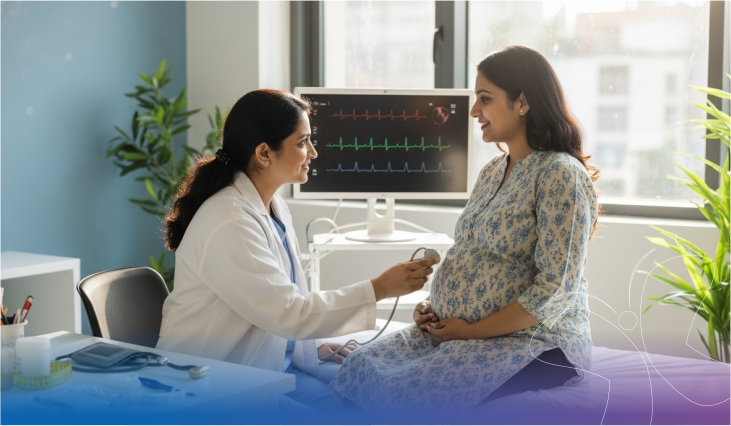
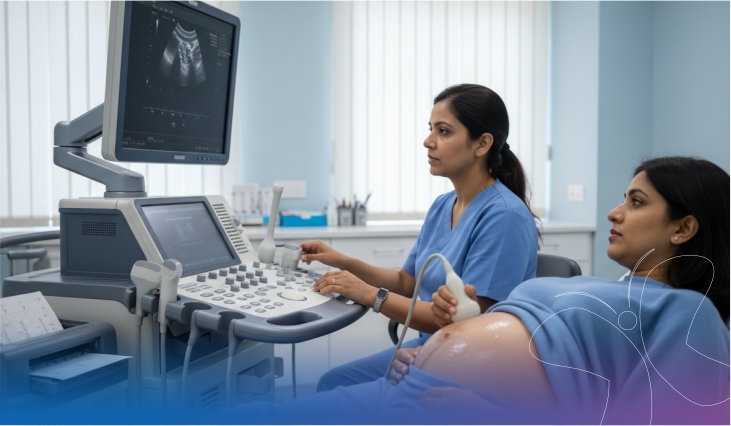
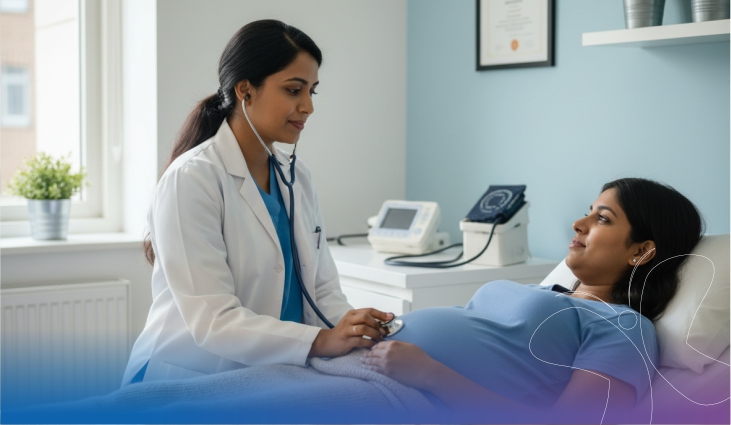
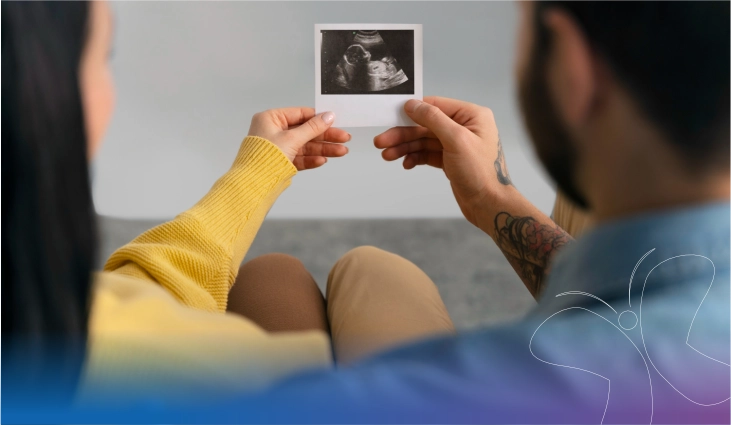
Once pregnancy is confirmed, prenatal care should be started without delay. Your regular checkups monitor your foetus' health, your blood pressure and iron levels, and your cervix. The ultrasound reveals a normal progression of the pregnancy. Nutritional counselling helps mothers understand what their diet needs to support. For pregnancies with pre-existing health conditions, earlier monitoring reduces the risk of complications developing undetected.
A reliable pregnancy care hospital covers all of this under one roof rather than requiring multiple referrals.
Why Choosing the Right Pregnancy Hospital Matters
The facility where a mother receives prenatal care shapes how well complications are caught and how supported she feels through the process. Experienced obstetricians, functioning diagnostic equipment, emergency maternity capacity, and consistent follow-up care are not optional extras they are the baseline. In Rajkot a reputed pregnancy care hospital provides these consistently, which matters most when something unexpected comes up mid-pregnancy.
Expert Tips for Healthy Early Pregnancy
Start folic acid as soon as pregnancy is suspected neural tube development happens in the first weeks. Eat consistently, even when nausea makes food unappealing; small frequent meals help. Drink enough water; dehydration worsens fatigue and headaches. Avoid self-medication entirely many common drugs are contraindicated in early pregnancy. Rest when the body asks for it. Do not delay scheduling a first prenatal appointment once a pregnancy test is positive early visits set the baseline for everything that follows.
Conclusion
The ten symptoms covered here spotting, fatigue, breast tenderness, frequent urination, mood swings, nausea, cramping, bloating, appetite shifts, and dizziness are each individually easy to explain away. Together, they form a pattern worth taking seriously. Early pregnancy signs do not always arrive dramatically. They tend to accumulate quietly until the missed period confirms what the body has already been signalling. If several of these sound familiar, a test and a conversation with a pregnancy doctor near me are the sensible next step, not something to wait on.