Trying for a baby without success is something couples rarely talk about openly, but it is far more common than the silence around it suggests. Month after month of disappointment builds into anxiety that affects everything about relationships, daily life, and self-confidence.
For women going through it, understanding what is actually happening medically is often the first step toward feeling like the situation is something they can act on rather than just endure.
What Is Female Infertility?
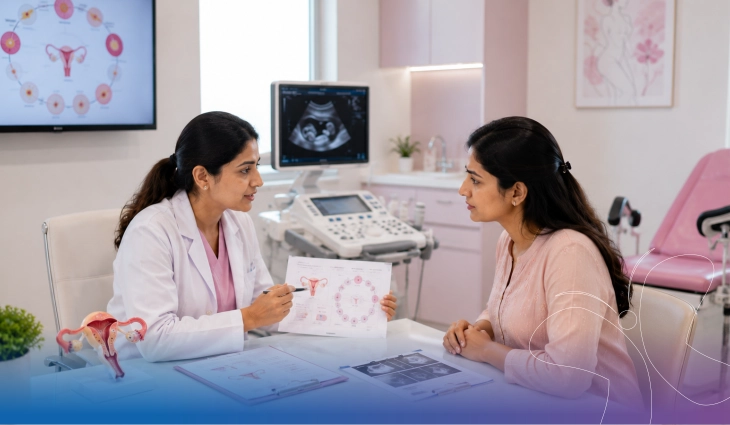
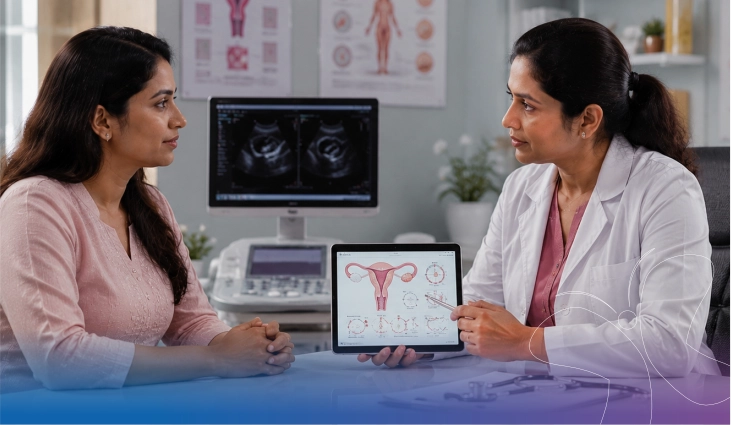
Female infertility means being unable to conceive after twelve months of trying six months for women over 35. It is not a permanent verdict in most cases. Problems while conceiving affect a significant number of couples, and the majority who seek proper medical evaluation find an identifiable cause and a workable path forward.
Common Causes of Female Infertility
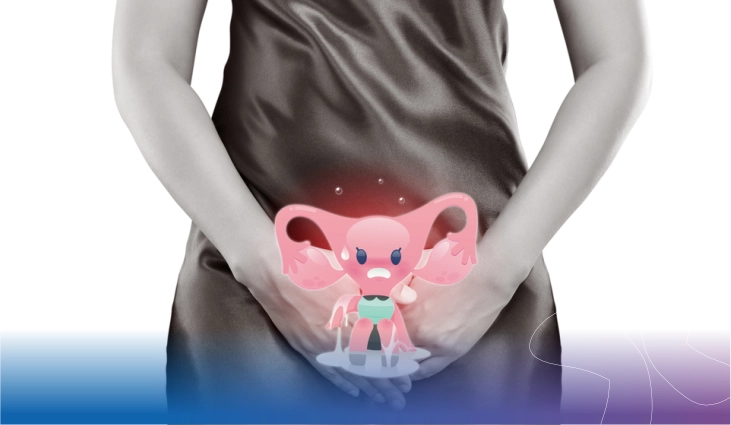
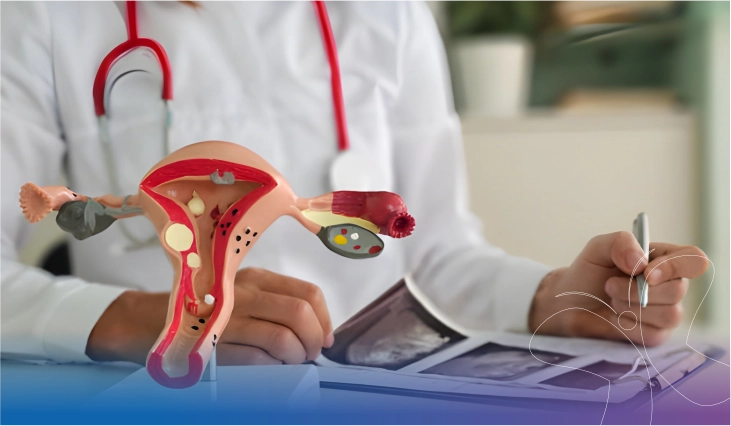
Infertility causes in women vary considerably, which is why no two treatment plans look exactly alike. Hormonal imbalance is among the most frequently identified factors. Disrupted hormone levels affect ovulation directly and quietly, often without any obvious outward symptoms.
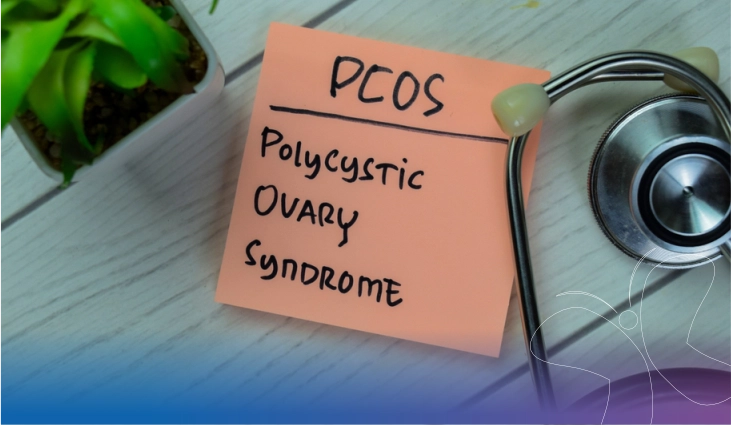
Blocked or damaged fallopian tubes prevent conception regardless of egg and sperm quality. PCOS, endometriosis, thyroid dysfunction, and elevated prolactin levels each interfere with fertility through different mechanisms.
Lifestyle factors, chronic stress, poor diet, significant weight changes, and smoking worsen whatever underlying issue is already present and sometimes drive fertility problems independently.
Hormonal Imbalance and Ovulation Issues
Ovulation is where conception either begins or does not. When the hormonal sequence that triggers egg release each cycle is disrupted, pregnancy cannot happen regardless of everything else being healthy.
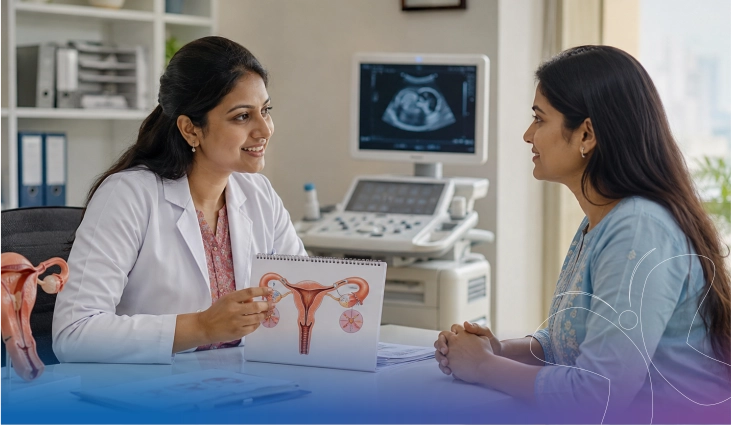
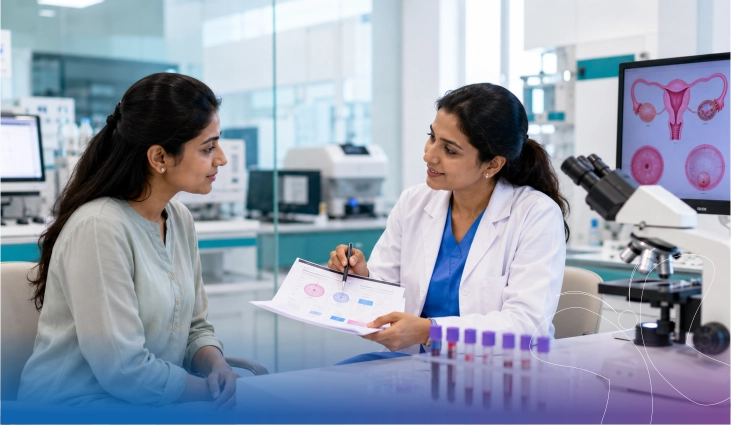
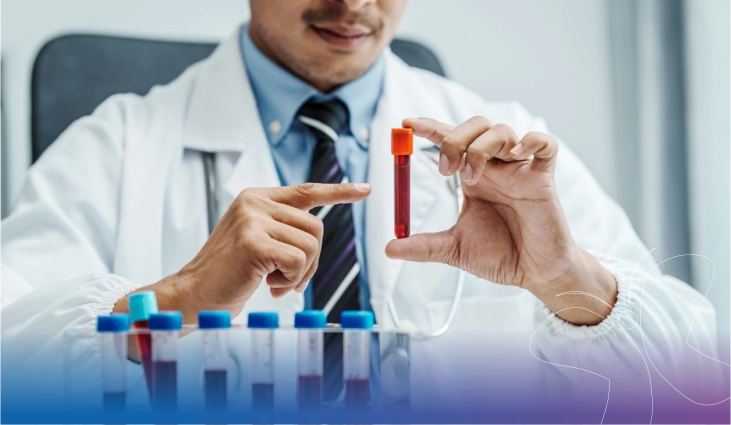
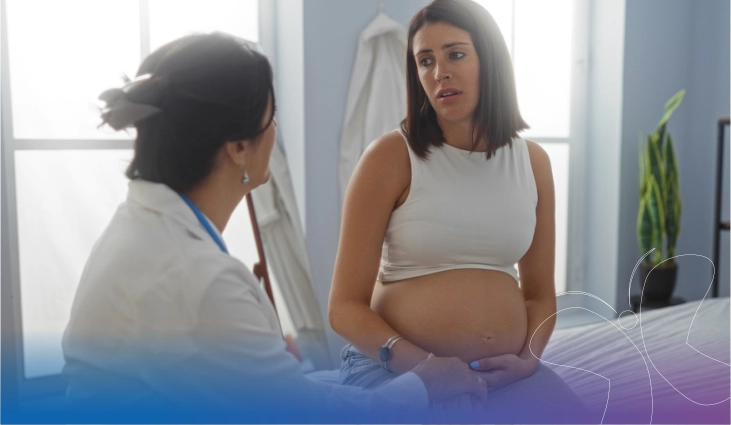
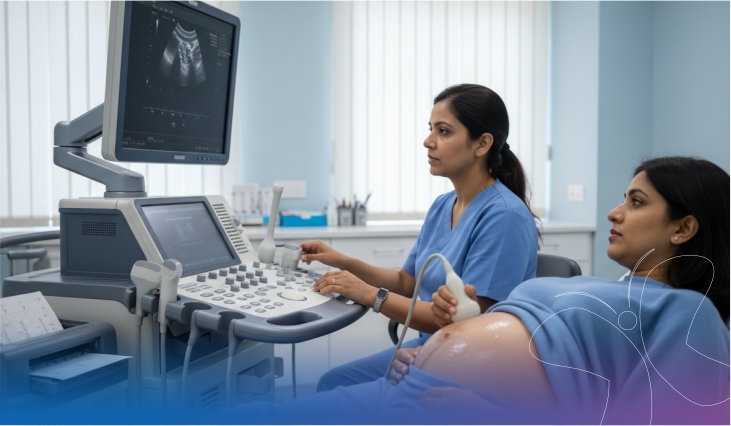
Many women experiencing difficulty conceiving have no symptoms that point clearly to a hormonal problem, no irregular periods, no obvious signs. Blood tests are the only reliable way to identify what is actually happening, which is why a thorough hormonal workup is a standard part of any fertility investigation.
Medical Conditions Affecting Fertility
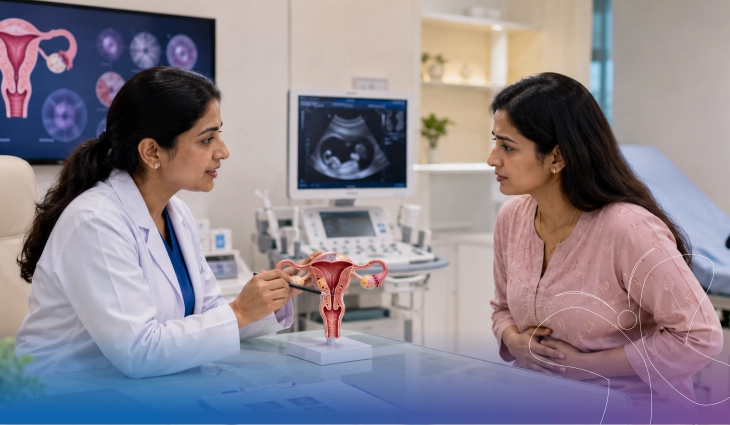
PCOS disrupts ovulation and alters the uterine environment in ways that reduce implantation success. Endometriosis creates scarring and inflammation that interfere mechanically with conception.
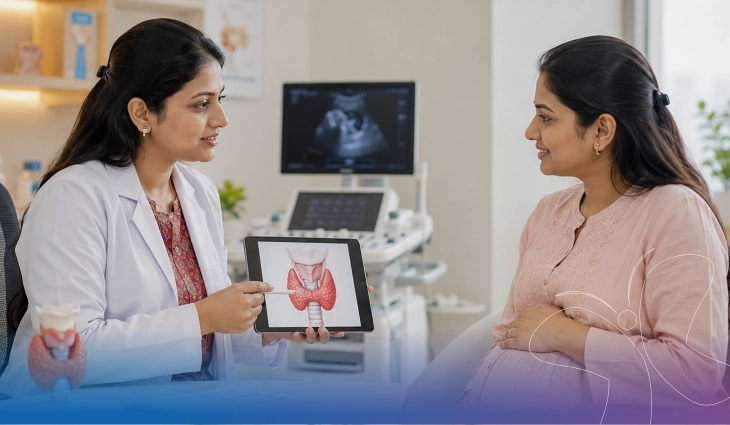
Fibroids and polyps affect implantation depending on where they sit and how large they are. Thyroid conditions both overactive and underactive suppress fertility in ways that resolve quickly once the thyroid is properly managed.
Each of these conditions responds to treatment when caught early, which is why prolonged unexplained problems during conceiving always warrant investigation rather than patience.
Treatment Options Available
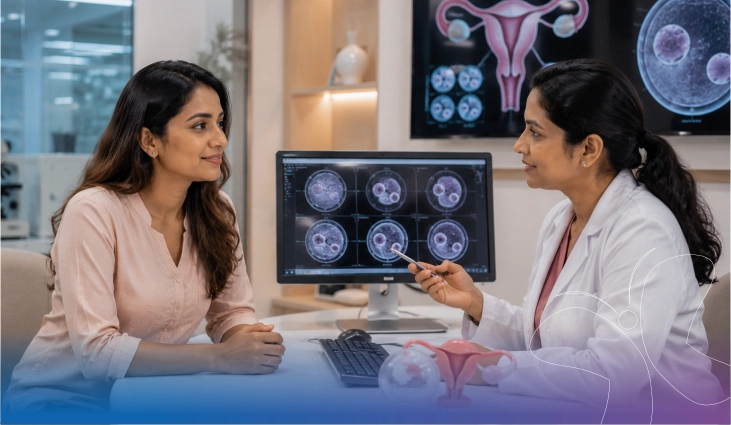
Treatment follows diagnosis, which is why the evaluation stage matters more than most people expect. Ovulation induction works well when hormonal imbalance is the identified cause. Surgical intervention addresses structural problems like blocked tubes or fibroids. Lifestyle changes particularly around weight, stress, and diet improve outcomes across virtually every fertility diagnosis.
Women looking for the best female infertility treatment in Rajkot will consistently find better results with specialists who investigate properly before prescribing rather than those who apply the same protocol to every patient regardless of diagnosis.
IVF and Advanced Treatments
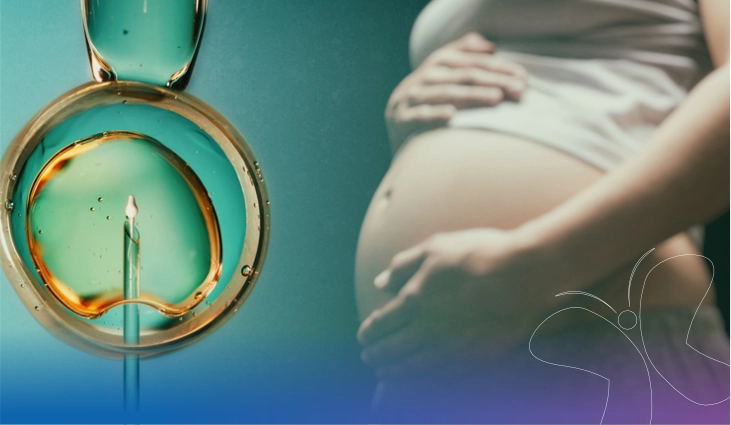
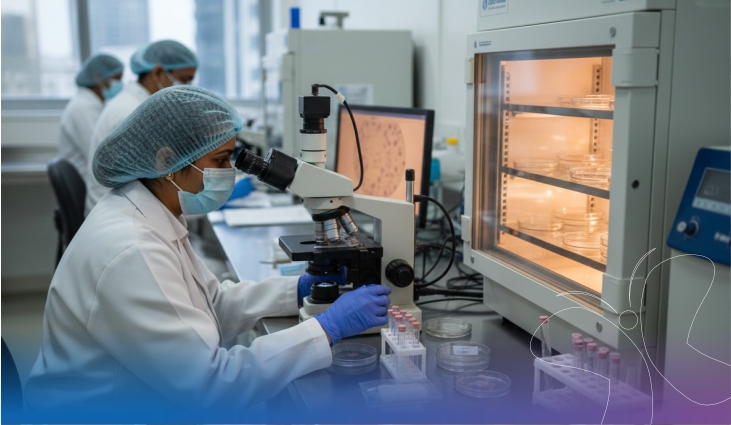
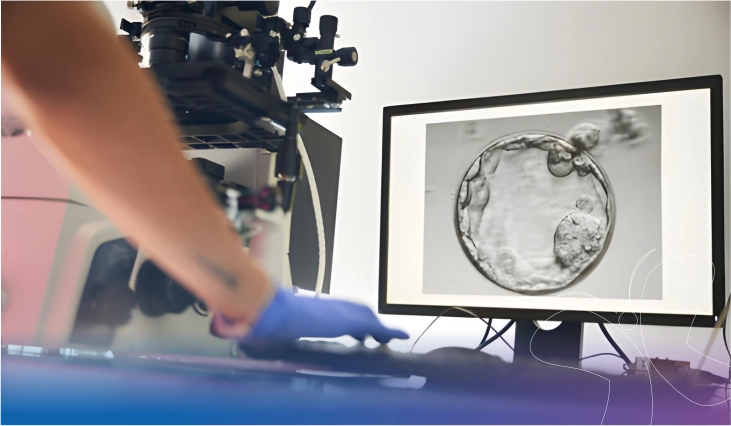
When simpler treatments do not produce results, IVF is the next step. Eggs are retrieved after ovarian stimulation, fertilised in a laboratory, and the resulting embryo is transferred to the uterus. Success rates depend on age and the specific diagnosis. A top IVF center in Rajkot provides the laboratory standards, monitoring protocols, and clinical experience that give each cycle the strongest possible chance.
When to Consider IVF
IVF is recommended when other treatments have failed or when the diagnosis severely blocked tubes, very low ovarian reserve makes simpler approaches unlikely to work. Age is a significant factor in this decision. Women over 35 are advised not to spend extended time on lower-intervention options if early results are not promising.
In real life
Anjali and her husband tried for nearly two years before seeking help. Tests revealed irregular ovulation and low progesterone. Medication regulated her cycle but three rounds produced no pregnancy.
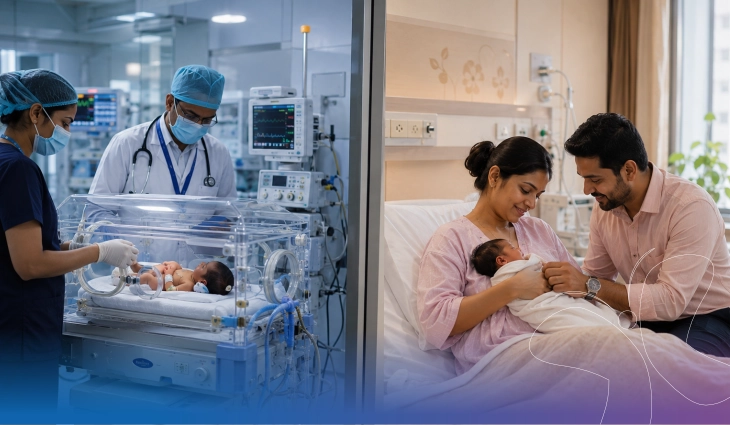
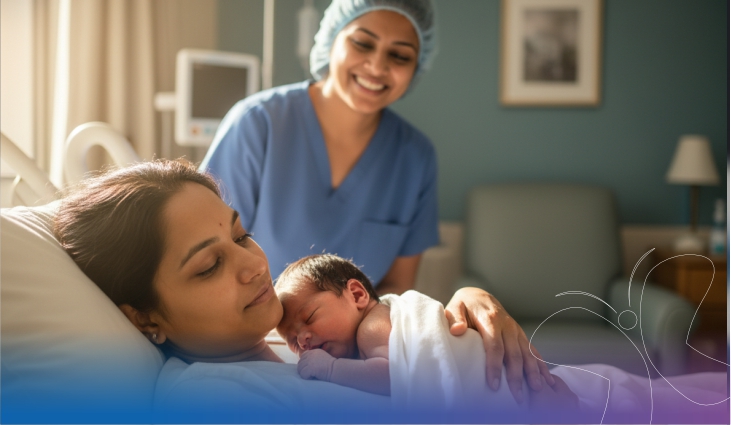
They moved to IVF at that point and conceived on the second transfer. The process was longer and harder than either of them anticipated but the outcome was the one they had been working toward from the beginning.
Simple Tips to Improve Fertility
Eat regularly and well adequate protein, healthy fats, and minimal processed food support hormonal balance directly. Exercise consistently but not excessively, since very intense training suppresses ovulation. Track your cycle carefully to identify patterns.
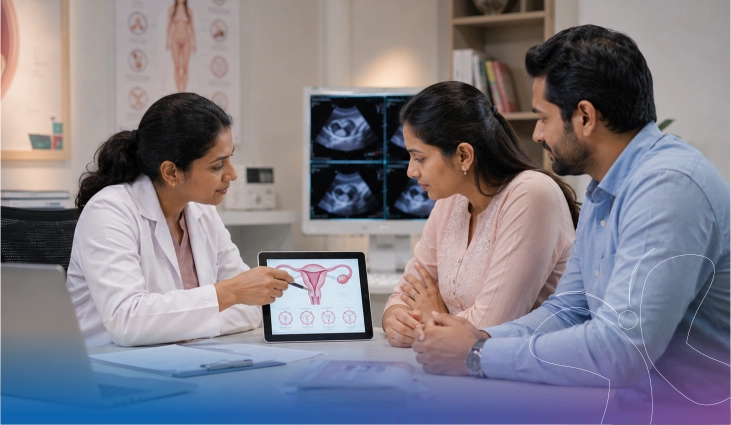
Seek medical advice after six months of trying if you are over 35, after twelve months if you are younger. Do not wait longer hoping things resolve independently.
Conclusion
Complications in conceiving are not a final answer. Infertility causes in women are identifiable and treatable in most cases when evaluated properly and early. The sooner a thorough medical assessment begins, the more options remain available and the less time is lost to uncertainty.