Introduction
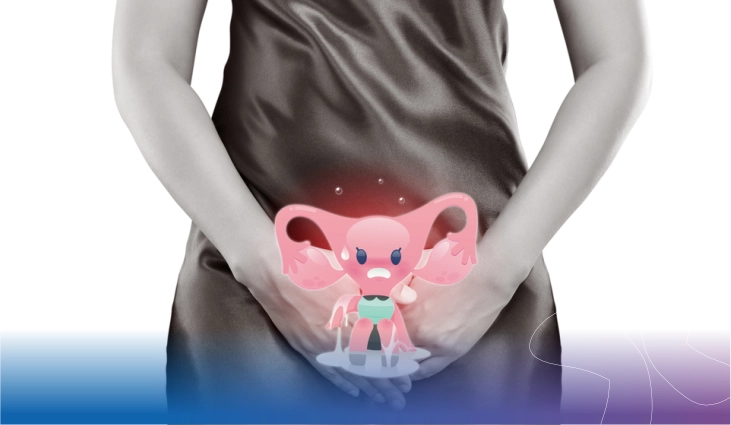
The median age at first birth in India's urban population has risen steadily over the past two decades, and for straightforward reasons longer education timelines, career establishment, financial readiness, and, in many cases, a shift in how women prioritise the sequence of major life decisions. Pregnancy after 30 is no longer an unusual choice; it is an increasingly common one. What matters clinically is that women making this choice have accurate information rather than either unnecessary alarm or unwarranted reassurance. The facts are these fertility does decline with age, the rate of certain complications is higher after 30 than before it, and the degree to which either of these matters for any individual depends on her specific health profile, which a proper preconception evaluation can actually assess. This guide covers the biology of age-related fertility change, the complications that require monitoring, and, in Rajkot, how working with a fertility specialist and a capable pregnancy care hospital changes the picture in practice.
Overview: The Biology of Fertility After 30
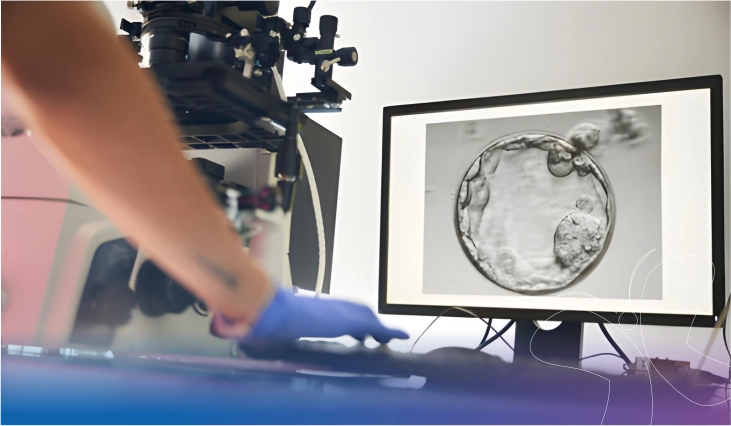
A woman is born with her entire lifetime supply of eggs, approximately one to two million at birth, declining to around 300,000 at puberty and continuing to fall throughout reproductive life. Quantity is one part of the equation; quality is the other and arguably more important one. Egg quality, specifically the accuracy of chromosomal division during meiosis, declines with age, which is why the rate of chromosomal abnormalities in embryos rises progressively through the thirties and forties. This decline is the primary biological mechanism behind both the reduced monthly fecundity rate (the probability of conception in any given cycle) and the higher miscarriage rate observed in women over 35. For most women in their early to mid-thirties, these changes are modest and do not prevent conception; for women in their late thirties and early forties, they become more clinically significant. Pregnancy after thirty sits in a range where individual variation matters enormously some 38-year-olds have ovarian reserves equivalent to a 30-year-old, while others do not. This variation is exactly why ovarian reserve testing before extended trying is clinically useful.
Key Factors That Influence Fertility and Pregnancy After 30
Ovarian reserve
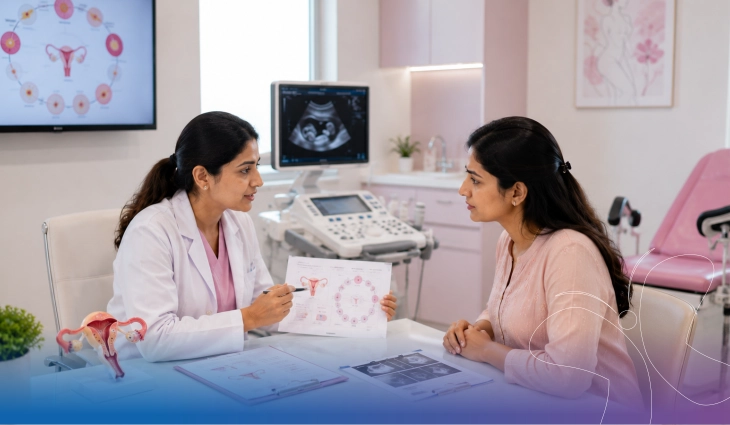
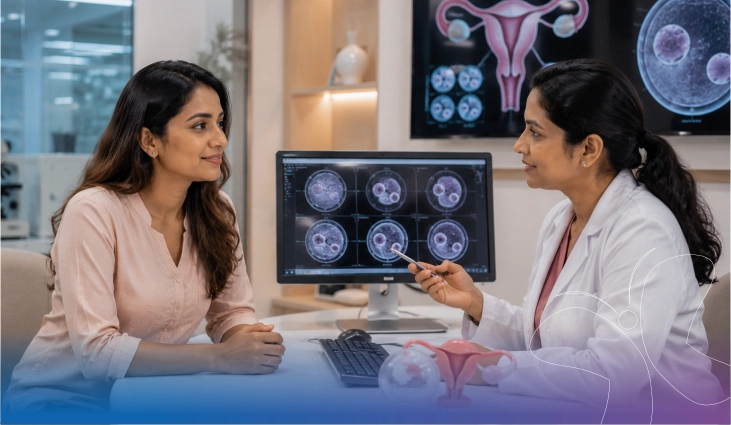
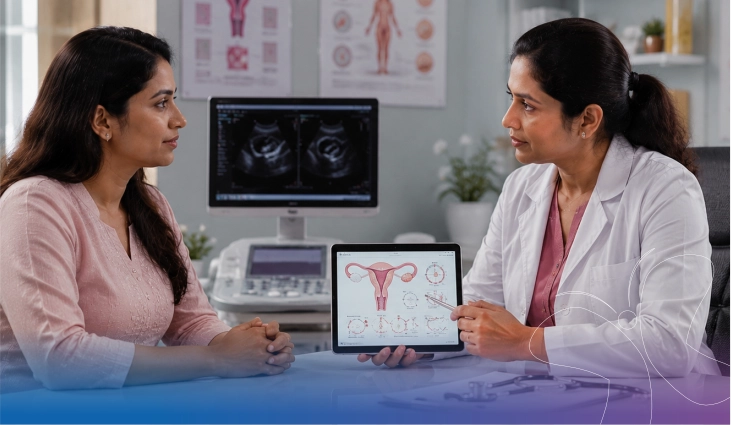
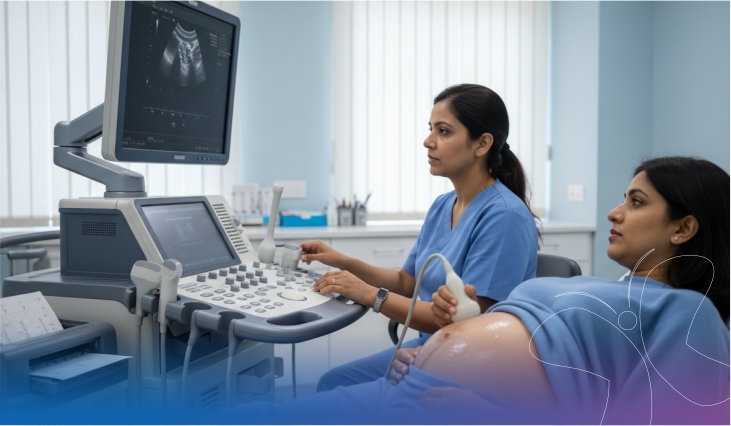
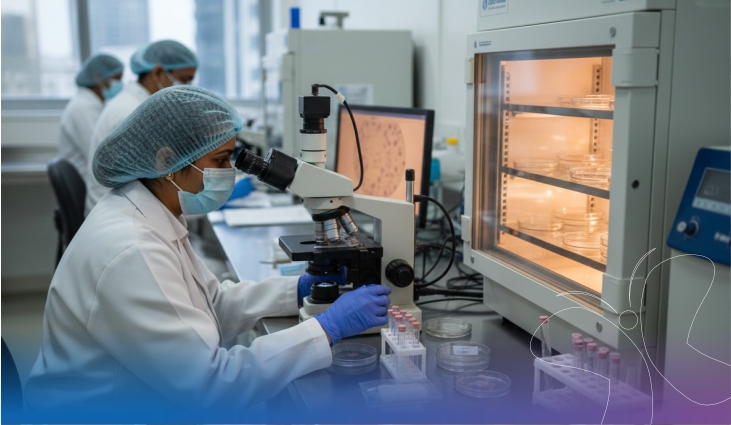
Anti-Müllerian hormone (AMH) and antral follicle count (AFC) on ultrasound are the most reliable current markers of ovarian reserve, the quantity of remaining eggs. Low AMH or AFC indicates reduced reserve and suggests that waiting longer before attempting conception, or before seeking fertility assistance, may not serve the patient's interests. These tests do not predict natural pregnancy probability with certainty, but they provide the objective data that turns "your age might be a factor" into a specific clinical picture that can be acted on.
Pre-existing medical conditions
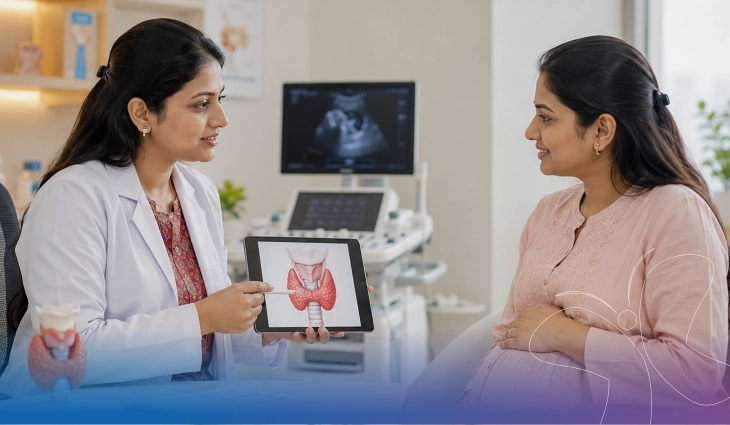
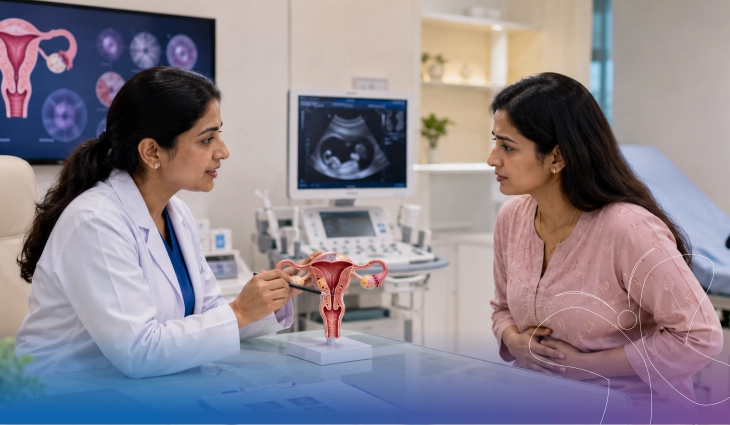
PCOS, endometriosis, uterine fibroids, thyroid disorders, and hypertension all interact with pregnancy in ways that require pre-treatment optimisation and ongoing monitoring. PCOS affects ovulation and increases gestational diabetes and preeclampsia risk. Endometriosis reduces ovarian reserve and implantation success. Thyroid disorders, both hypo- and hyperthyroidism, are associated with miscarriage and foetal developmental problems if untreated during pregnancy. None of these prevents a successful pregnancy, but all are better managed when identified before conception than at the first antenatal visit.
Lifestyle factors
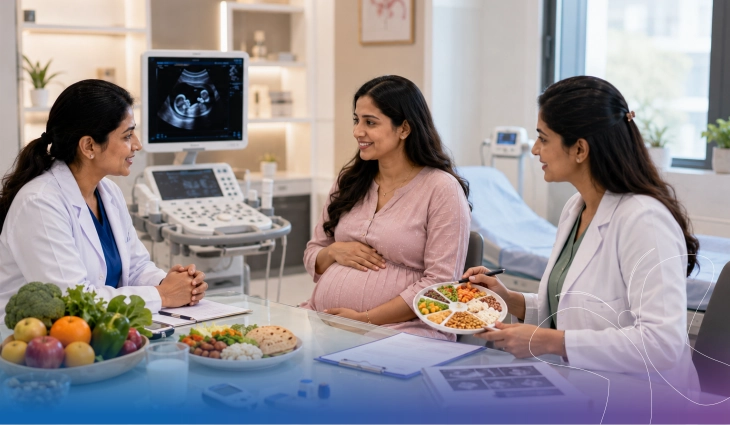
Smoking reduces ovarian reserve, accelerates ovarian ageing, reduces the response to fertility treatment, and is associated with higher miscarriage and preterm birth rates. Excess body weight increases the risk of gestational diabetes, preeclampsia, and obstructive sleep apnoea during pregnancy and reduces the success rate of fertility treatment. Physical activity and a Mediterranean-pattern diet high in vegetables, legumes, whole grains, olive oil, and low in processed foods and red meat are associated with better fertility outcomes in observational studies. These are the lifestyle variables within a woman's control, and addressing them in the three to six months before attempting conception is time well spent.
Pregnancy Risks That Require Monitoring After 30
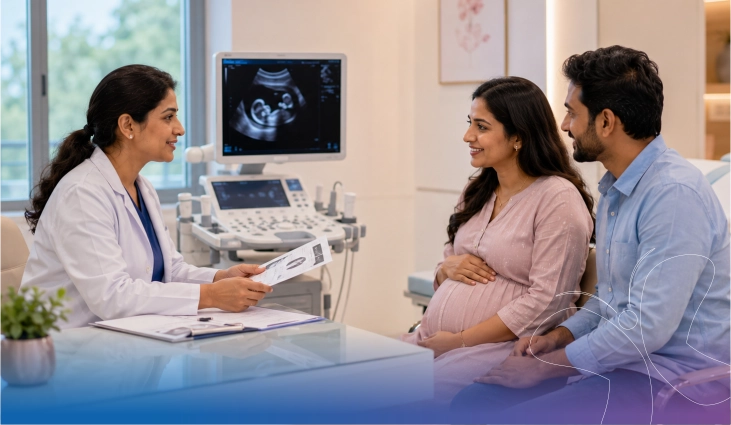
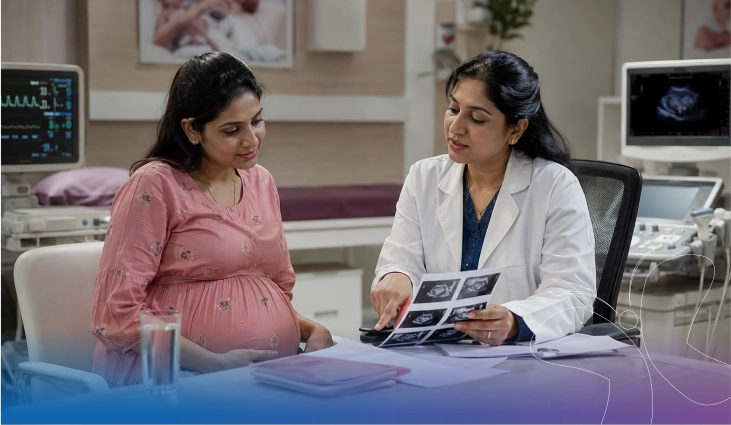
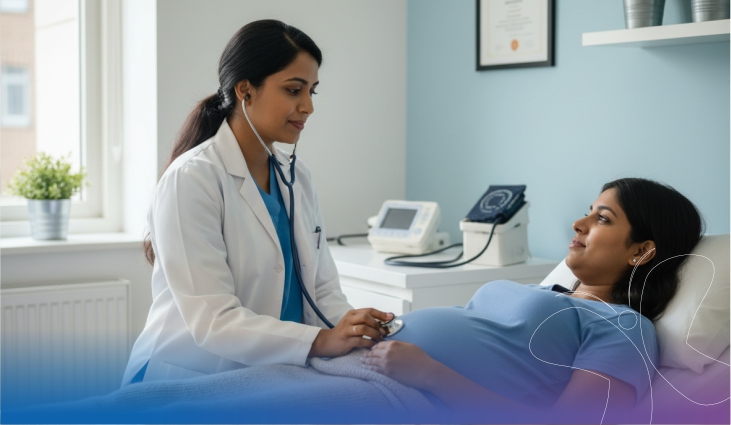
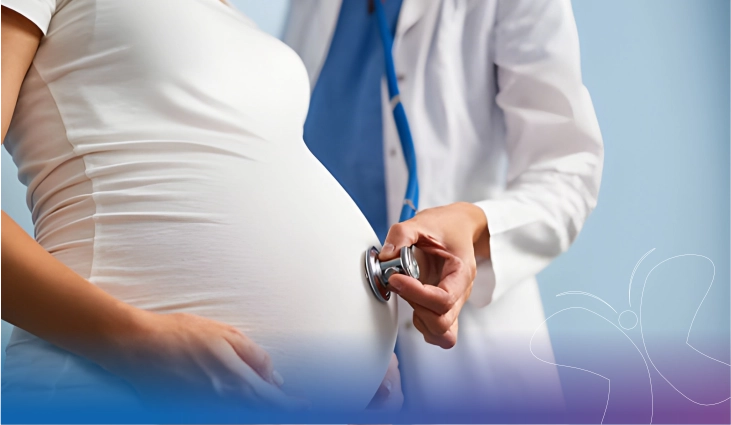
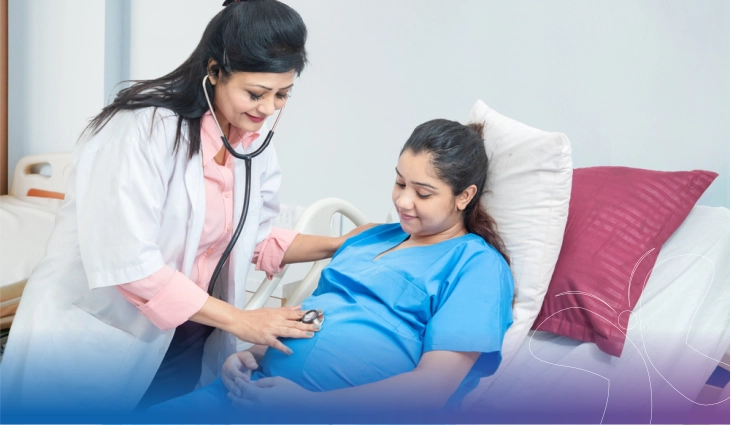
The complication rates that are meaningfully elevated after 30 and particularly after 35 include gestational diabetes, preeclampsia, placenta praevia, placental abruption, chromosomal abnormalities, and preterm birth. None of these is inevitable, and none is unmanageable with appropriate monitoring. What changes is the frequency and specificity of antenatal surveillance. Women over 35 are typically offered first-trimester combined screening (nuchal translucency + maternal serum markers) and cell-free fetal DNA (NIPT) to assess chromosomal risk with high sensitivity and low false-positive rates. Blood pressure monitoring is more frequent. Glucose tolerance testing is standard. This is not excessive medicalisation; it is appropriate calibration of monitoring intensity to actual risk profile, which is precisely what good high risk pregnancy treatment delivers.
When High-Risk Pregnancy Management Applies
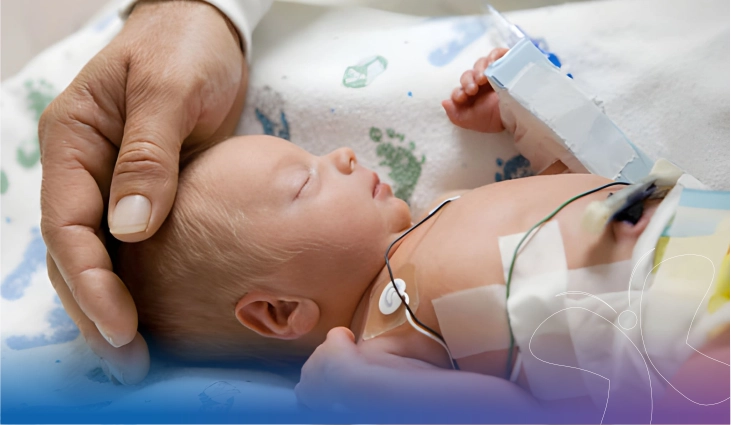
Not every pregnancy after 30 is high-risk age alone does not create this classification. What is the combination of age with one or more additional risk factors: pre-existing hypertension, diabetes, autoimmune conditions, prior pregnancy complications, multiple gestation (more common with fertility treatment), or findings identified during early antenatal screening. High risk pregnancy treatment in this context means more frequent specialist review, additional ultrasound surveillance for foetal growth and placental function, co-management with maternal-fetal medicine where indicated, and a delivery plan that accounts for the specific risks present. Early identification of women who need this level of oversight and consistently providing it is the structural difference between a well-resourced maternity facility and an inadequate one.
The Role of the Right Medical Team
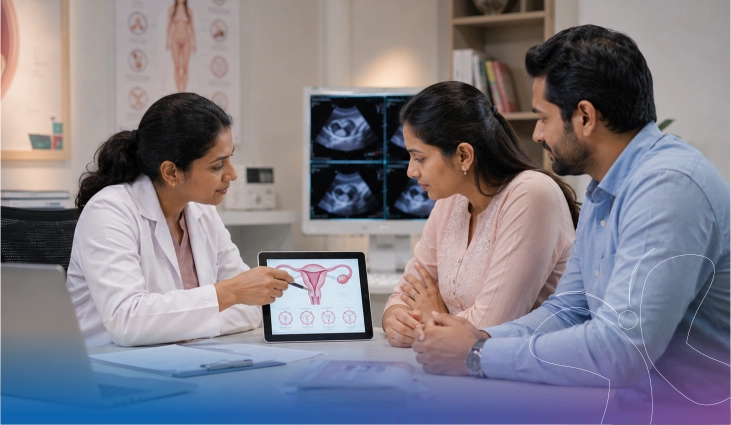
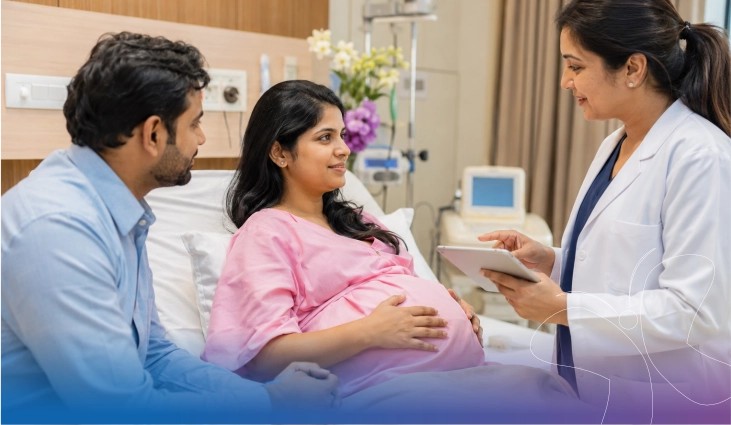
The sequence of care for a woman planning pregnancy after 30 ideally runs as follows: preconception consultation (to identify and address modifiable risk factors and assess ovarian reserve), fertility optimisation or treatment if indicated, early antenatal booking with appropriate risk stratification, and ongoing care at a facility equipped for the level of monitoring her specific risk profile requires.
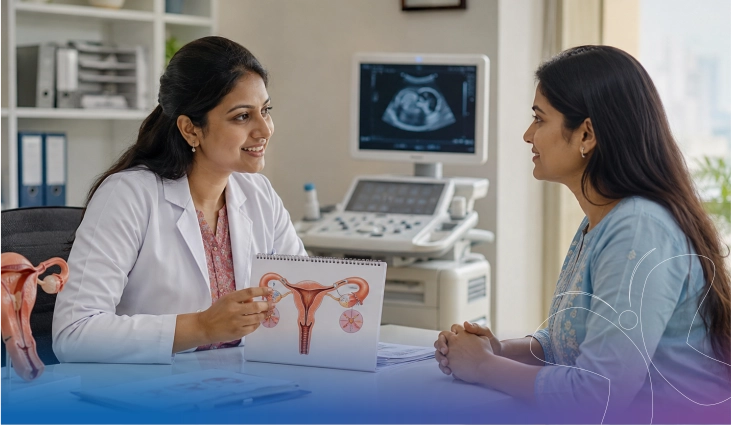
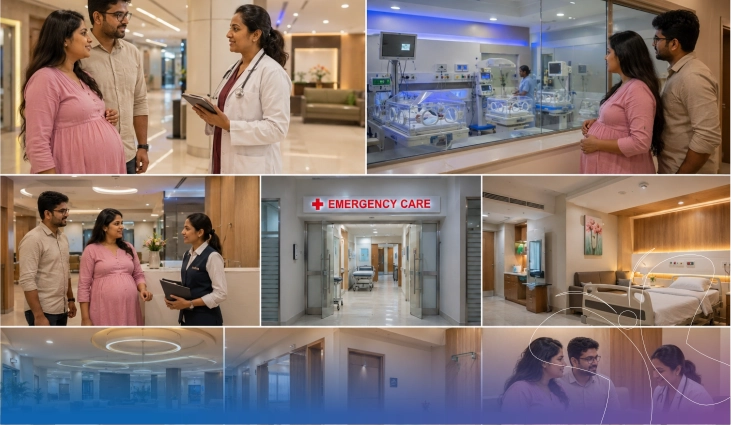
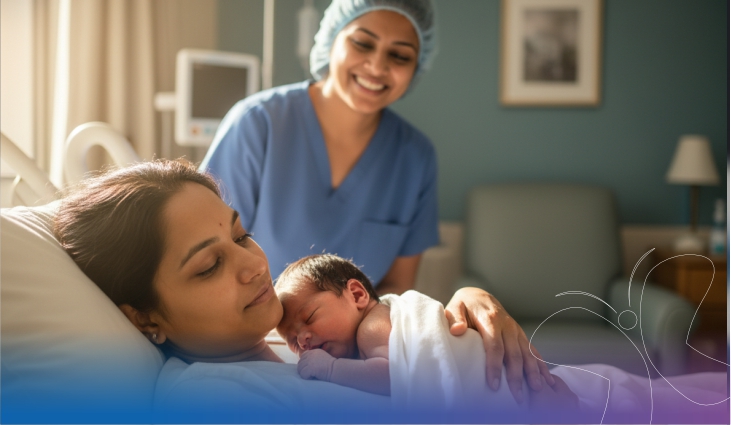
A qualified fertility specialist in Rajkot handles the first two stages of ovarian reserve assessment, management of PCOS or endometriosis, and ovulation induction or ART if required and ensures the transition to antenatal care is well-informed. In Rajkot, a capable pregnancy care hospital provides the antenatal monitoring, specialist referral infrastructure, and delivery capability that the pregnancy itself requires. The two work in sequence, and choosing both carefully rather than selecting one and accepting whatever is available for the other produces the most coherent care pathway.
Expert Tips for Women Planning Pregnancy After 30
- Get an AMH and AFC assessment before deciding how long to try naturally. If ovarian reserve is low, the standard "try for 12 months before seeking help" advice may not be appropriate for your specific biology; a six-month or earlier referral may serve you better.
- Start folic acid 400 mcg daily at least three months before attempting conception neural tube closure happens in weeks 3–4 of pregnancy, before most women know they are pregnant; waiting until a positive test to begin supplementation misses this critical window.
- Optimise thyroid function before conception, not during early pregnancy TSH should be below 2.5 mIU/L before conception for women trying to get pregnant; subclinical hypothyroidism at the point of implantation is associated with higher miscarriage rates.
- Discuss chromosomal screening options before the first trimester ends. NIPT can be done from 10 weeks' gestation; combined first-trimester screening is from 11–13+6 weeks; both have a defined performance window that cannot be extended after the cutoff.
- Do not defer treatment for PCOS, endometriosis, or fibroids to "after pregnancy" these conditions affect the probability of conception and healthy implantation. Managing them before attempting pregnancy is clinically superior to managing their consequences during it.
- Monitor blood pressure from early pregnancy, not just from 20 weeks. Establishing a true baseline in the first trimester is essential for diagnosing preeclampsia, which is defined as a rise above baseline; without a known baseline, the diagnosis is made late.
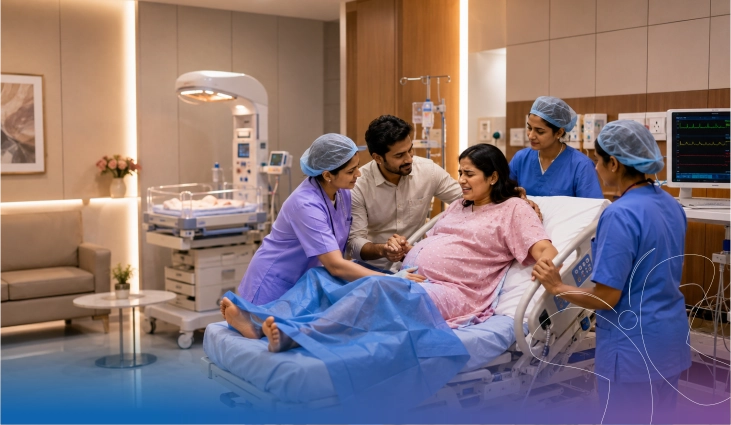
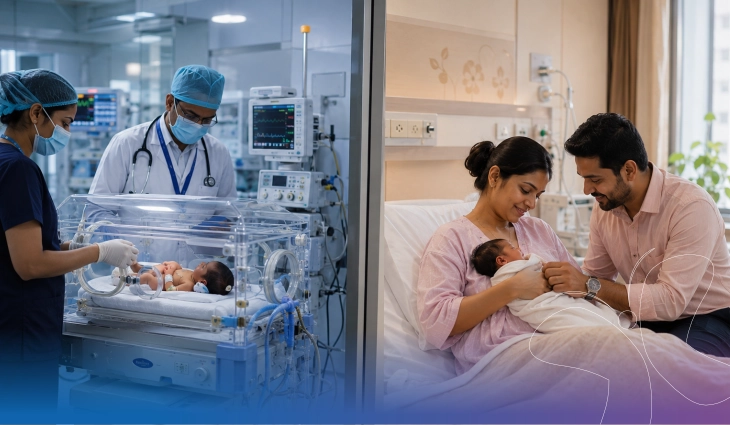
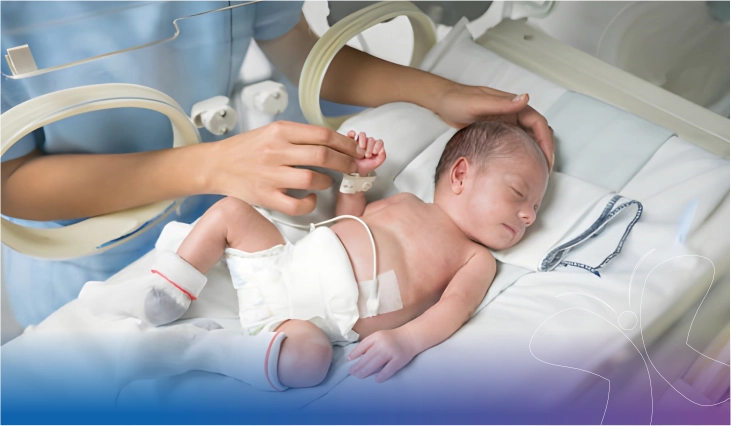
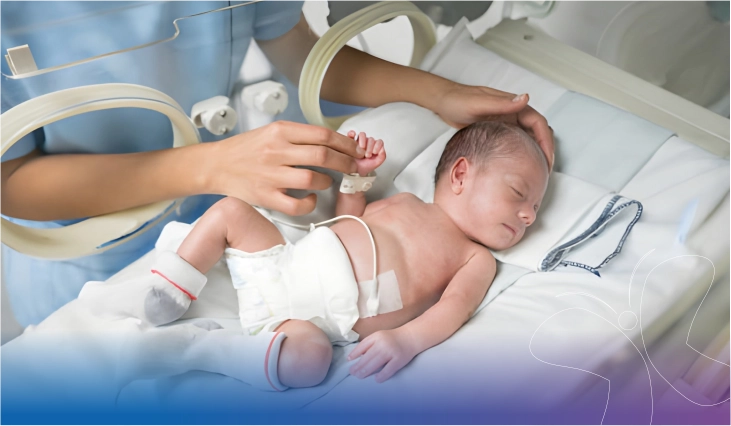
- Choose a pregnancy care hospital in Rajkot that offers on-site neonatal care if preterm delivery is a possibility (higher after 35, higher with multiple gestation, higher with hypertension), delivering at a facility where NICU support is immediately available rather than requiring transfer changes outcomes at the margins that matter.
Conclusion
Pregnancy after 30 is medically manageable for the vast majority of women, with outcomes that reflect the quality of preconception preparation, the accuracy of risk assessment, and the consistency of antenatal monitoring, not age alone. Understanding the biological changes, addressing modifiable risk factors before conception, and choosing a fertility specialist and a pregnancy care hospital that provide the appropriate level of care for each stage transform a category of "higher risk" into a well-managed individual pregnancy. For women whose pregnancies require more intensive oversight, early identification and specialist high-risk pregnancy treatment convert elevated risk into controlled risk, which is precisely what they are designed to do.