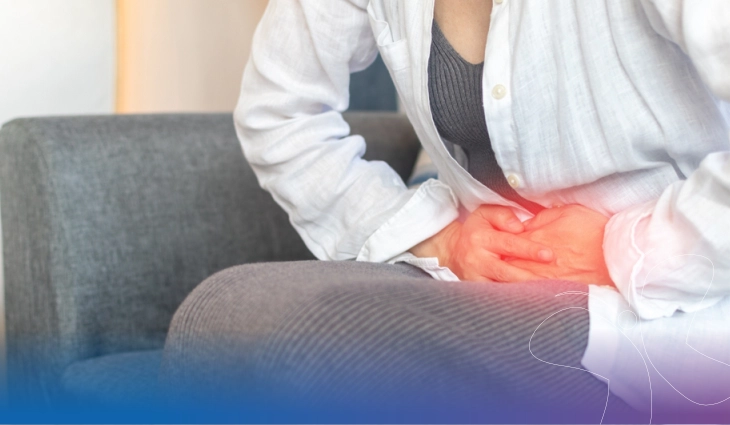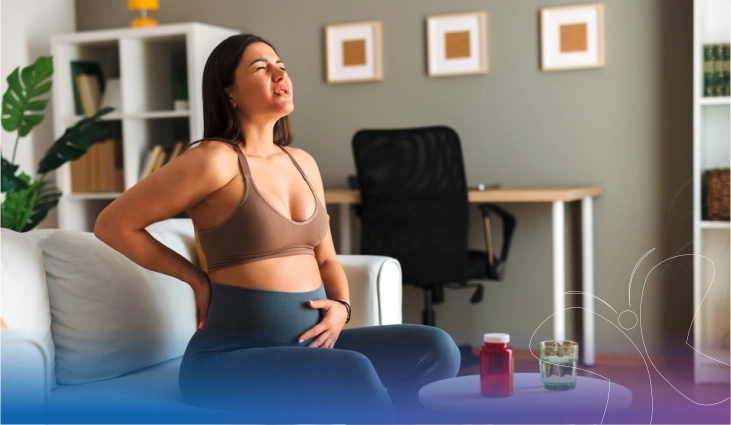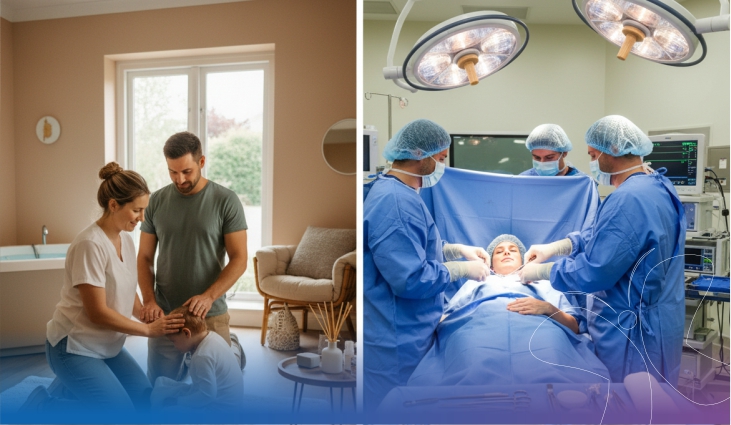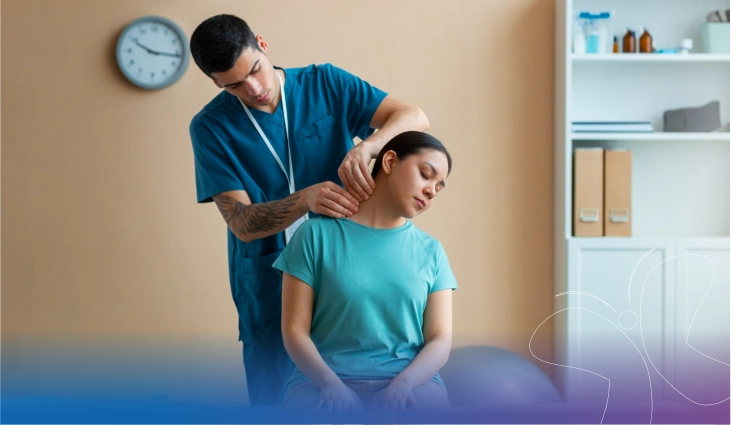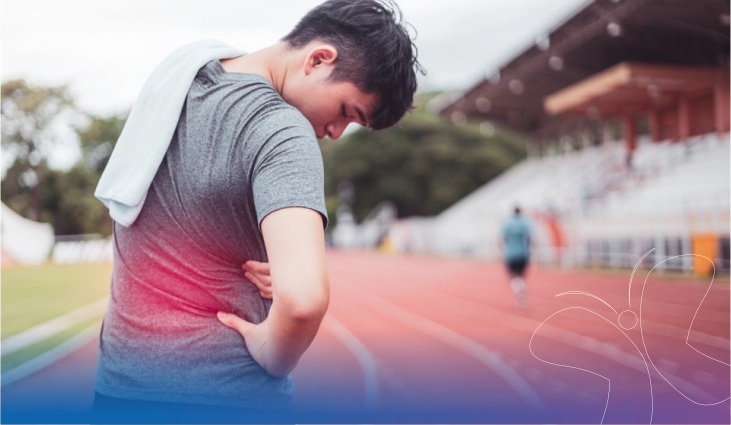
Back pain and sports injuries don’t always start suddenly. For some people, it begins as a mild ache after sitting for long hours. For others, it appears after gym training, running, or a small twist while lifting something. At first, most people ignore it. They hope it will settle with rest or a few tablets. But when pain keeps returning, or movement starts to feel restricted, life slowly becomes uncomfortable.
That is usually when guided Physiotherapy Treatment makes the real difference. Not just to reduce pain but to help the body learn to move safely again.
Why back pain develops and why the body keeps reminding you about it
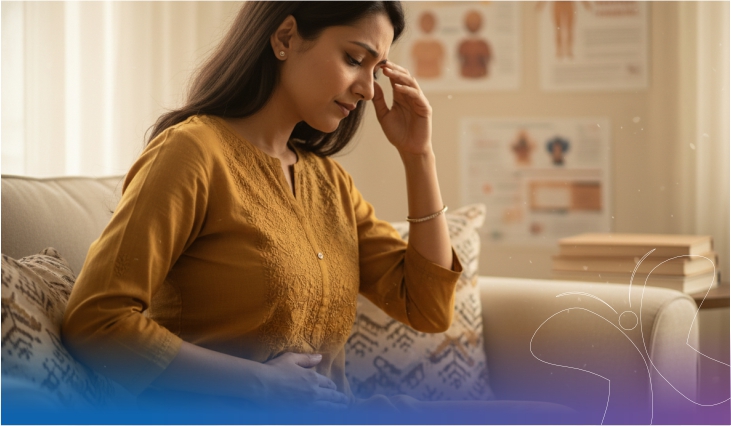
Back pain rarely comes without a reason. Sometimes it is weak muscles. Sometimes poor posture. Sometimes long sitting, work stress, or sudden strain on the spine. For a few people, it may be related to disc irritation or nerve symptoms.
Painkillers may reduce pain for a few days. But once routine activities restart, the same problem returns.
That is because pain is not the problem — it is the signal.
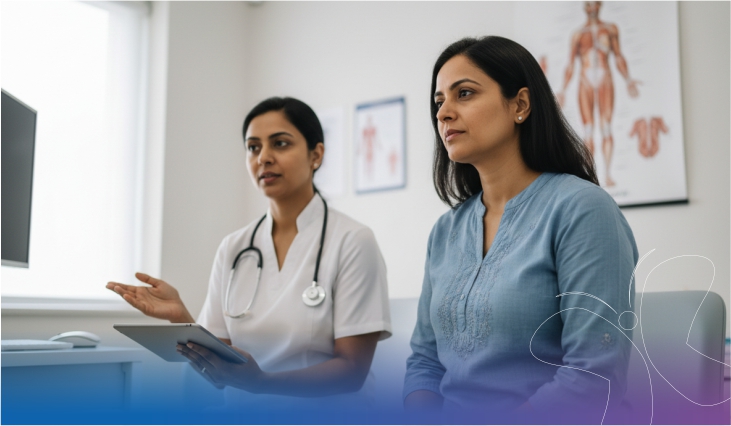
When the root cause is identified, recovery becomes more meaningful. The physiotherapist looks at posture, flexibility, muscle strength, walking pattern, core stability, and how the body reacts during movement. Once the reason becomes clear, treatment is not guesswork anymore. It becomes focused and safer.
The goal is not only to feel better — it is to help the back become stronger and more stable.
Sports injuries — why continuing activity through pain makes things worse
Sports injuries don’t affect only athletes. They affect school children, fitness enthusiasts, weekend players, and people who suddenly push activity after a long gap. Sprains, muscle pulls, knee or ankle strain, shoulder pain — many call them “minor injuries” and continue activity.
That is usually when the injury worsens.
Early assessment prevents swelling, tissue stress, and wrong movement adaptations from setting in. With structured Pain Relief Therapy, the aim is not just to calm pain. It is to restore normal movement, protect the injured area, and bring strength back gradually so the injury does not repeat.
Pain relief is the beginning of recovery — not the end of it.
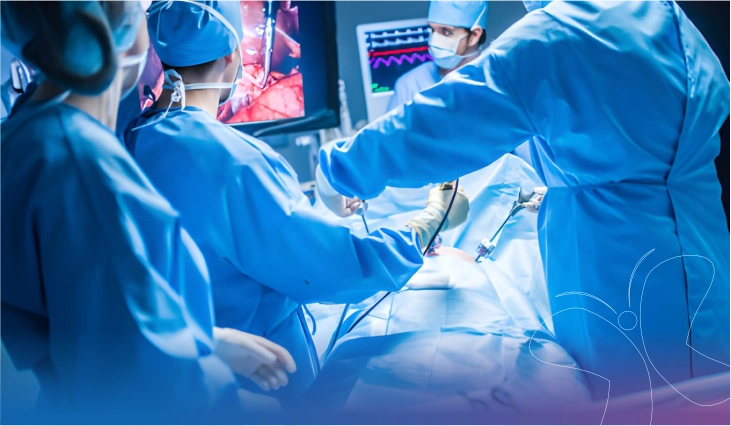
Recovery after surgery — why rehabilitation matters more than most people realise
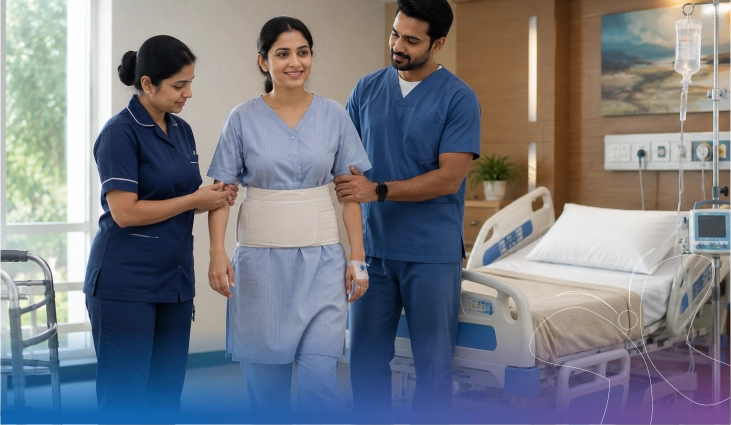
Many people believe that once surgery is done, recovery is automatic. But after surgery, the body feels weak, stiff, slow, and unsure about movement. This is normal. Muscles and joints need guidance to learn movement again.
That is where Post Surgery Rehab plays a crucial role.
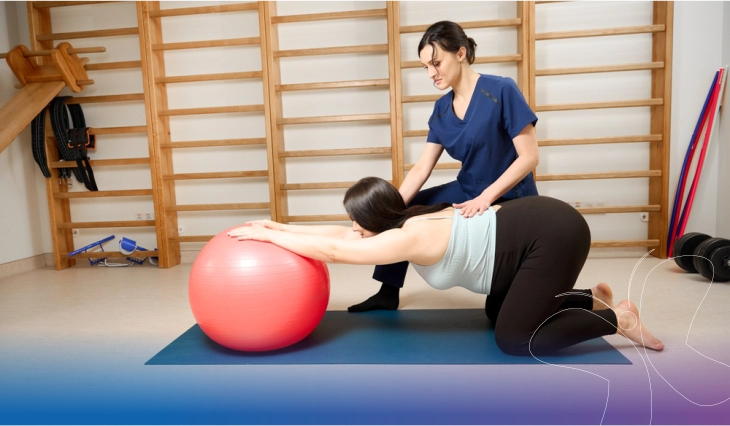
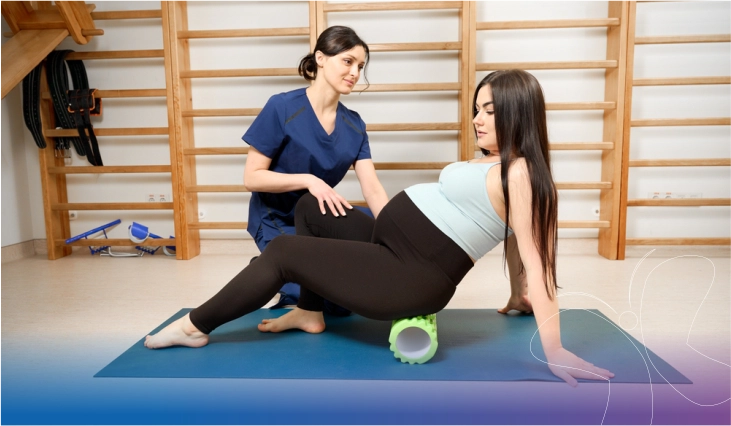
Rehabilitation helps improve mobility, reduce stiffness, rebuild muscle strength, improve balance, and restore confidence in movement. It is not about forcing movement quickly. It is about moving in the right way, at the right pace, under supervision.
Patients often realise that when movement improves, fear reduces. Confidence returns along with strength.
Healing is not just physical — it is emotional too.
When it is time to seek physiotherapy instead of waiting longer
If pain keeps returning
If stiffness stays for weeks
If sports injuries repeat
If there is numbness, weakness, or fear of bending
The body is asking for guided help — not temporary fixes.
Early intervention prevents chronic pain and long-term muscle weakness. It also reduces dependence on pain medicines and avoids movement patterns that might harm the body later.
Physiotherapy is not only treatment. It is awareness of how your body actually moves.
How patients can support their own recovery
Many people think recovery means resting completely. In truth, good recovery is a balance — controlled activity, strengthening, stretching, and gradual return to routine. When patients understand why pain occurred, what movement needs correction, and how to maintain posture in daily life, relapse chances reduce significantly.
Consistency matters more than intensity.
Small, steady progress is what protects the body in the long run.
Moving forward without fear of pain
Back pain, sports injuries, and post-surgery weakness can feel limiting. But with proper assessment, guided rehabilitation, and patient-centred care, most people regain strength, mobility, and confidence in their body again.
Recovery is not only about removing pain. It is about restoring movement — and helping the body feel safe, stable, and ready for life again.