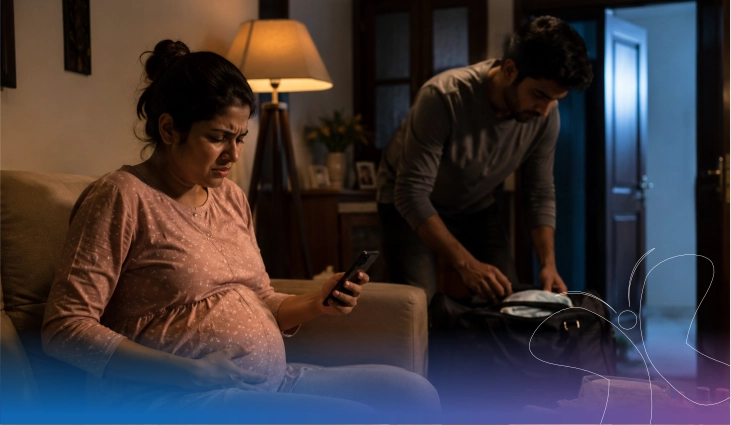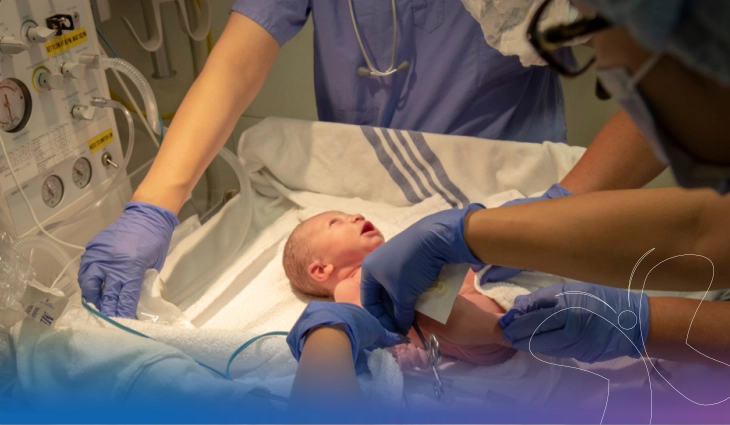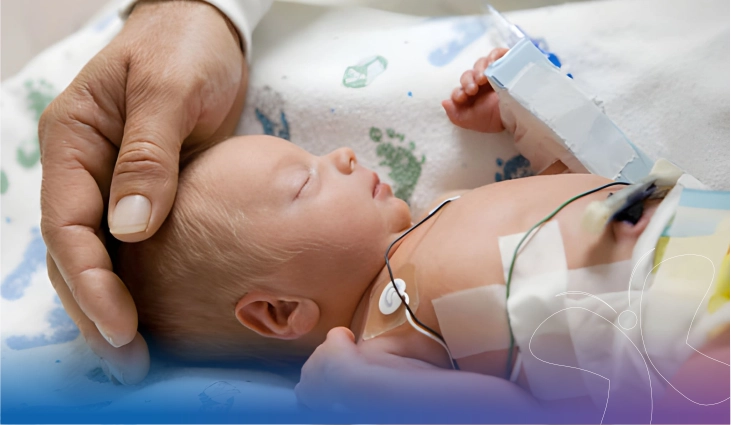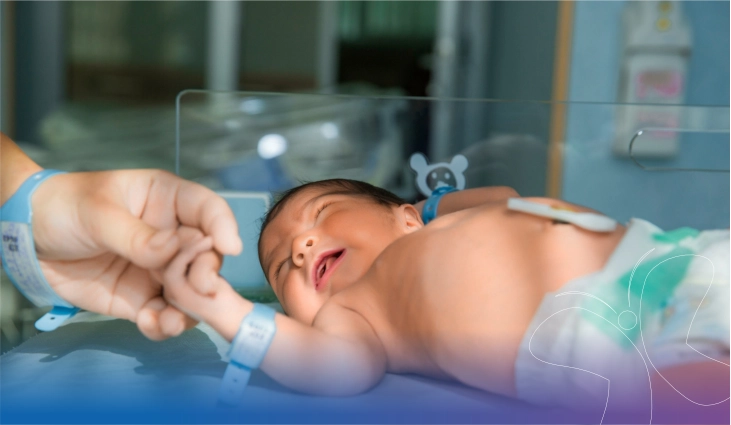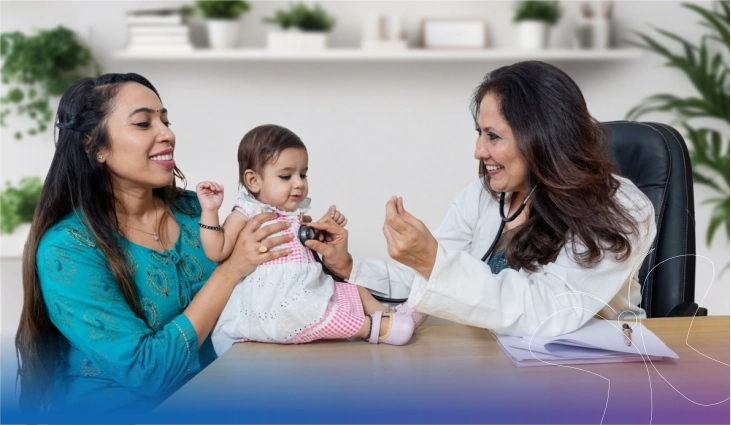
Every child grows in their own way. Some start talking early, some speak late. Some run around from the beginning, some take time to gain confidence. Parents usually notice other children around the same age and start comparing — and once comparison begins, worry follows. That’s where steady Pediatric Care really helps, because instead of guessing whether something is late or abnormal, parents get clarity about what is actually natural variation and what really needs attention.
How children grow — and why milestones don’t look the same in every child
In early childhood, growth is not just about height or weight. It’s about how a child reacts, plays, understands, communicates, and moves. One child may speak fewer words but understand everything. Another may talk a lot but be slower in physical activity. None of this automatically means something is wrong.
Parents often panic when they see another child doing things earlier.
But development doesn’t happen in one fixed order.
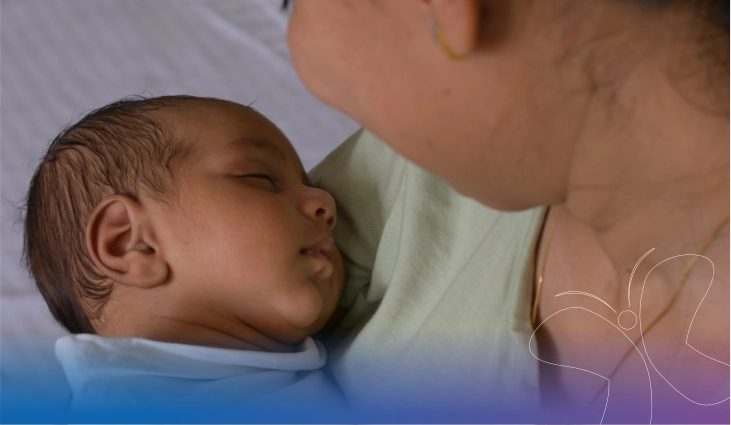
When a doctor tracks Baby Growth, it’s not just a checklist of milestones. It’s about whether the child is progressing steadily over time, responding to sound and faces, trying to learn, showing curiosity, interacting emotionally, and becoming gradually independent.
The goal is never to rush the child into milestones. It is to make sure they are growing in a healthy, supportive environment.
Why vaccinations are more than “just hospital visits”
Many parents look at vaccinations like tasks to finish. A date comes, they take the child to the hospital, the vaccine is given, and the visit ends. But vaccination is actually one of the strongest shields a child has in the early years — when the immune system is still learning to fight infections.
The schedule exists for a reason.
Each dose protects against serious illnesses that can otherwise cause long-term complications. When parents skip or delay doses, they unknowingly leave a gap in protection. Regular follow-ups with a Child Health Specialist make sure vaccines are on time, booster reminders are not missed, and any confusion about schedules is cleared calmly.
Vaccination appointments also become moments where parents discuss feeding, sleep habits, crying, behavioural changes — everything they hesitate to ask otherwise.
That’s how preventive care really works.
Childhood illnesses — when to worry and when not to panic
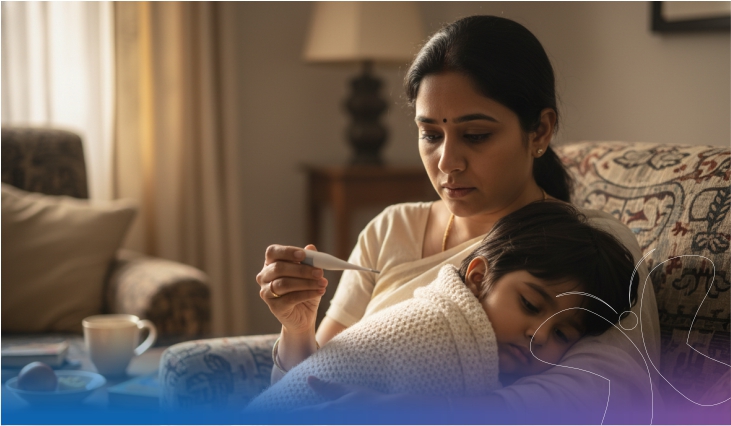
Children fall sick more often than adults, especially in the early years. Cold, cough, fever, stomach infection, sore throat — parents sometimes feel like the child keeps catching something every few weeks. It feels worrying, but in many cases, it is simply the immune system learning and adapting.
Illness in childhood is not always a sign of weakness.
What matters is recognising when symptoms look serious — high fever that isn’t settling, breathing difficulty, child becoming dull or inactive, dehydration, continuous vomiting, seizures, or refusal to feed.
Those symptoms need attention immediately — not next day, not home remedies.
Timely consultation avoids complications and makes recovery faster — which also prevents repeated hospital visits and unnecessary distress for both child and parents.
The role of parents — and why awareness matters more than comparison
Most parents worry quietly — Is my child eating enough, talking enough, growing enough, interacting enough? These doubts pile up over time. Many hesitate to ask because they feel they may be overreacting.
In reality, asking early helps.
A calm, open consultation gives parents space to talk honestly without feeling judged. The doctor explains what is normal, what needs observation, and what needs intervention — and that reduces unnecessary fear.
Children grow better when parents feel confident rather than anxious.
Why early guidance shapes healthier growth
Childhood development is not a race. It is a gradual journey — one that needs patience, reassurance, and intervention only when truly required.
When parents understand vaccination, recognise illness patterns, and receive guidance instead of assumptions, children grow in a safer and emotionally secure environment.
Strong child care is built on three pillars — protection, awareness, and trust.
When those three are in place, both the child and the parents feel supported through every wstage of growth.