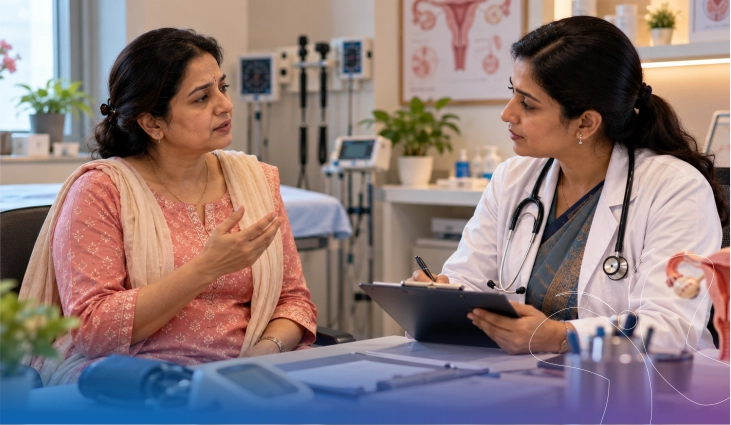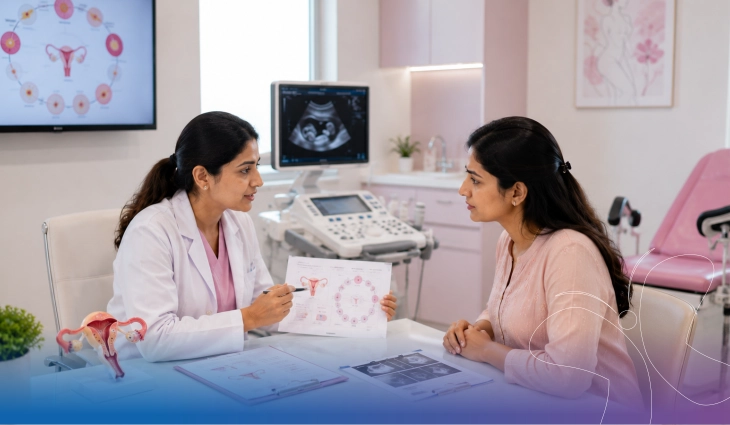
Pregnancy does not arrive as one neat experience. It changes month by month, sometimes week by week. One day a mother feels fine, the next she may feel exhausted or anxious for no clear reason. That is normal. What matters is that she is not left to guess everything alone. Consistent, calm Obstetrics Care helps here. The mother knows someone is watching over her, and over the baby, and she does not have to figure everything out by herself.
What the stages actually feel like for a mother
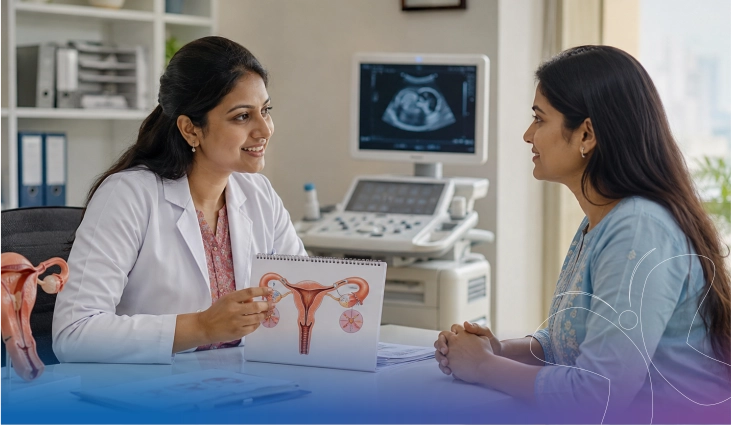
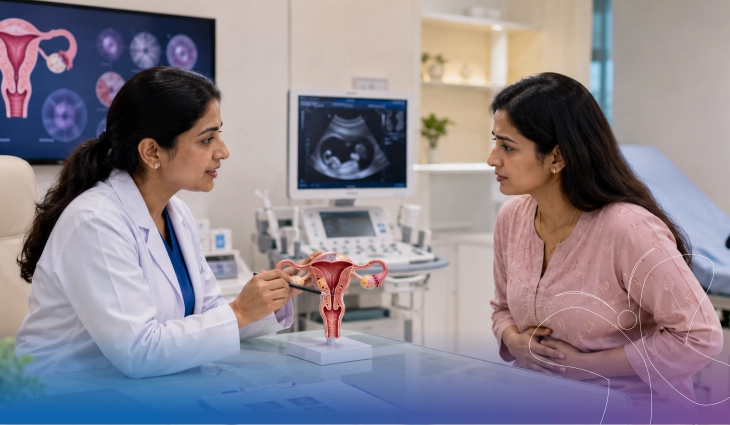
The early weeks can feel strange. The body is adjusting. Food habits change. Smells feel stronger. Mood shifts come without warning. Even if reports are fine, many mothers still worry, because everything feels new and unfamiliar. At this time, conversation helps more than anything else. The doctor explains what is happening in simple words, reviews medical history, and checks whether anything needs closer observation.
The middle months usually feel lighter. Energy returns. The baby’s movements start. For many families, this is when pregnancy feels real for the first time. It is also when practical questions begin. Can I travel. Can I exercise. What about sleep. What about work stress. These are genuine questions and deserve real answers, not guesses or internet advice.
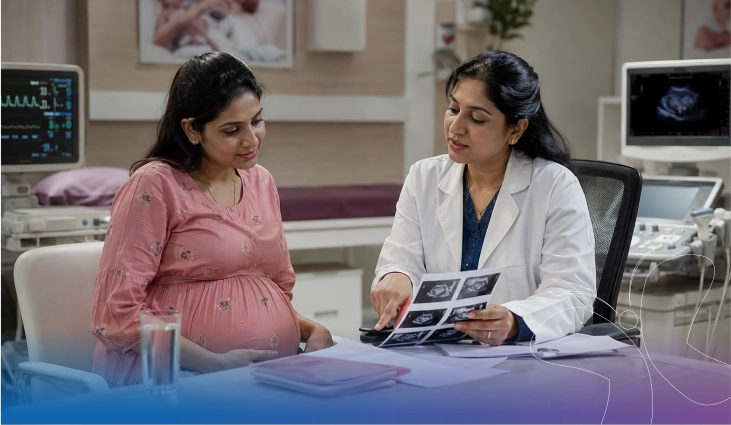
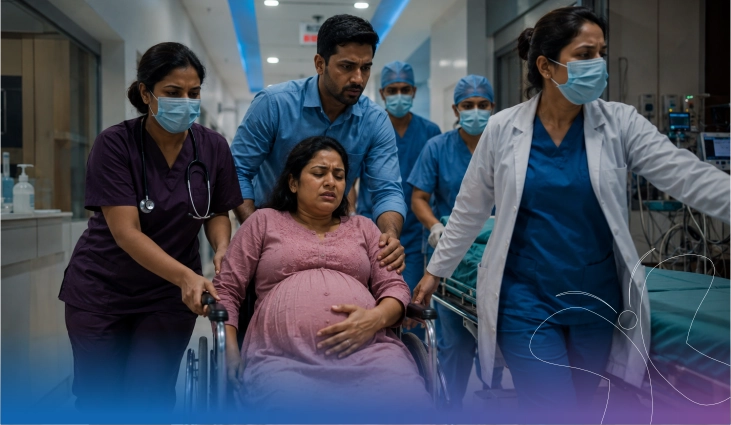
The last months are different again. The body is heavier. Sleep is broken. Even small discomforts can trigger fear. Mothers begin thinking seriously about labour and delivery. This is when regular visits matter because reassurance matters. The doctor focuses on safety, on warning signs to never ignore, and on planning delivery so that the mother feels prepared rather than surprised.
Across all stages, the most helpful thing is simple. A doctor who listens without rushing.
Why checkups are not “just formality”
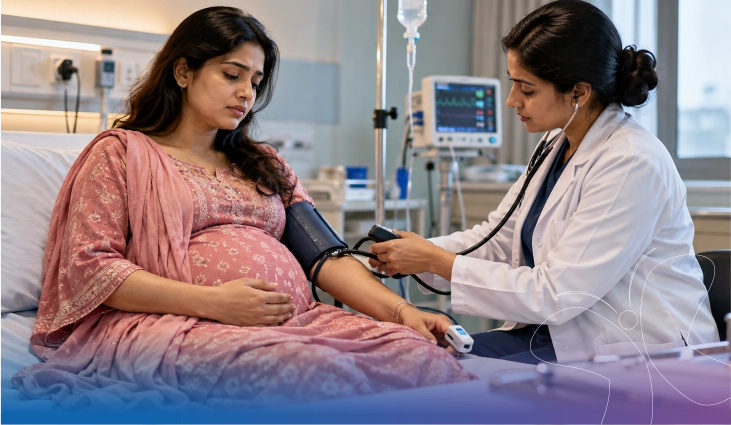
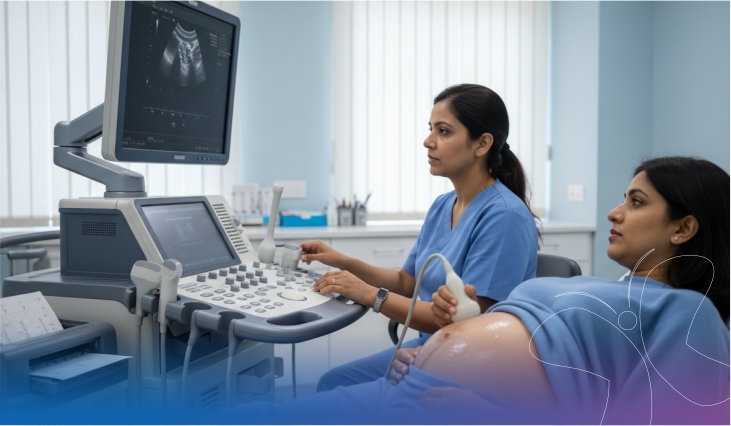
From the outside, pregnancy visits can look like routine hospital visits. In reality, regular Antenatal Care is ongoing conversation. It is the place where small changes are noticed early rather than late.
A slightly raised blood pressure, swelling in the feet, unusual headaches, tiredness that feels different, less baby movement than before — none of these alone sound dramatic. But together they tell a story. They help the doctor decide whether the mother needs closer monitoring or just reassurance.
Checkups are also the space where mothers talk honestly. They talk about fear of labour. About family pressure. About stress. About not sleeping. About things they cannot always explain clearly. That honesty itself prevents problems from being missed.
The goal of checkups is simple. Fewer surprises. More clarity. Safer pregnancy.
When pregnancy needs closer watch
Most pregnancies move forward smoothly. Some need more attention. Conditions like diabetes, thyroid issues, hypertension, twins, previous losses, or slow baby growth can turn a routine case into a High-Risk Pregnancy.
High-risk is not a label meant to scare anyone. It simply means the doctor will watch more closely, schedule more visits, and act earlier if needed. Many complications do not start suddenly. They build slowly. That is why warning signs should never be ignored. Strong headaches, sudden swelling, chest tightness, bleeding, leaking fluid, or reduced baby movement all need immediate evaluation.
Here, experience matters. The right decision taken at the right time can completely change the outcome.
What the doctor actually does through the journey
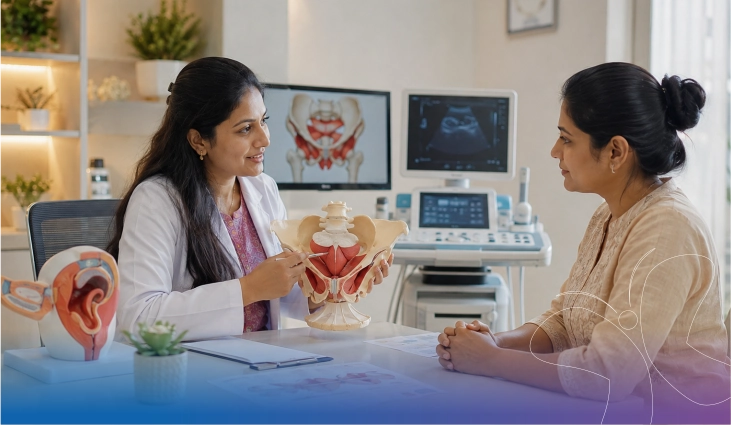
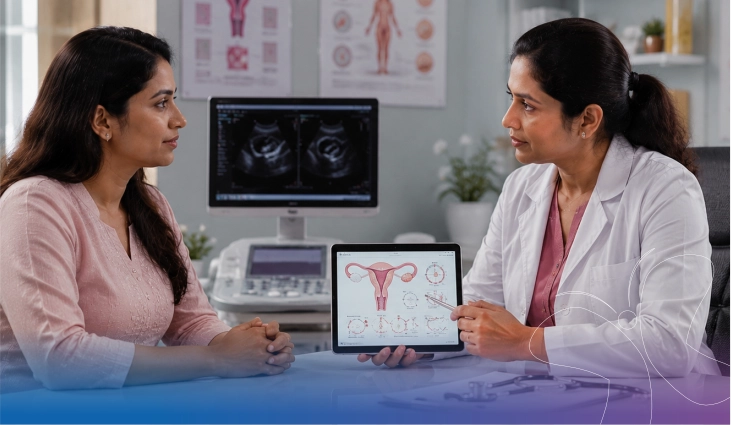
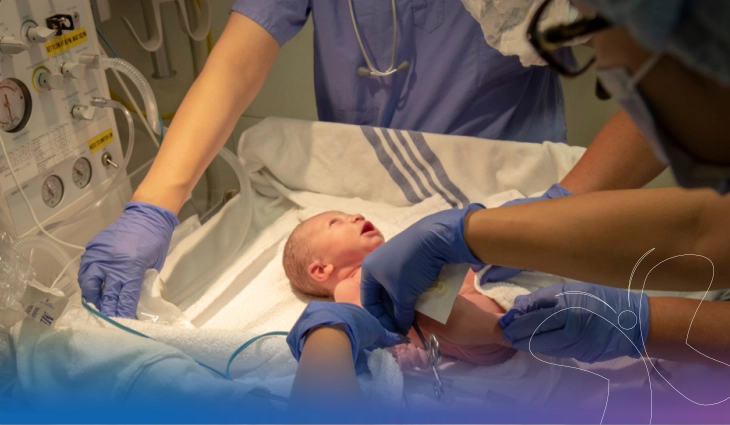
A doctor’s role during pregnancy is not just prescribing medicines or reading scans. In the beginning, the doctor explains what is happening inside the body. Later, the doctor becomes the person who tracks progress and gives clarity. Near delivery, the doctor becomes the decision-maker when something unexpected appears.
Good maternity care is usually quiet. No drama. No panic. Just steady observation and timely action. Families may not notice the amount of judgement happening in the background, but it is there all the time.
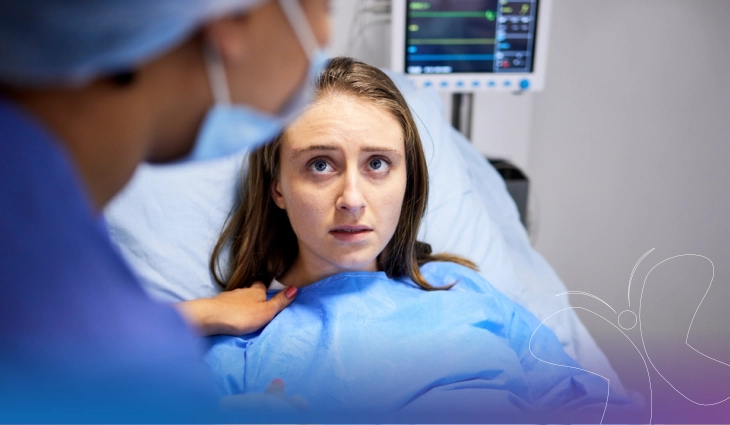
Trust makes this work. When the mother feels comfortable enough to say “I am scared” or “I don’t understand this,” care improves instantly.
Why steady care changes the final outcome
What happens on the day of delivery is not decided on that single day. It is decided slowly, across months, through every visit and every small decision. Consistent care lowers risk. Early action prevents complications. Clear explanations reduce anxiety.
When a mother feels heard, informed, and supported, pregnancy becomes less frightening. She stops guessing. She stops Googling everything at midnight. She knows whom to ask.
And that makes the journey safer for both mother and baby.