Why winter brings different complaints
Every winter, gynecology clinics start seeing a familiar pattern. Women come in with discomfort they didn’t have earlier. It often starts small. Mild irritation. A little itching. Sometimes just a feeling that things are not quite right.
These are not isolated cases. Winter gynecology problems are something doctors expect to see once temperatures drop.
Cold weather changes routines more than people realise. Less movement. Less water. Heavier clothes. All of it affects intimate health quietly.
Discomfort that builds slowly
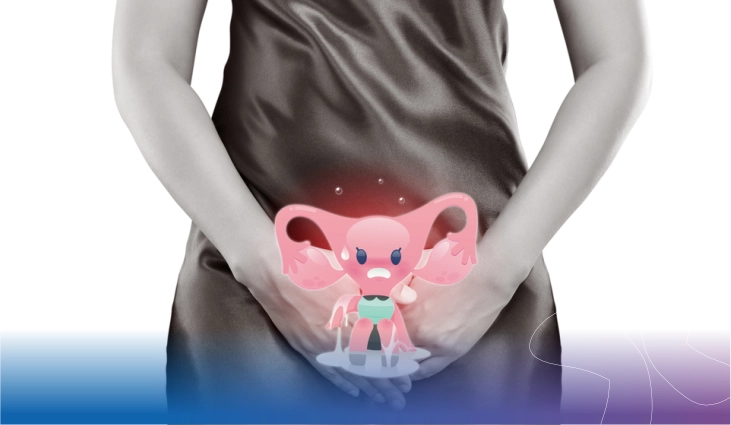
One of the most frequent common winter women’s health issues is vaginal discomfort. It rarely starts suddenly. Most women say it crept in over a few days.
Winter clothing plays a role. Tight layers reduce airflow. Damp innerwear stays unnoticed longer. Over-cleaning, which many women do thinking it helps, often makes irritation worse.
This is how small habits turn into winter gynecology problems without warning.
Urinary infections in colder months
Urinary infections are seen more often during winter. The reason is simple. Water intake drops. Urination becomes less frequent.
Many women ignore early signs. A little burning. Mild discomfort. It feels manageable, so it’s delayed.
But delays matter. Paying attention early is part of basic gynecological care during winter season, especially for women who have had UTIs before.
Period-related discomfort during winter
Some women notice stronger cramps or pelvic heaviness during winter. Cold weather can make muscles stiffer. Reduced activity doesn’t help.
Stress and poor sleep also add to discomfort. While winter can influence symptoms, ongoing pain should never be normalised.
Seasonal change does not replace medical advice.
Dryness and sensitivity
Dry skin is common in winter. The vaginal area is no exception.
Dehydration, cold air, and hormonal sensitivity can increase dryness. Many women feel awkward bringing this up, but it is one of the common winter women’s health issues doctors hear about every year.
Ignoring it usually makes it worse. Addressing it early is easier.
What actually helps in daily life
Prevention doesn’t require complicated routines. Gentle hygiene matters more than aggressive cleaning. Keeping the area dry after bathing helps.
Hydration is often forgotten in winter. Warm water, soups, and regular fluids support the body better than expected. These habits reduce winter gynecology problems over time.
Clothing choices matter too. Breathable innerwear is not optional during winter. These steps are part of sensible gynecological care during winter season, not overthinking.
When not to wait it out
Persistent itching. Unusual discharge. Burning while passing urine. Pelvic pain. Unexpected bleeding.
These are not winter inconveniences. They need evaluation.
Early care shortens recovery and prevents complications. That’s why addressing common winter women’s health issues early always works better.
Staying consistent through winter
Winter does not require fear. It requires awareness.
Listening to the body, adjusting habits, and seeking help when something feels off is enough. Consistency matters more than season.
We encourage all women to seek timely guidance and maintain gynecological health throughout winter, so that, no small concern turns into a bigger problem.