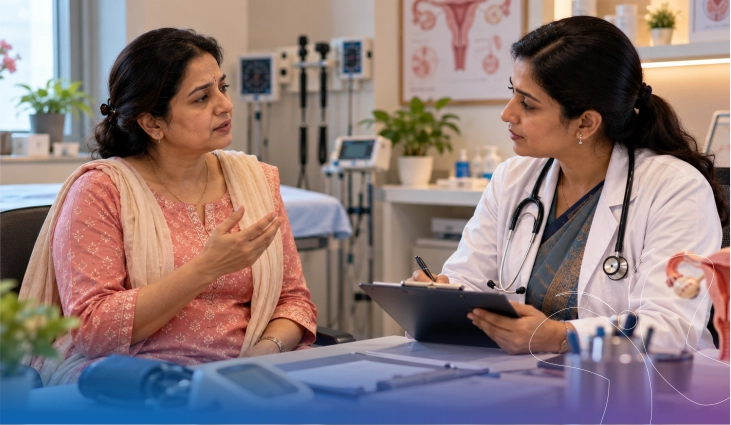
When a doctor says that surgery may be needed, most people do not think about the disease first. They think about the word “surgery.” The mind becomes tense. Will it be painful. Will I be able to walk. How long will it take to recover. Who will take care of things at home. These thoughts come before anything else.
This reaction is natural. Modern General Surgery is not only about removing a problem. It is also about guiding the patient, explaining things slowly, and making sure they feel supported at every stage instead of feeling scared or alone.
Why doctors sometimes decide that surgery is the right step
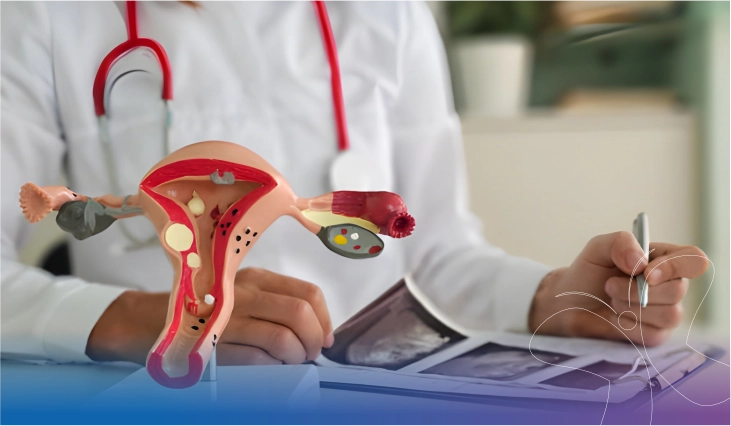
Doctors do not recommend surgery just because it is available. Medicines, lifestyle correction, and observation are tried wherever possible. Surgery is advised when the problem keeps coming back, starts troubling daily life, or carries a risk if left untreated.
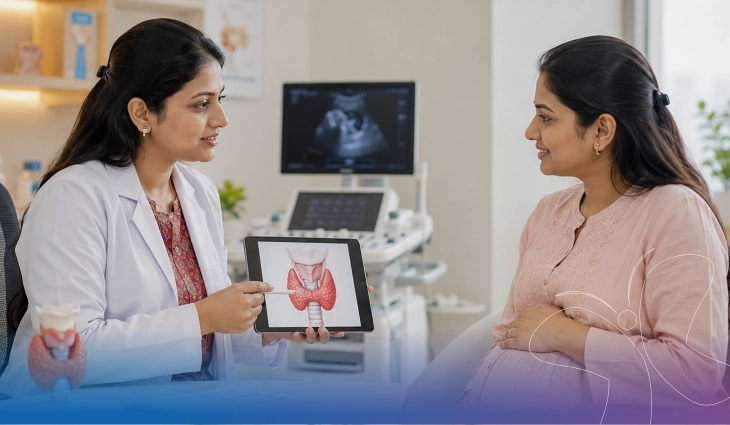
Conditions like hernia, gallbladder stones, appendicitis, piles or fissure complications, thyroid swellings, or certain abdominal problems often fall into this category. Many people tolerate symptoms for months, hoping they will settle on their own. Then one day pain becomes severe and urgent treatment becomes unavoidable.
When patients understand that surgery is being suggested to prevent that situation, not to rush them, fear usually reduces.
Laparoscopy and small cut surgery explained simply
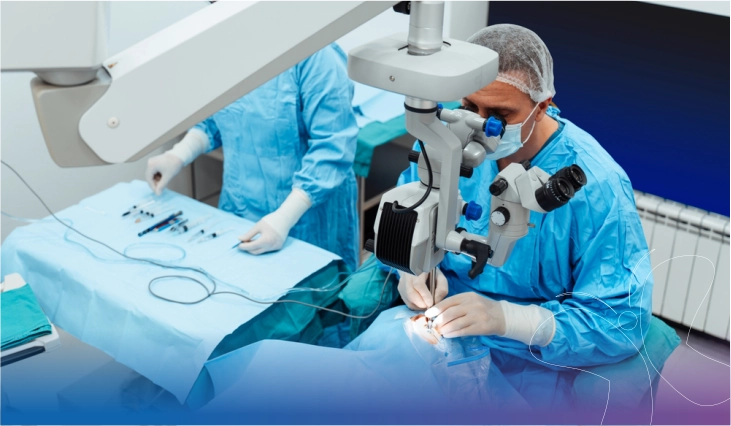
Today, many procedures are done using Minimally Invasive Surgery. Instead of one big cut, small cuts are made, and a camera is used inside to see clearly.
For patients, this often means smaller scars, less pain, quicker movement, and earlier recovery. But this approach is not correct for every condition. Some cases are safer with open surgery.
The decision is based on the illness, body condition, previous surgeries, age, and safety. A responsible team explains why a particular method is chosen so the patient understands that it is a safety based decision, not a preference based one.
The best surgery is the one that is safest for that patient.
What recovery usually feels like, in real life
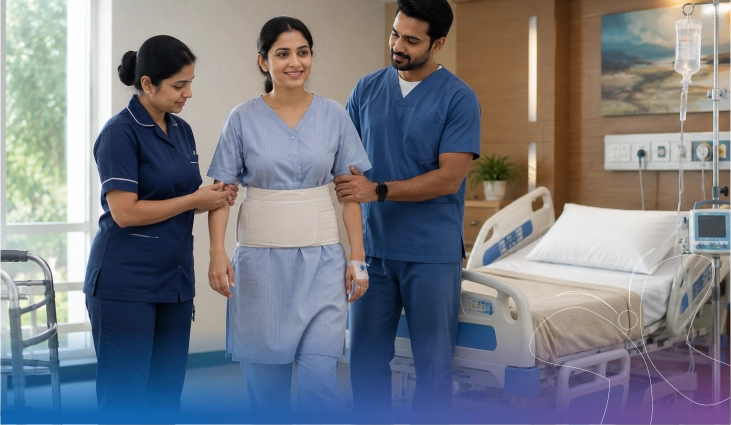
The operation happens inside the theatre. Recovery happens afterward. Good Surgical Care continues during that time. The first few days may feel slow. There may be tiredness, discomfort, fear of movement. This is normal.
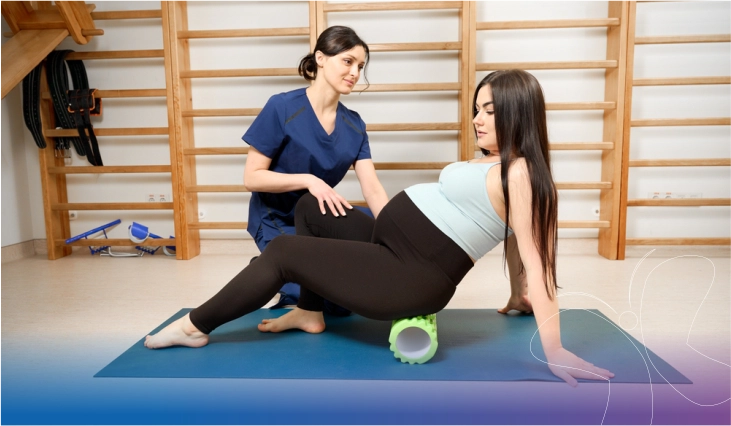
Patients are guided to walk slowly, take medicines on time, keep the wound clean, and avoid sudden jerky movements. Recovery is not lying in bed all day. But it is also not pushing the body too fast. Healing happens when rest and gentle movement stay balanced.
Follow up visits help the doctor check healing and give reassurance when doubts come up. Many patients recover better simply because they feel heard and guided.
Every body heals at its own pace. Comparing recovery with someone else only increases worry.
Symptoms after surgery that should be reported early
Most recoveries go smoothly. But some signs need attention without delay. Strong or increasing pain, high fever, swelling or redness near the wound, foul discharge, vomiting, breathlessness, or sudden weakness should be reported immediately.
Calling the doctor is safer than waiting. Home remedies or ignoring symptoms after surgery can make a small problem bigger. Recovery remains safe when patients feel comfortable asking questions instead of keeping doubts to themselves.
Why counselling before surgery matters so much
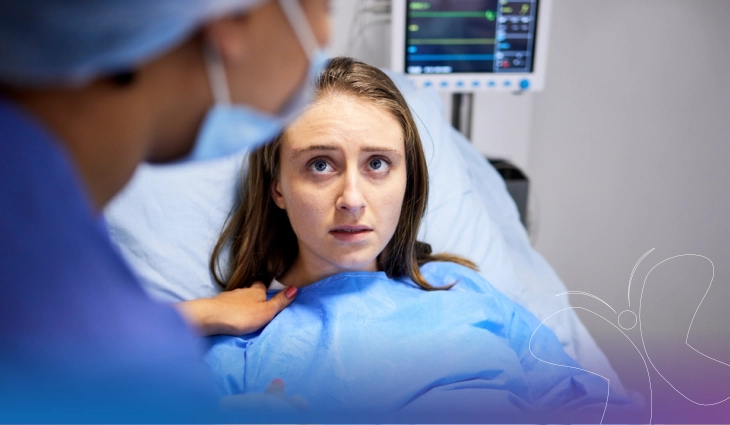
Before surgery, people worry, but many do not say it aloud. They worry about anesthesia. About scars. About what will happen inside. About whether life will be normal again.
Counselling helps here.
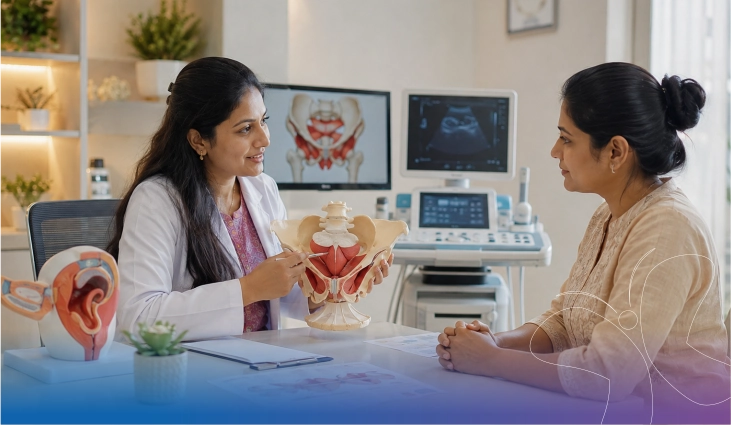
When the doctor explains what will happen, how the first few days will feel, when walking becomes easier, and when normal routine can restart, the fear slowly settles. The patient goes into surgery with clarity instead of panic.
Good treatment is not only about performing the operation well. It is about staying with the patient through the journey.
Moving forward with atmost clarity and trust
Modern surgery focuses on safety, precision, and steady recovery. When surgery is done at the right time and instructions are followed sincerely, the experience becomes less frightening and more reassuring.
With the right guidance and regular follow up, most patients recover well, regain confidence, and feel relieved that a long standing problem has finally been treated.