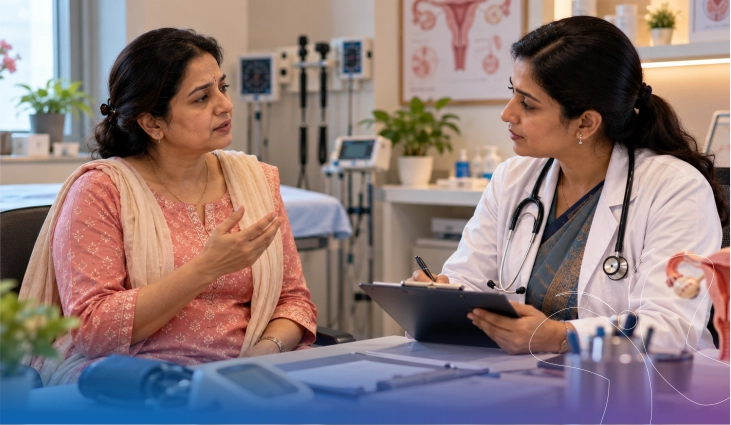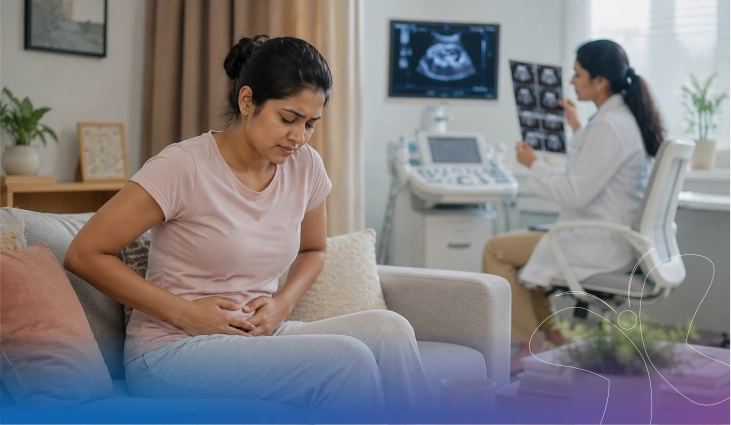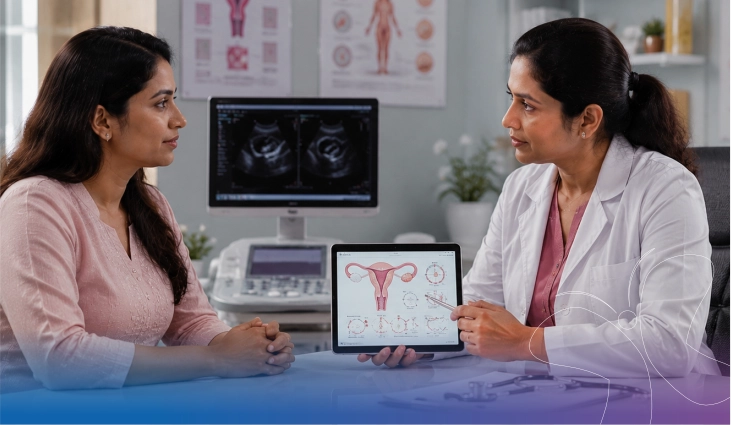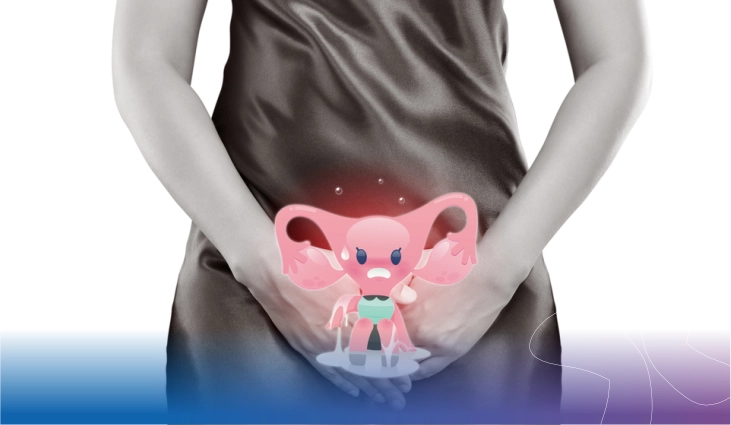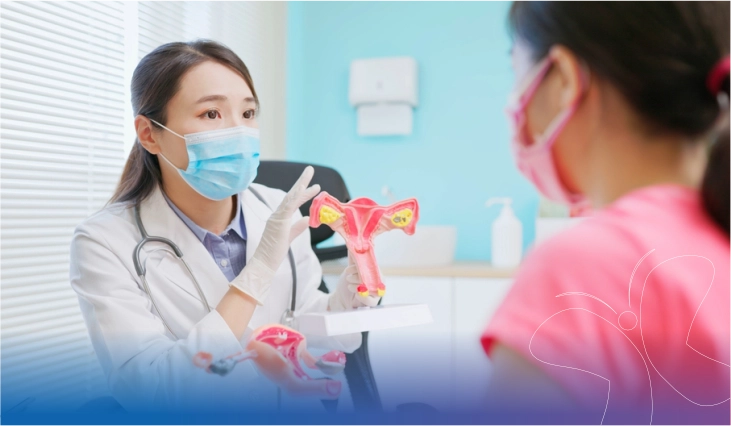
A lot of women get used to discomfort. Period pain that keeps getting worse, cycles that never come on time, sudden acne or hair fall, mood changes that don’t make sense — many just adjust and move on. They tell themselves it’s stress, or age, or “this happens to everyone.” Over time, the body keeps giving signals, and they keep ignoring them. Most of these problems become easier to handle when they’re discussed early and guided under proper Gynecology Health care instead of guessing and tolerating silently.
When Period Problems Are A Sign The Body Needs Attention
Not everyone has a textbook-perfect menstrual cycle. Some bleed too heavily. Some skip months. Some have severe cramps that make daily work impossible. Some notice clots or spotting that wasn’t there before. Because periods are private, many women don’t talk about it. They wait, hoping it will “fix itself.”
But when a pattern repeats again and again, it usually means the body is trying to say something.
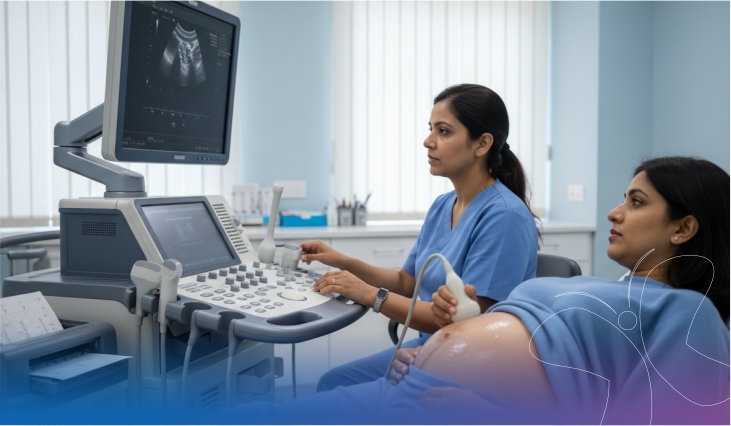
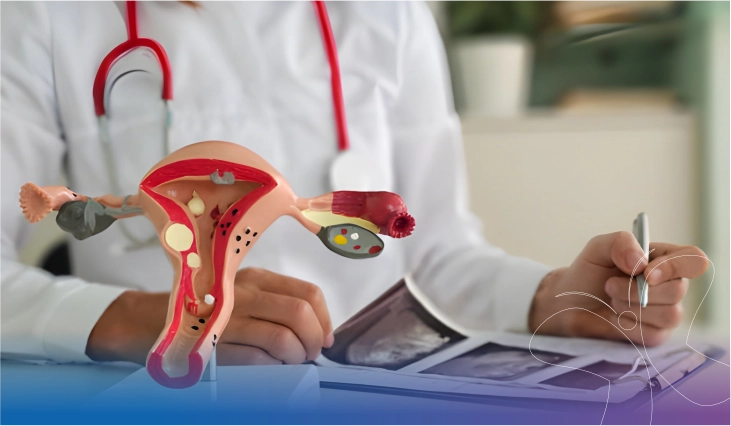
Hormonal imbalance, thyroid changes, PCOS, anemia, fibroids, endometriosis — different issues can affect cycles differently. Instead of self-diagnosing or searching online, structured Women’s Health Care helps find out what’s actually happening and whether it needs treatment, monitoring, or lifestyle correction.
It isn’t about labelling every irregular cycle as a disease. It’s about not letting important problems slip through.
Hormonal Imbalance — Why It Creeps In Quietly
Hormonal issues rarely arrive dramatically. They show up slowly. Weight changing even when diet hasn’t, breakouts, facial hair growth, hair thinning, sudden tiredness, disturbed sleep, mood instability — women often push through these changes because life doesn’t stop for them.
Sometimes it really is stress. Sometimes it isn’t.
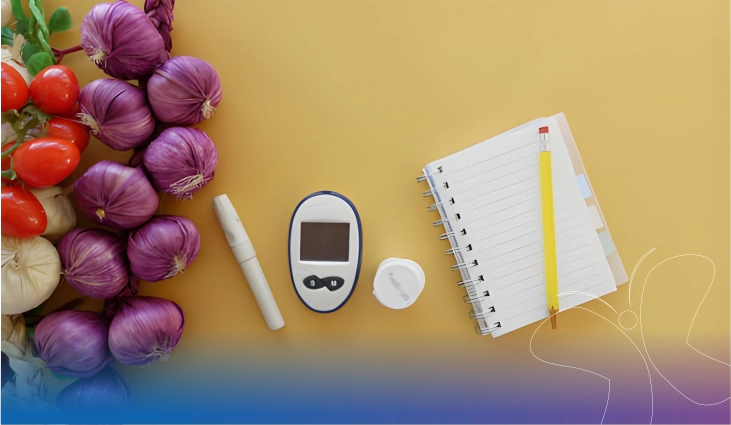
Hormonal imbalance may be linked to thyroid function, insulin resistance, metabolic issues, nutritional gaps, or reproductive-hormonal conditions. Early evaluation helps the doctor understand whether the body needs medical support, lifestyle restructuring, counselling, or a combination — instead of quick fixes that don’t address the root cause.
Ignored too long, these symptoms stop being “mild.”
PCOS — One Condition, Different Experiences For Every Woman
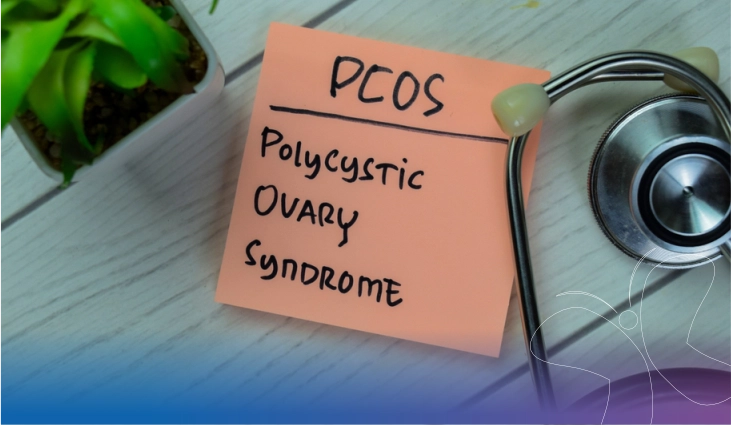
PCOS doesn’t look identical in every woman. One may have irregular periods. Another may gain weight suddenly. Someone else may struggle with acne, hair growth, or difficulty conceiving. That’s why responsible PCOS Treatment is never one blanket plan applied to everyone.
The doctor looks at history, hormone profile, stress patterns, daily routine, and future fertility needs before deciding how to manage it. For some, lifestyle restructuring plays a major role. For others, medication, cycle regulation, or targeted hormonal therapy becomes necessary for a period of time.
PCOS becomes overwhelming when it’s left unattended or handled casually without understanding the individual pattern.
Symptoms That Should Never Be Ignored Or Delayed
Pelvic pain that keeps returning. Painful intercourse. Abnormal discharge. Bleeding after intercourse. Sharp cyclical pain. Many women hesitate to talk about these symptoms because they feel embarrassed or unsure.
But these complaints may be linked to infections, endometriosis, cervical issues, pelvic inflammatory disease, or ovarian cysts.
Silence delays treatment — and increases anxiety.
A respectful consultation gives space to talk openly, without judgement. Once the real cause is identified, treatment becomes clearer, health improves, and worry reduces.
Why Treatment Should Be Personal — Not Standard
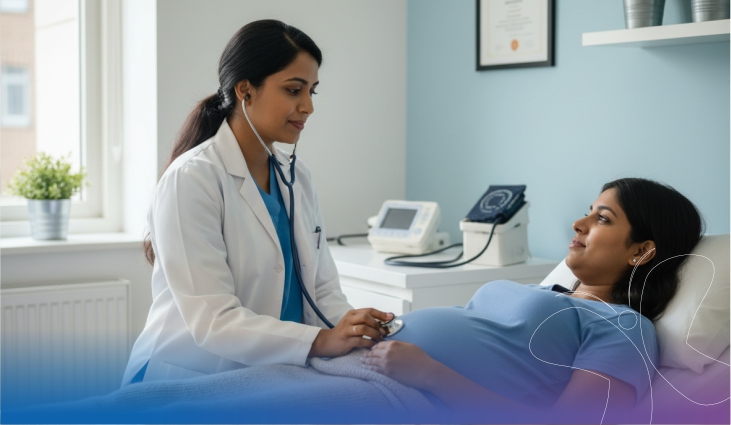
Every woman lives a different life, carries a different stress pattern, and has a different medical history. That’s why gynecological care should never feel rushed or mechanical. Some problems need medication. Some need observation. Some improve when lifestyle and health habits are corrected — slowly, steadily, with guidance.
Good treatment isn’t just about prescribing. It’s about understanding the woman sitting in front of the doctor.
Why Early Consultation Protects Long-Term Health
Most women seek help when symptoms finally become unbearable. The truth is — it shouldn’t have to reach that stage. When concerns are addressed early, treatment is simpler, recovery is smoother, and health outcomes are far better.
Women shouldn’t have to live in doubt, discomfort, or silence.
Timely evaluation, clear explanation, and supportive medical care create a healthier path forward — not just for now, but for years to come.