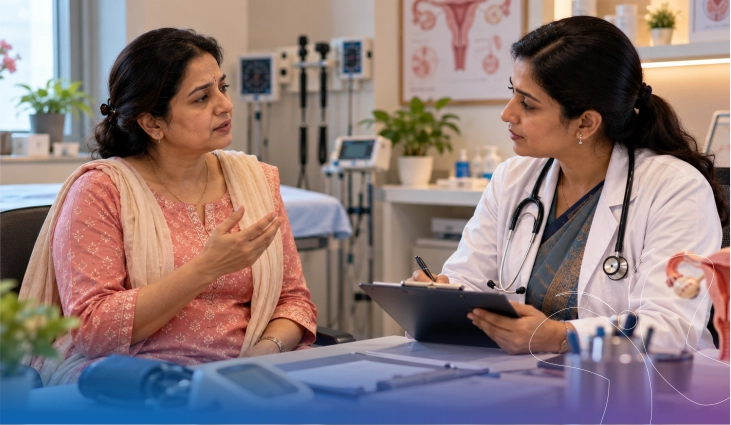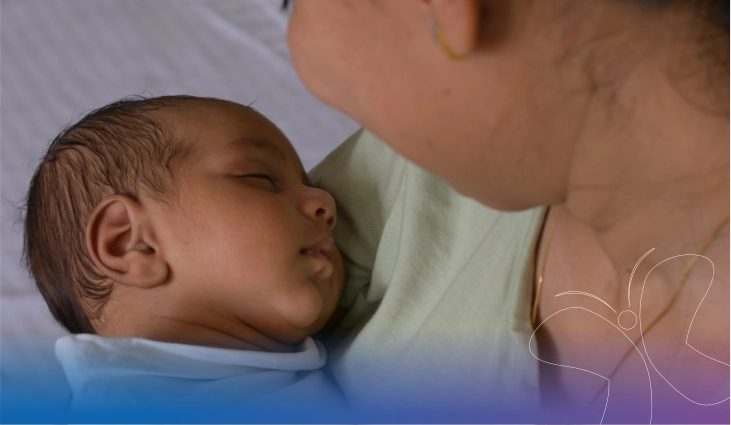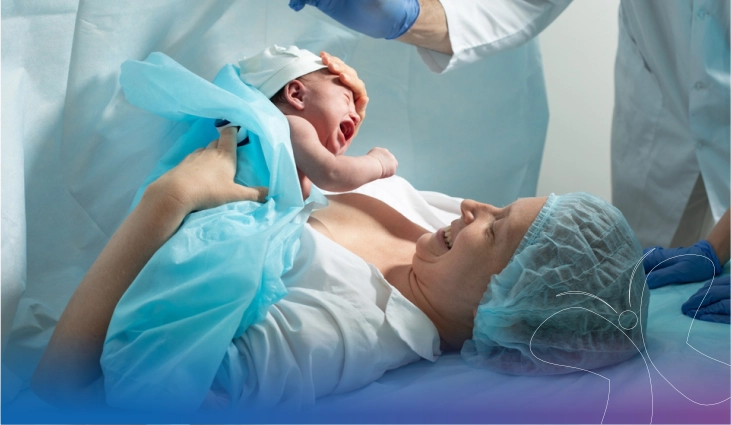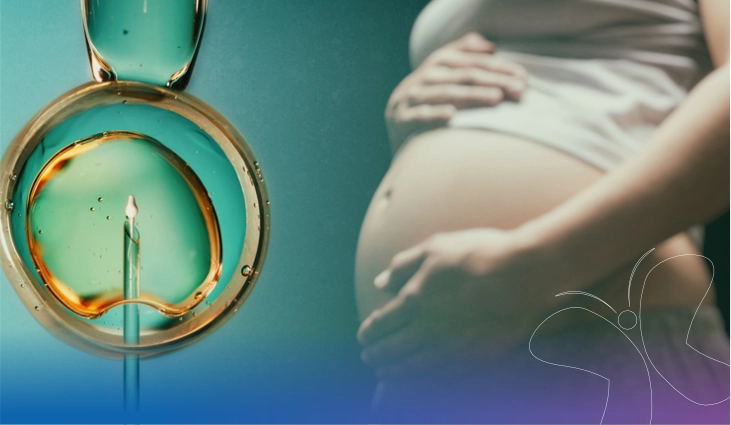
When a mother and her family start thinking about delivery, the questions that come up are rarely medical in tone. They sound more personal. How will labour feel, what if something changes at the last minute, who will be there in the room, and whether both mother and baby will come out safe. These thoughts usually begin weeks before the due date, and they don’t disappear until the baby is in the mother’s arms. That is where supportive Birthing Services matter, because the experience of childbirth is shaped as much by guidance and reassurance as it is by medical treatment.
How Doctors Help Families Decide Birthing Options
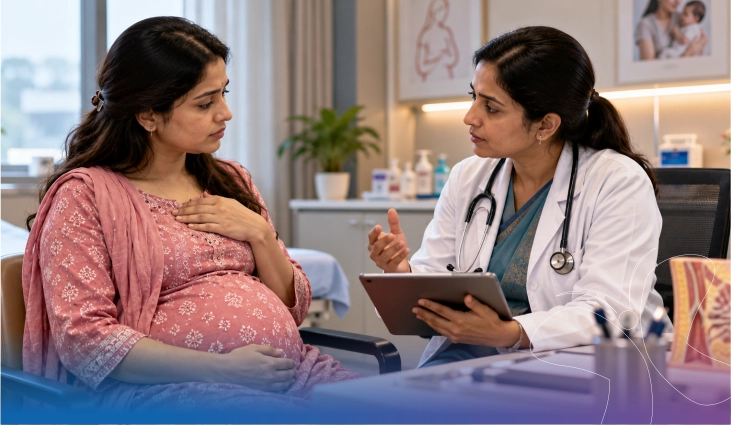
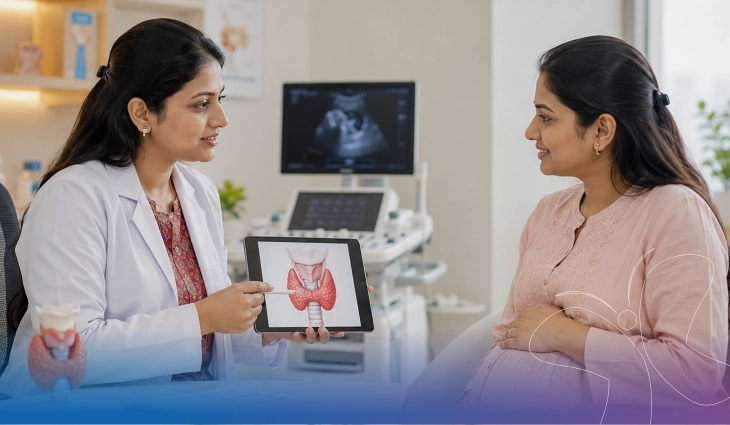
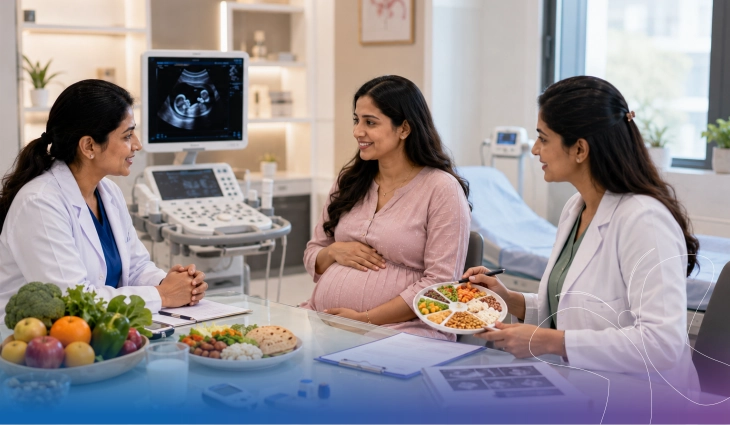
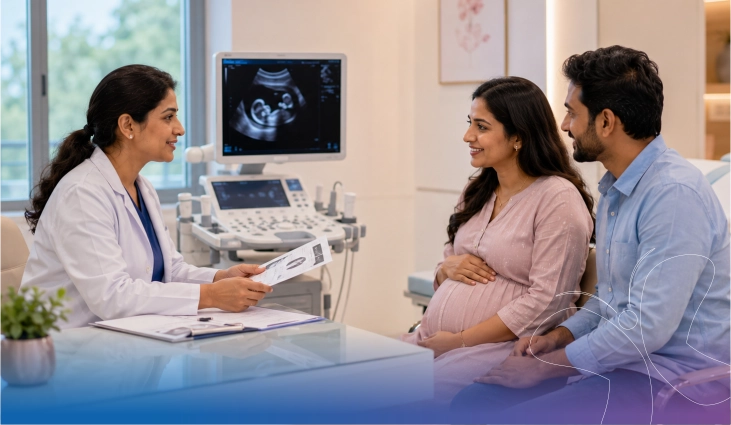
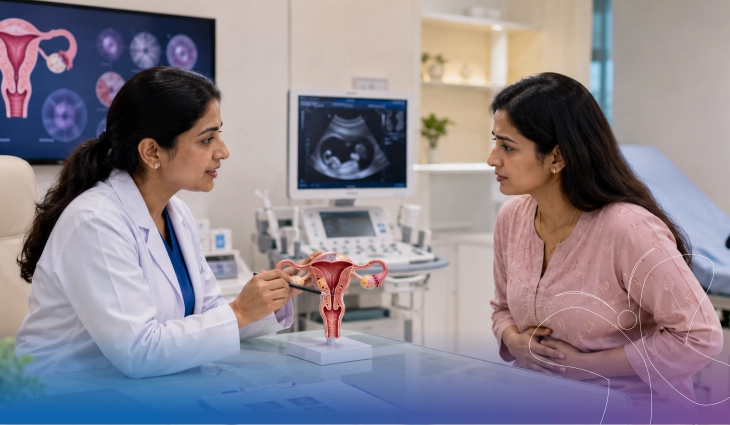
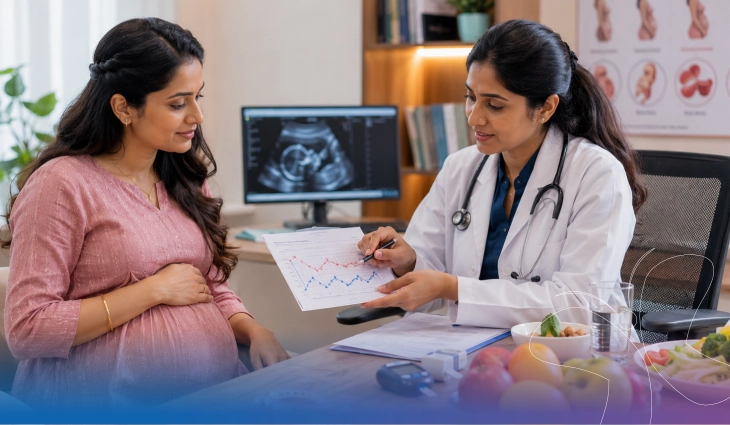
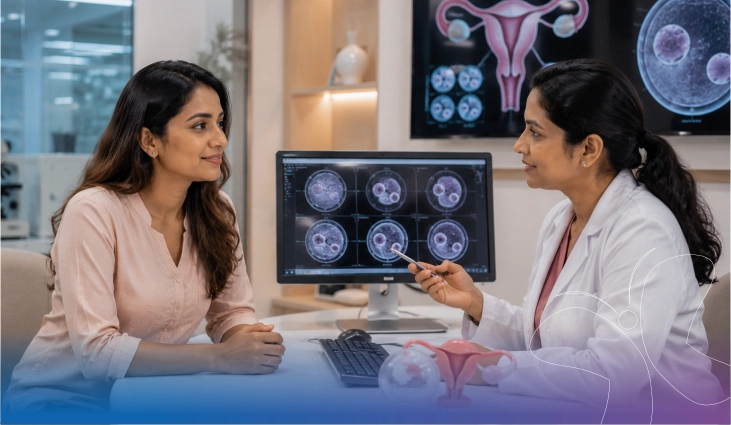
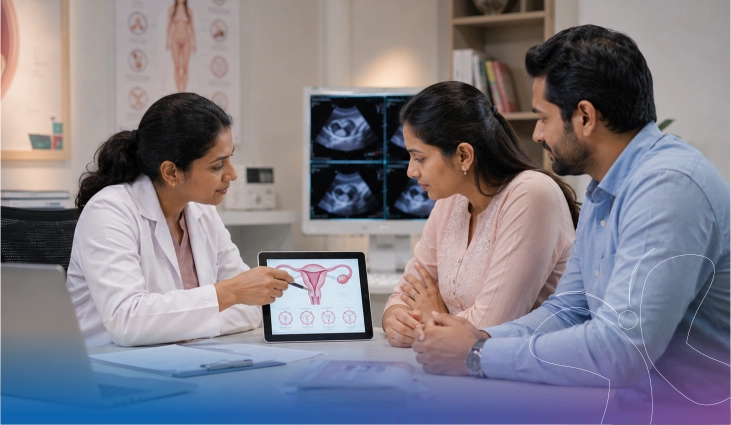
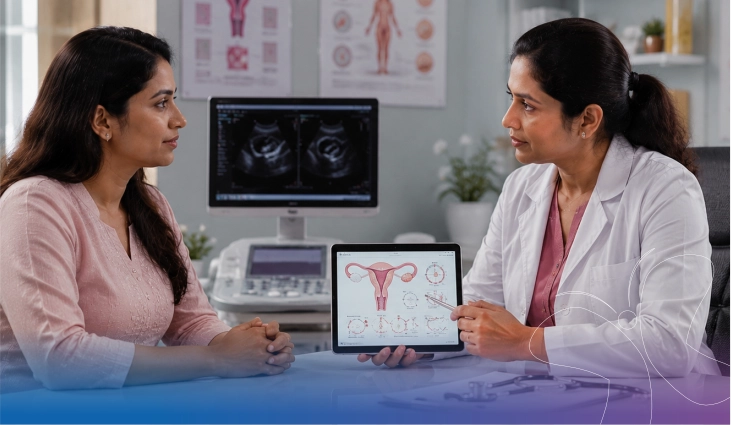
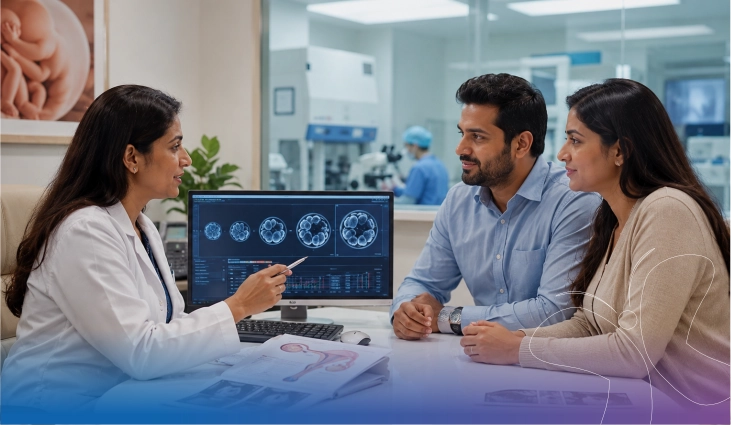
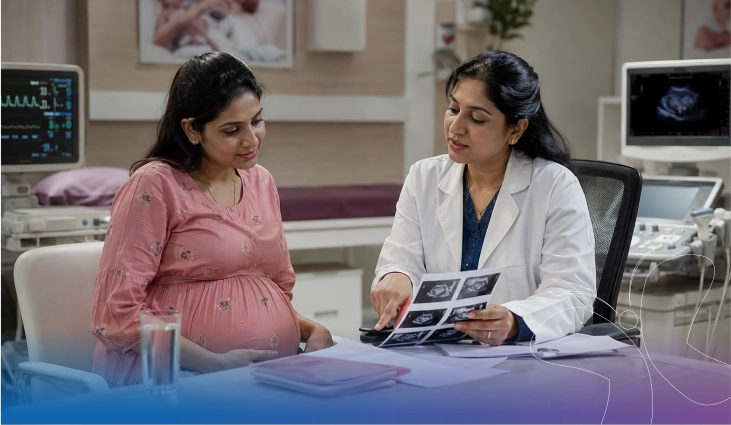
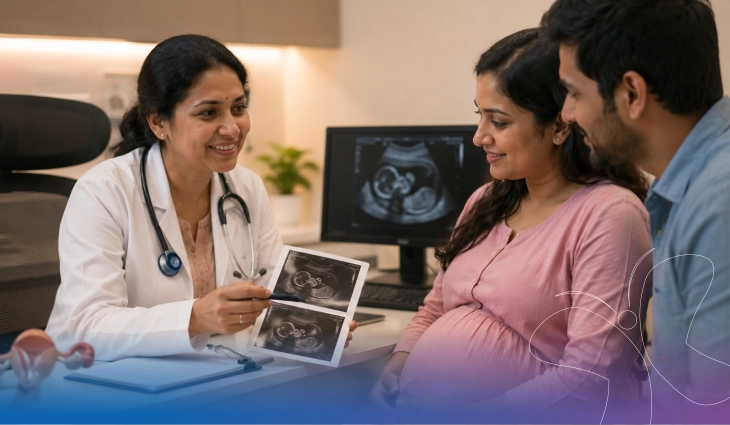
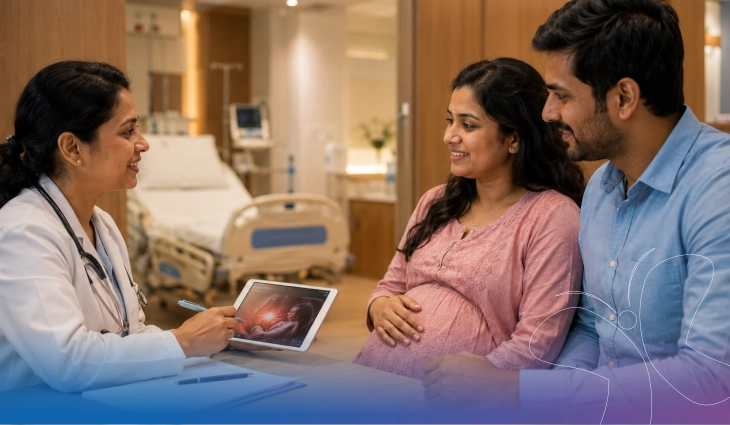
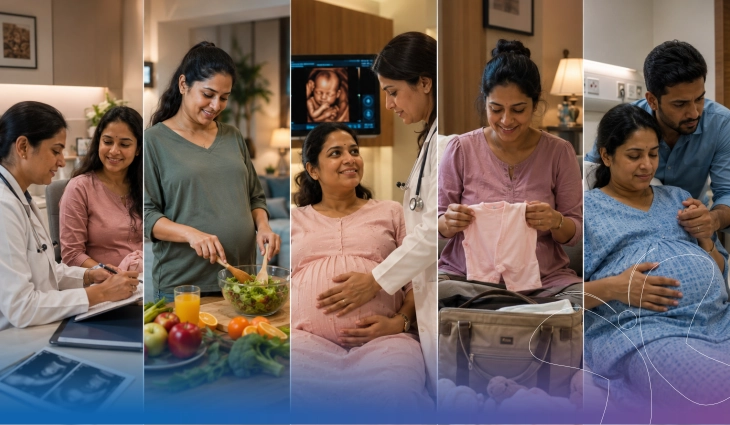
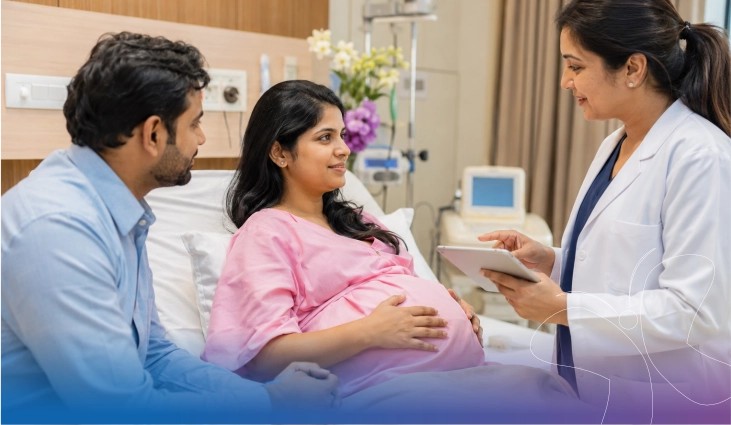
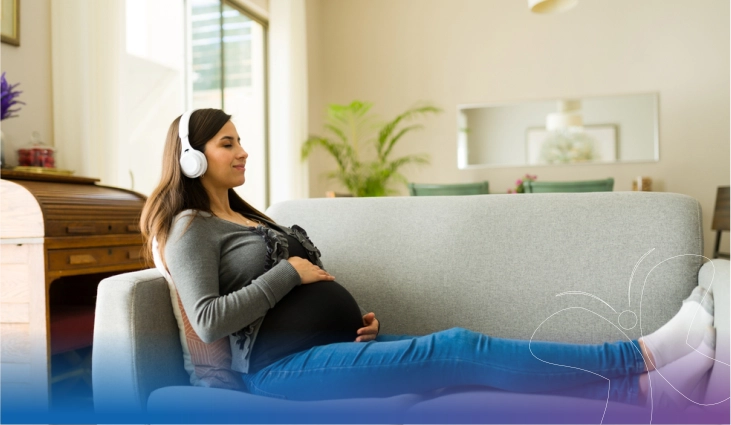
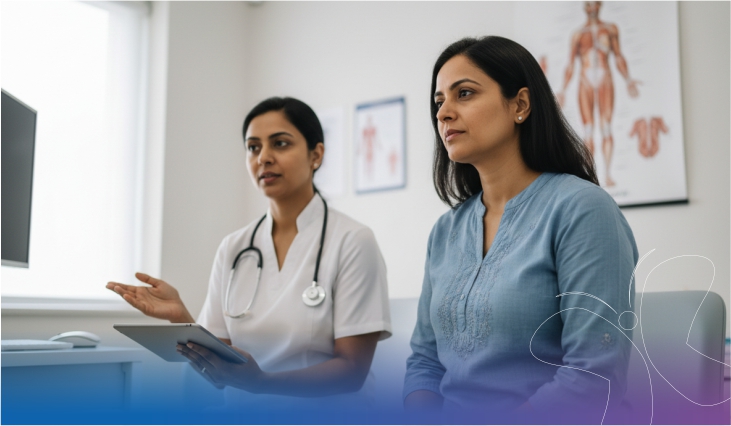
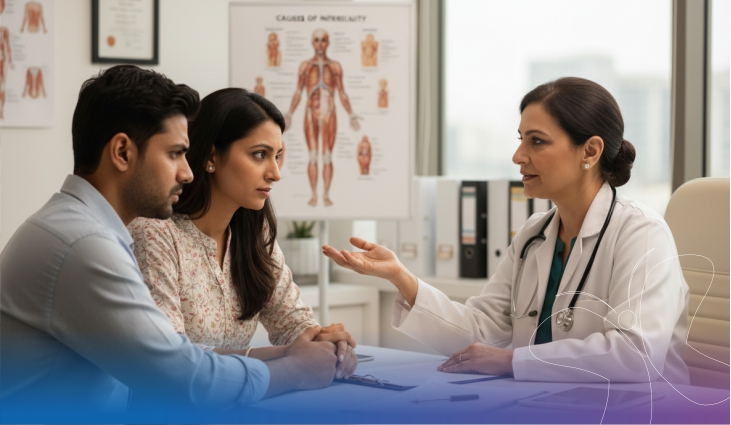
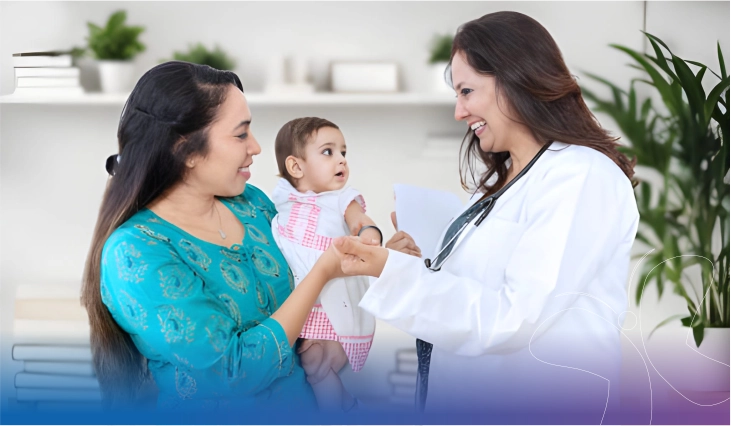
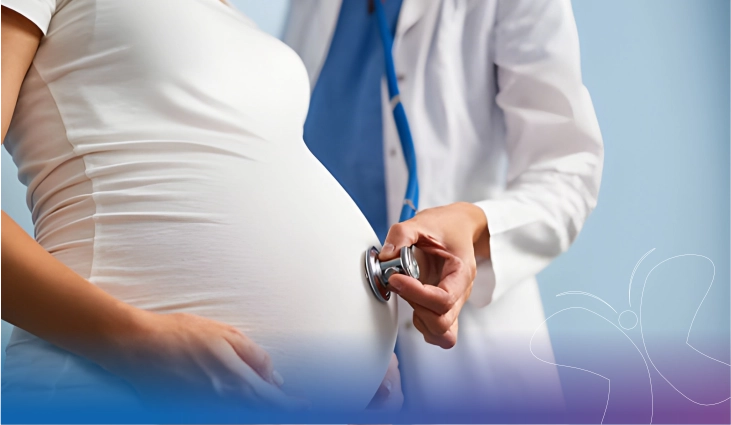
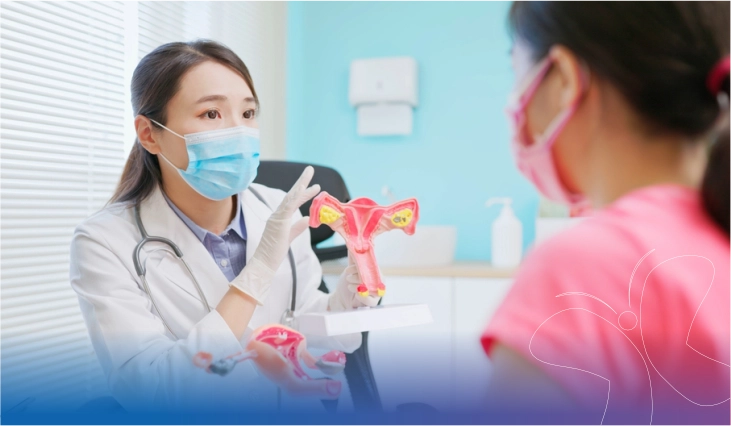
No pregnancy unfolds in exactly the same way, and that is the reason birthing plans are never copied from someone else’s story. The decision starts forming slowly — during checkups, scans, and quiet discussions about how the pregnancy has progressed so far. Some mothers reach full term with everything looking stable. Others may need more careful monitoring.
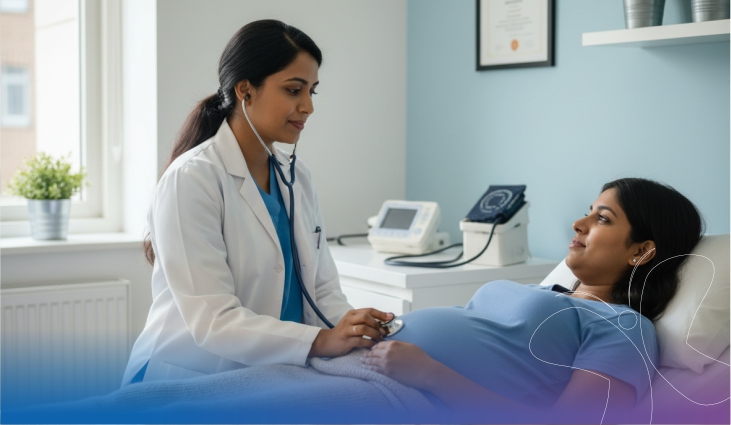
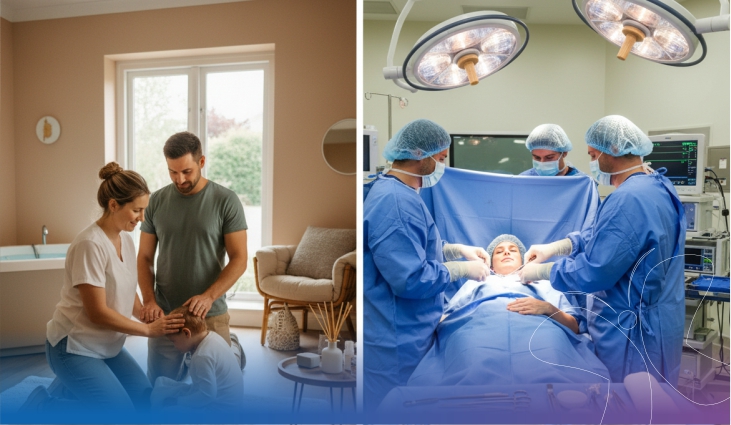
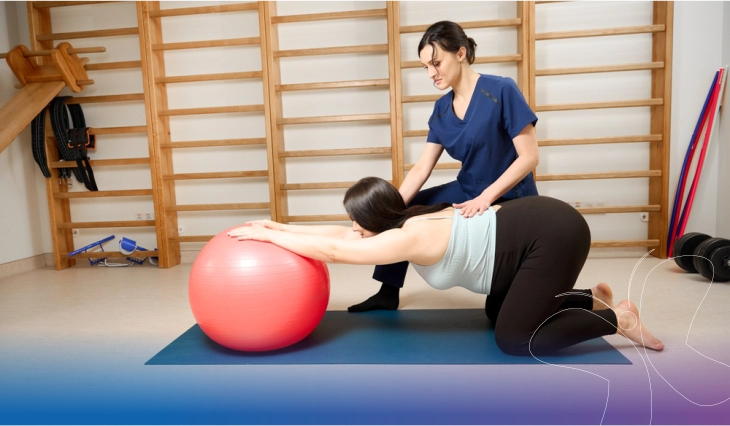
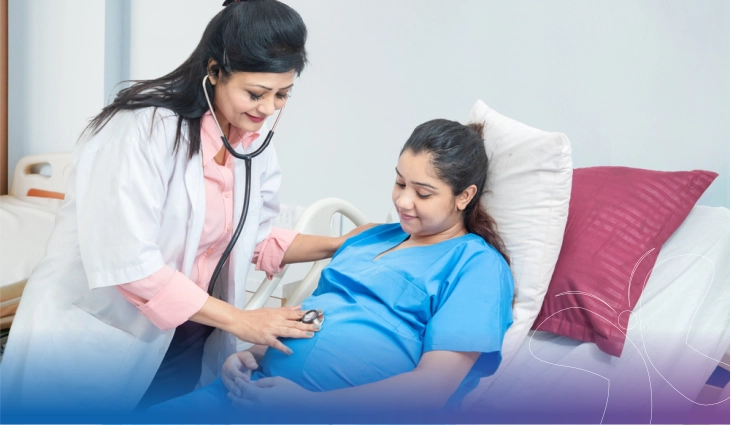
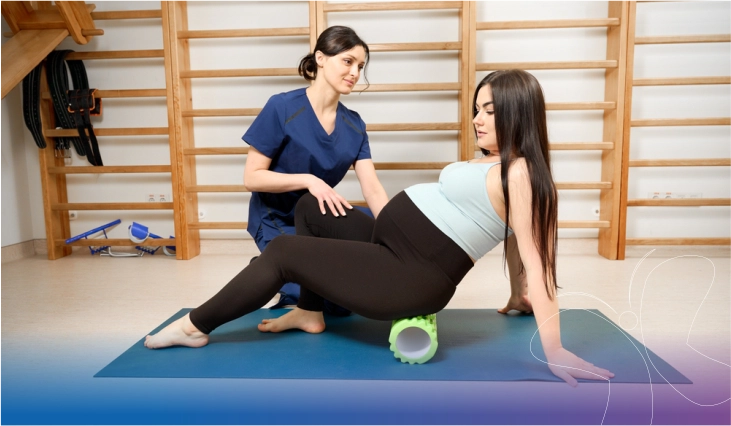
When conditions are favourable for vaginal birth, the focus shifts toward preparing the mother for labour rather than frightening her with assumptions. This is where Normal Delivery Care becomes meaningful in a real sense. The mother is guided through what contractions may feel like, how breathing helps her conserve strength, and why staying calm allows the body to cooperate better. The team keeps watch on the baby’s well-being, but they also keep talking to the mother, because silence in that moment feels heavier than pain.
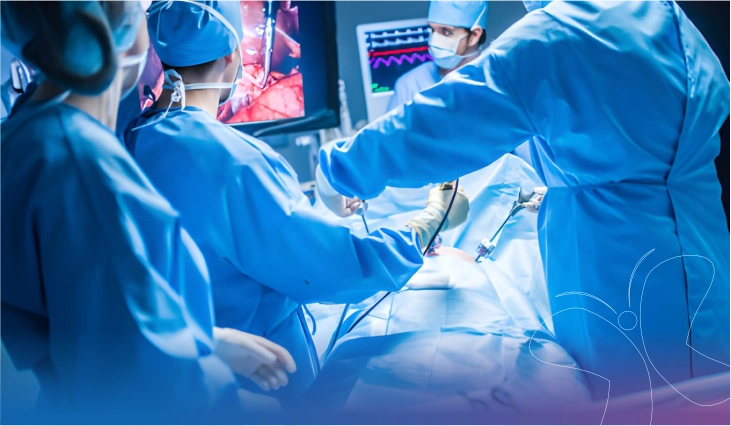
There are also times when the situation turns in a different direction. Maybe the baby’s position is not ideal, maybe heart rate patterns change during labour, or maybe the mother’s health makes long labour unsafe. In such cases, a C-section is not presented as defeat or failure. It is explained gently as a safer path chosen for the right reasons and at the right time. Families usually realise in that moment that childbirth is not about forcing one method — it is about protecting two lives.
What The Delivery Process Feels Like Inside The Hospital
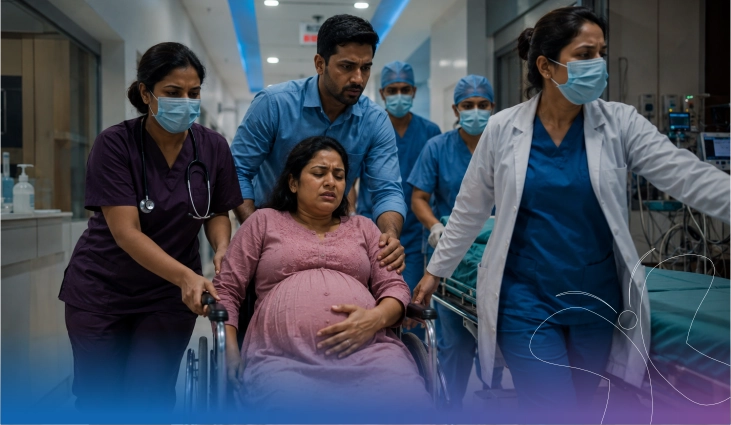
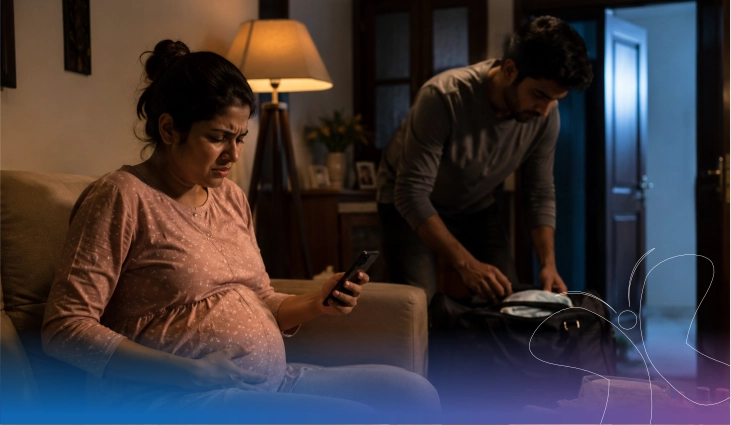
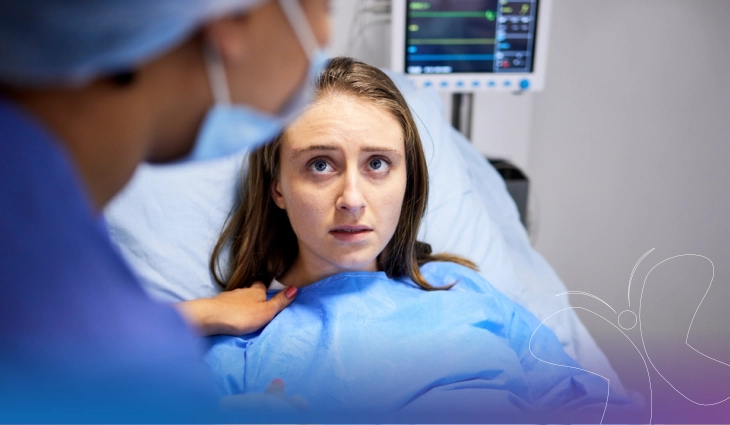
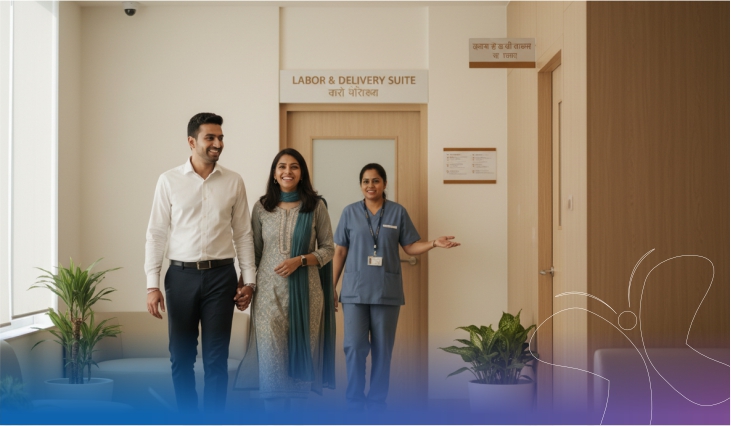
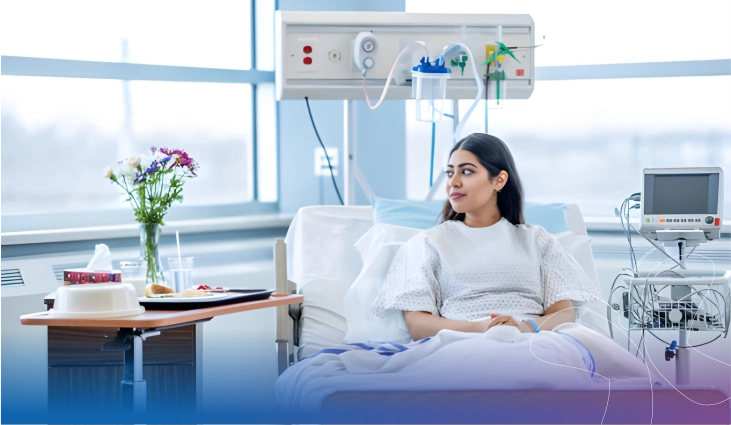
Labour rarely feels like a dramatic turning point that begins in one second. For many women, it starts quietly — discomfort in the back, irregular cramps, or the sudden worry of water breaking. When the mother arrives at the hospital, the first few minutes matter a lot. She needs calm voices, steady assessment, and someone to help her breathe through the anxiety that comes before the pain.
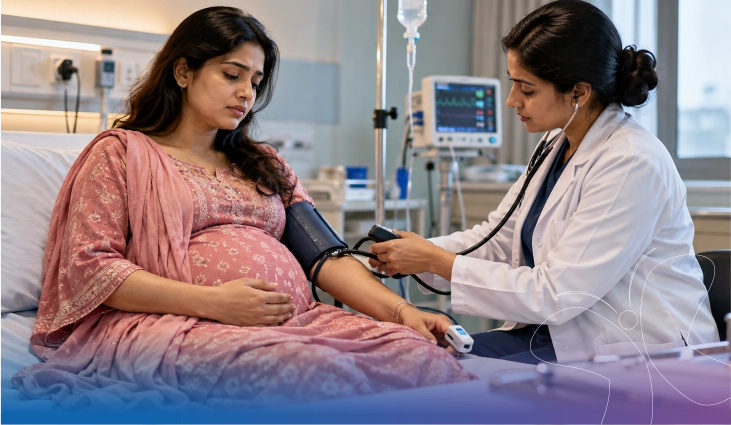
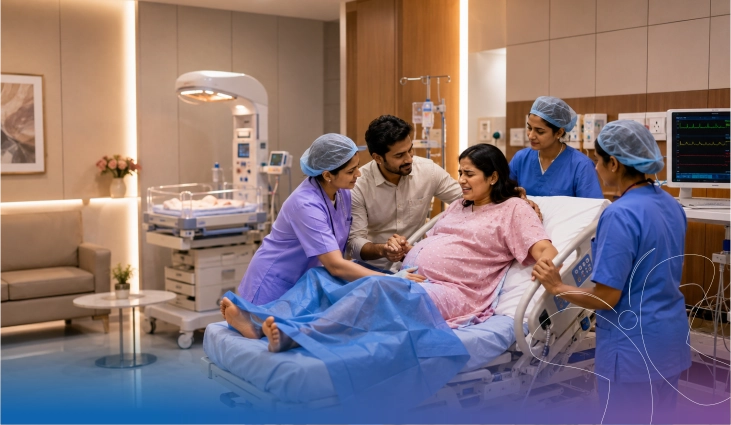
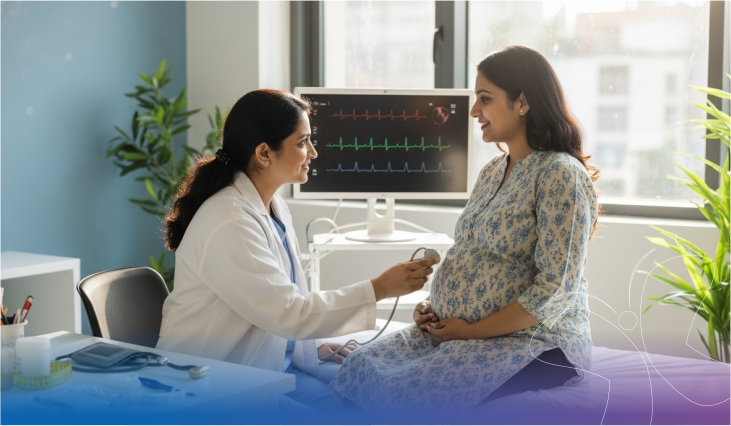
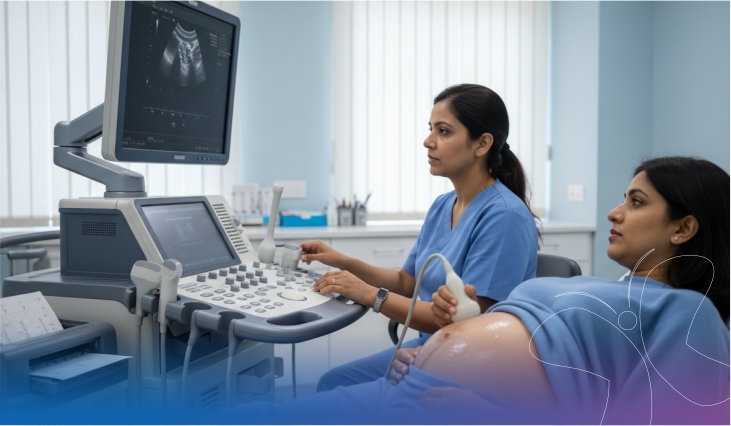
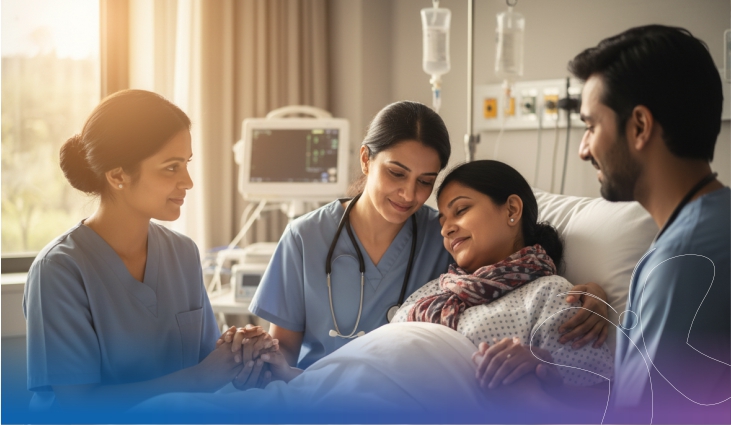
Inside labour room, the atmosphere is serious but humane. Machines track contractions and the baby’s heartbeat, but the team also reads subtle details like the mother’s expression, her energy, her response to each contraction. Some phases stretch longer than expected, others move faster. There are emotional moments, and there are silent ones. The difference is made by how consistently the team stays present.
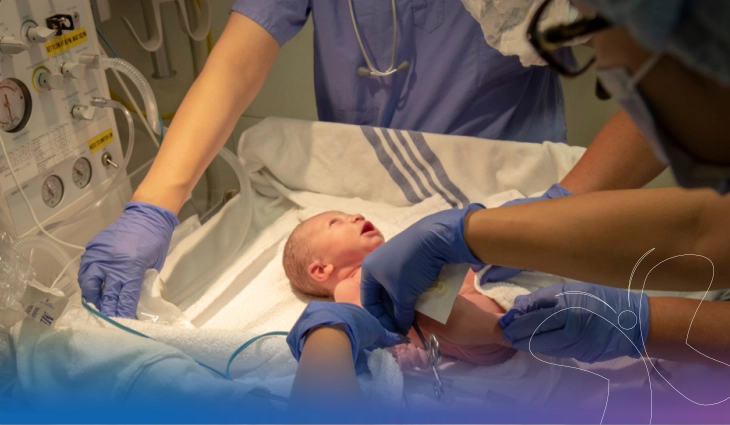
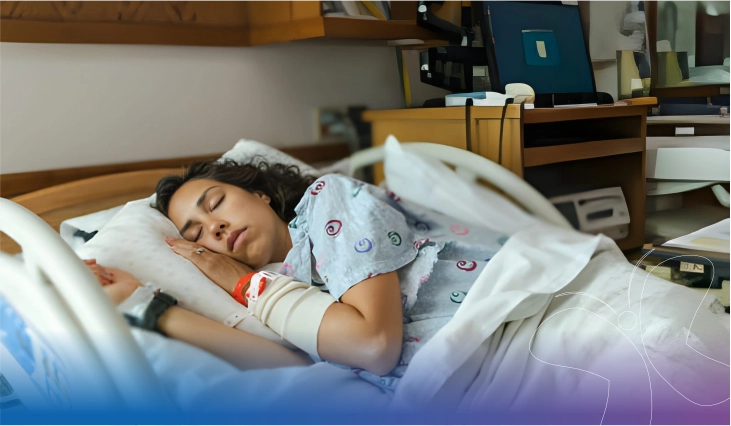
If labour continues to move forward safely, it is allowed to progress naturally. When the slightest sign suggests otherwise, the plan is changed early rather than dramatically late. After delivery, the baby is assessed, and the mother enters the first few hours of recovery — tired, emotional, relieved, and still processing the experience that just unfolded.
Hospital Support And Facilities That Shape The Birth Experience
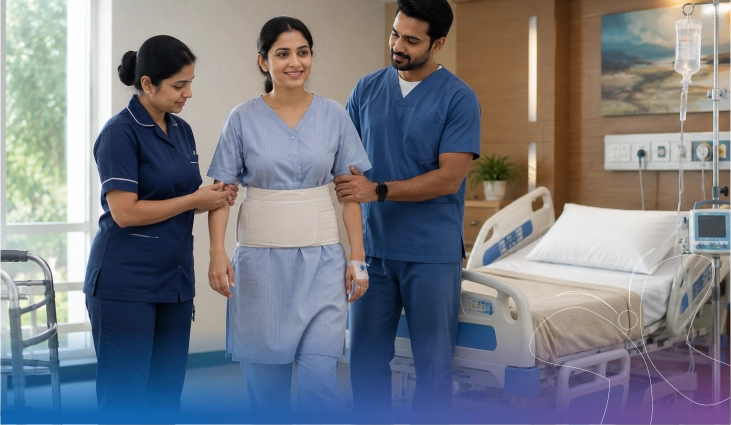
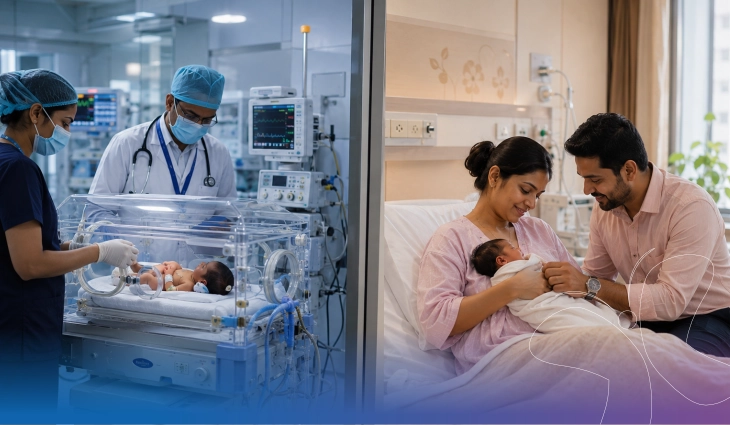
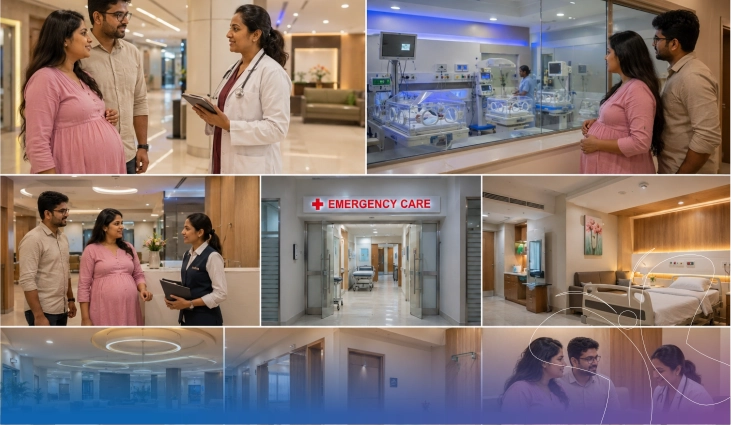
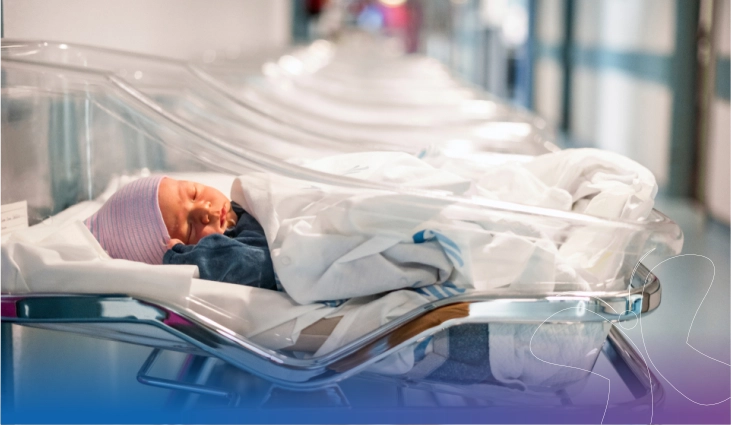
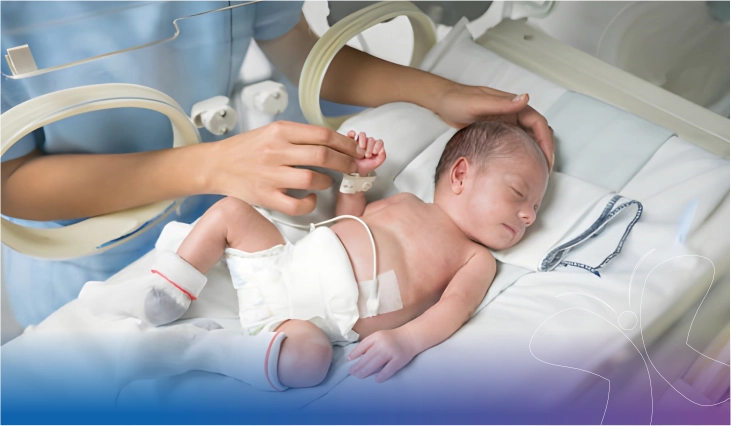
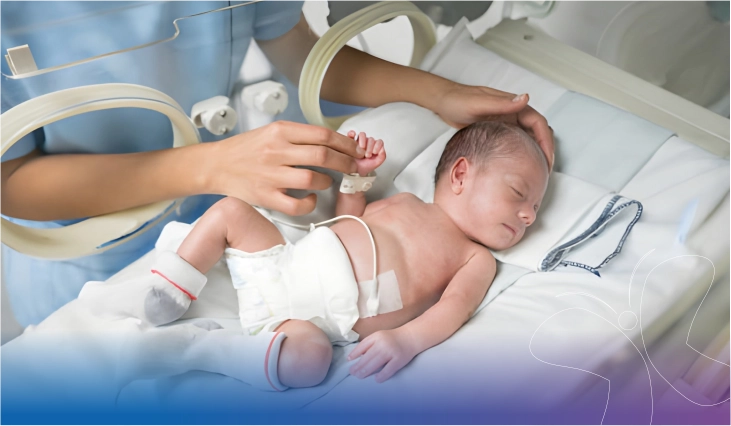
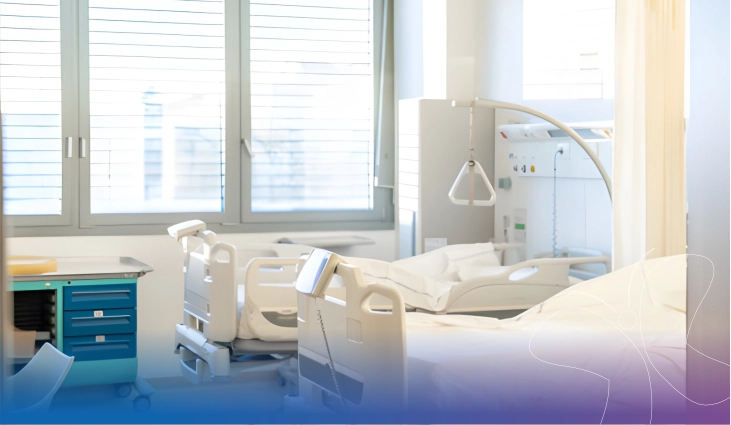
Families often realise during delivery that hospital facilities are not only about equipment or rooms. They are about coordination, preparedness, and the way different teams work together without chaos. A well-equipped labour room, neonatal support available when required, access to emergency care, and a staff that communicates clearly create a sense of safety that cannot be replaced by ambience alone.
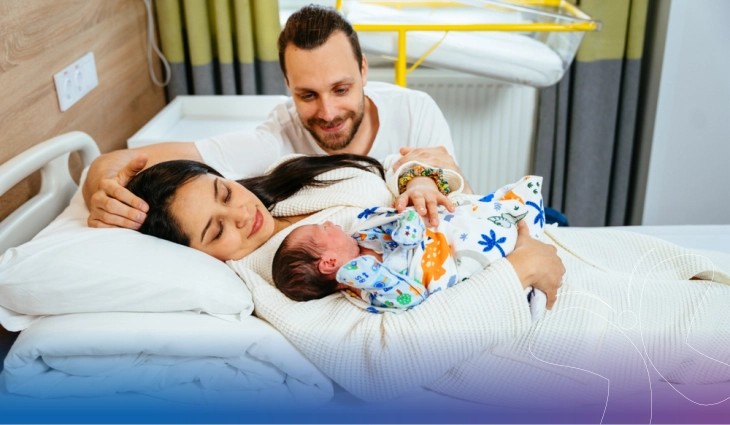
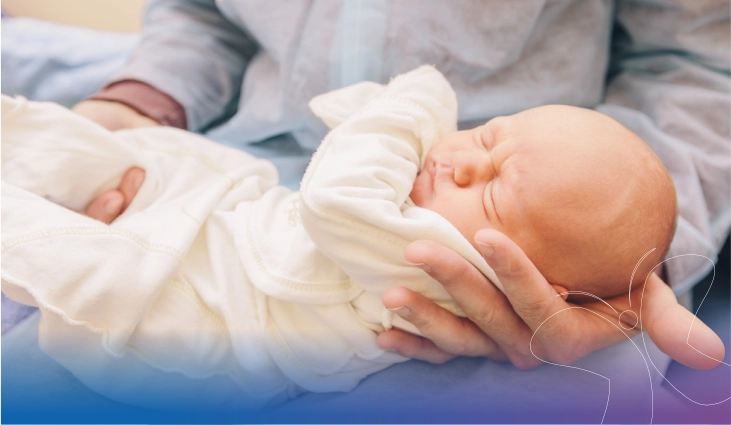
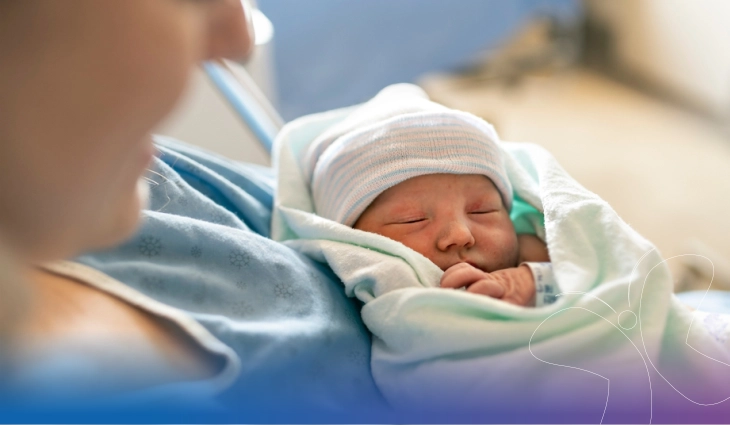
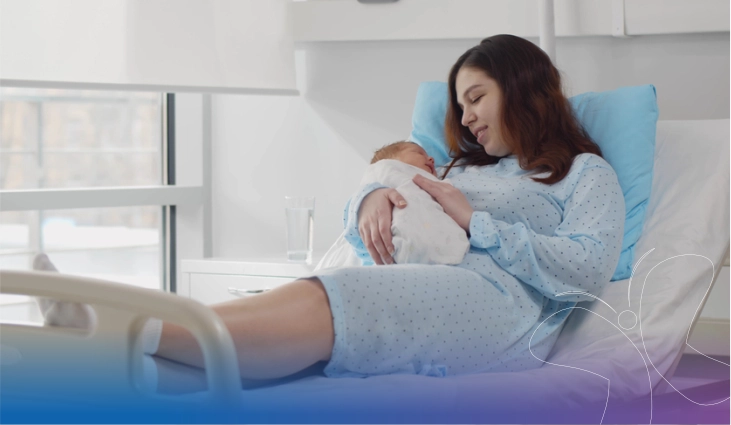
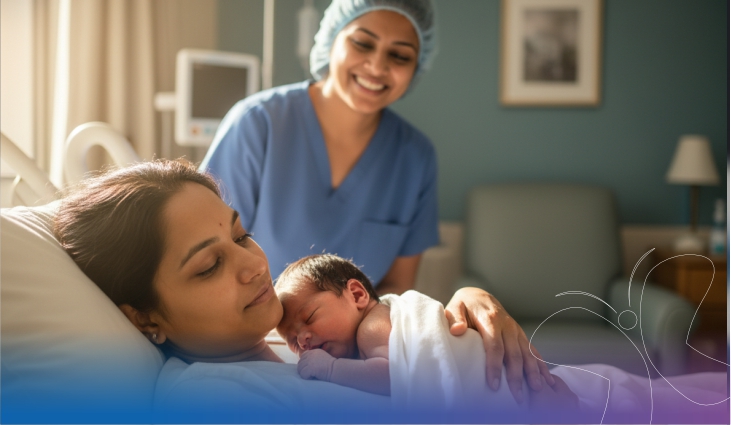
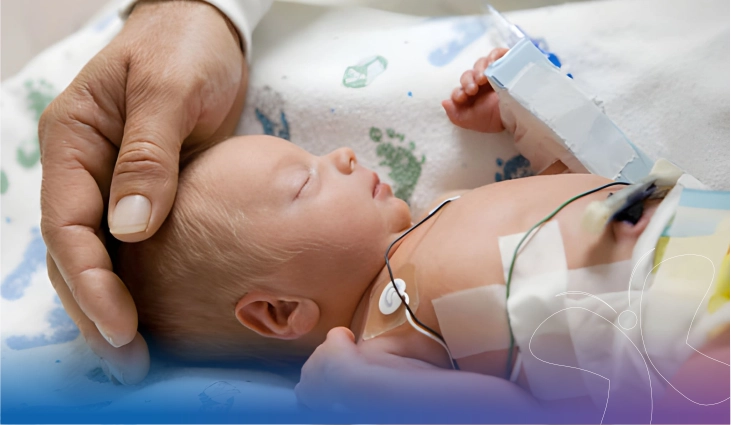
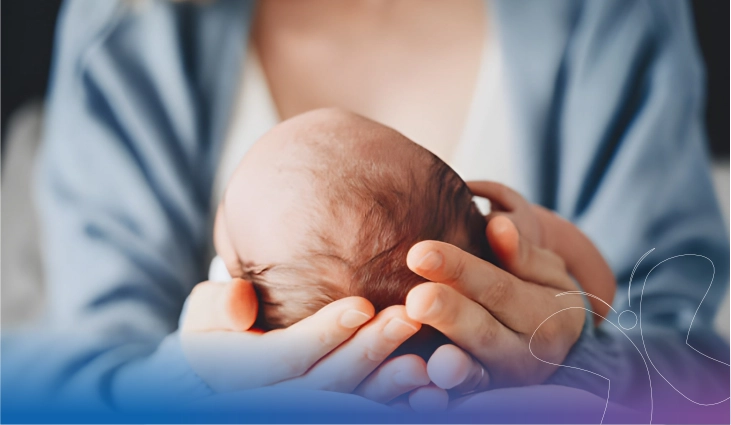
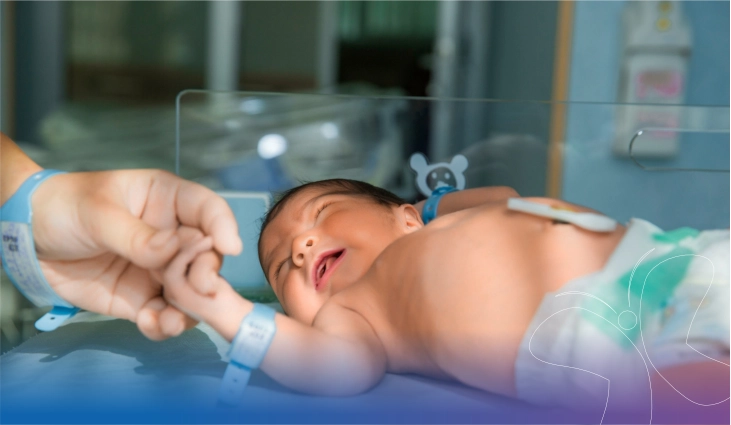
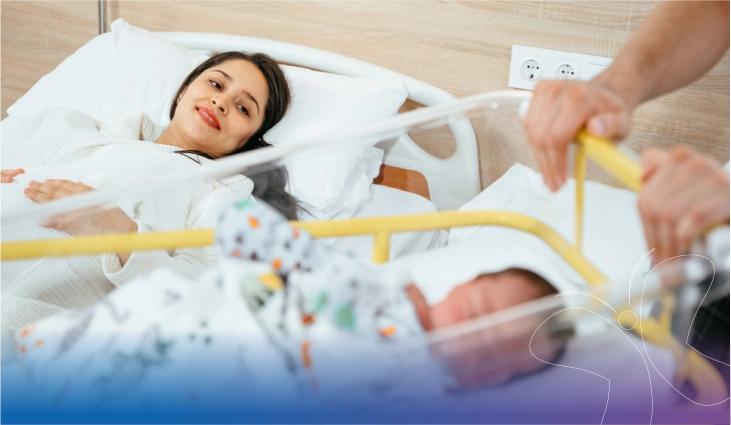
Privacy during labour, gentle handling, and patience after birth quietly influence how the entire experience feels. Once delivery is complete, recovery is not rushed. The mother is guided slowly, breastfeeding support is offered when needed, and the baby is monitored with attentiveness rather than alarm.
Why Safety Remains The Core Principle
Through every stage of labour and recovery, one idea stays constant — Safe Childbirth. Safety is not defined only by avoiding complications. It is defined by noticing changes early, acting before things become urgent, choosing the birthing route that protects the mother and baby the most, and ensuring they leave the hospital stable, reassured, and emotionally at ease.
In the end, a good birth story is not about how dramatic the delivery looked from the outside. It is about how confidently the mother moved through the process, how clearly the family understood each decision, and how steadily the medical team stood beside them when it mattered the most.