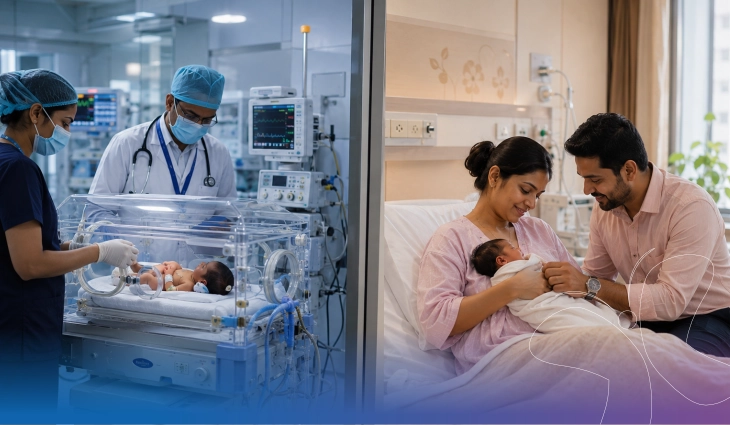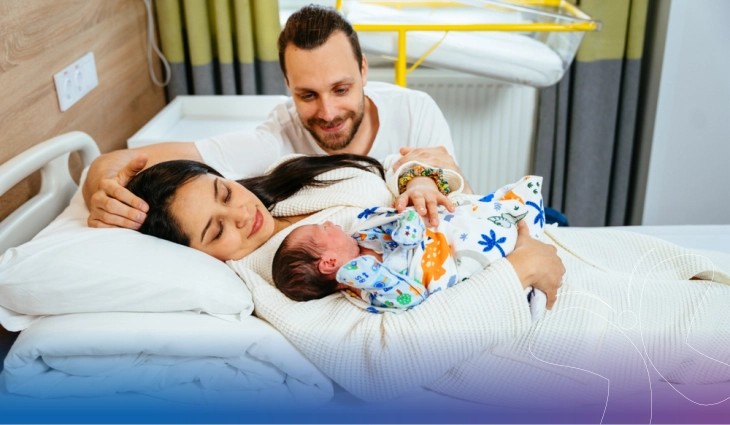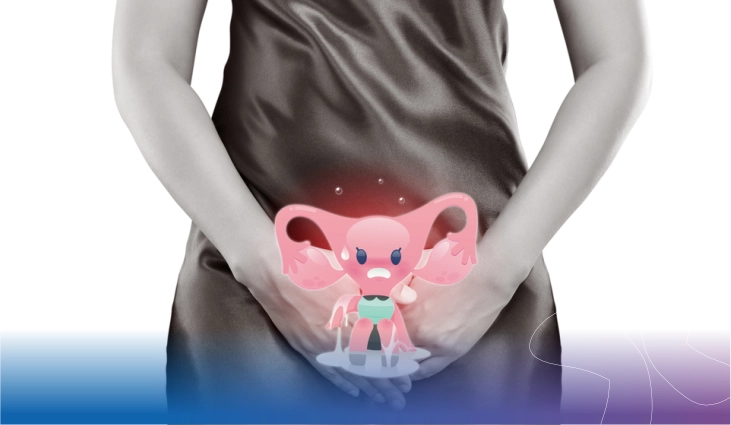
Couples don’t usually arrive at the idea of IVF in the very beginning. It happens after months of trying, after hopes going up and down, and after the kind of silent stress that most people around them never really notice. When they finally sit in front of a doctor and hear about IVF Treatment, they aren’t just asking “what is the procedure.” They want to know what this journey feels like, whether it’s worth taking, and whether someone will actually guide them through it and not just treat them like a case.
How the IVF process actually feels — not just how it is written in reports
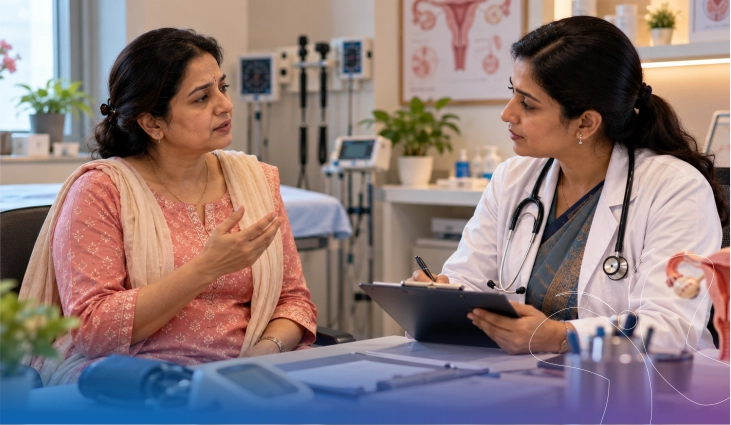
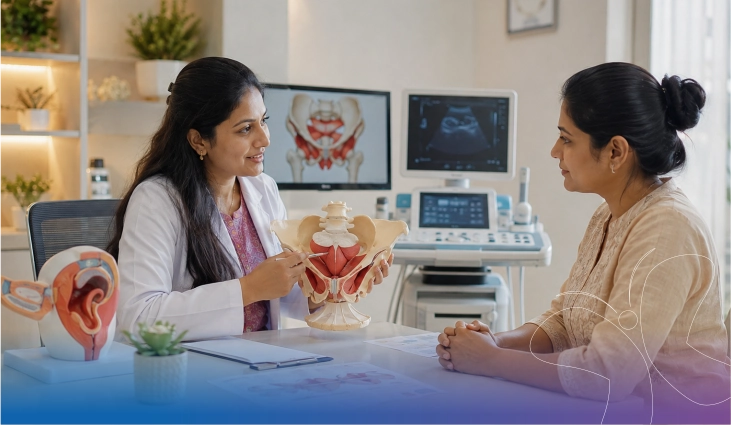
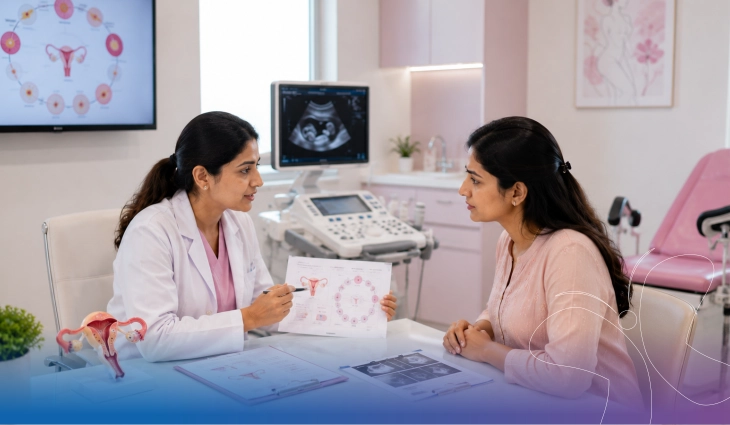
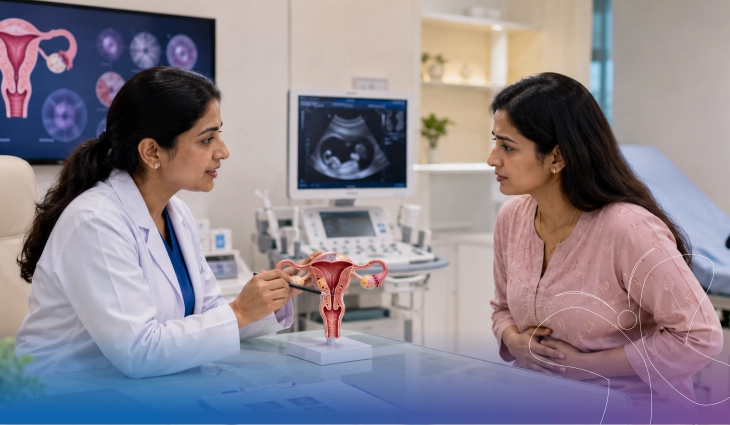
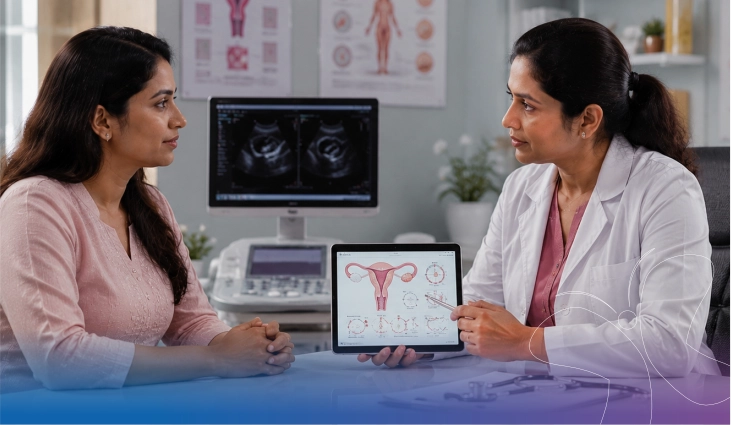
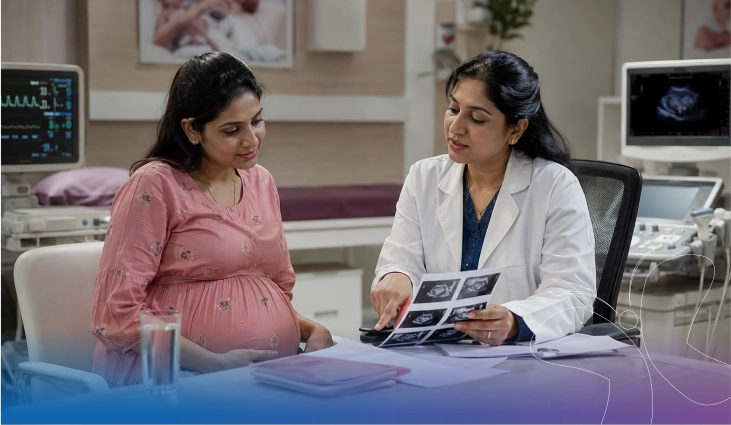
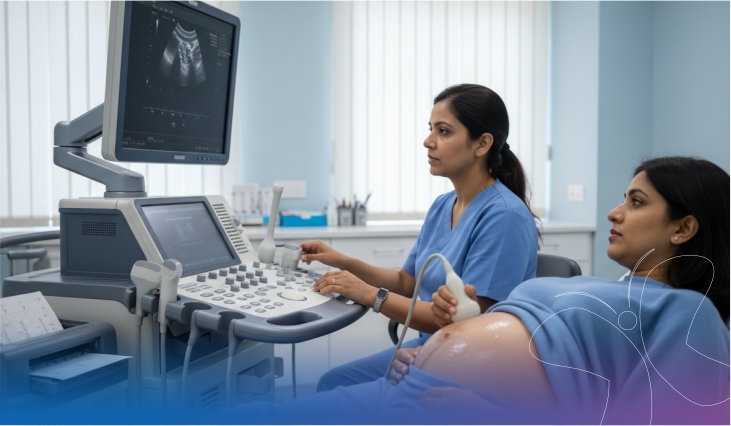
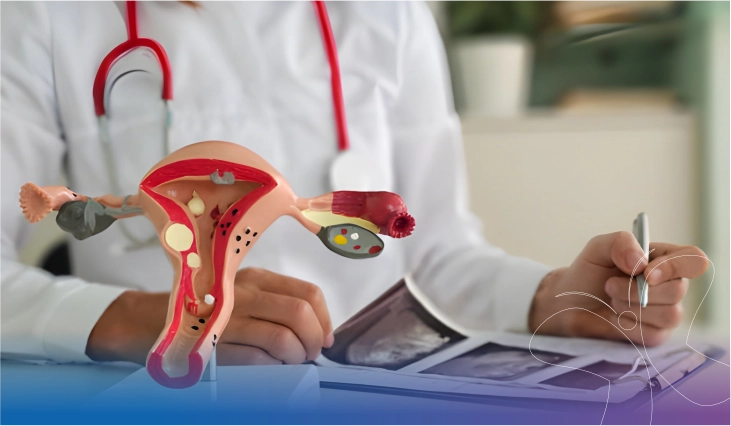
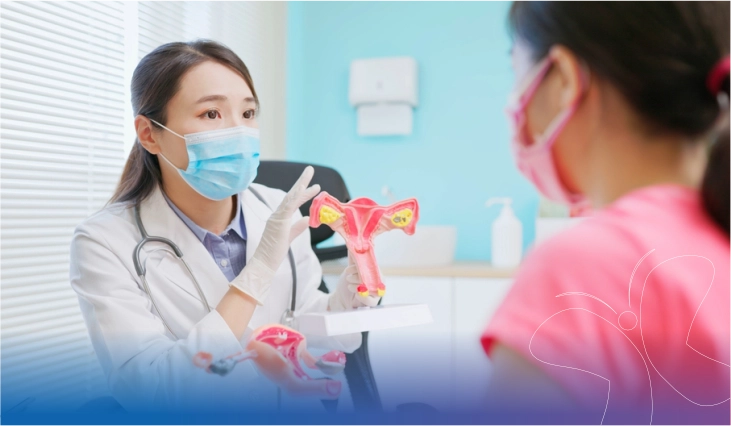
IVF doesn’t really “start” in the lab. It starts with the first conversation. The couple talks about how long they’ve been trying, what they’ve gone through already, and what scares them the most. The doctor looks at reports, scans, hormones, egg reserve, sperm health — but also tries to understand the story behind those reports.
Once everything is understood, treatment begins slowly.
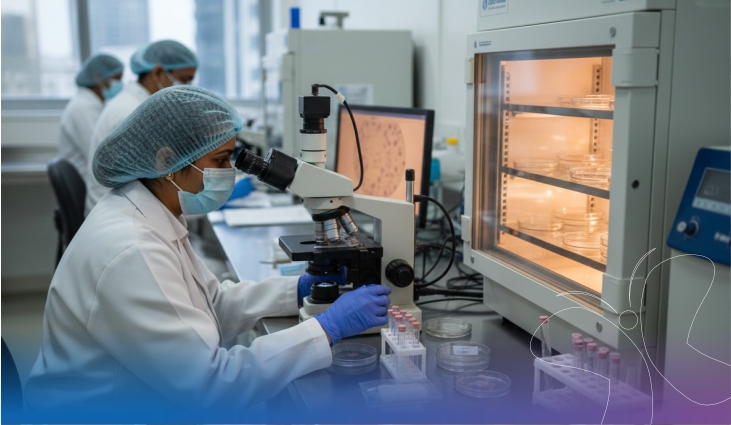
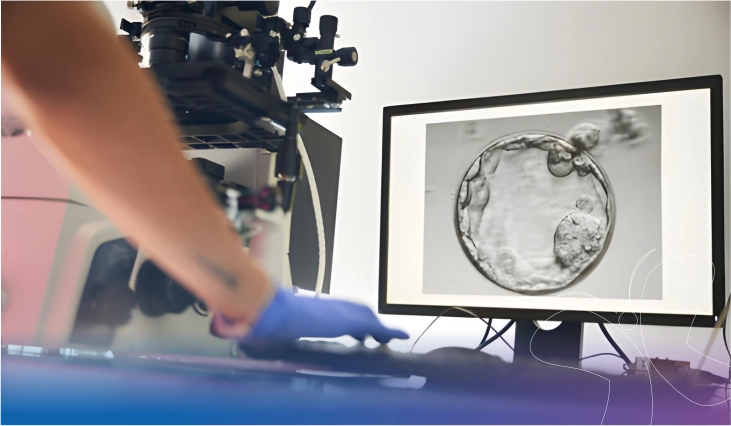
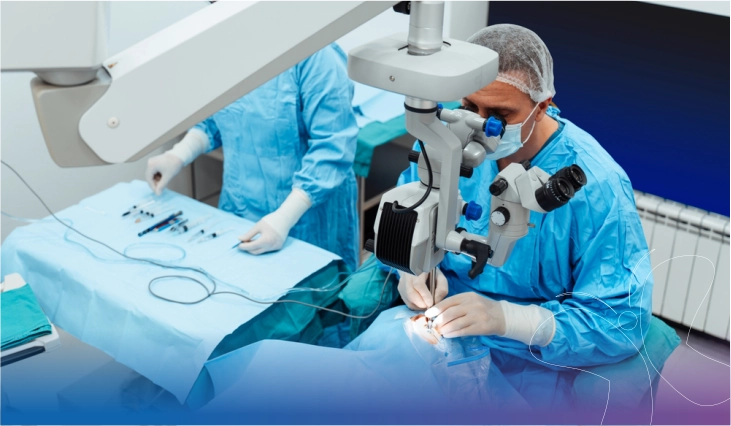
Medicines help the ovaries produce more eggs than usual. The eggs are collected carefully. In the lab, they are combined with sperm so embryos can form. Those embryos are watched, day by day, until one looks ready to be placed back in the uterus.
On paper it sounds organised.
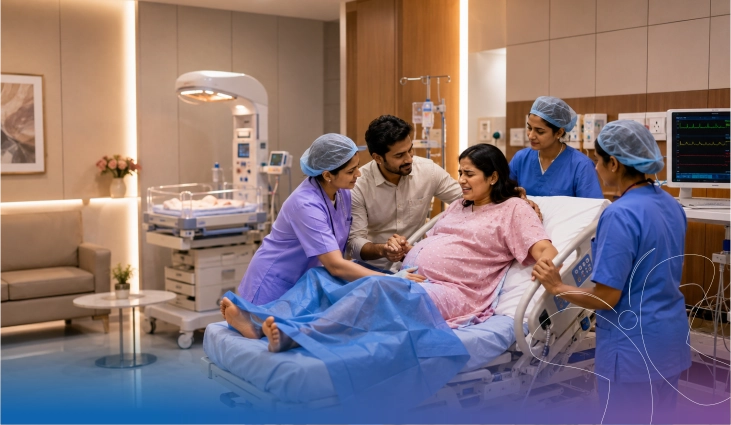
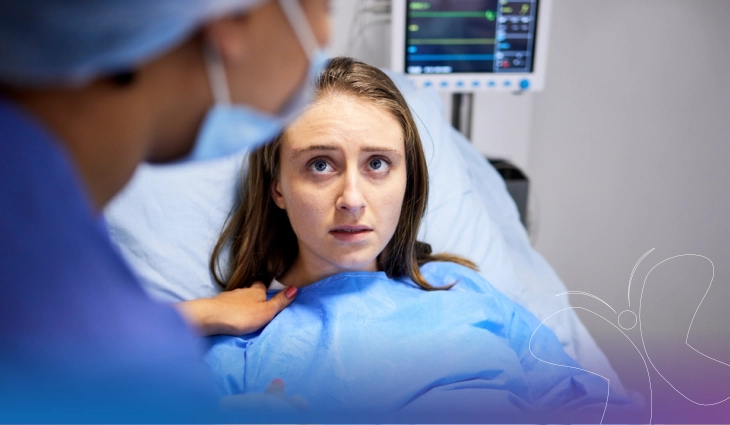
In real life, there are doubts, pauses, small fears, and a lot of waiting. Especially after embryo transfer — that period feels endless. Every sensation makes the couple wonder whether things are going right or wrong.
The hardest part is not always injections. It’s the silence between steps.
A good team doesn’t disappear during that silence.
About success rate — the honest answer couples deserve
Almost every couple asks — “What are our chances?”
There is no single number that fits everyone. Chances depend on age, egg and sperm quality, past history, uterine condition, and sometimes just how the body responds in that particular cycle.
Younger couples usually have better chances. Some couples need more than one attempt.
IVF brings hope. But it is not a promise.
Honest counselling means telling couples that success may take time — and that one cycle does not define the journey.
When IVF becomes the right decision — and when it doesn’t
Not everyone who visits a fertility clinic needs IVF. Some conceive with simpler treatments. IVF is suggested when natural conception is unlikely or repeatedly unsuccessful — blocked tubes, severe sperm issues, unexplained infertility, failed earlier treatments, age-related decline.
The real question is — does IVF genuinely improve this couple’s chances compared to other Infertility Solutions?
If yes, IVF becomes a meaningful next step — not a desperate last move.
Clearing the myths that still confuse families
The phrase Test Tube Baby is one of the biggest reasons people fear IVF. Many imagine something artificial or unnatural.
Only fertilisation happens in the lab.
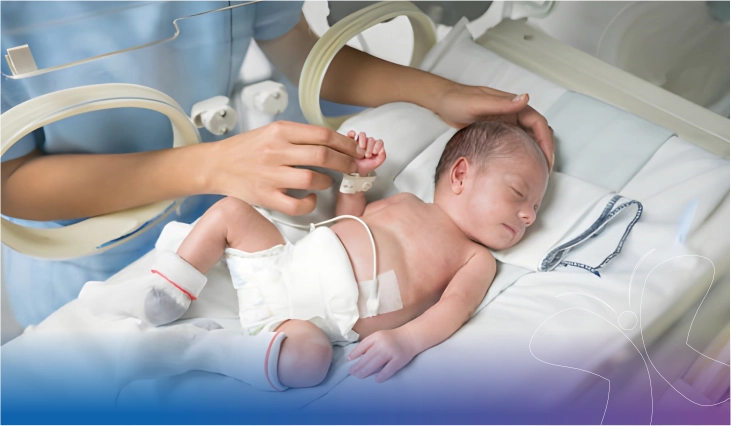
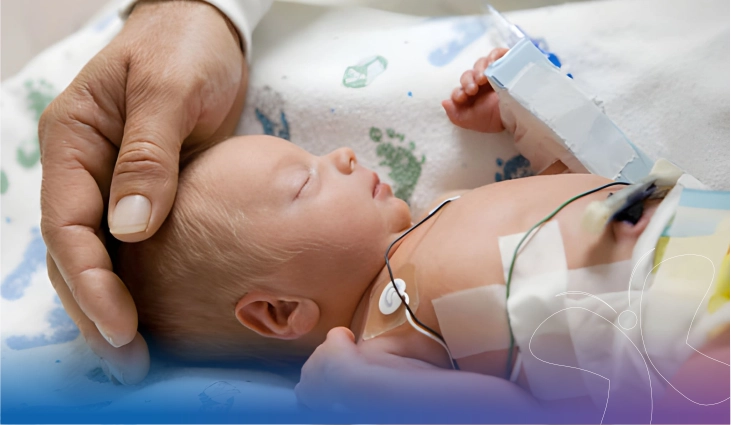
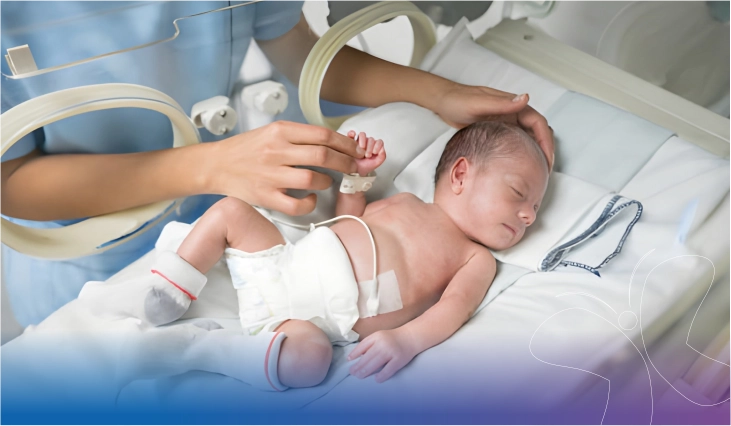
The baby grows inside the mother’s womb. Naturally. Like every other pregnancy.
Another common myth — IVF always leads to twins. Modern practice actually aims for one healthy pregnancy, because safety matters more than excitement.
People also assume IVF is extremely painful or risky. Most of the time, procedures are controlled, monitored, and medically safe. What feels heavier is the emotional load — not the physical part.
The emotional side of IVF — the part no one asks about
Couples carry guilt, pressure, self-doubt, and fear — quietly. Some feel like they “waited too long.” Some feel judged by family or relatives. Some blame themselves without any reason.
IVF is science — but it is also vulnerability.
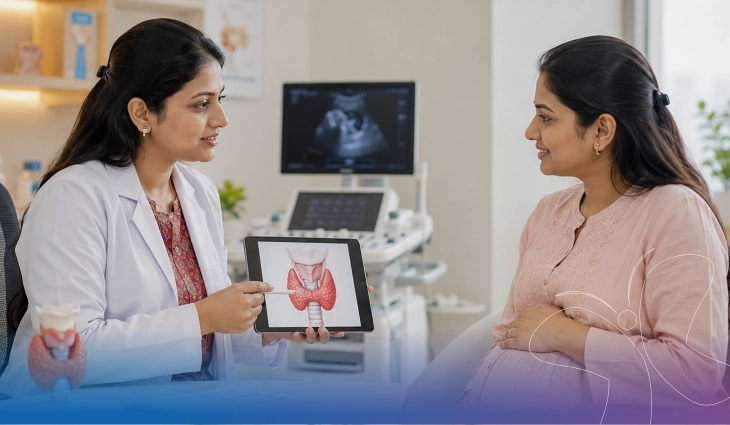
That is why the right care doesn’t end at treatment planning. It involves listening, slowing things down when needed, explaining every step without hurry, and making sure the couple never feels alone during the waiting phase.
Moving ahead with hope — but also with clarity
IVF has helped many couples become parents — but the journey feels healthier when decisions are made calmly, expectations are realistic, and care remains compassionate instead of rushed.
Hope matters. But honest guidance matters more.