A Question Doctors hear a lot in winter
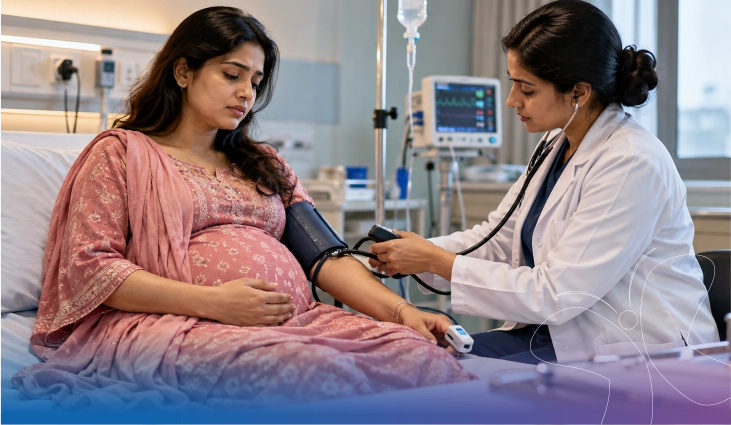
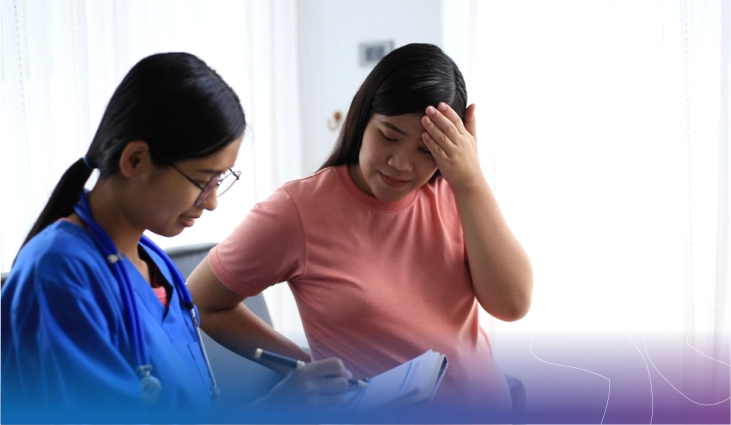
Every winter, the same thing happens in clinics. A pregnant woman comes in, looks at her report, and says she doesn’t understand it. Her blood pressure was fine earlier. Nothing major has changed. Yet the numbers are higher now. This is usually where the discussion about how winter affects blood pressure in pregnancy begins.
Pregnancy already changes how the body behaves. The heart works harder. Blood volume increases. Hormones keep shifting. When cold weather enters the picture, the body reacts in ways that are natural but not always helpful.
What cold weather quietly does to the body
Cold makes blood vessels tighten. It is the body’s way of conserving heat. When vessels tighten, blood has less space to flow, and pressure inside them can rise. This may not cause pain or obvious symptoms, but it shows up clearly on the BP machine.
In pregnancy, this reaction becomes more noticeable because circulation is already under strain. This is one reason doctors explain how winter affects blood pressure in pregnancy more often during colder months, even for women who never had BP issues before.
Early mornings, sudden cold exposure, or even sitting for long hours in a cold room can sometimes affect readings.
Winter habits that make BP harder to control
Winter changes routines without anyone planning it. Physical movement reduces. Water intake drops. Meals become heavier. Salt creeps into the diet. These changes feel normal, but together they make managing blood pressure during cold weather more difficult.
Many pregnant women also ignore mild symptoms in winter. Headaches are blamed on cold. Swelling is hidden under warm clothes. Poor sleep feels seasonal. During pregnancy, these signs matter more than people realise.
Who needs closer monitoring in winter
Women with a history of gestational hypertension need extra attention during cold months. But even first-time mothers with normal earlier readings can see changes. Understanding how winter affects blood pressure in pregnancy helps avoid panic and encourages timely action instead of delay.
Blood pressure problems in pregnancy are rarely sudden. They usually build up quietly. Winter can speed that process if monitoring becomes irregular.
Simple things that actually help
Doctors usually focus on consistency. Staying comfortably warm helps blood vessels relax. Avoiding sudden cold exposure, especially early in the morning, makes a difference. These are realistic winter pregnancy hypertension tips, not complicated rules.
Food choices also matter. Winter comfort foods are often salty. Regular excess salt can push blood pressure up over time. Home-cooked meals and mindful seasoning support better control and help with managing blood pressure during cold weather.
Hydration is often ignored in winter. Many women drink less water without noticing. Warm fluids, soups, and adequate water intake help circulation more than people expect.
Monitoring is not optional during winter
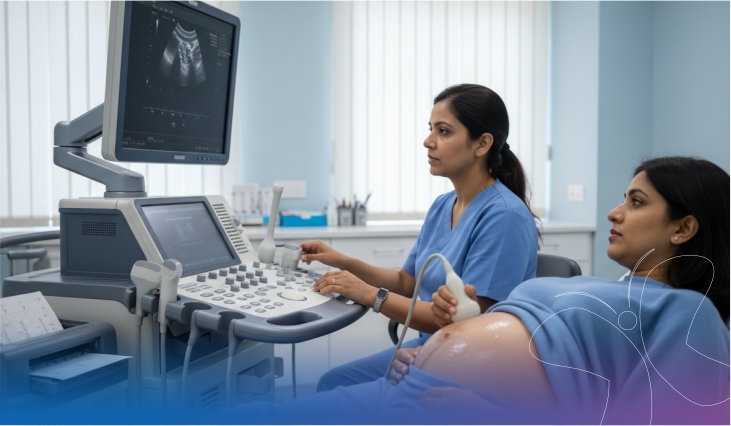
One high reading does not always mean danger. A pattern of rising readings does. Home monitoring helps catch changes early. Medications, if prescribed, should never be skipped or adjusted without medical advice. These steps remain some of the most reliable winter pregnancy hypertension tips.
When to seek help immediately
Persistent headaches, blurred vision, sudden swelling of hands or face, chest discomfort, or reduced baby movements need immediate medical attention. These symptoms are not seasonal discomforts and should never be ignored.
A steady approach to winter pregnancy
Winter does not automatically mean complications. With awareness, regular monitoring, and timely care, risks can be controlled. Once women understand how winter affects blood pressure in pregnancy, they feel more prepared and less anxious about changing readings.
At Flowrence Hospital, we focus on close monitoring, transperency, and personalised care to support mothers safely through every season of pregnancy.