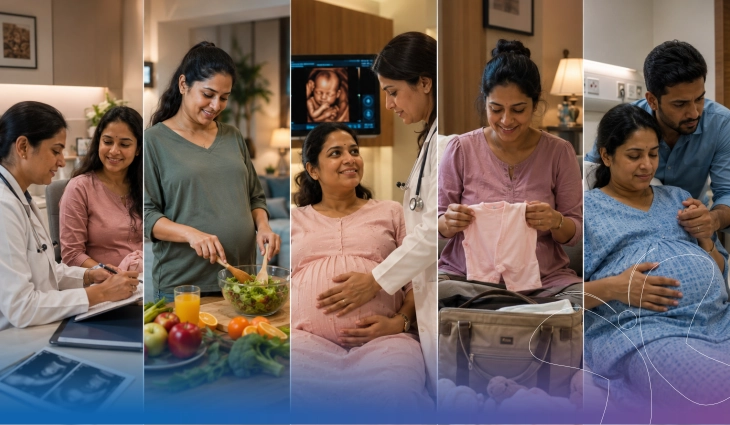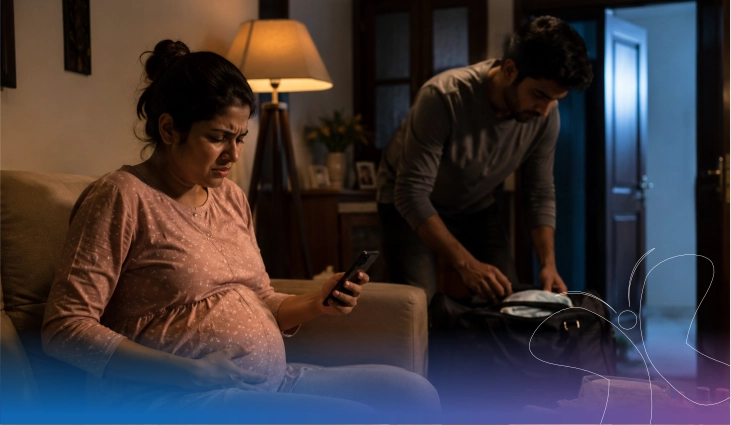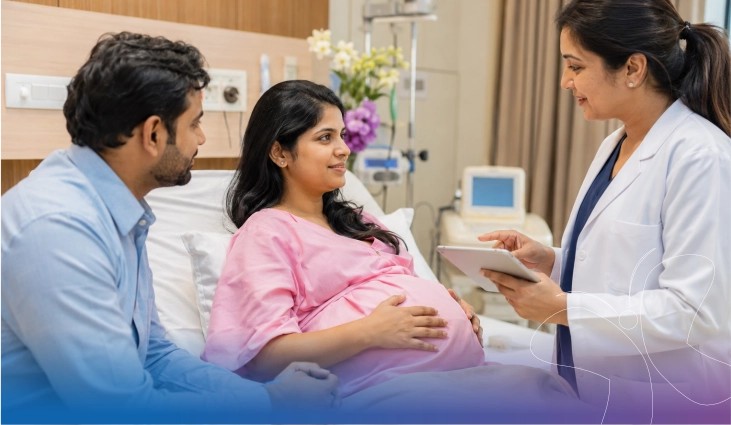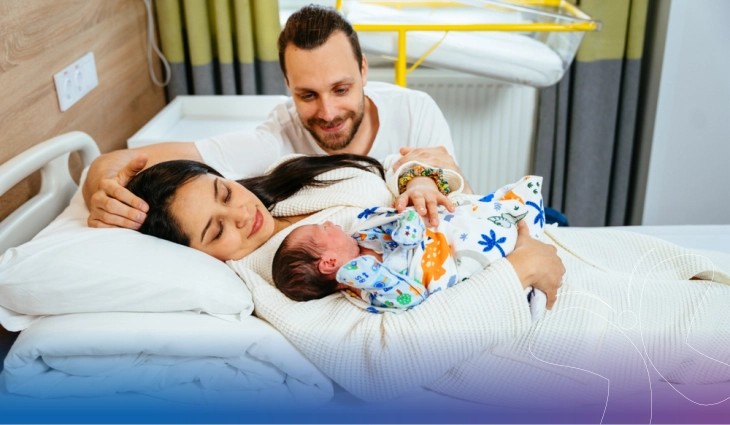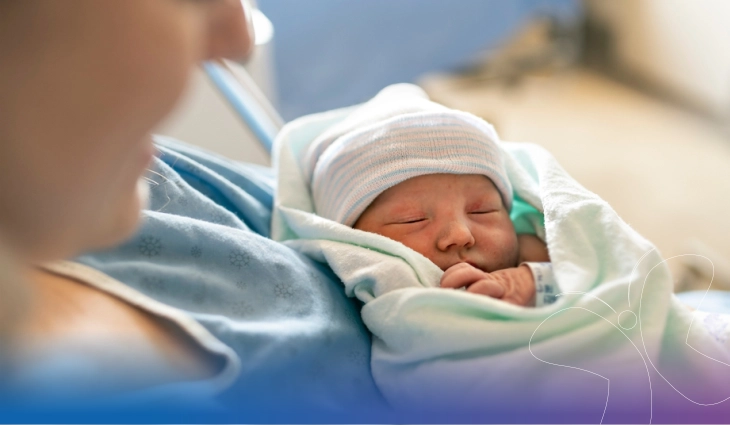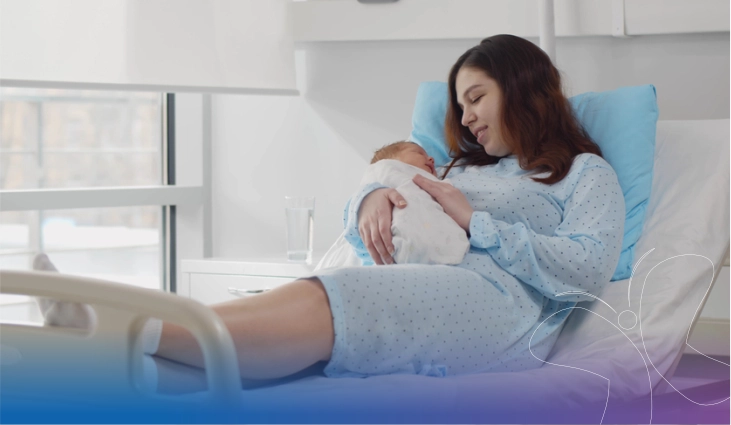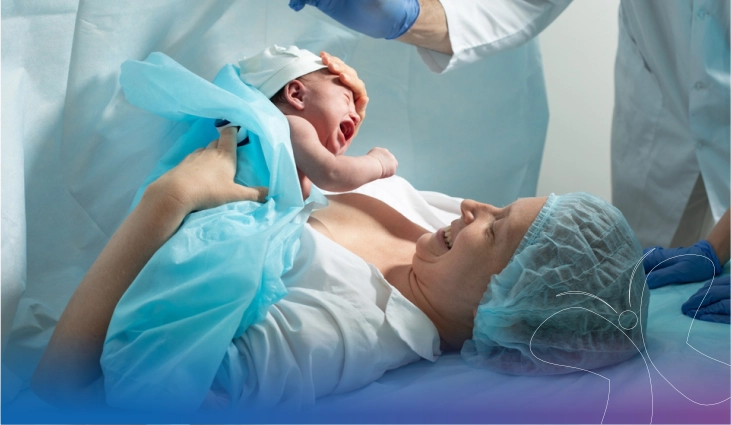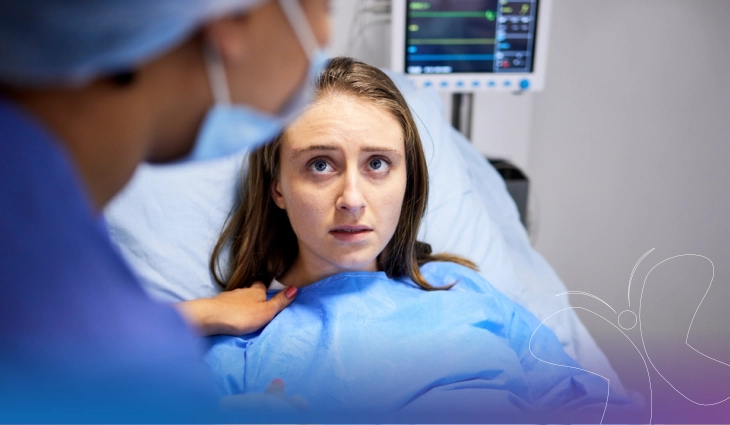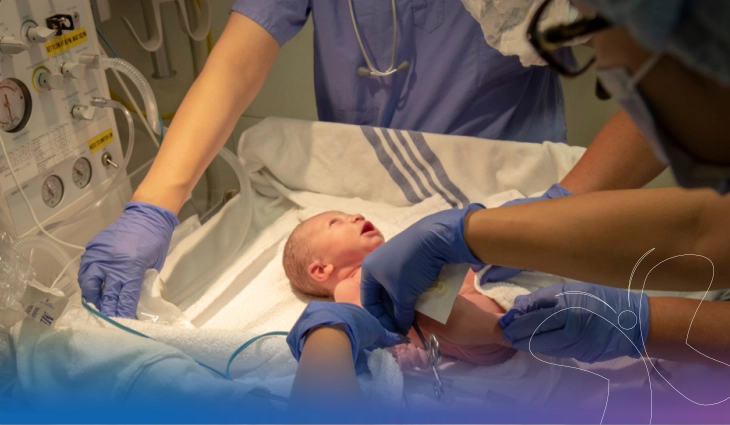
The first few hours after birth are emotional for every parent. You expect to hold the baby, take them home, and begin a new routine. But sometimes the doctor says, “The baby needs observation” and suddenly everything feels uncertain. Many parents feel scared, confused, or worried about what went wrong.
In most situations, nothing “went wrong.” Some babies just need closer support in the beginning. That is where specialized Neonatal Care helps — not to separate the baby from parents, but to make sure every small change is watched carefully and the baby gets the safest possible start to life.
Why some babies are shifted for monitoring after birth
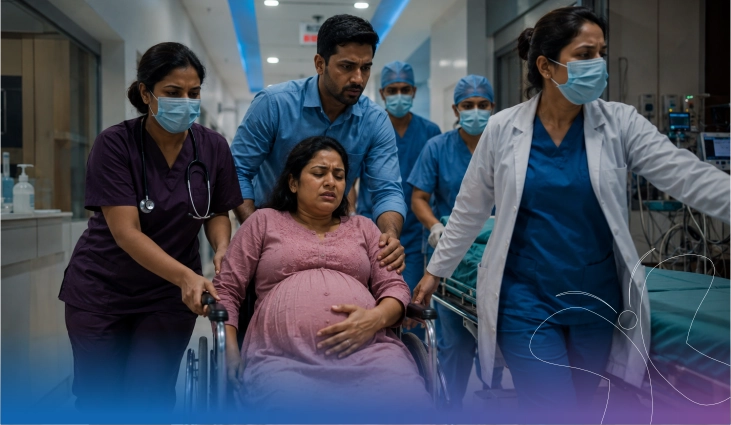
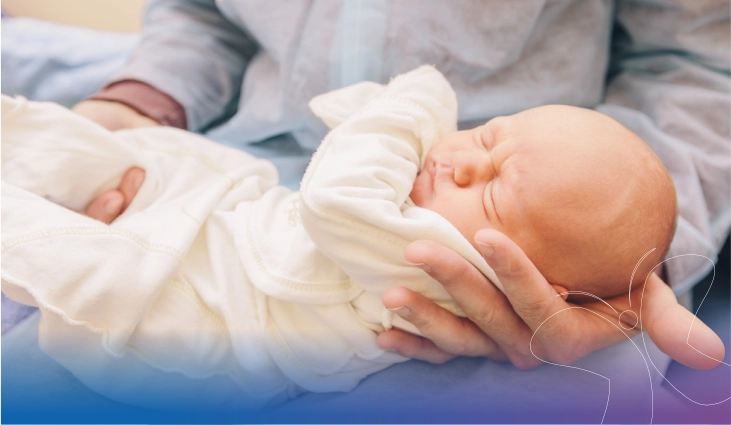
Not all babies require advanced monitoring. But a few may need help with breathing, temperature control, feeding, sugar levels, or oxygen support in the first hours. Some may be born smaller than expected. Some may be slightly weak after delivery. Some just take more time to adjust outside the womb.
Parents often ask, “Is my baby sick?”
In many cases, the answer is no.
The baby simply needs time, warmth, support, and careful observation.
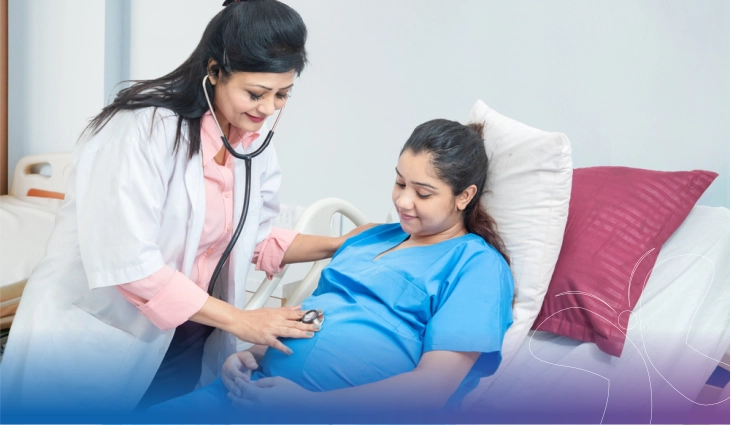
During this time, focused Newborn Health Care ensures that breathing, heart rate, feeding, growth, and reflexes are tracked closely so that any concern is managed early instead of becoming serious later.
This phase is not about fear. It is about protection.
What really happens inside a NICU and why it is a safe space
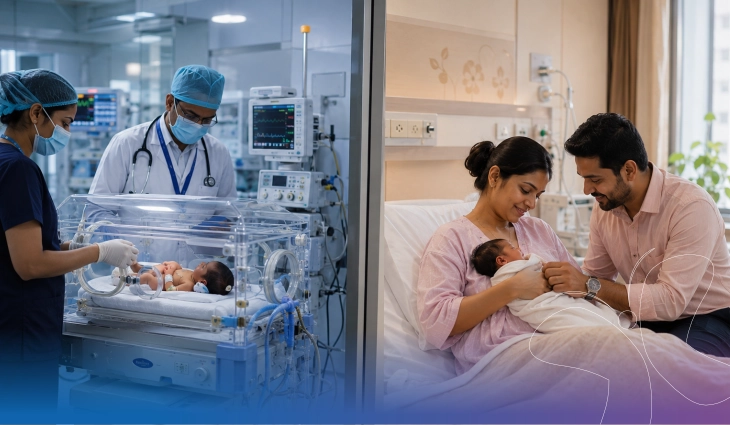
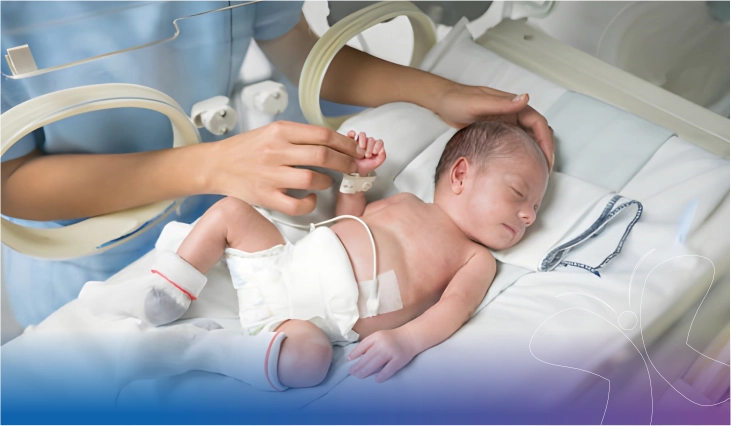
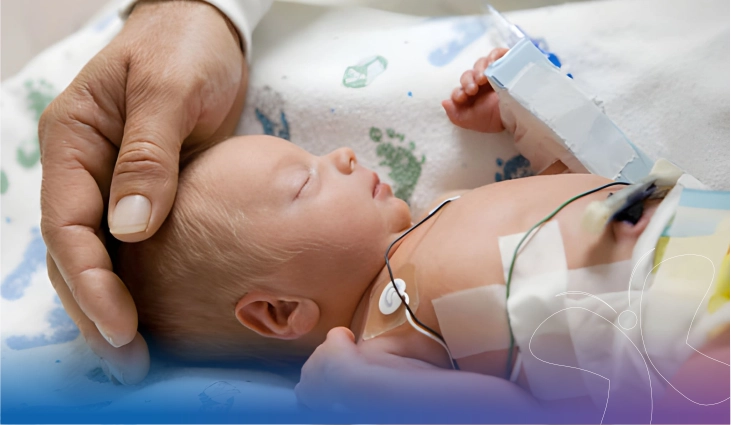
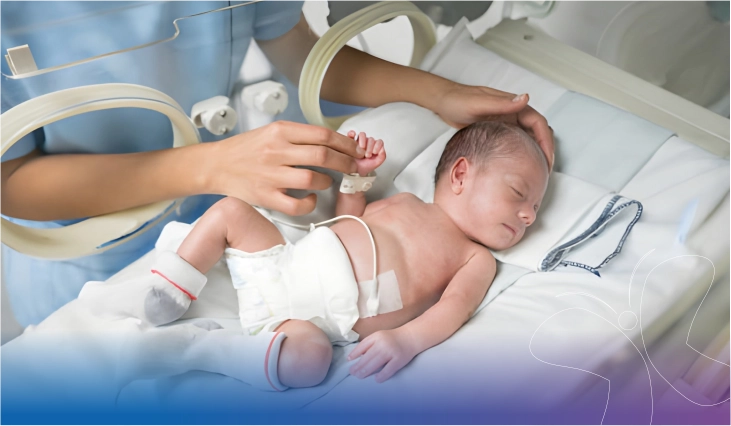
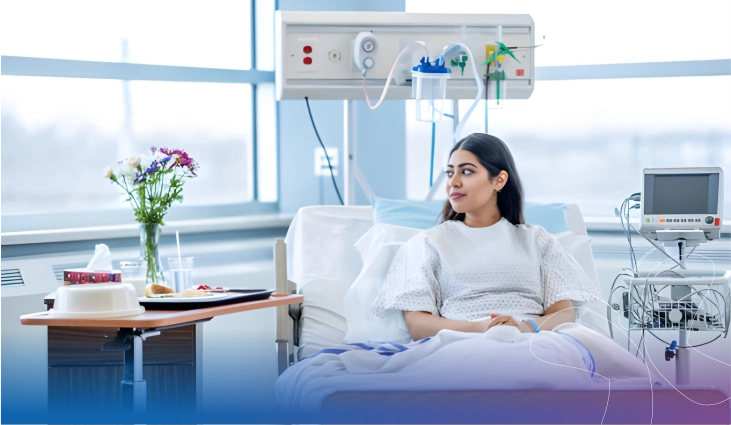
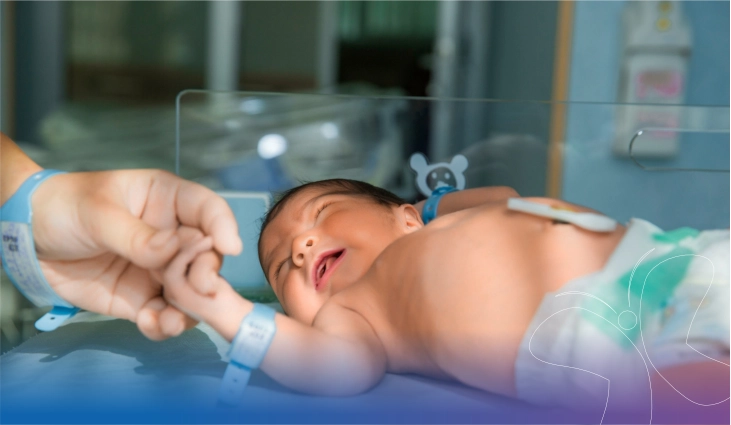
For parents, the NICU can feel overwhelming at first. Machines, monitors, wires, incubators it all looks frightening. But every monitor, every sensor, every tube has one role: keeping the baby safe while they grow stronger.
Continuous observation helps doctors and nurses watch oxygen levels, breathing pattern, temperature, and heart rhythm without disturbing the baby again and again.
That is the purpose of structured NICU Services a calm, infection-controlled environment where fragile newborns can recover with medical support instead of stress.
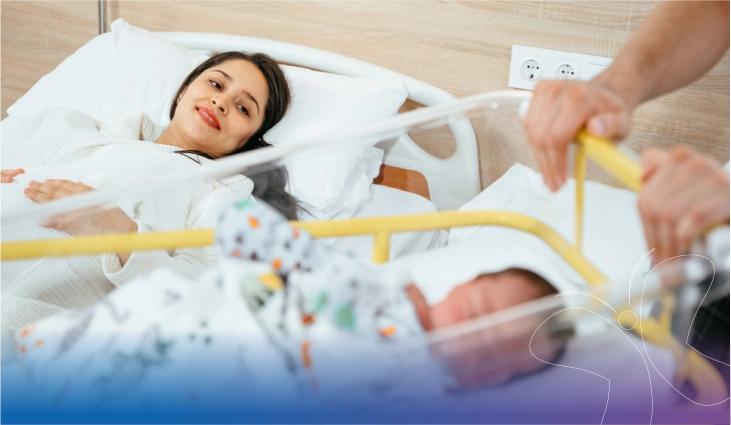
Parents are not pushed away from the child. They are encouraged to stay involved, talk to the baby, learn gentle touch, and slowly participate in care. Emotional reassurance is as important as clinical treatment in this phase.
Feeding, weight gain, and the slow, steady progress toward stability
Feeding is one of the most sensitive parts of recovery. Some babies feed well from the start. Some take time to coordinate sucking and breathing. Some need tube or syringe support initially.
Progress in neonatal care is rarely sudden. It is slow, small, steady.
- Weight gain begins gradually
- Breathing becomes more stable
- Temperature remains normal
- Feeding improves step by step
Doctors and nurses guide parents through each stage so they understand what is changing and why it matters.
Discharge is never rushed. It is planned only when the baby is stable, feeding well, maintaining temperature, and parents feel confident handling care at home.
The emotional journey parents go through during NICU stay
Parents often blame themselves. Some feel guilty. Some feel helpless. Some worry constantly about the future. These feelings are real and completely valid.
A good neonatal team does not only treat the baby — they support the parents.
They explain progress in simple words. They answer every question. They help parents understand that this period is not a setback, but a bridge that helps the baby reach full strength safely.
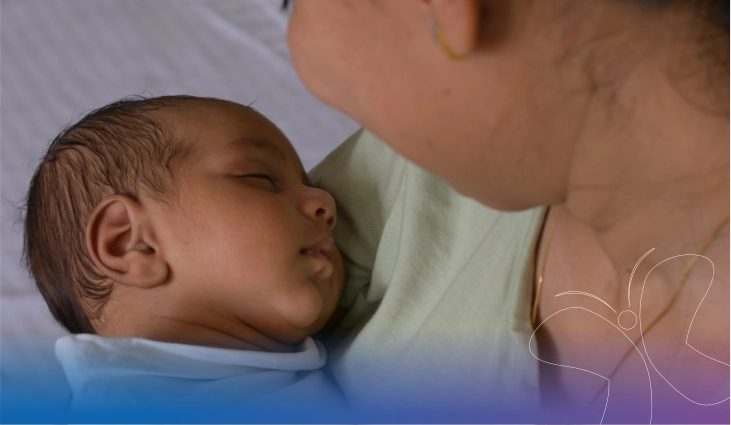
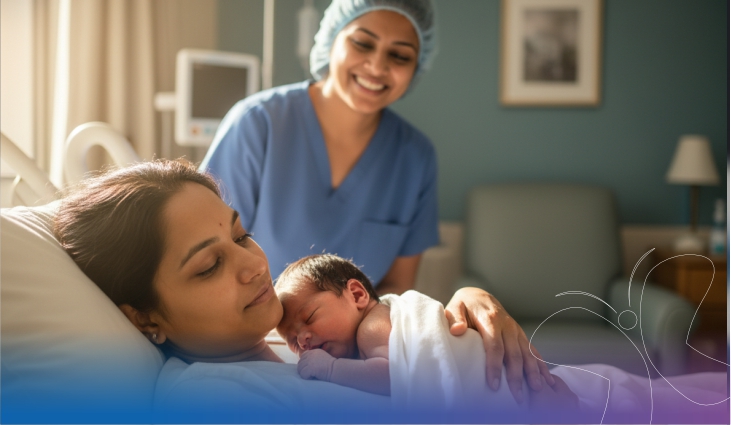
Even inside the NICU, bonding continues. The baby still recognises the parent’s voice, warmth, and touch.
Little wins matter every feed, every breath, every gram of weight gained.
Life after discharge and why follow-up matters
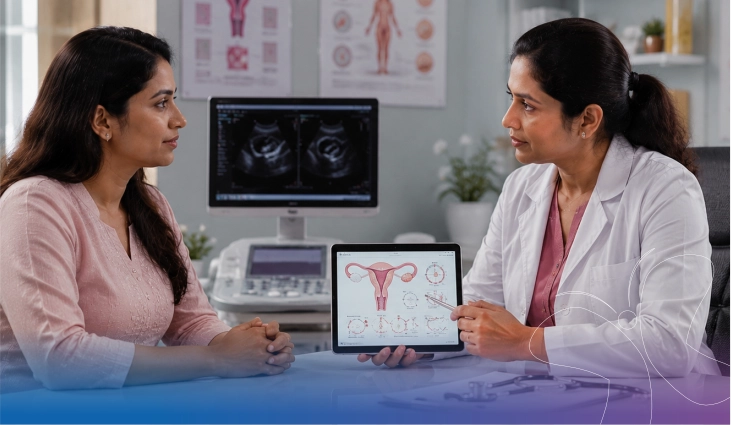
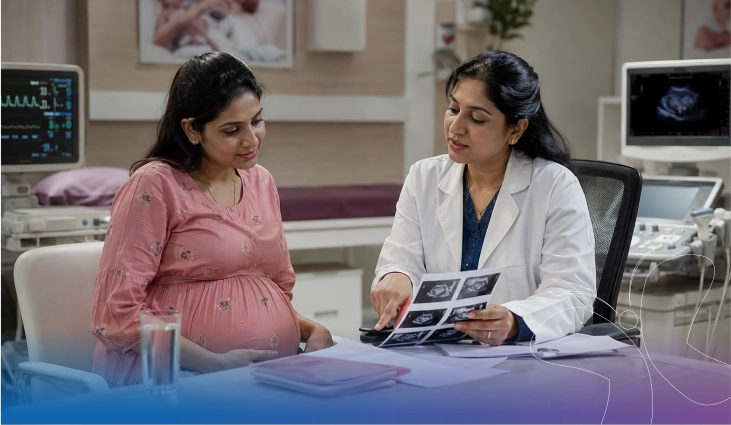
Care does not end when the baby goes home. Follow-up visits help track growth, weight gain, feeding, reflexes, sleep pattern, breathing, and developmental milestones.
Parents receive guidance on:
- feeding and hygiene
- temperature care
- safe sleeping
- warning signs to never ignore
Follow-up is not meant to create worry. It is meant to give confidence that the baby is growing in the right direction.
A safer beginning for babies who need extra support early in life
Neonatal and NICU care is not a sign of failure or weakness. It is a medical responsibility a way to give fragile newborns time, warmth, oxygen, nutrition, and protection until their body grows strong enough on its own.
With patience, expert monitoring, and compassionate communication, most babies recover steadily and go on to live healthy, active childhoods.