Introduction
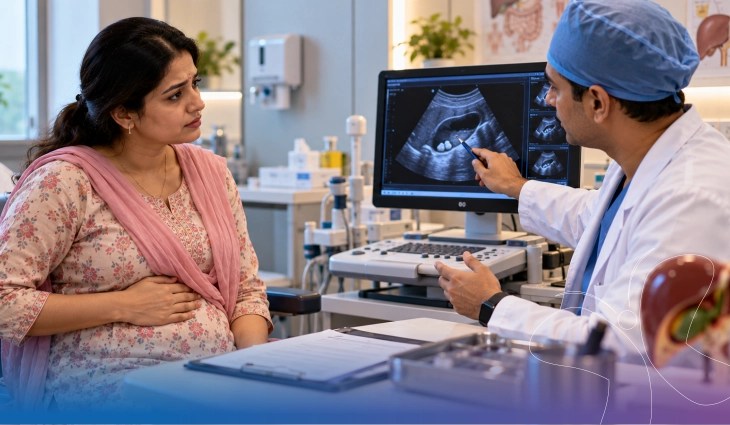
Few decisions during pregnancy carry as much weight as how a baby will be born. For most families, the preference is a natural birth, a quick recovery, and mother and baby home within days. But pregnancy does not always follow preferences, and understanding both delivery options honestly before labour begins is one of the most practical things an expecting mother can do.
Two Different Paths to the Same Destination
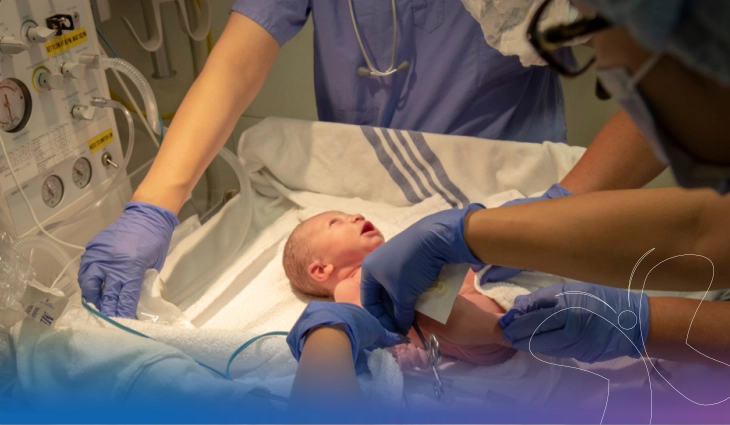
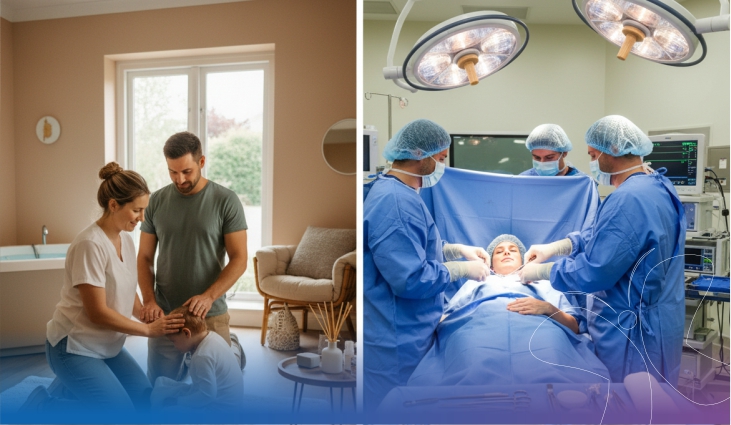
Normal delivery hospital in Rajkot follow the body's natural process. The baby moves through the birth canal without surgical intervention. When it proceeds without complications, recovery is faster, hospital stays are shorter, and mothers typically return to daily routines within days rather than weeks.
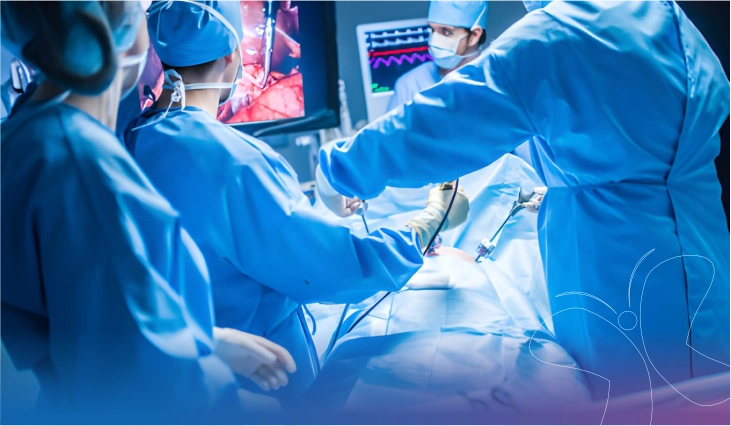
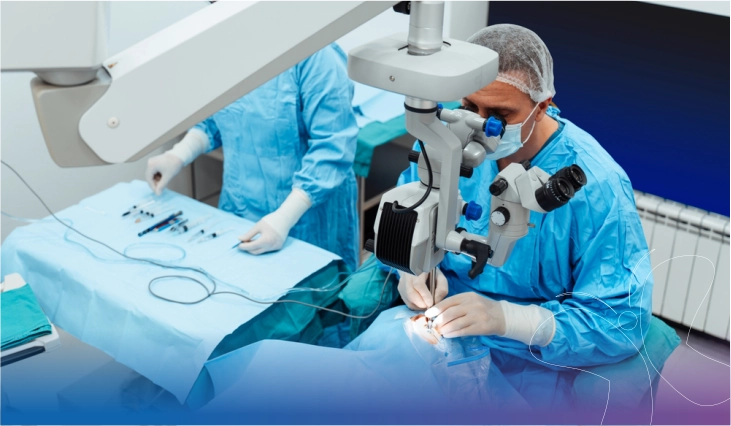
A caesarean section is a surgical procedure. The baby is delivered through an incision in the abdomen under anaesthesia. It is not the easier option; it is a major surgery with a longer recovery, greater post-operative care requirements, and higher associated costs. But in the situations that call for it, it is the option that keeps mothers and babies safe.
Neither method is inherently superior. The right choice depends entirely on clinical circumstances, not preference alone.
When Normal Delivery Is the Right Path
A straightforward pregnancy with a well-positioned baby, no significant maternal health concerns, and normal progression through labour generally supports a natural birth.
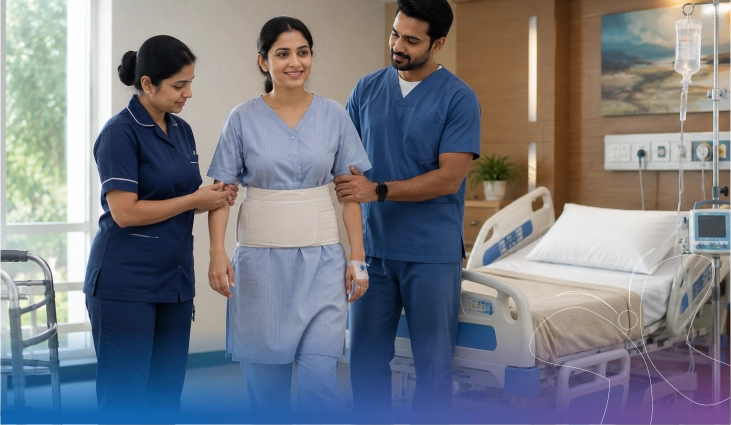
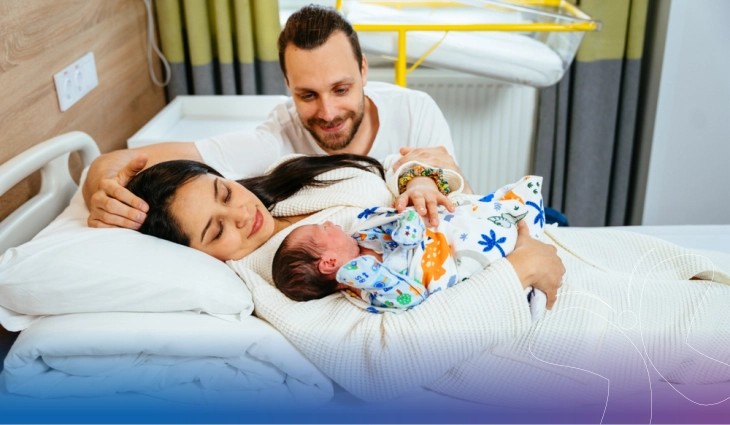
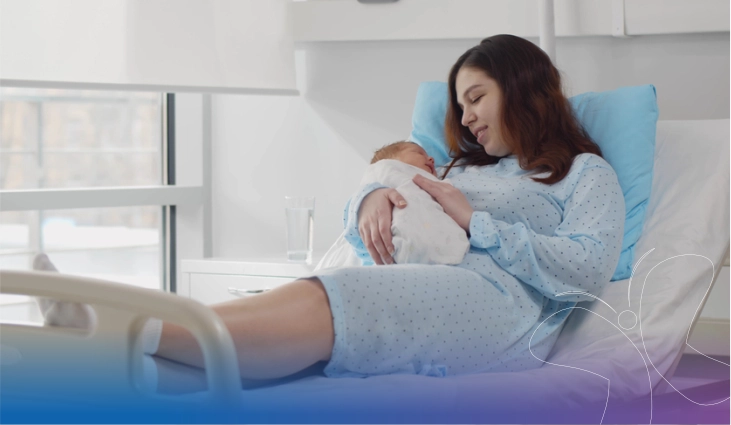
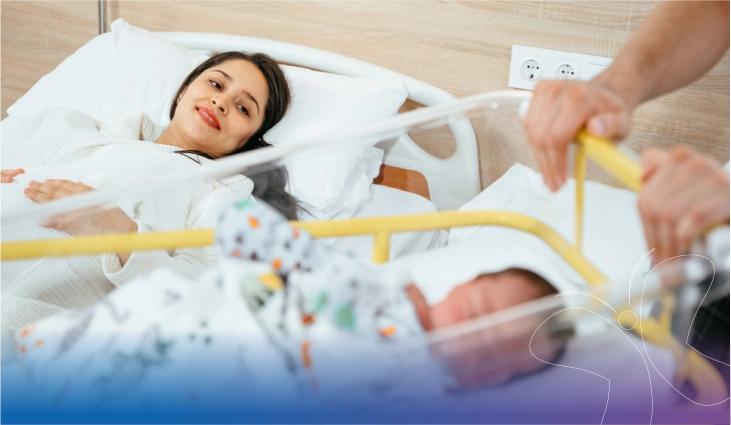
The recovery advantages are real. Most mothers who deliver naturally are mobile within twenty-four hours, experience less post-delivery discomfort, and face a lower risk of surgical complications. Breastfeeding often establishes more easily, and the physical demands of caring for a newborn are easier to manage without a healing surgical wound.
Neha maintained her health carefully through pregnancy, attended every checkup, and delivered naturally without complication. She was home within two days and describes her recovery as far easier than she had anticipated.
When a C-Section Becomes Necessary
A planned caesarean is recommended when clinical factors make natural birth genuinely risky, such as breech presentation, placenta previa, multiple pregnancies, or significant maternal health conditions like uncontrolled hypertension or diabetes.
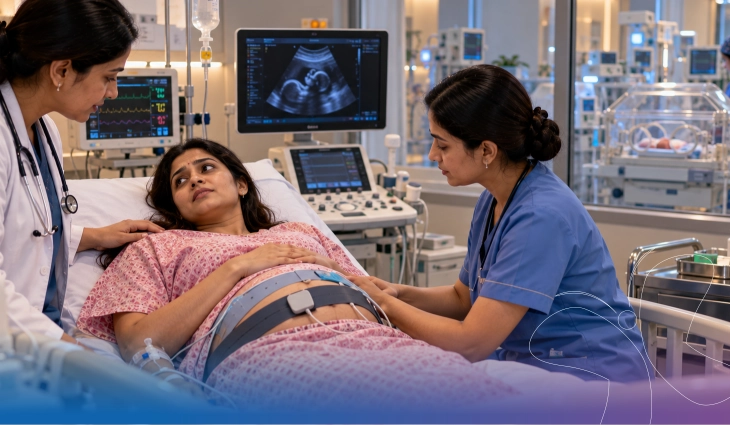
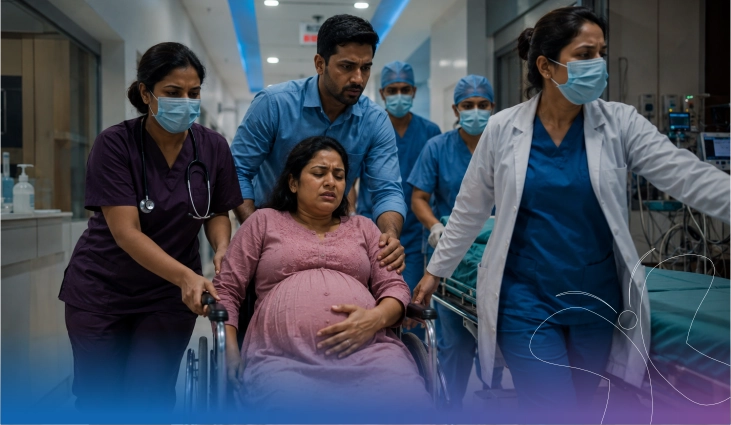
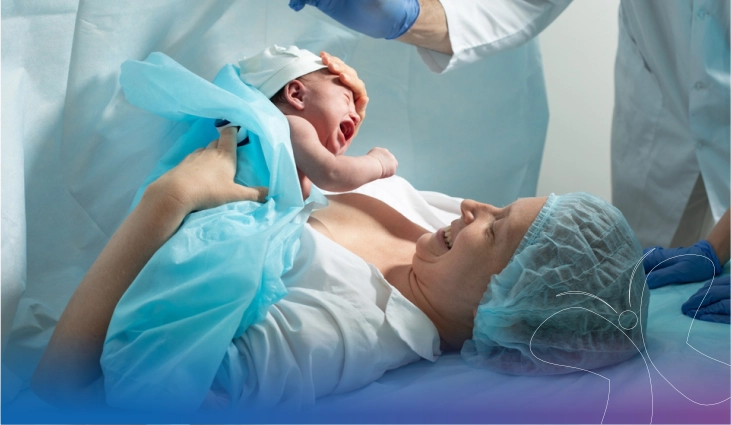
An emergency caesarean happens when complications arise during labour that require immediate intervention, such as foetal distress, labour that stops progressing, or sudden changes in maternal condition that cannot wait.
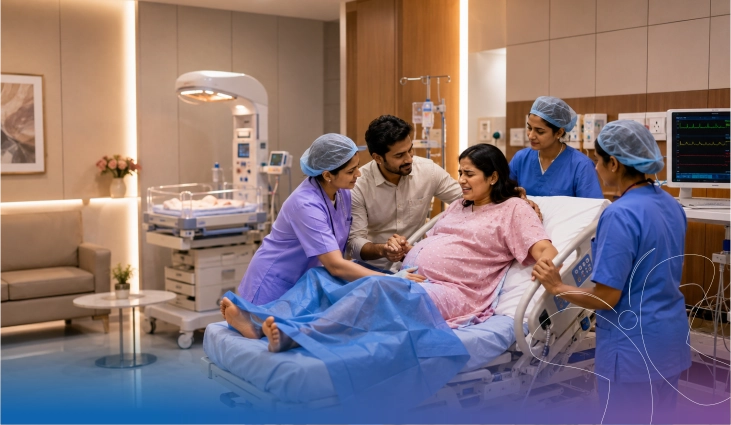
Priya arrived at the hospital expecting a natural birth. Midway through labour, her baby showed signs of distress that required an immediate decision. The surgical team responded quickly, and both mother and child were safe within the hour. That outcome was not possible without the option of c section delivery in Rajkot being immediately available.
Recovery: The Honest Comparison
Normal delivery recovery is measured in days for most women. Discomfort is present but manageable, and physical activity resumes relatively quickly.
C-section recovery is measured in weeks. The incision site requires careful management, lifting is restricted, driving is not possible for several weeks, and the fatigue of major surgery compounds the demands of new parenthood in ways that are easy to underestimate beforehand.
This is not an argument against caesareans when they are medically indicated. It is an honest picture of what the recovery involves, so families can prepare appropriately when a surgical delivery is planned or becomes necessary.
Choosing the Right Hospital Matters as Much as Choosing the Right Method
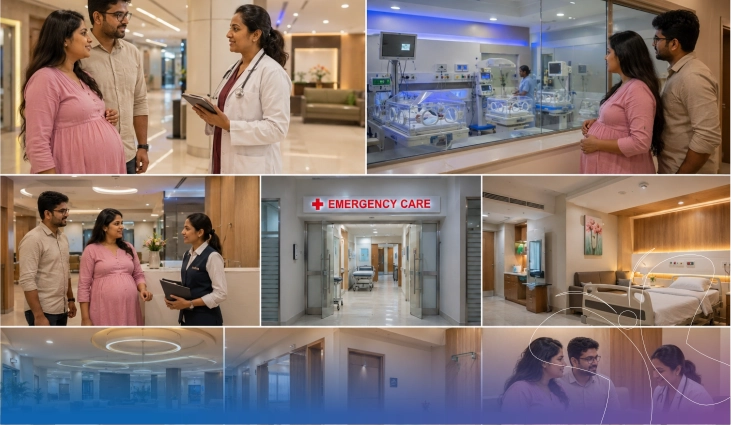
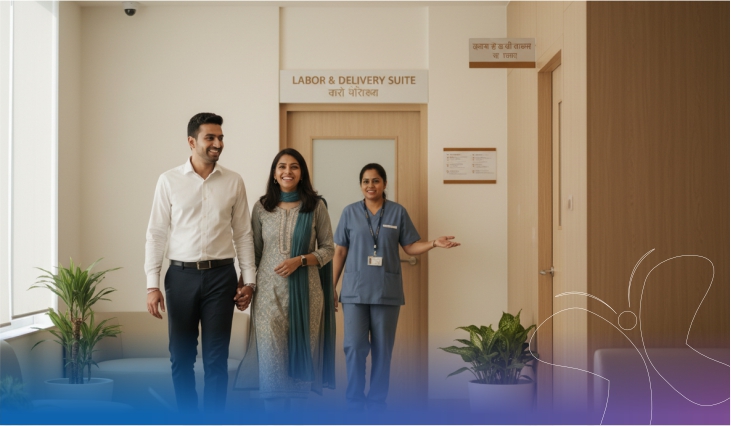
The quality of care surrounding either delivery type determines outcomes as much as the delivery method itself. Experienced obstetricians, well-equipped labour and surgical suites, responsive nursing teams, and clear post-delivery support protocols are what separate a best maternity hospital Rajkot families can trust from one that simply has the facilities on paper.
Riya's planned caesarean for pregnancy-induced hypertension was managed smoothly because her hospital team had monitored her condition across her third trimester and prepared accordingly. The delivery itself was almost anticlimactic which is exactly what good preparation produces.
What Expecting Mothers Should Actually Do
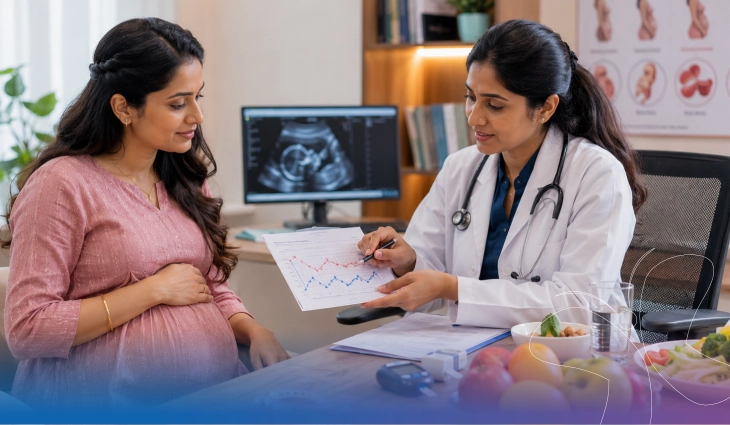
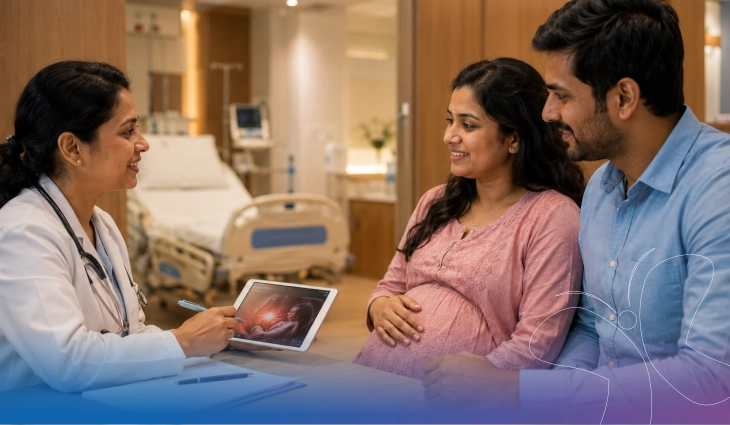
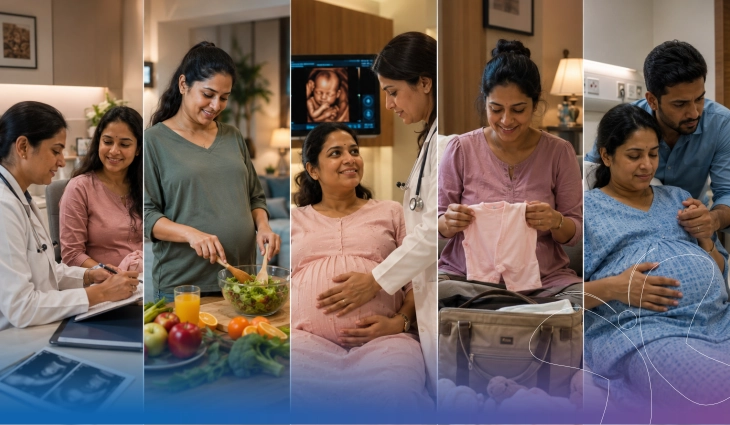
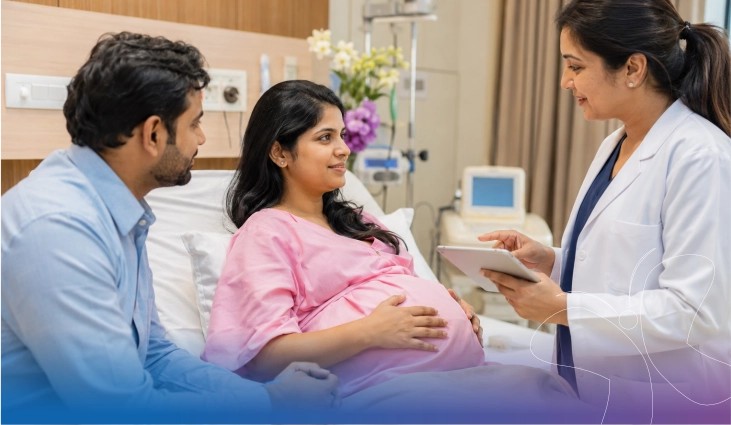
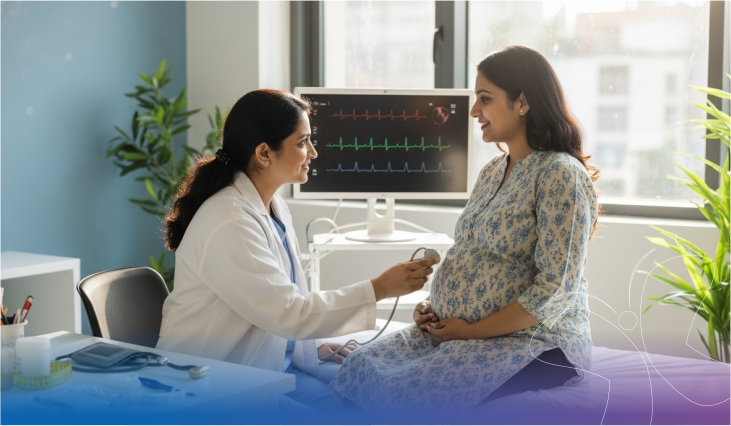
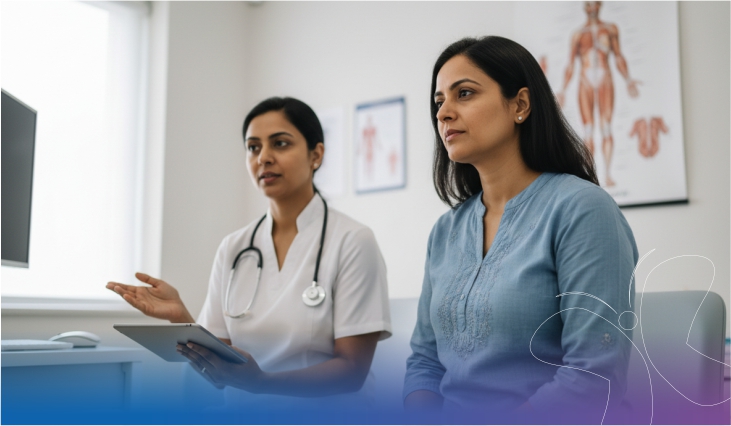
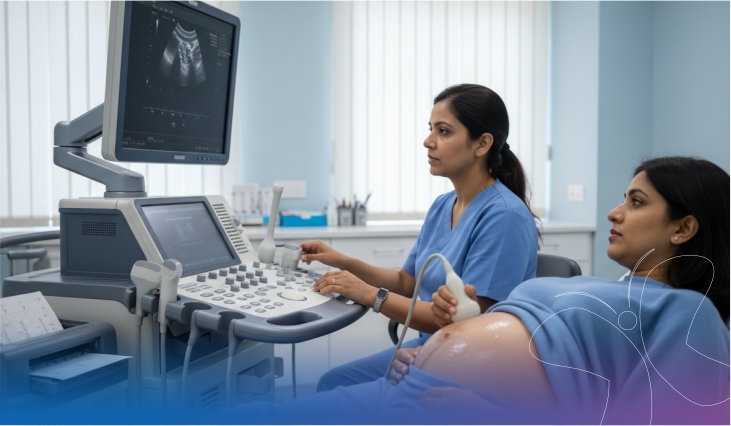
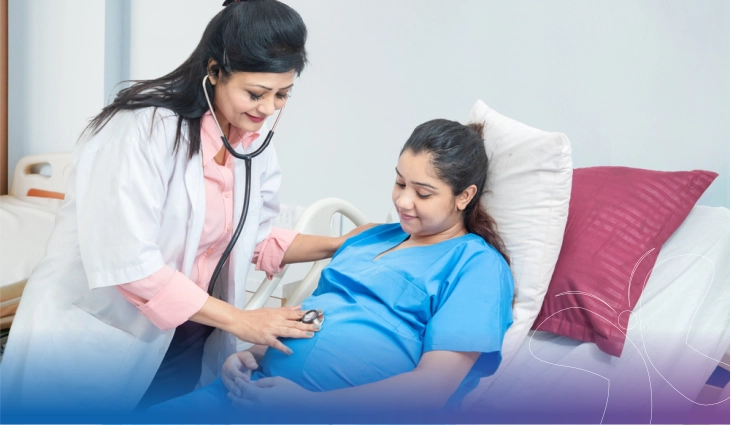
Attend every antenatal appointment without treating any as optional. The pattern of checkups across pregnancy gives doctors the information needed to make good delivery decisions, information that cannot be reconstructed quickly if appointments have been missed.
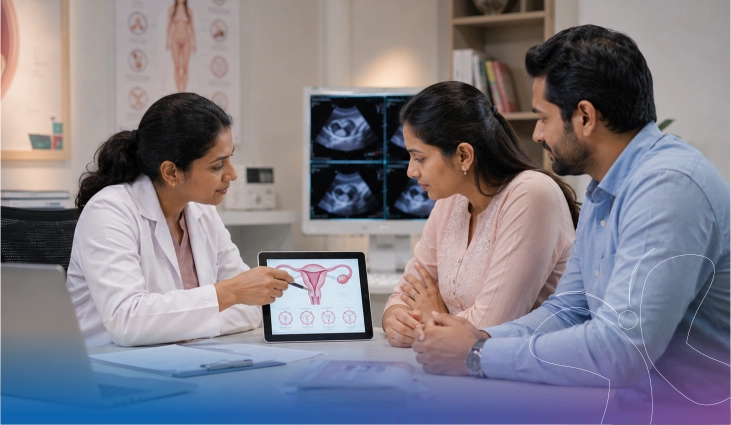
Discuss delivery preferences with your doctor early, and revisit that conversation at each trimester. Preferences are worth stating clearly. They are also worth holding loosely, because clinical realities change.
Choose a hospital based on the quality of its obstetric team and emergency response capability, not primarily on aesthetics, cost, or convenience. Safe delivery options Rajkot families should be evaluating, starting with the medical team's experience and the facility's ability to respond when a situation changes unexpectedly.
Conclusion
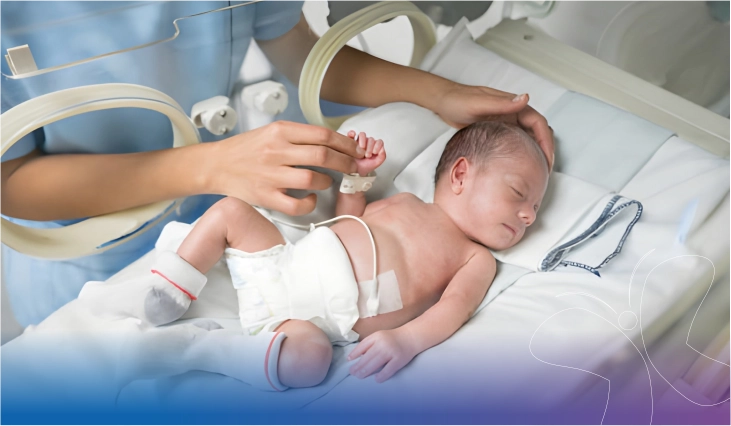
The question of normal delivery versus caesarean does not have a universal answer. It has a correct answer for each individual mother based on her health; her baby's position and wellbeing; and the clinical judgement of an experienced team monitoring both throughout pregnancy and labour.
Understanding normal vs cesarean delivery in practical terms what each involves, what recovery looks like, and what situations make each the appropriate choice allows families to engage with that decision as informed participants rather than anxious bystanders.
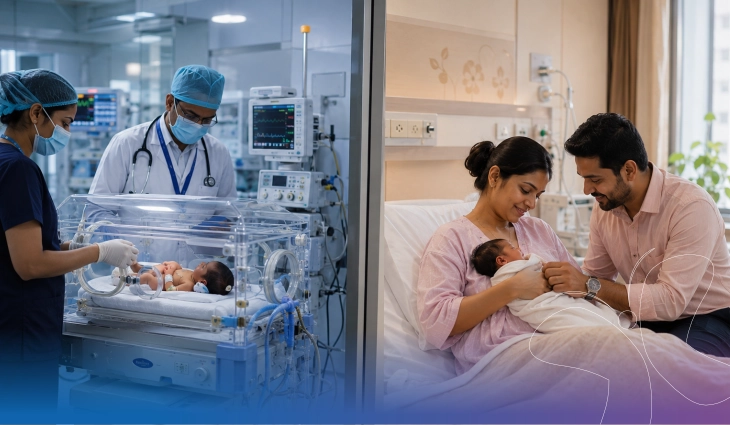
Trust your medical team. Choose your hospital carefully. Prepare for either outcome. What matters at the end is a healthy mother and a healthy baby, however that outcome is reached.