Hearing the words "ovarian cyst" for the first time tends to worry women far more than it usually needs to. The truth is that cysts are among the most common gynaecological findings. Most women develop one at some point, most resolve without any treatment, and most cause no lasting problems. What genuinely matters is identifying the small number that do need attention before they become a bigger issue.
What Is an Ovarian Cyst?
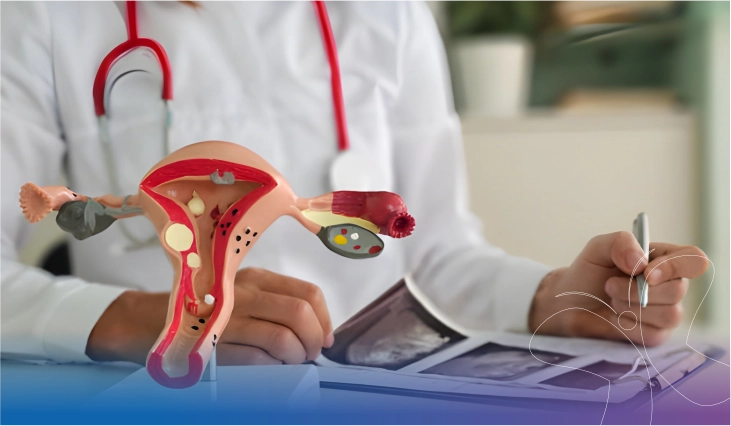
An ovarian cyst is a fluid-filled sac that forms on or within an ovary. Functional cysts, the most common type, develop as part of the normal ovulation cycle and typically disappear within a few weeks without any intervention. Other types form independently of ovulation and are more likely to persist, grow, or require treatment depending on their size and characteristics.
Early Signs to Watch For
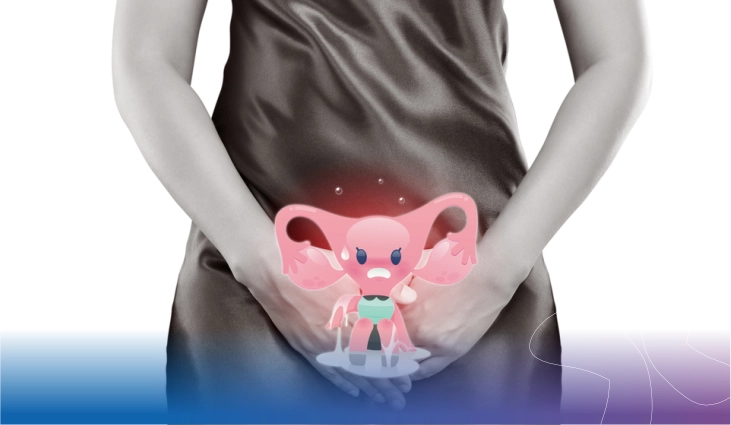
Many women with ovarian cysts have no symptoms at all. The cyst is found during a routine scan and comes as a complete surprise. When ovarian cyst symptoms do appear, they usually involve pain or discomfort in the lower abdomen, often on one side, sometimes dull and constant, sometimes sharp and intermittent. Bloating, a sense of pelvic pressure, and irregular periods are also commonly reported.
Discomfort during physical activity, intercourse, or bowel movements can indicate a cyst large enough to press on neighbouring structures. Any of these symptoms persisting across several weeks is worth getting checked rather than hoping they pass on their own.
Causes of Ovarian Cysts
Cyst in ovary causes vary by type. Functional cysts form when the ovulation process does not complete the follicle either fails to release the egg or fails to break down afterward. Hormonal imbalance is the most frequent driver behind this.
PCOS produces clusters of small follicular cysts across both ovaries as a direct result of disrupted hormone signalling. Endometriosis creates blood-filled cysts when tissue resembling the uterine lining grows on the ovaries themselves. Each cause points toward a different management approach, which is why identifying the type matters as much as confirming the presence of the cyst.
When Should You Be Concerned?
Sudden severe pelvic pain, pain combined with fever or nausea, and sharp discomfort following sudden movement or physical exertion are signals that need prompt medical attention. These can indicate a ruptured cyst or ovarian torsion neither of which should be managed with a scheduled appointment days later.
Treatment Options Available
Watchful waiting with repeat ultrasounds is the standard approach for small functional cysts. Many resolve completely within one to three menstrual cycles without any medication. When hormonal imbalance is driving recurrent cyst formation; medication addresses the underlying cause rather than just the individual cyst. Surgery is reserved for cysts that are large, persistent, or show features on imaging that require further investigation. Women exploring the best ovarian cyst treatment in Rajkot will find that responsible specialists run a proper ultrasound and clinical review before any treatment decision is made, not after.
Importance of Consulting a Specialist
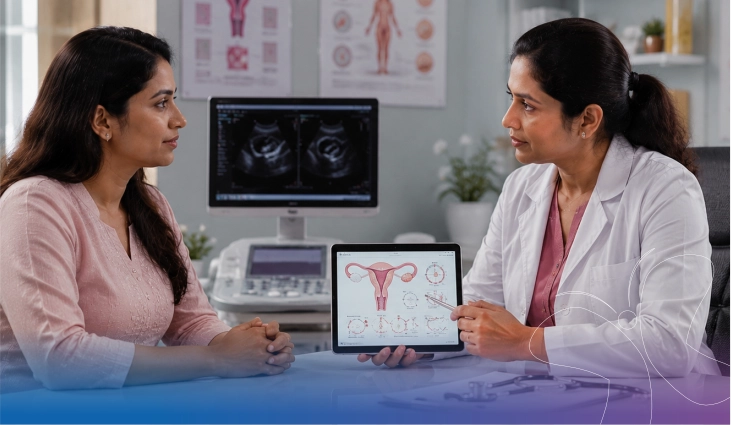
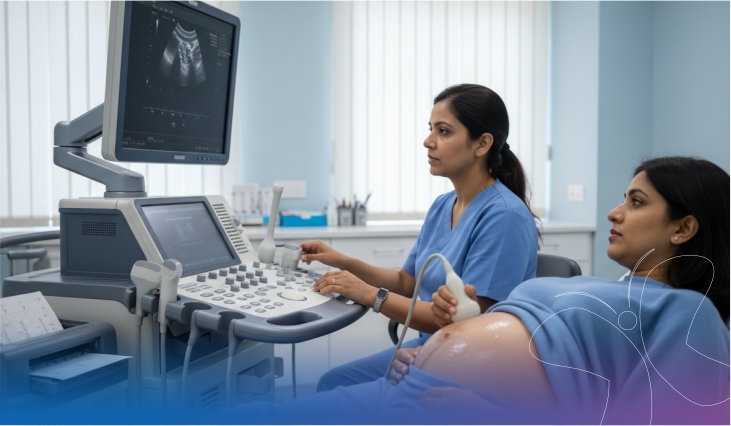
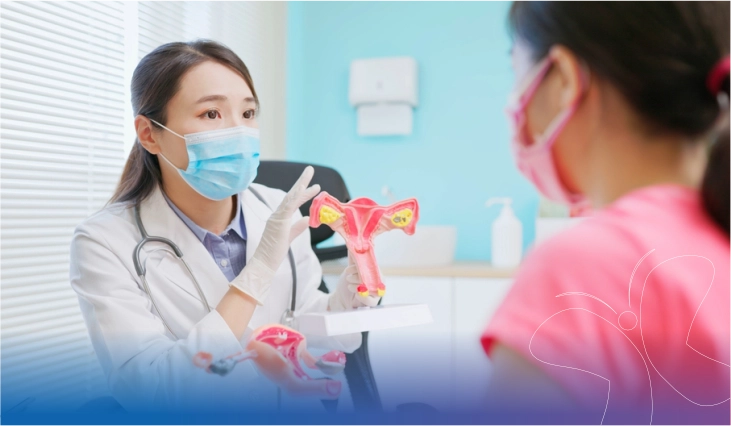
Pelvic symptoms overlap with multiple conditions, making clinical assessment essential. An ultrasound provides the size, location, and structural detail that determines whether a cyst needs monitoring, medication, or intervention. A top gynecologist in Rajkot uses that imaging alongside blood results and symptom history to build a complete picture not a diagnosis based on a single data point.
Real-Life Example
A lady was 30 and had been experiencing mild left-sided pelvic pain on and off for about six weeks. She eventually saw a doctor after the discomfort started affecting her sleep. An ultrasound showed a small cyst on her left ovary. Her doctor scheduled a follow-up scan eight weeks later. By that point the cyst had resolved entirely. No medication, no surgery, just a timely diagnosis that confirmed her body was managing it without help.
Simple Tips for Better Health
Schedule routine gynaecological checkups even when nothing feels wrong cysts found incidentally are almost always simpler to manage than those found after symptoms become significant. Eat a balanced diet, maintain a stable weight, and track your menstrual cycle regularly. Recurring pelvic discomfort that does not have an obvious explanation deserves a medical opinion rather than continued self-reassurance.
Conclusion
Ovarian cyst symptom are easy to dismiss and simple to mistake for something else. Cyst in ovary causes are varied enough that the right response depends entirely on what type is present and what it is doing, information only proper clinical evaluation can provide. Finding out early almost always means managing it simply.