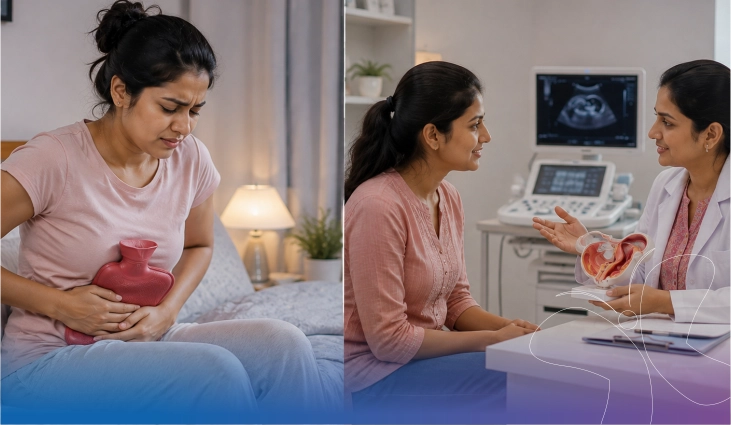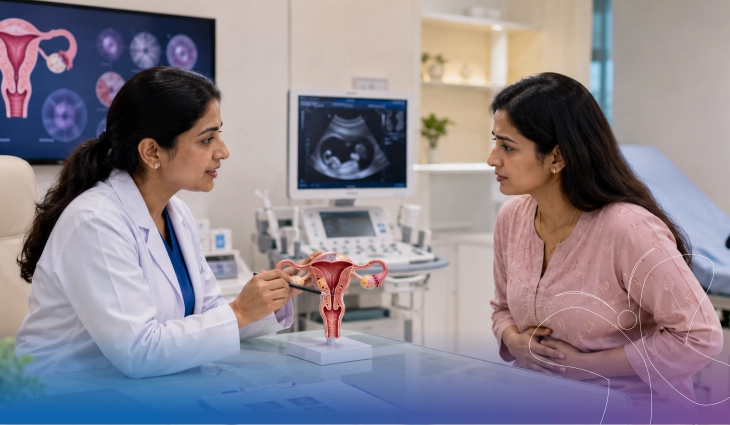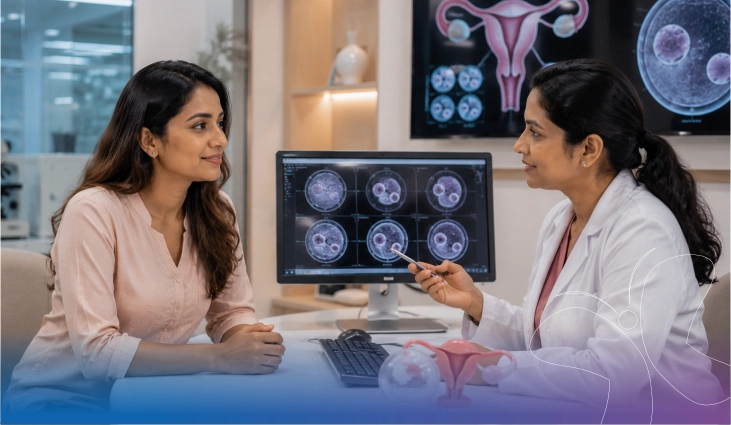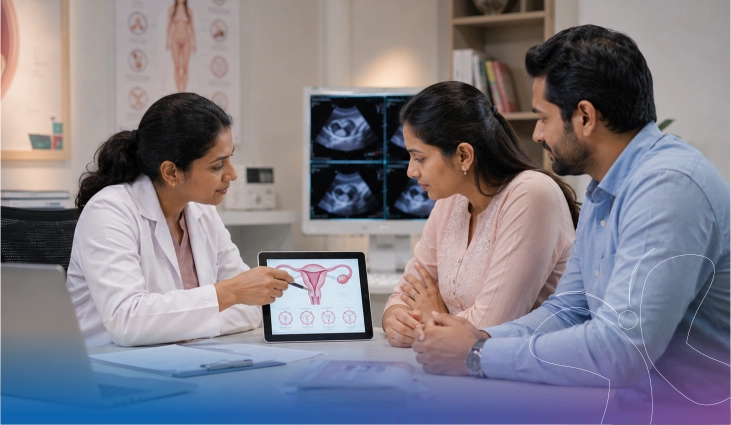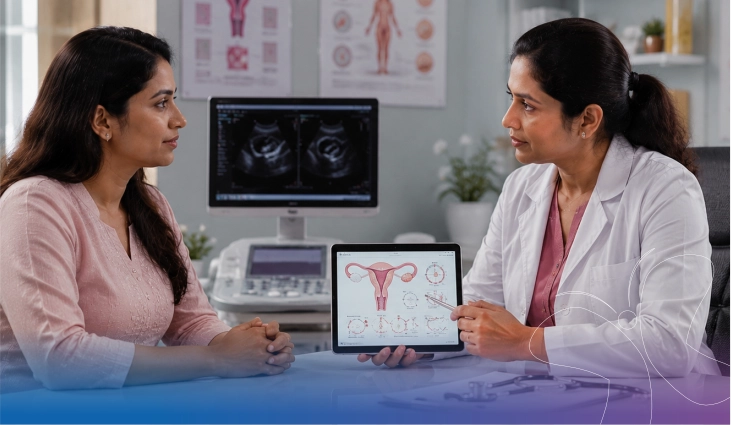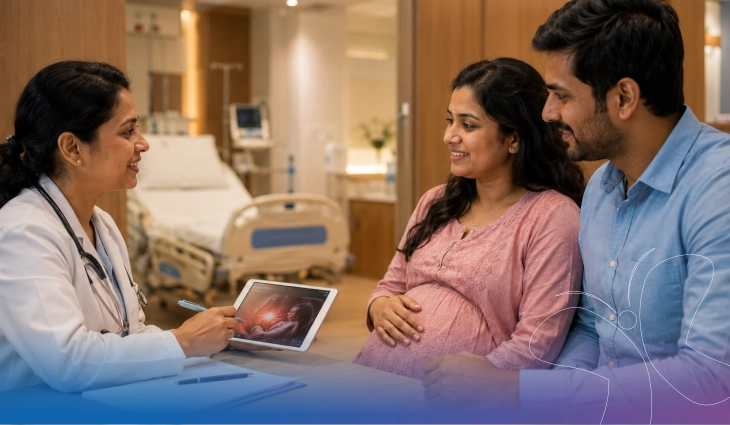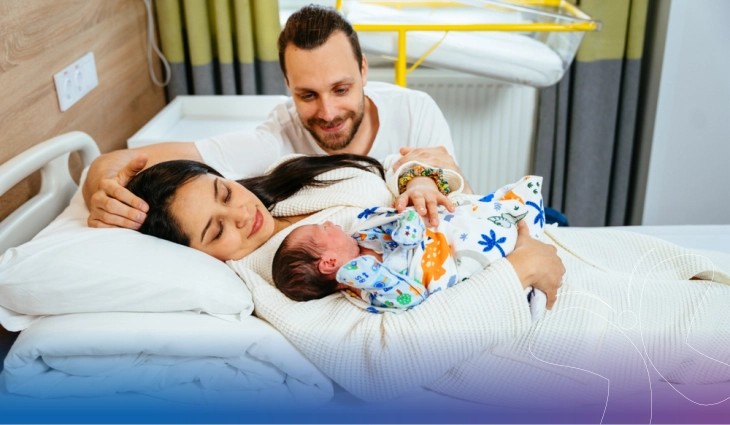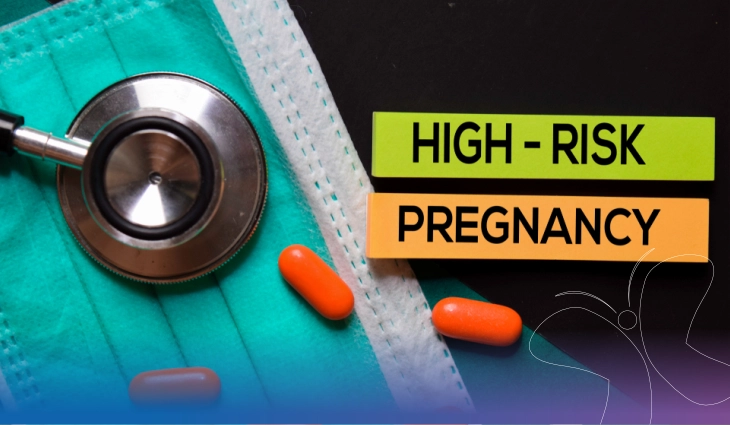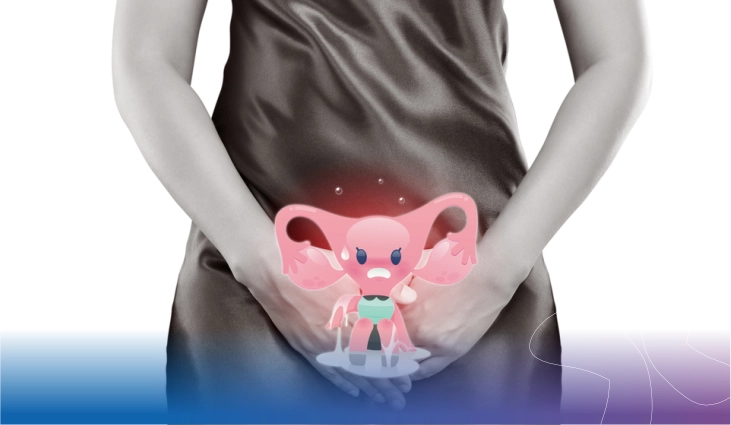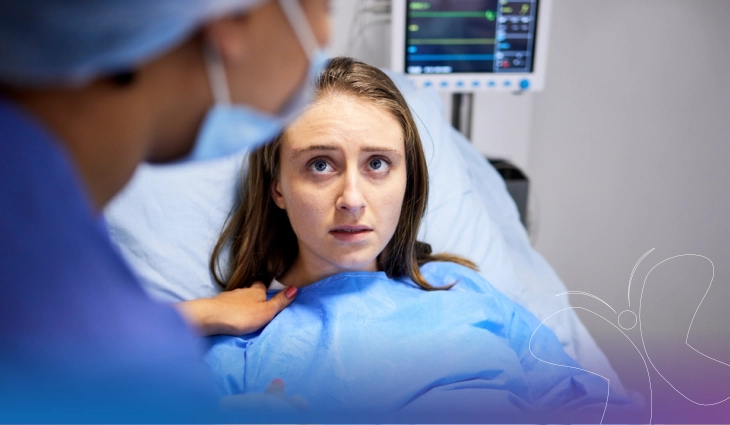
Being told your pregnancy is high-risk stops most women cold. The label sounds serious, and the uncertainty that follows that conversation is genuinely hard to sit with. But high-risk is a management category, not a prediction of a bad outcome. It means the pregnancy needs closer attention than standard, and in most cases, that attention is exactly what produces a healthy delivery.
What Is a High-Risk Pregnancy?
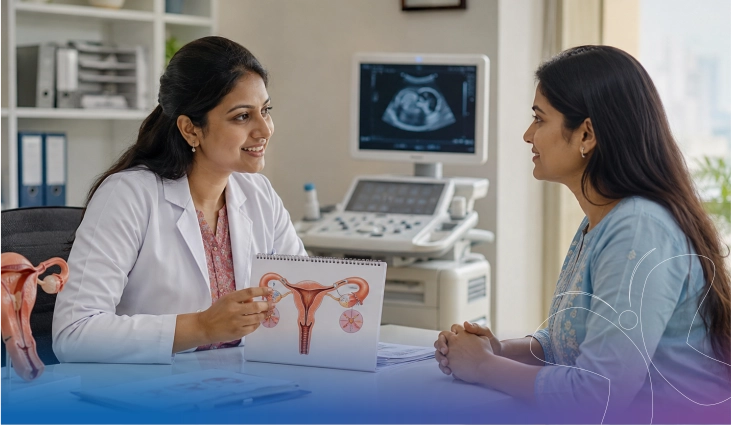
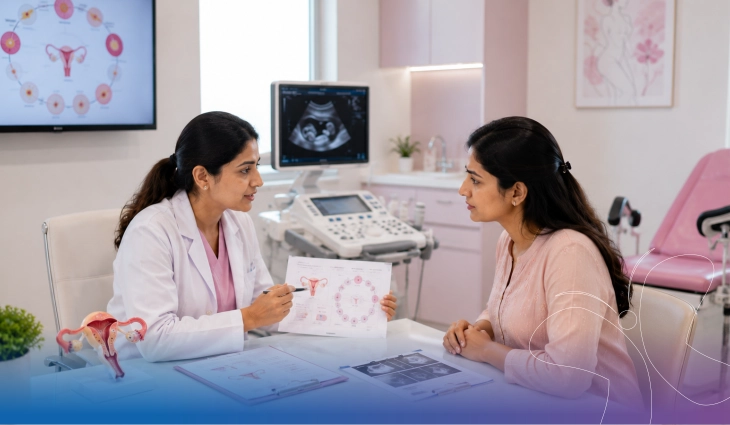
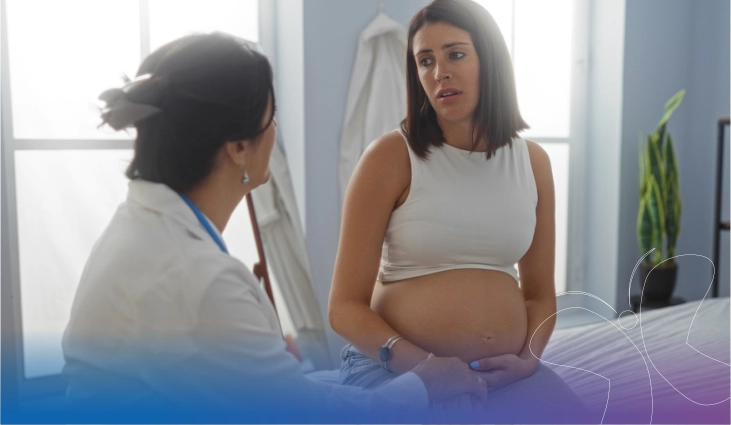
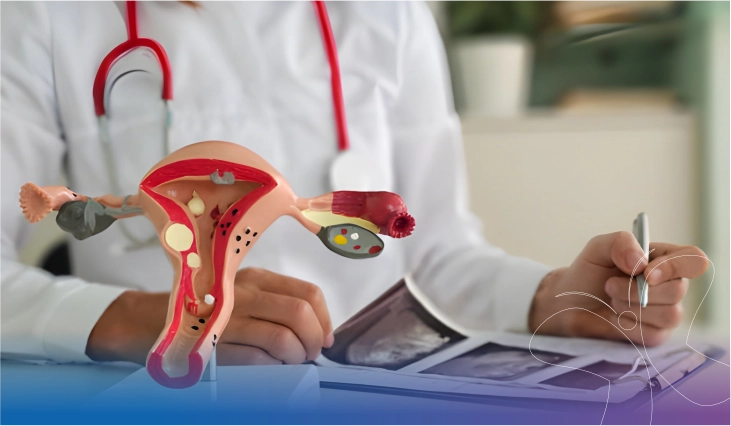
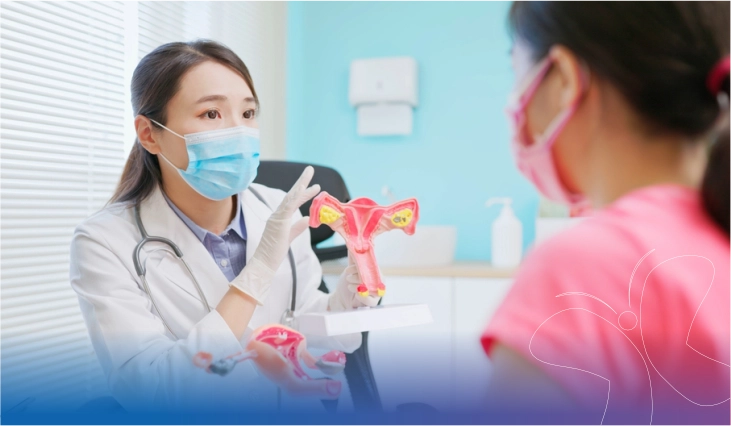
A high-risk pregnancy is one where the mother, the baby, or both face an elevated chance of complications due to age, pre-existing health conditions, or issues that develop during the pregnancy itself. The classification exists so that the right level of monitoring and specialist involvement is in place from the beginning rather than scrambled together after something goes wrong.
Common Risk Factors
Age is one of the most consistent risk factors. Women over 35 face higher rates of chromosomal issues, blood pressure complications, and gestational diabetes. Women under 18 carry risks related to physical readiness and nutritional status.
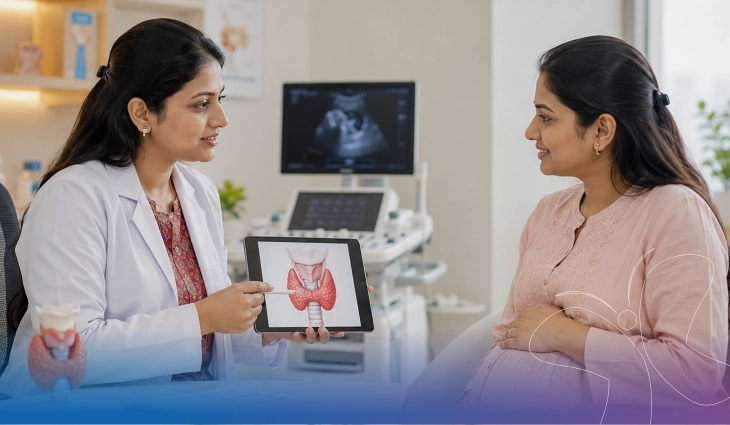
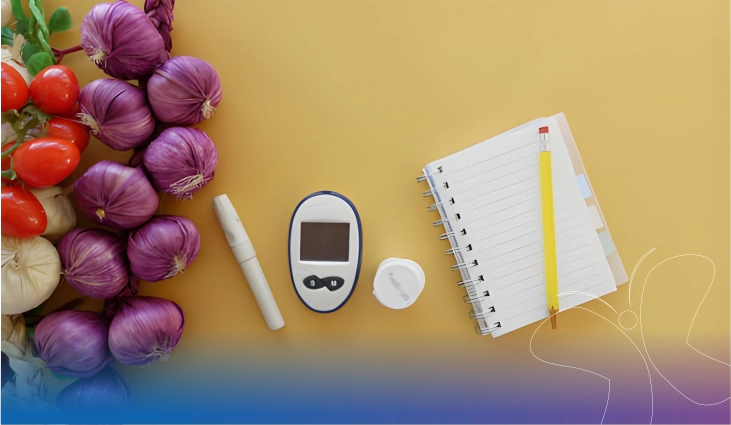
Pre-existing conditions, hypertension, diabetes, thyroid disorders, kidney disease, and autoimmune conditions all place additional demands on a body already under the physiological strain of pregnancy.
Multiple pregnancies and previous pregnancy difficulties also push a case into the high-risk category. Women managing these factors need structured, specialist-led care, the kind provided by the best high risk pregnancy care in Rajkot rather than standard antenatal follow-up.
Signs and Symptoms to Watch
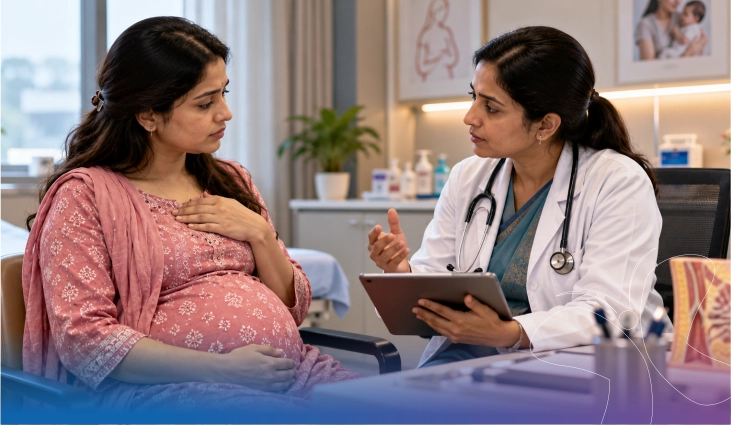
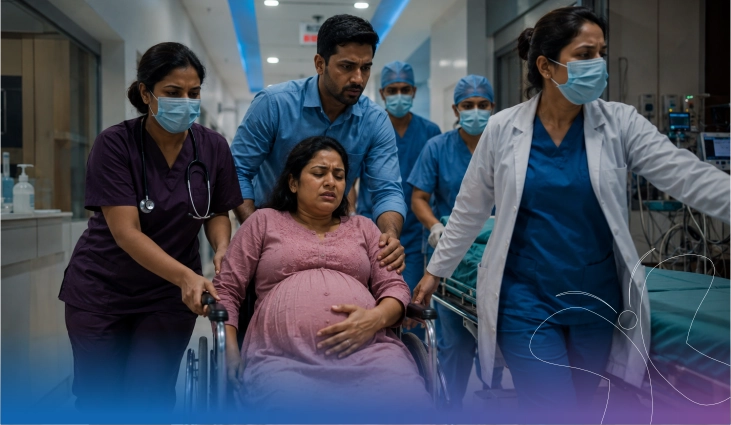
High risk pregnancy symptoms that need same-day medical attention include severe persistent headaches, sudden swelling in the face or hands, visual disturbances, vaginal bleeding at any stage, and a noticeable drop in foetal movement.
These are not symptoms to monitor at home for a day or two. Each one can signal a developing complication that moves quickly once it starts. Women in high-risk pregnancies are consistently advised to contact their doctor immediately rather than waiting to see if symptoms resolve on their own.
Types of Complications happen during pregnancy
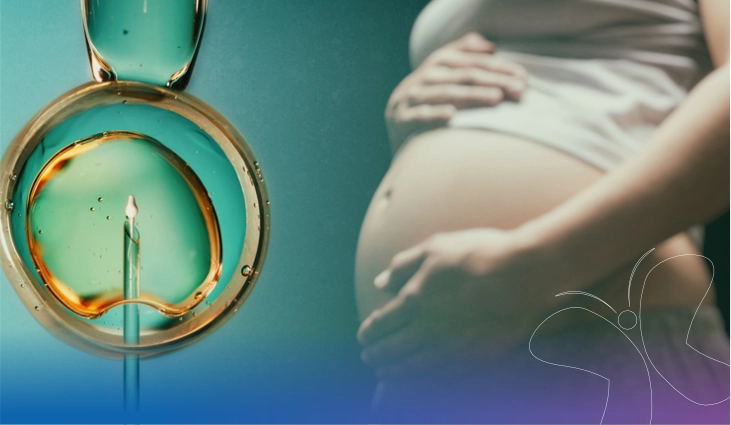
Common pregnancy complications in high-risk cases include pre-eclampsia, a dangerous blood pressure condition that affects multiple organ systems and requires prompt management. Gestational diabetes alters fetal growth patterns if blood sugar stays uncontrolled.
Preterm labour before 37 weeks carries significant risks for the baby's lung development and overall health. Placenta previa, intrauterine growth restriction, and cervical incompetence round out the more serious complications that structured monitoring is designed to catch before they escalate.
Importance of Regular Checkups
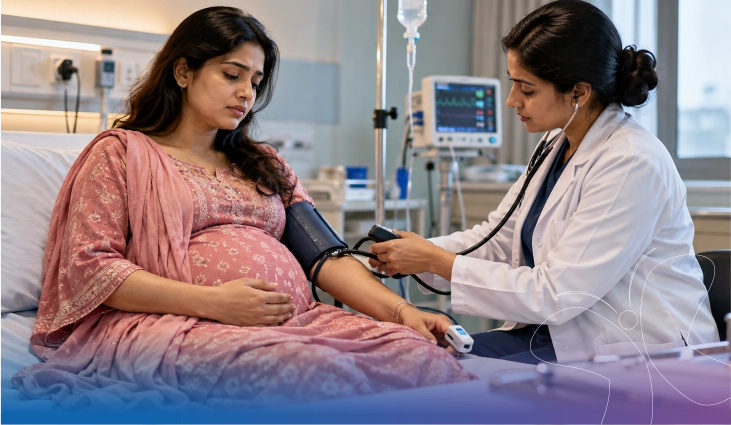
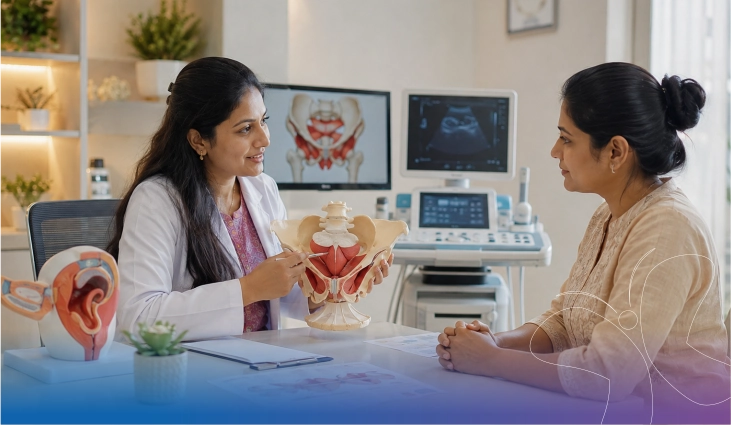
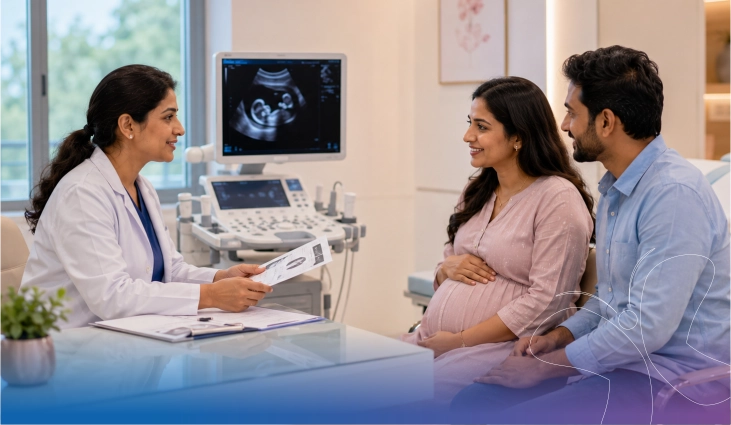
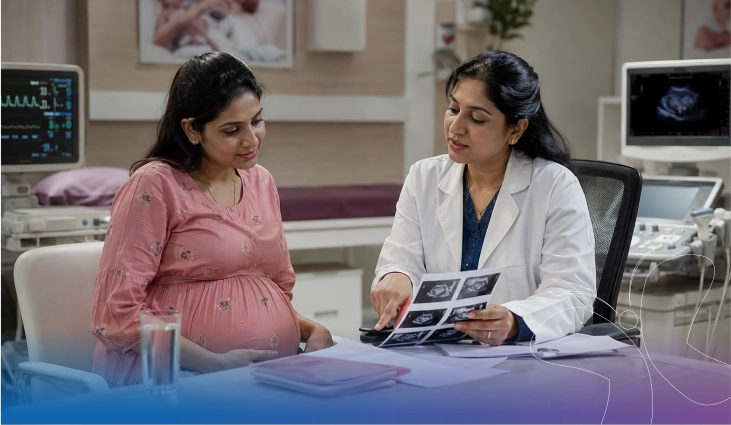
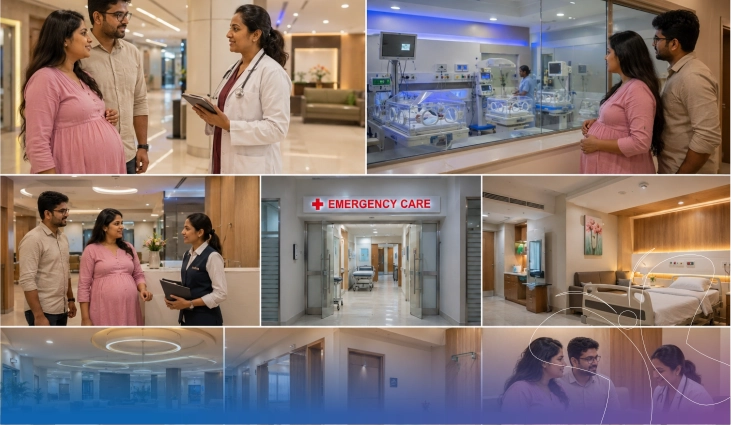
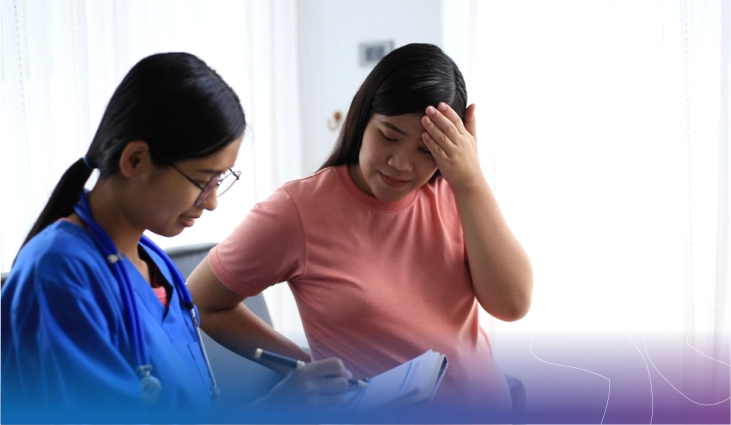
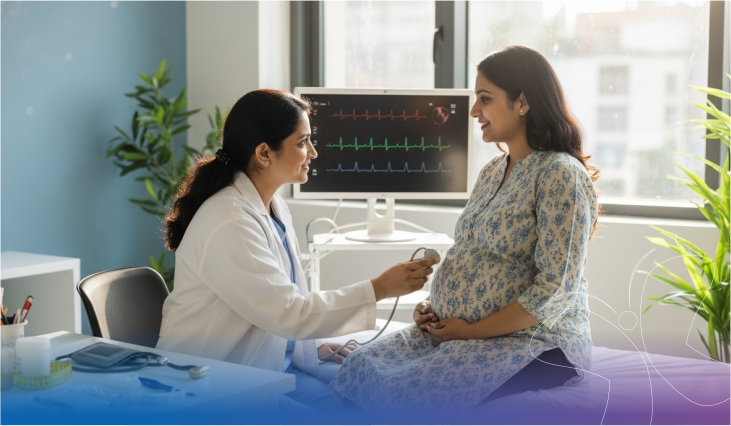
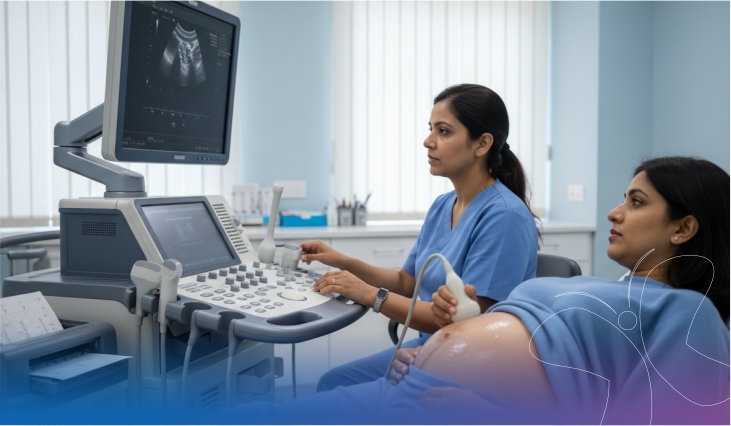
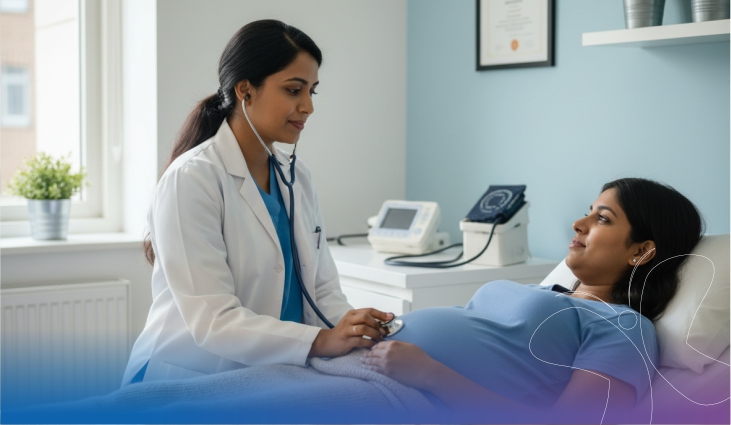
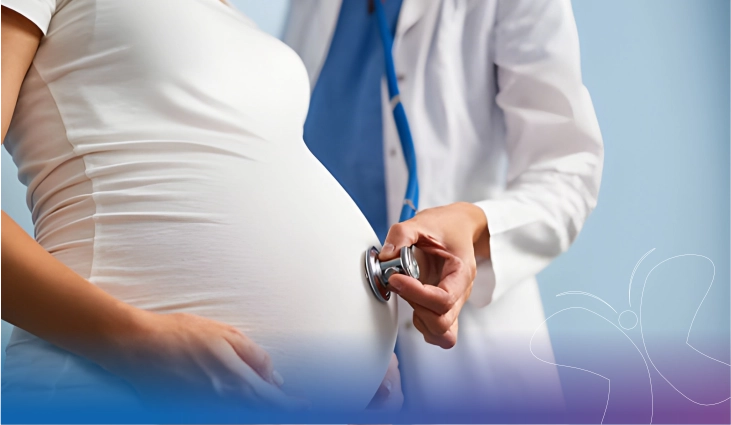
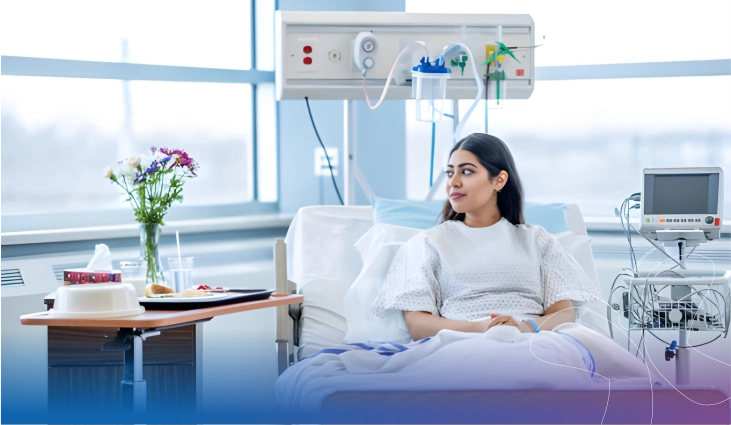
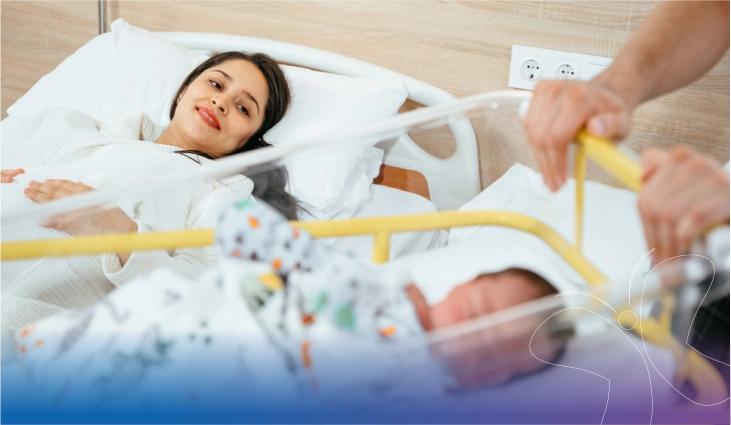
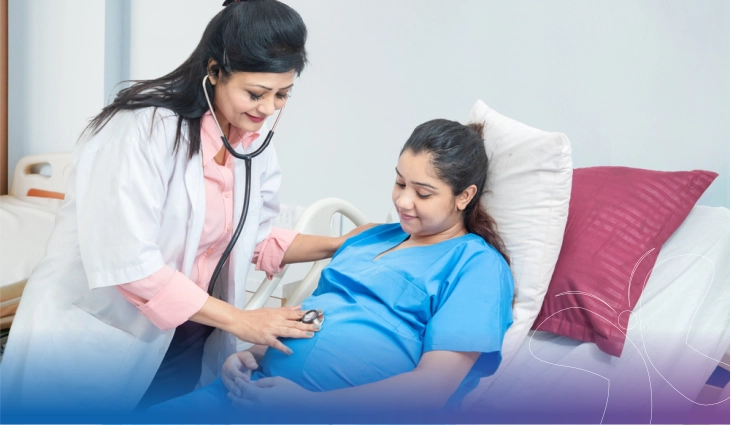
High-risk pregnancies follow a more frequent and detailed monitoring schedule than standard ones. Blood pressure, urine protein, foetal growth measurements, and blood sugar are tracked at shorter intervals because complications in high-risk cases develop faster and with less warning. A top maternity hospital Rajkot provides the specialist team, diagnostic equipment, and emergency response capacity that high-risk pregnancies genuinely require not as a precaution but as a clinical necessity.
Treatment and Care
Treatment follows the specific diagnosis. Gestational diabetes is managed through diet, blood sugar monitoring, and medication if needed. Preeclampsia requires blood pressure control and sometimes early delivery. Preterm labour is managed with medications that delay delivery while supporting foetal lung development.
The best high risk pregnancy care in Rajkot builds a management plan around the individual clinical picture rather than applying a generic protocol to every high-risk case regardless of what the actual risk involves.
Real-Life Example
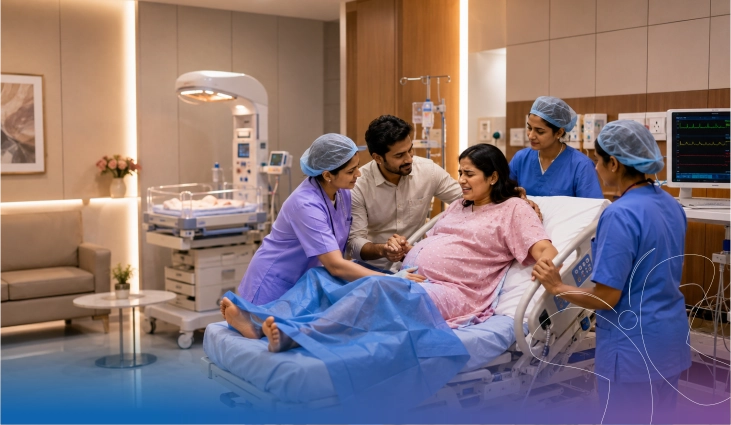
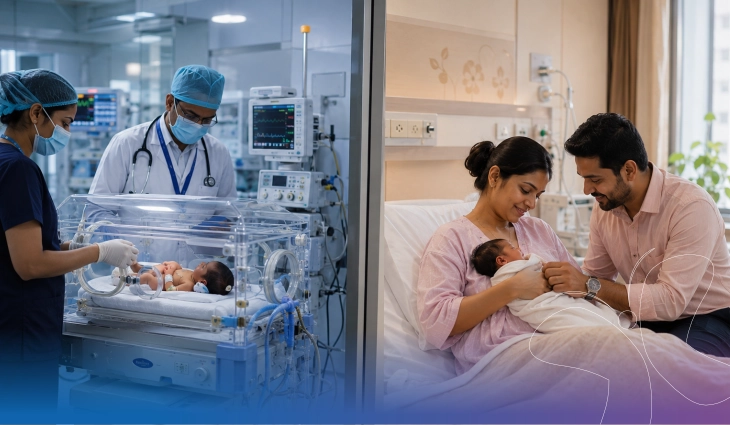
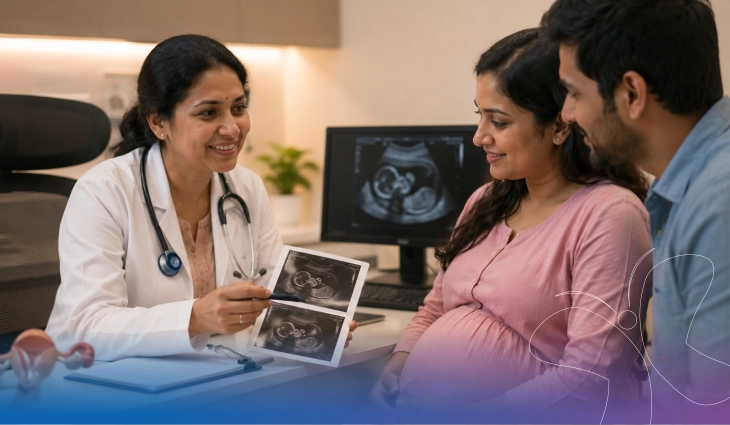
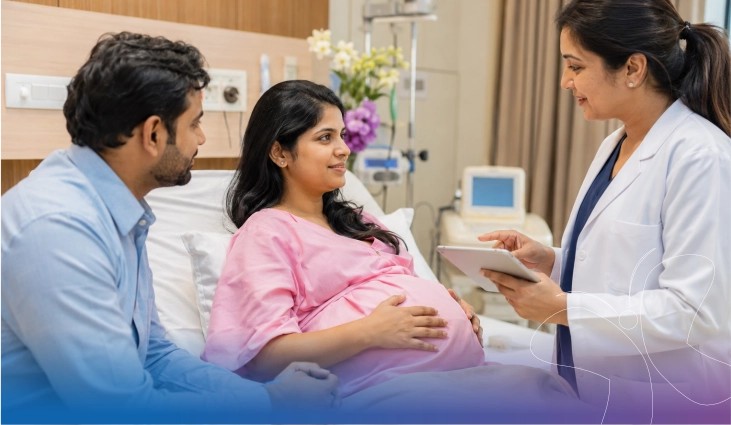
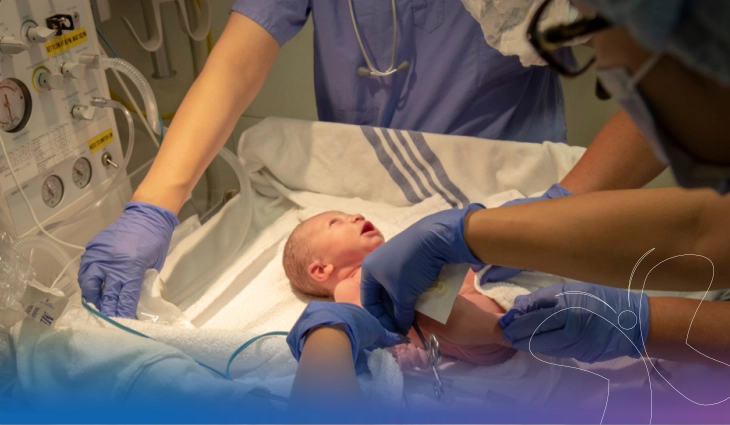
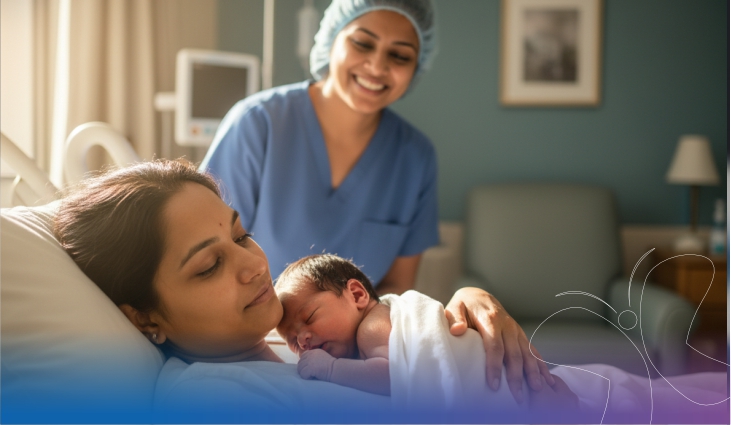
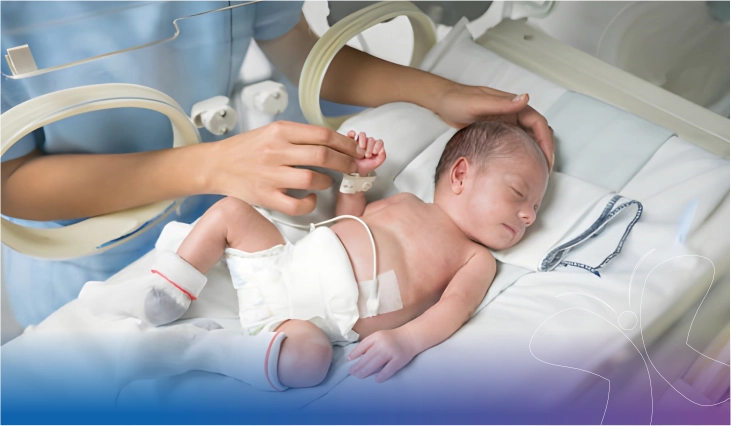
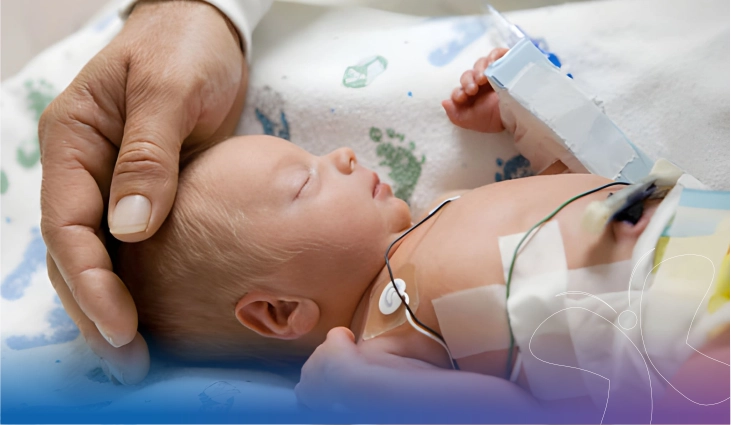
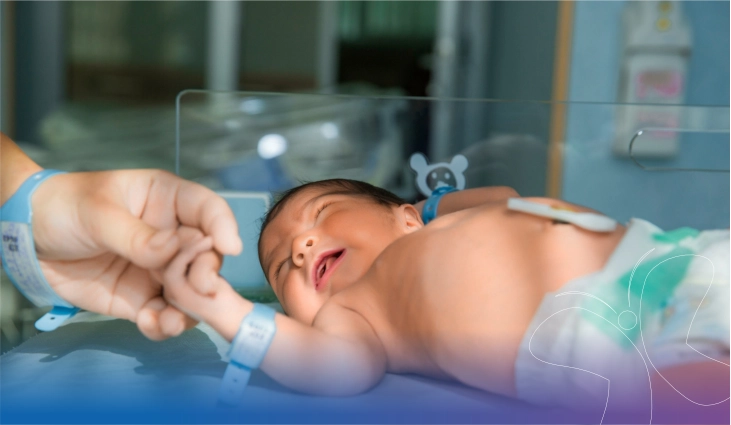
A Lady was 38 with a history of hypertension when she became pregnant. Her doctor flagged the pregnancy as high-risk immediately and set up fortnightly monitoring from the start. At 34 weeks a routine appointment showed elevated protein in her urine alongside rising blood pressure. She was admitted the same day. Labour was induced at 36 weeks. Her baby needed a short stay in the neonatal unit but went home healthy within two weeks. The outcome tracked directly to the monitoring that caught the deterioration before it became an emergency.
Simple Tips for Better Care
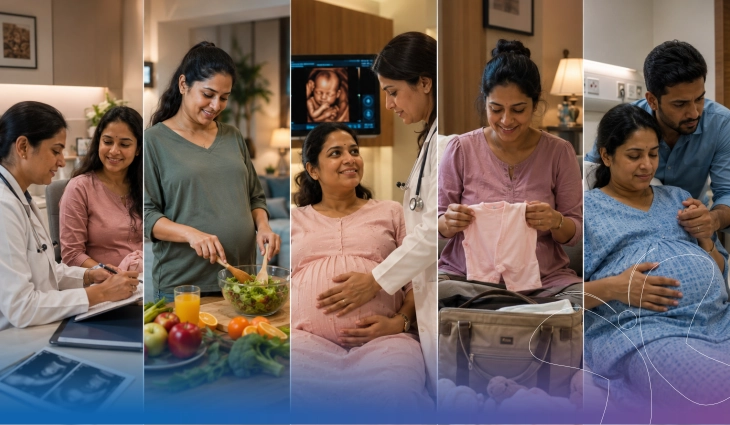
Take every prescribed medication on schedule without skipping doses. Attend every appointment at regardless of how well things feel; high-risk complications often develop without symptoms until they are already advanced.
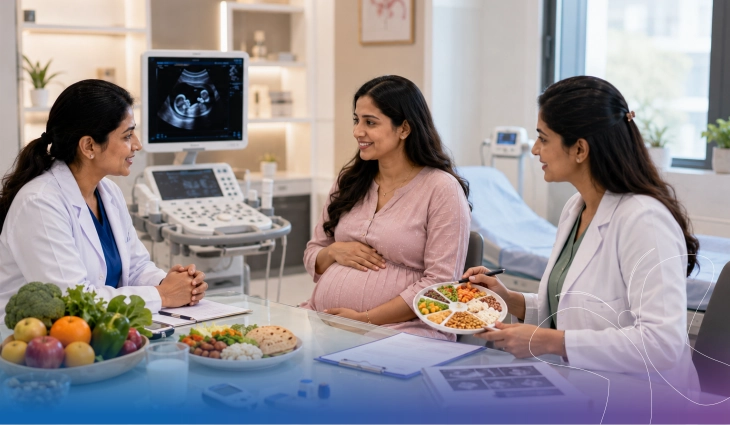
Rest when the body asks for it rather than pushing through. Track fetal movements daily from the third trimester and report any change in pattern immediately. Eat consistently, stay hydrated, and reduce physical activity to the level your doctor recommends.
Conclusion
Pregnancy issues are manageable when identified early. Pregnancy symptoms reported promptly give doctors the time they need to intervene before situations become emergencies.
A high-risk classification means more monitoring and more support, and for most women who receive consistent, specialist-led care throughout, the outcome is the healthy delivery they were working toward all along.