Pregnancy looks different from the outside than it feels from the inside. What appears to be nine months of waiting is actually nine months of constant physical change, medical monitoring, and decision-making that has real consequences for both mother and baby. Understanding what each stage actually involves and what good care looks like at every step makes the whole journey significantly more manageable.
First Trimester: The Beginning Stage
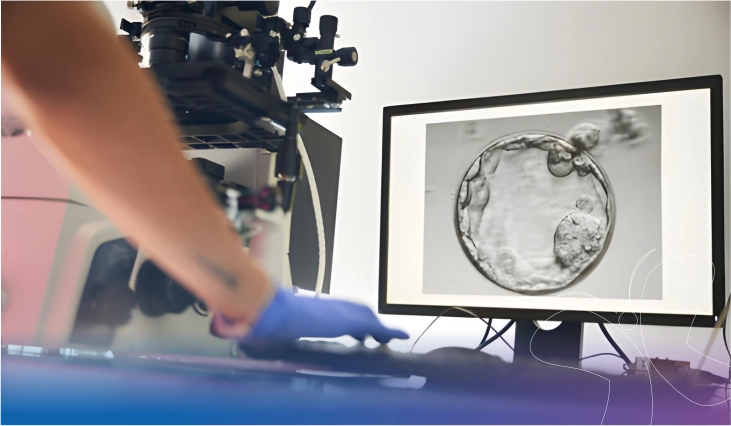
The first twelve weeks are when the baby's brain, heart, and major organs begin forming. Everything critical happens here, often before the pregnancy is even visible. Fatigue, nausea, and mood shifts are the body's response to a completely new hormonal environment uncomfortable, but completely expected.
Importance of Early Care
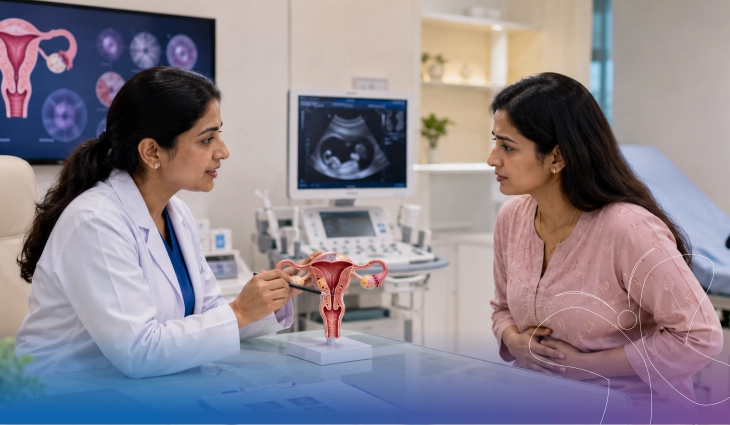
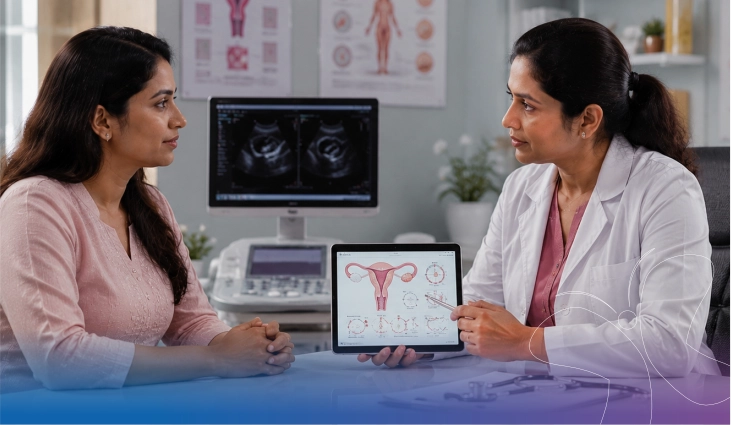
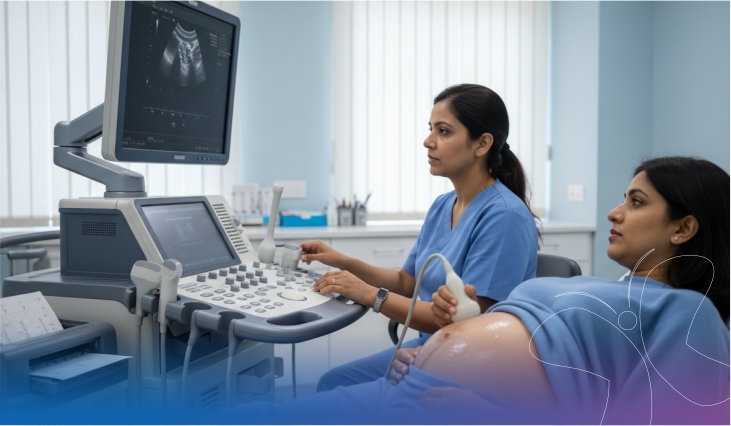
Starting care in the first trimester matters because this is when underlying issues are most important to catch. An Antenatal checkup Rajkot at this stage includes blood tests, blood pressure monitoring, and an early ultrasound to confirm the due date and check for immediate concerns. Anaemia, thyroid problems, and blood sugar irregularities picked up now can be managed before they affect fetal development. Starting late means losing that window.
Second Trimester: The Comfortable Phase
Weeks thirteen through twenty-six bring noticeable relief for most women. Nausea settles, energy returns, and the pregnancy becomes visible. Fetal movement usually felt between weeks eighteen and twenty-two is a milestone that stays with mothers permanently and becomes a daily indicator of the baby's wellbeing going forward.
Focus on Nutrition
What a mother eats directly shapes how her baby develops. A pregnancy diet chart built around vegetables, fruits, whole grains, lean protein, and dairy covers the broad nutritional needs of both. Iron supports increased blood volume. Calcium drives bone development. Folate protects the neural tube. These are specific needs with specific consequences when consistently undersupplied, not vague nutritional suggestions. A doctor can tailor a plan around individual deficiencies found in routine blood work.
Third Trimester: Preparing for Delivery
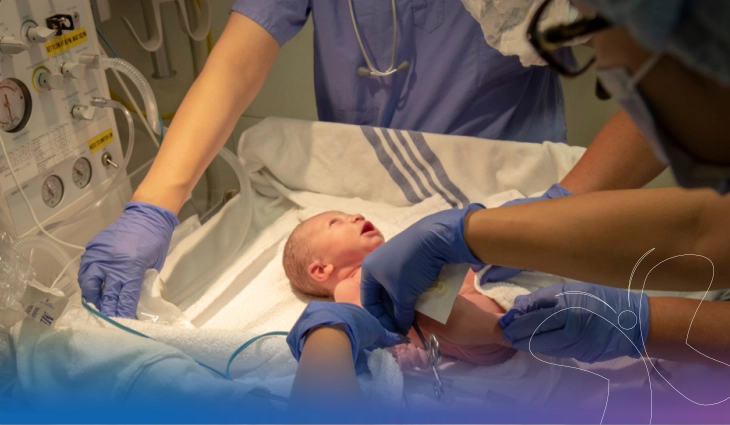
The final trimester is physically the most demanding. The baby is gaining weight rapidly, sleep becomes difficult, and the body is simultaneously preparing for labour. This is also the stage where delivery planning needs to be in place not left to the final weeks. A top maternity hospital in Rajkot chosen and registered with in advance means the medical team knows the full pregnancy history before labour begins, not during it.
Regular Checkups and Monitoring
Antenatal care follows a structured schedule because each visit serves a specific monitoring purpose.
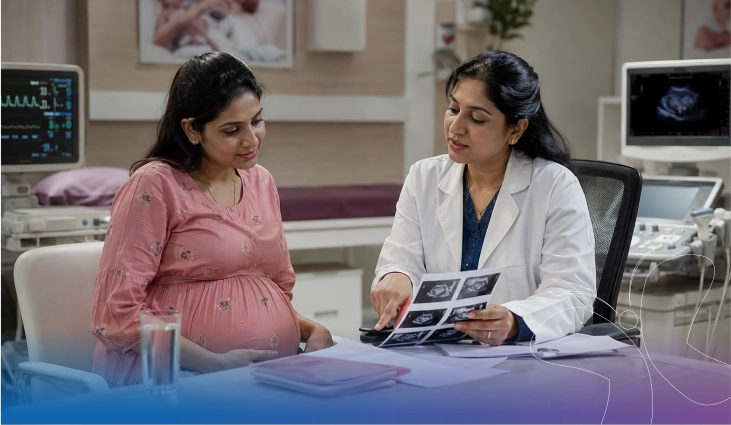
Early visits establish baselines. Mid-pregnancy appointments screen for gestational diabetes and track growth. Late visits focus on fetal position and blood pressure. Keeping every antenatal checkup in Rajkot through the third trimester allows developing complications to be identified and managed before they become emergencies.
Real-Life Example
A lady registered with the best pregnancy care hospital in Rajkot at eight weeks. Her first blood tests revealed mild anaemia she had no symptoms for. Her doctor adjusted her diet, updated her pregnancy diet chart, and scheduled closer monitoring through the first trimester.
She stayed consistent with every appointment and every dietary recommendation. When she delivered at thirty-nine weeks, the team had her full history on file and her delivery was straightforward. None of that was coincidence.
Simple Tips for a Healthy Pregnancy
Walk thirty minutes daily for as long as it is comfortable. Staying well hydrated dehydration increases contraction risk. Sleep on the left side from the second trimester onward to improve blood flow to the placenta.
Never take any supplement without checking with a doctor first, even something that seems harmless.
Conclusion
Good pregnancy outcomes follow from consistent decisions across all nine months. Starting care early, maintaining a proper diet, and keeping every appointment are not cautious suggestions; they are the difference between a pregnancy that is managed well and one that simply gets through.