PCOS is something millions of women deal with every day, yet most of them had no idea what was happening until a doctor finally put a name to it. For years, the symptoms get explained away stress, bad diet, hormones just being hormones. By the time a proper diagnosis arrives, many women have already spent a long time feeling like something is wrong without knowing what or why. Understanding PCOS early changes that entirely.
What Is PCOS?
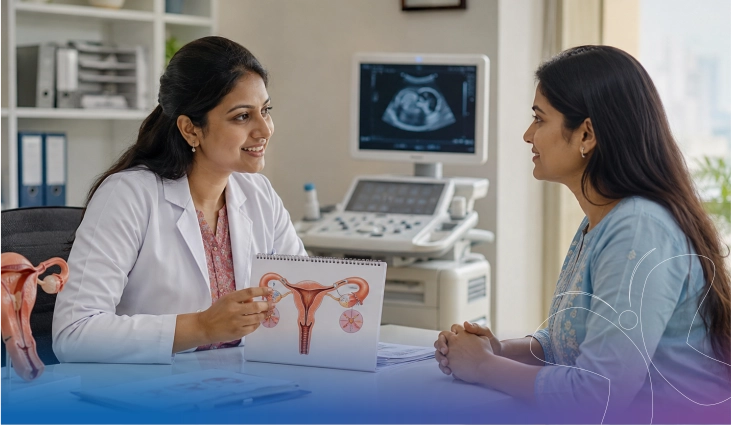
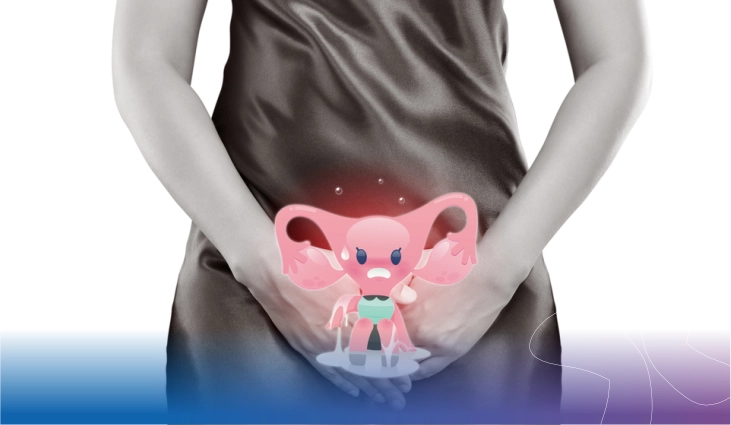
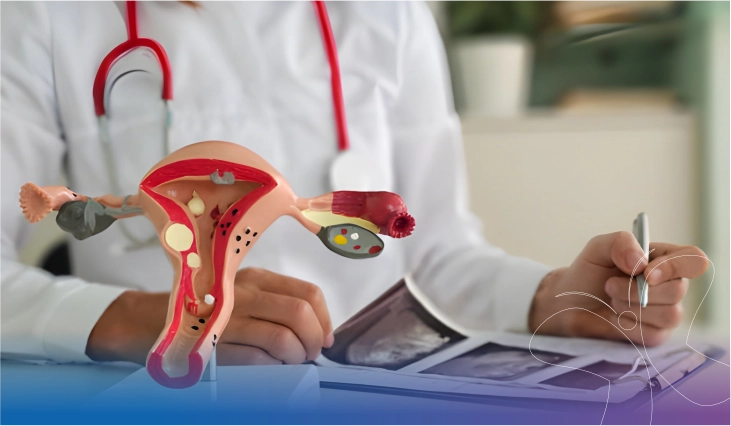
PCOS stands for Polycystic Ovary Syndrome. It is a hormonal disorder where the ovaries do not function the way they should. Hormone levels fall out of their normal balance, ovulation becomes unpredictable or stops, and the effects show up across multiple systems in the body, not just the reproductive system. Weight, skin, energy, and mood are all fair game.
Common Signs to Watch For
PCOS symptoms in women do not follow a fixed pattern, which makes the condition genuinely easy to miss. Irregular periods are usually the clearest early indicator. Beyond that, persistent acne, weight that keeps climbing without obvious cause, extra hair growth on the face or body, and thinning hair on the scalp are all signs worth paying attention to. Constant tiredness and difficulty shifting weight despite honest effort are complaints that come up again and again. Some women have several of these at once. Others have just one or two and do not connect them until a doctor does.
What Causes PCOS?
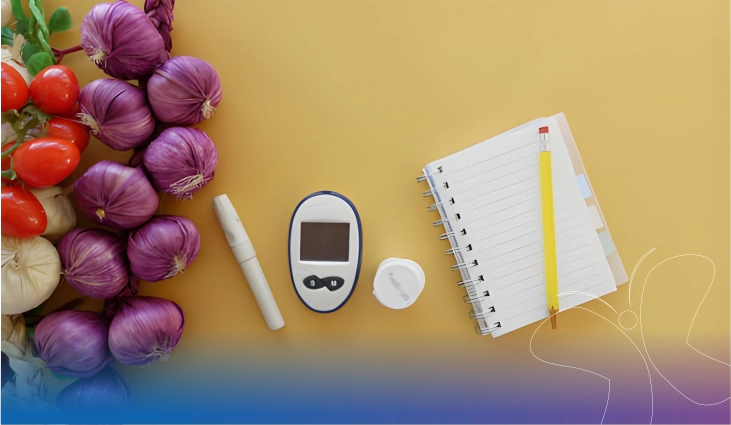
Pinning down PCOS causes is not always straightforward because multiple factors tend to overlap. High androgen levels hormones present in all women but elevated in PCOS disrupt ovulation and produce many of the outward symptoms. Insulin resistance feeds into this directly. When the body cannot use insulin efficiently, it makes more, and higher insulin drives androgen levels further up.
Family history is another real factor. If your mother or sister has PCOS, your own chances of developing it are higher than average, a pattern consistent enough to suggest a genetic component running alongside the hormonal ones.
How PCOS Affects Daily Life
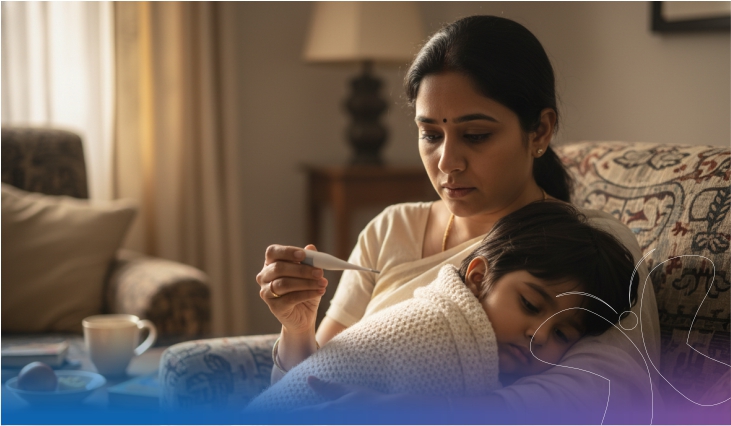
The clinical side of PCOS is one part of the picture. The daily reality is another. Fatigue that does not respond to rest, skin that keeps breaking out no matter what products are used, and weight that refuses to move despite genuine effort these things stack up and affect how a woman feels about herself and her body over time. The emotional weight of managing a condition that often goes undiagnosed for years adds another layer on top of the physical symptoms.
Treatment Options for PCOS
There is no permanent cure for PCOS, but consistent management keeps symptoms under control effectively enough that most women live completely normal lives. Diet and exercise sit at the foundation of eating in a way that stabilises blood sugar and moving regularly have a direct effect on the hormonal imbalances driving everything else.
Medication comes in when lifestyle changes are not sufficient, with the specific prescription depending on what the individual's symptoms actually are. Women exploring the best PCOS treatment in Rajkot will find that a personalised approach built around their specific test results and symptom pattern works considerably better than a generic one.
Importance of Medical Guidance
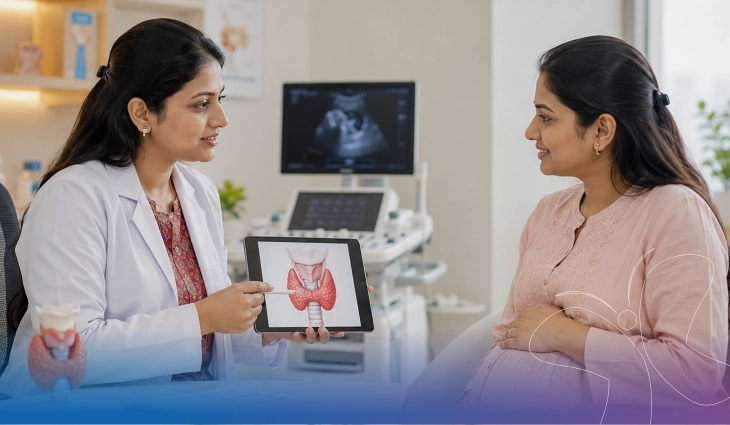
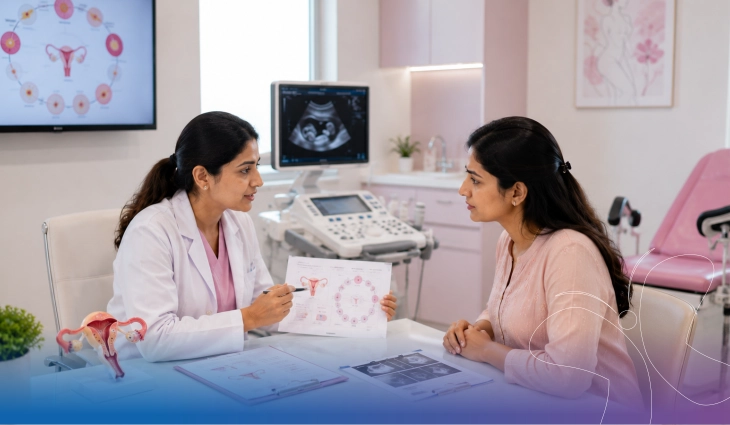
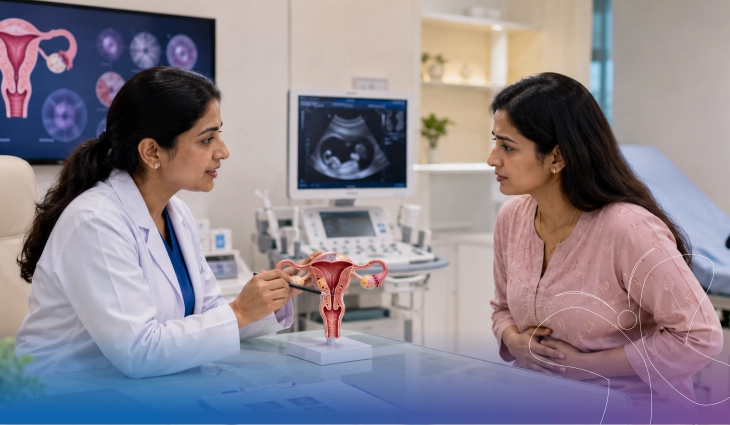
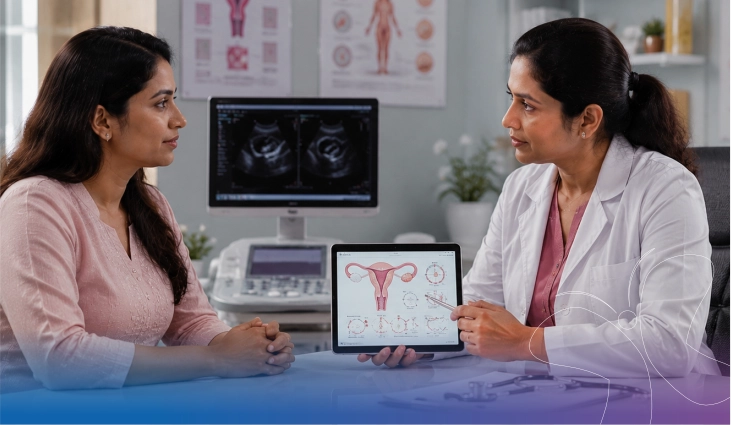
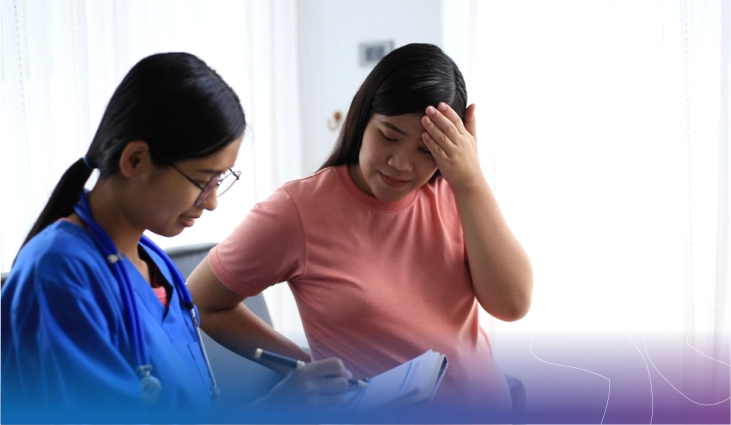
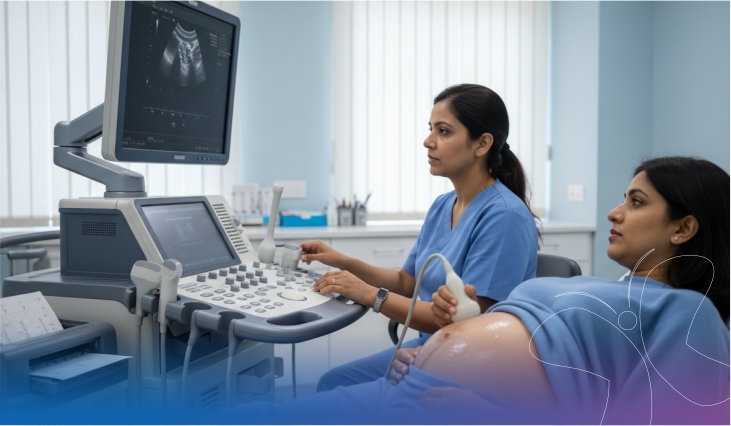
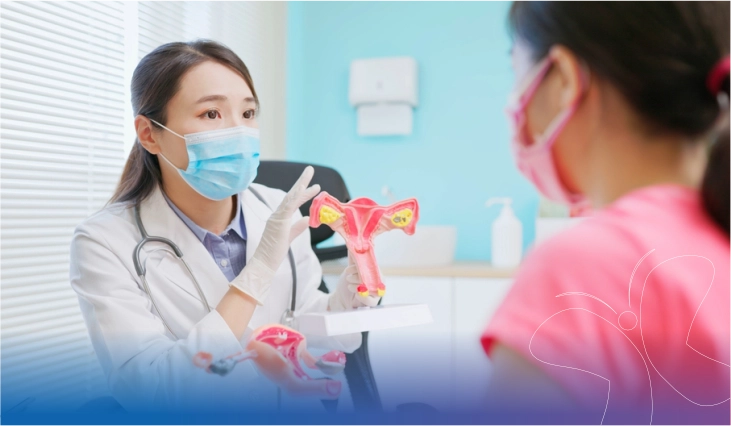
Getting a proper diagnosis matters because PCOS overlaps with other hormonal conditions that need different treatment entirely. Blood work, an ultrasound, and a thorough symptom review together give the full picture. A top gynaecologist for PCOS in Rajkot will work through all of that before recommending anything because the right treatment depends entirely on what is actually going on, not just what the symptoms suggest on the surface.
Real-Life Example
Sonal was 26 when her periods became irregular and her weight started going up steadily. She assumed it was her lifestyle and changed her diet twice without results. A doctor visit, some blood tests, and an ultrasound later PCOS. Her treatment combined dietary adjustments with medication targeting her specific hormone levels. Six months in, her cycle had stabilised and her energy had returned. The diagnosis was not the end of something. It was the beginning of actually managing her health properly.
Simple Tips to Manage PCOS
Cut back on refined carbohydrates and increase fibre and protein this directly targets insulin resistance. Exercise consistently rather than in occasional intense bursts. Manage stress deliberately, not as an afterthought, because elevated cortisol makes hormonal imbalance worse. These habits are not a replacement for medical treatment but they make everything else work better.
Conclusion
PCOS is common, manageable, and far less overwhelming once it is properly understood and treated. If the symptoms described here feel familiar, the right move is a proper medical evaluation not waiting to see if things improve on their own. The earlier the diagnosis, the easier the management.