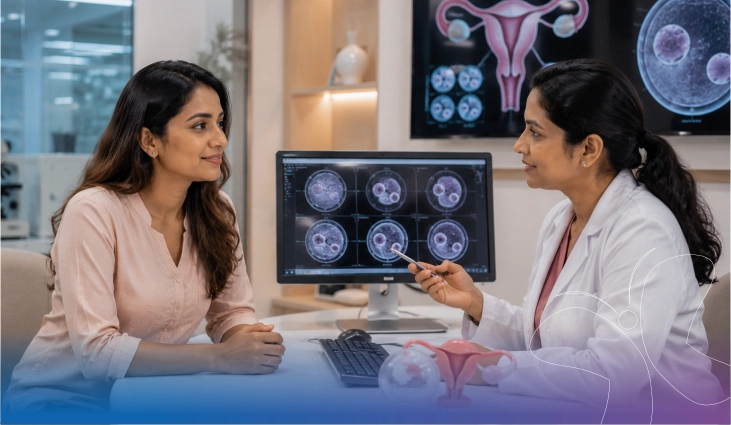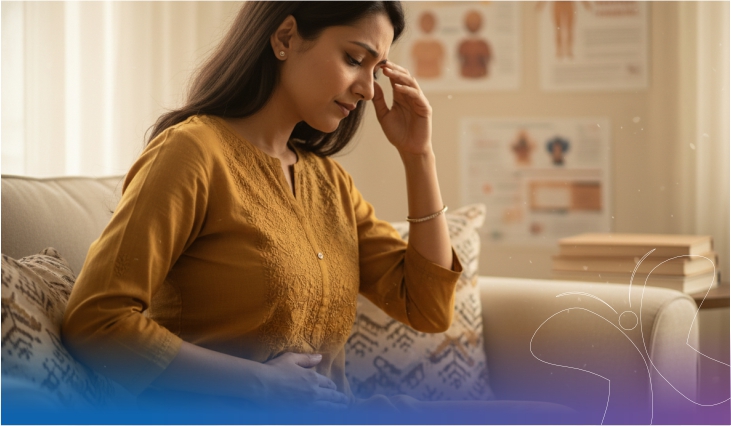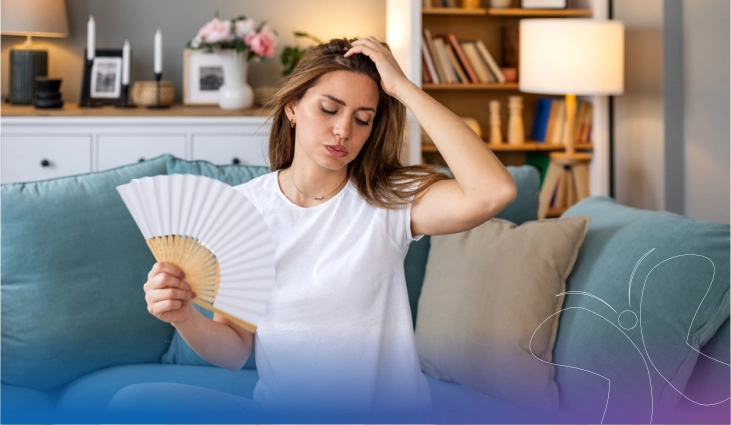
Every woman reaches menopause eventually, but very few feel genuinely prepared for it when it arrives. The physical symptoms get talked about occasionally. The emotional side rarely does. And the reality of managing both together while continuing to work, maintain relationships, and function normally is something most women figure out largely on their own. It does not have to be that way.
What Is Menopause?
Menopause is reached when periods have stopped for twelve consecutive months. It typically happens between 45 and 55 as estrogen and progesterone levels decline naturally with age. It is a biological transition, not a medical problem but the symptoms it produces are real and in many cases significant enough to affect daily life in ways that deserve proper attention rather than quiet endurance.
Common Symptoms of Menopause
Menopause symptoms in women differ widely in type, timing, and intensity. Some women experience mild disruption for a short period. Others deal with symptoms that affect sleep, concentration, mood, and energy for several years.
Irregular periods are usually the first signal. Hot flashes, night sweats, persistent fatigue, joint stiffness, weight gain around the abdomen, and mood swings follow for many women. Difficulty sleeping whether from night sweats or anxiety compounds everything else because exhaustion makes every other symptom harder to manage. Vaginal dryness and reduced libido are equally common but discussed far less openly despite being just as treatable.
Understanding Hot Flashes
Hot flashes are the symptom most closely associated with menopause and the one that disrupts daily life most consistently. They arrive without warning: a sudden wave of intense heat spreading across the face, neck, and chest, followed by sweating and often a cold chill afterward. They last anywhere from seconds to several minutes and can occur multiple times daily, including through the night.
Effective hot flashes treatment starts with identifying personal triggers caffeine, alcohol, spicy food, and stress all commonly provoke them. Keeping environments cool, wearing breathable fabrics, and managing stress reduce frequency for many women. When lifestyle adjustments are not enough, medical treatment including hormone therapy addresses the root hormonal cause rather than just managing individual episodes.
Emotional and Physical Changes
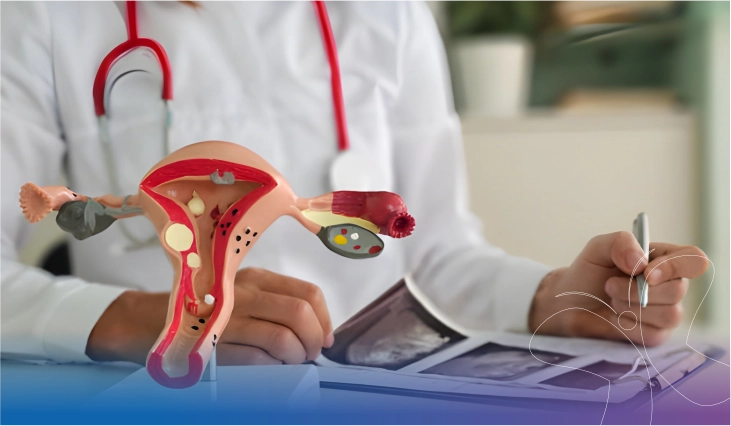
Oestrogen affects the brain, bones, skin, and cardiovascular system, not just the reproductive organs. As levels fall, the impact spreads across all of these areas simultaneously. Anxiety, low mood, and irritability during menopause are hormonal responses, not character flaws or weakness.
Bone density decreases meaningfully in the years immediately following menopause. Skin becomes thinner and drier. Cardiovascular risk increases. Recognising these as physiological changes rather than personal failings makes them considerably easier to address practically.
Treatment Options for Menopause
A calcium-rich diet, regular weight-bearing exercise, and deliberate stress management form the foundation of menopause care for most women. These are not vague lifestyle suggestions; they have direct, measurable effects on bone density, mood, and hot flash frequency.
When symptoms are severe, medical treatment changes outcomes significantly. Hormone replacement therapy remains the most effective option for managing significant menopausal symptoms and is appropriate for many women when assessed and prescribed properly.
Non-hormonal alternatives exist for those who cannot or prefer not to use hormones. Women looking for the best menopause treatment in Rajkot will find that a thorough clinical assessment, not a standard prescription handed to every patient, is what produces results that actually hold.
Importance of Medical Guidance
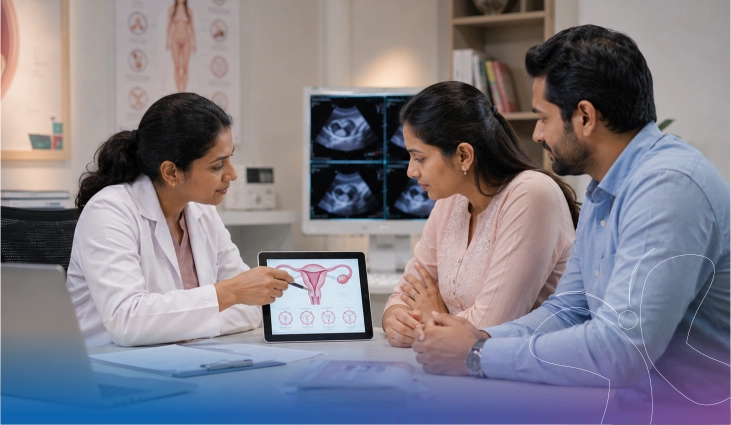
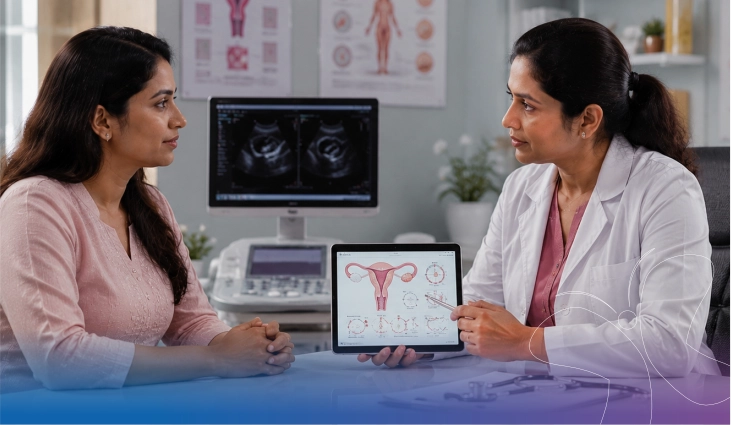
The right menopause management plan depends on symptom severity, personal medical history, family history, and individual preferences. A top gynaecologist in Rajkot builds that plan around the individual rather than applying a generic approach.
Self-managing severe symptoms without proper guidance almost always means prolonged discomfort that targeted treatment could have resolved far sooner.
Real-Life Example
A lady was 52 and had been waking four times a night from hot flashes for five months. She was exhausted and short-tempered and had convinced herself it was simply something to get through. When concentration at work began slipping, she finally saw a top gynecologist Rajkot. Blood tests confirmed menopause. A combination of dietary changes and hormone therapy reduced her hot flashes within weeks and her sleep normalised within a month. She said the only thing she regretted was waiting as long as she did.
Simple Tips to Manage Menopause
Increase calcium and vitamin D intake to protect bone density. Exercise most days walking and weight-bearing activity support bones, heart health, and mood simultaneously. Cut back on caffeine and alcohol, both common hot flash triggers. Keep the bedroom cool and maintain consistent sleep habits. These habits support whatever medical treatment is in place and improve its effectiveness considerably.
Conclusion
Menopause symptoms in women range from barely noticeable to genuinely disruptive, and the full range deserves an appropriate response. Managing this transition well is not about pushing through. It is about understanding what is happening, getting the right guidance, and making decisions that protect long-term health. If symptoms are affecting daily life, proper medical evaluation is always worth it.