Introduction
Most expecting mothers hope for a natural birth. The reasons are straightforward: faster recovery, shorter hospital stay, and fewer post-delivery complications. What is less straightforward is how to genuinely prepare for it. The difference between hoping for a normal delivery and actively working toward one comes down to habits built consistently across the months before labour begins.
Movement Is Preparation, Not Optional Extra
The body prepares for labour across the entire pregnancy, not just in the final weeks. Muscles that have been active throughout the pregnancy respond differently to the demands of labour than those that have been largely sedentary.
Walking is the most accessible and consistently recommended form of activity during pregnancy. Thirty minutes daily at a pace that allows comfortable conversation, supports cardiovascular health, maintains healthy weight gain, and encourages the baby into an optimal position as the pregnancy progresses. It requires no equipment, no instruction, and no gym membership.
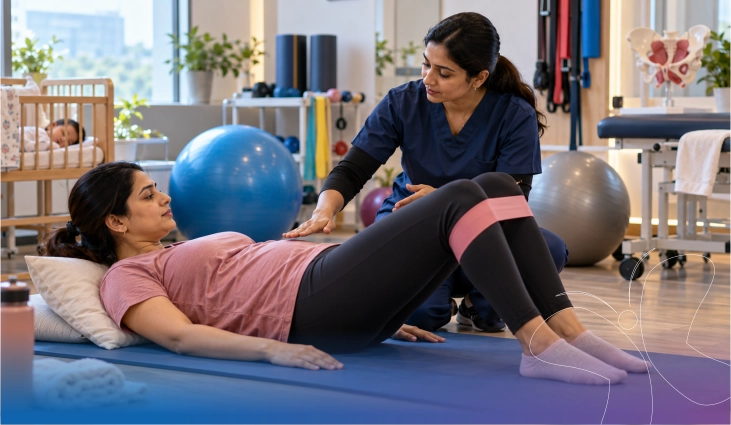
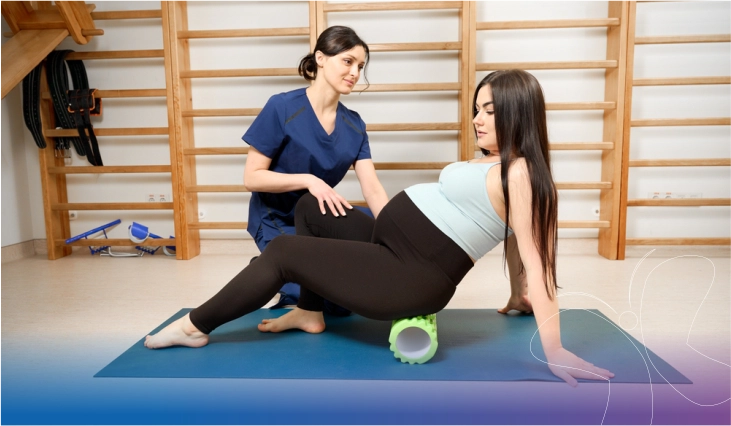
Prenatal yoga adds flexibility and breath awareness, which both have direct applications during labour. The hip-opening postures that feature in most prenatal yoga sequences are not incidental they are specifically relevant to the physical demands of natural birth. The breathing techniques practised in these sessions become tools that a woman can use during contractions rather than techniques she is learning for the first time under pressure.
These normal delivery exercises, combined with regular walking, form the physical foundation of natural birth preparation. Neither requires extraordinary effort. Both require consistency.
Nutrition That Supports What the Body Is Doing
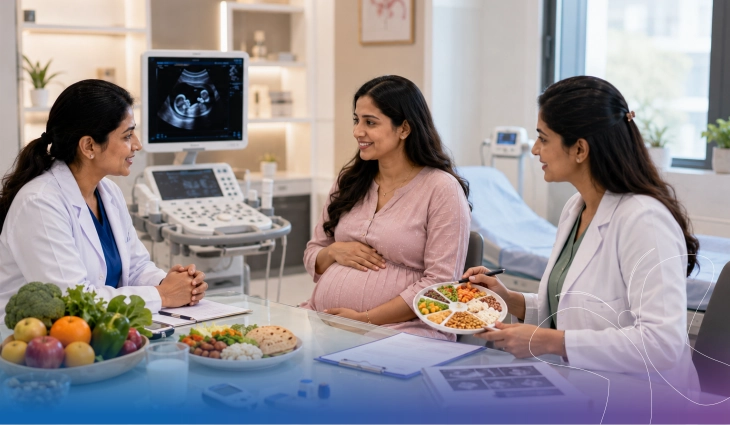
Energy demands increase across pregnancy, and the quality of what supplies that energy matters. A diet built around processed food and refined carbohydrates does not support the physical demands of labour the same way one built around whole foods, adequate protein, iron, and hydration does.
Iron supports the increased blood volume pregnancy requires and reduces fatigue that makes everything harder. Protein supports foetal tissue development and maintains maternal muscle strength. Calcium protects bone density as the baby draws on maternal reserves. Water consistently adequate throughout the day, not in large amounts, occasionally affects amniotic fluid levels, kidney function, and energy more directly than most women realise.
Natural childbirth tips in India practitioners and obstetricians consistently emphasise are not complicated fresh vegetables, seasonal fruit, legumes, dairy, eggs, and adequate hydration, maintained consistently rather than approached intensively close to the due date.
Neha adjusted her diet at the beginning of her second trimester and maintained it without dramatic restriction or obsessive tracking. She describes the energy she carried into her third trimester and through labour as directly connected to what she had been eating for months.
Mental Preparation Is as Real as Physical Preparation
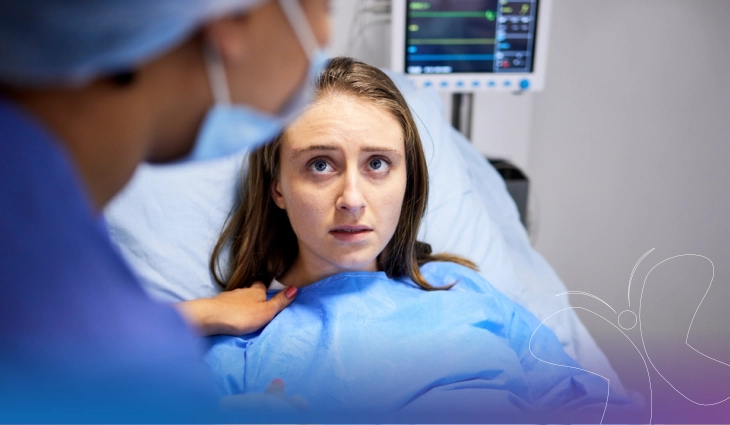
Fear during labour is physiologically significant. Anxiety triggers hormonal responses that can slow contractions, increase pain perception, and interfere with the natural progression of labour. This is not a matter of willpower; it is a documented physiological relationship between mental state and labour progress.
Pregnancy exercise guide, not learned theoretically but practised until it becomes a habitual response to discomfort, give a labouring woman a tool that actually works when she needs it. The familiarity of the technique under calm conditions is what makes it accessible under pressure.
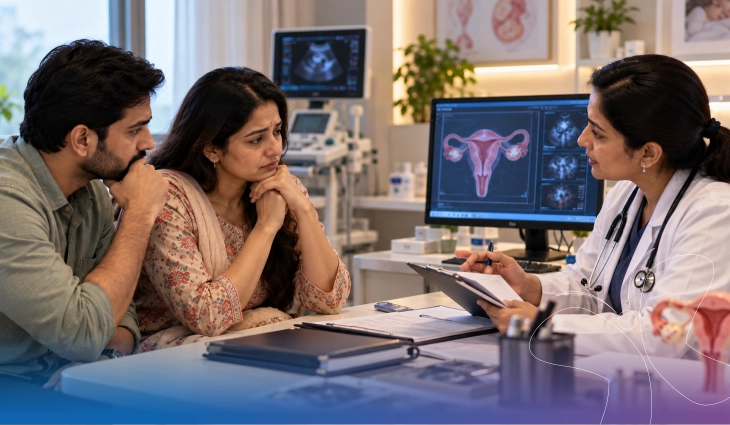
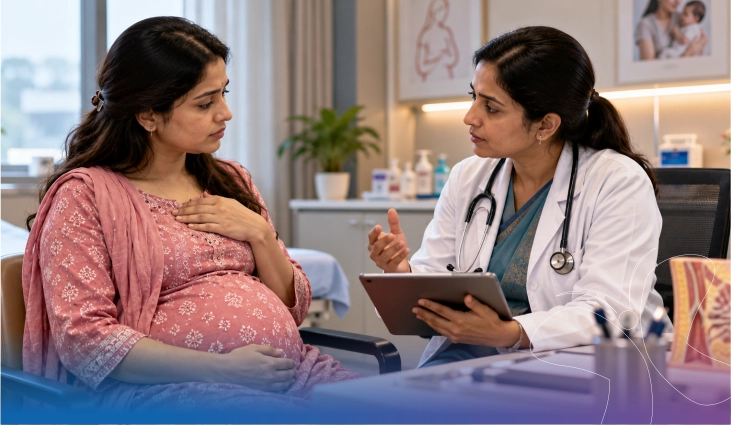
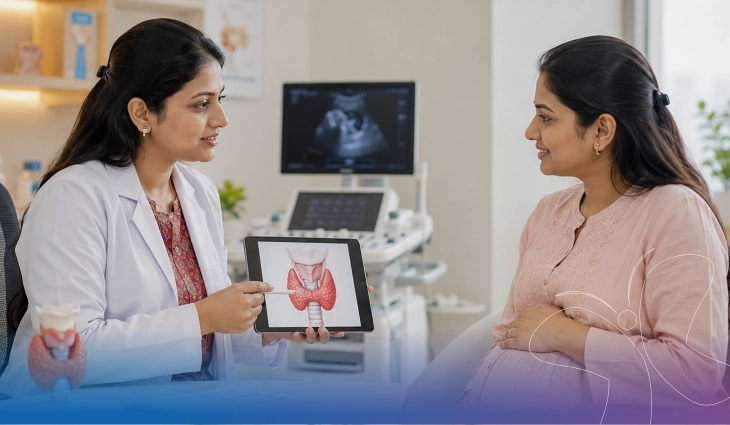
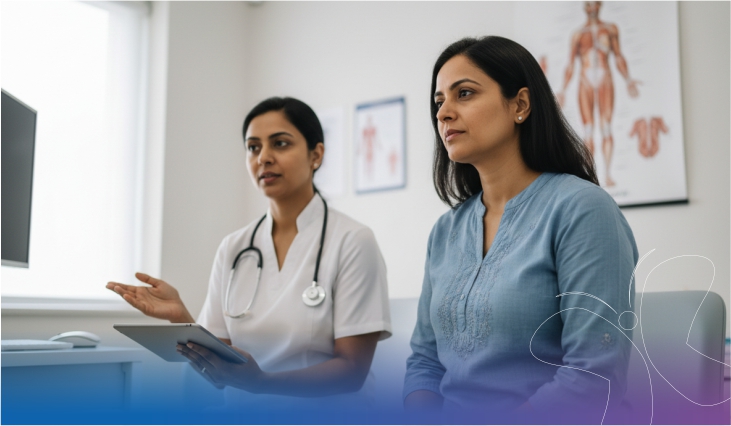
Antenatal classes, honest conversations with the obstetric team, and clear birth preferences discussed with a doctor before labour begins all reduce the anxiety that comes from uncertainty. Knowing what to expect and knowing that your care team knows what you want creates a foundation of confidence that physical preparation alone cannot provide.
For women with specific pain management concerns, discussing options like a painless delivery hospital in Rajkot facilities offer with their doctor during the third trimester removes one source of anxiety well before it becomes relevant.
The Role of Regular Checkups
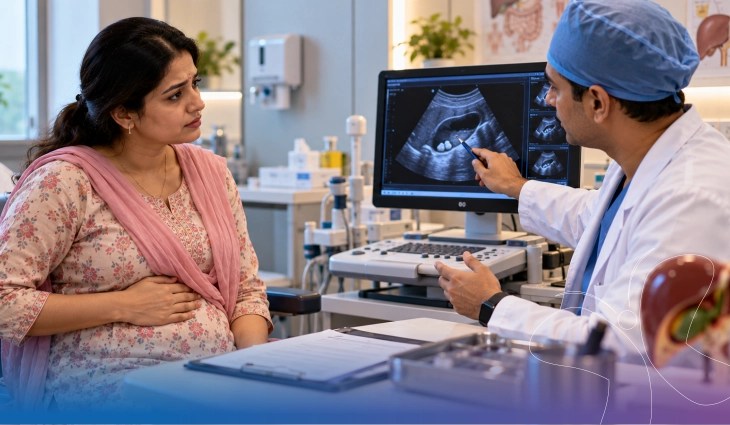
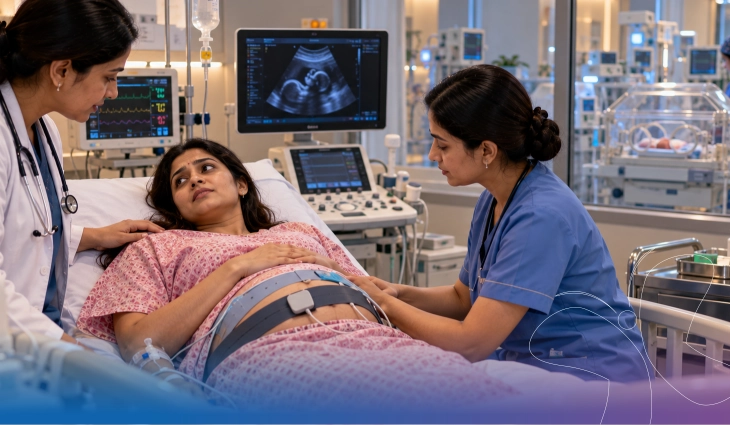
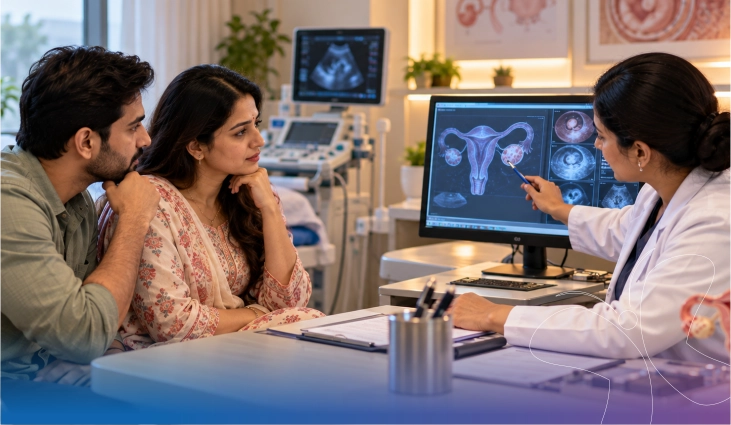
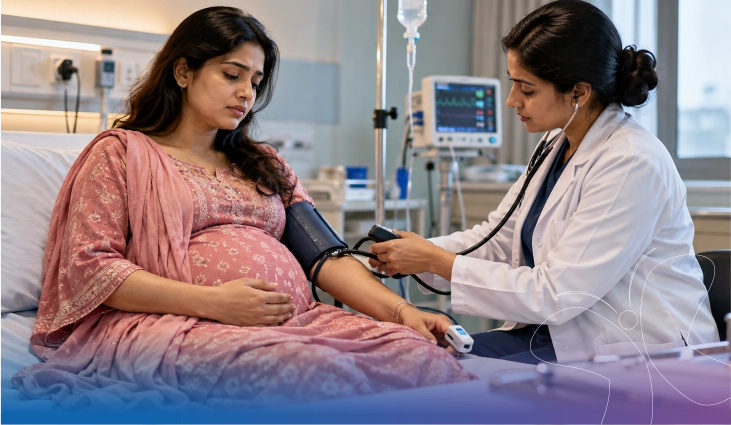
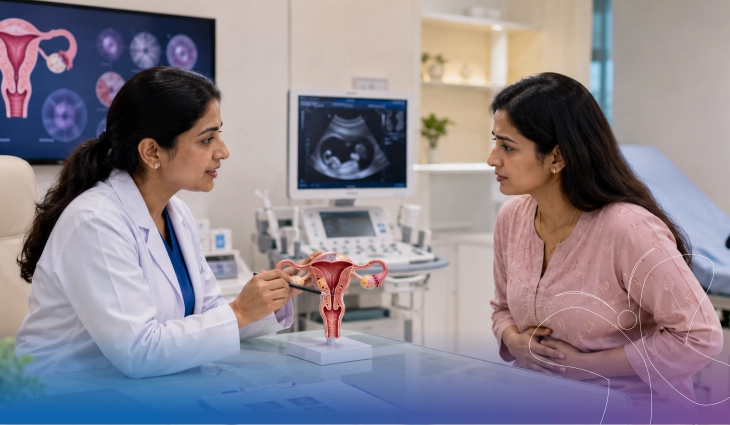
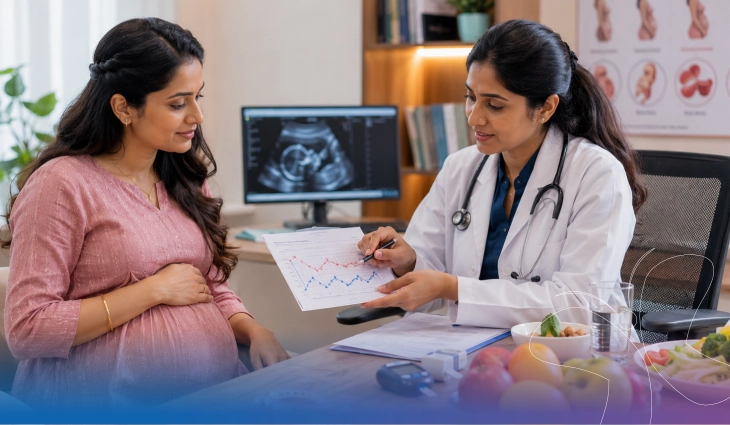
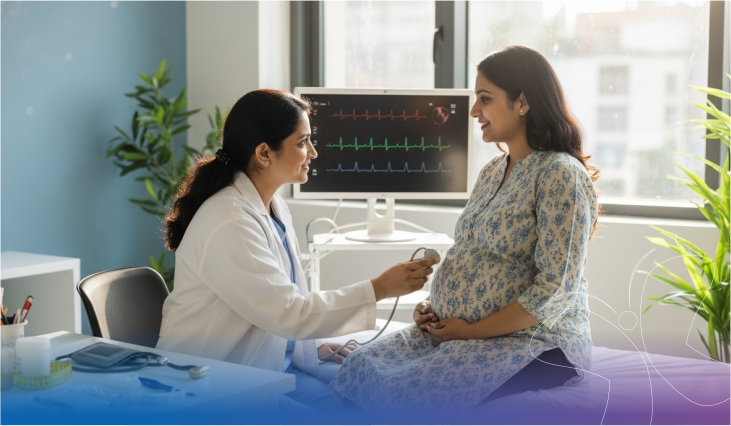
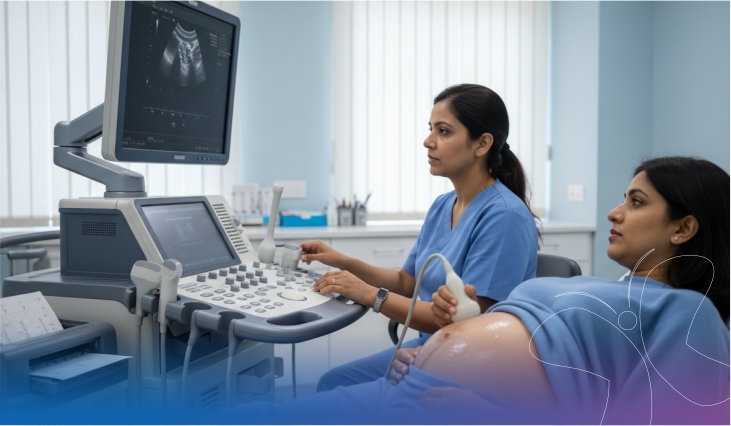
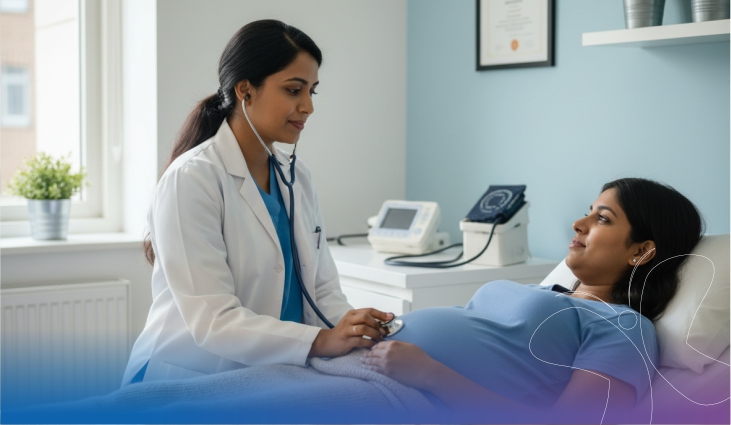
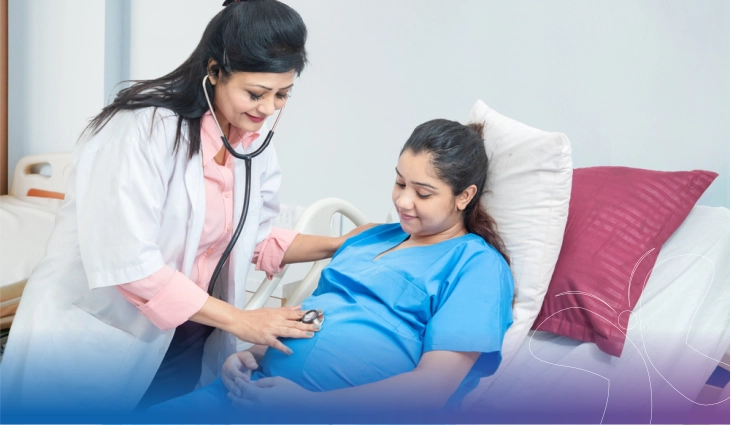
No amount of home preparation replaces clinical monitoring. Foetal position, amniotic fluid levels, placenta location, and maternal blood pressure all influence whether a normal delivery is appropriate and these factors can change in the final weeks.
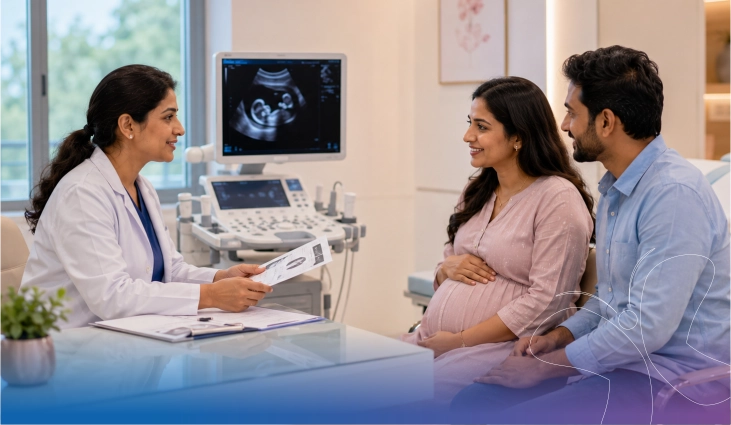
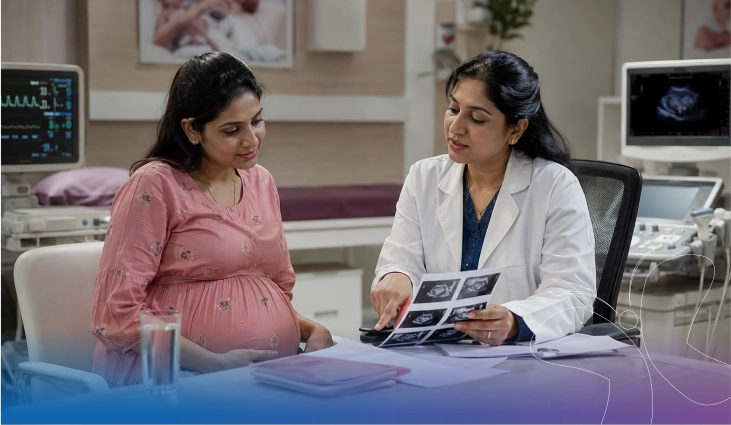
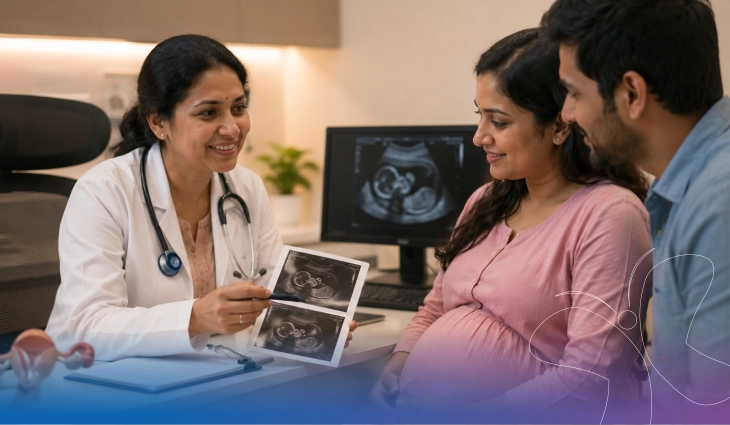
Attending every scheduled appointment gives the medical team the current information needed to support the birth plan a mother has worked toward. Missing appointments in the final trimester does not just delay information it removes the safety net that makes a planned natural delivery genuinely safe.
Conclusion
Preparing for a normal delivery is a process built across months through consistent, unglamorous daily habits, regular movement, deliberate nutrition, practised breathing, and honest engagement with a medical team that knows the full picture.
Following practical tips for normal delivery that address physical preparation, nutrition, and mental readiness together produces the best possible conditions for the outcome most mothers are working toward.
Start early. Stay consistent. Trust the process and the team supporting it.