Introduction
Nine months sounds like a long time until you are inside them. Each trimester brings changes that feel sudden even when they are entirely expected and the families who navigate pregnancy most confidently are those who understood what was coming before it arrived. Good antenatal care in Rajkot, care is not complicated. It is consistent, informed, and starts earlier than most people think necessary.
First Trimester: The Foundation Stage
The first three months are the most medically critical of the entire pregnancy. The baby's organ systems form during this period, which is why what happens in these weeks carries consequences that extend far beyond them.
Symptoms like nausea, fatigue, and heightened sensitivity to smell and food are the body's response to rapid hormonal change. They are normal, they are temporary, and they are not a reliable indicator of how the pregnancy is progressing. A mother who feels well is not necessarily doing better than one who feels exhausted.
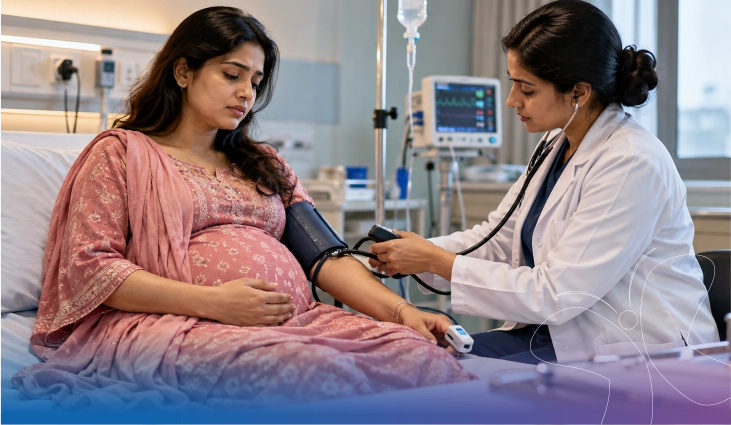
The first medical appointment should happen within the first few weeks of a confirmed pregnancy. Blood pressure, weight, blood group, haemoglobin, and early foetal confirmation establish the reference points that make every subsequent appointment meaningful. These measurements cannot be reconstructed retroactively.
Nutrition at this stage should be deliberate iron-rich foods, dairy, lentils, seasonal vegetables, and adequate protein. Prescribed supplements, particularly folic acid, support neural tube development during a window that closes early. Taking them occasionally is not the same as taking them consistently.
Second Trimester: Stability and Monitoring
The second trimester is typically the most physically comfortable phase. Energy returns, nausea fades, and the pregnancy becomes visibly apparent. Foetal movements begin initially gentle, then increasingly purposeful.
Appointments during this phase screen for conditions that silently develop gestational diabetes, anaemia, and foetal growth restriction. These are not rare complications. They are common, manageable when caught early, and easily missed when checkups are skipped.
Walking, prenatal yoga, and swimming support maternal health during this trimester for women without specific restrictions. Physical activity at a moderate, consistent level improves sleep, manages weight gain, and reduces the risk of gestational hypertension. Confirm with your doctor before starting anything new.
Third Trimester: Preparation Becomes Concrete
The final trimester is where preparation moves from planning to execution. The baby gains most of its birth weight during these weeks. Appointments increase in frequency every two weeks, then weekly in the final month monitoring foetal position, fluid levels, blood pressure, and growth.
Choosing a hospital during this trimester not during labour is one of the most practical decisions a family can make. Visit the facility before you need it urgently. Ask about the obstetric team's experience, surgical availability, and emergency response protocols. A maternity care hospital in Rajkot families choose based on clinical quality rather than proximity alone provides a level of confidence that matters significantly when delivery approaches.
Delivery: The Decision That Belongs to Clinical Reality
Normal delivery supports faster recovery and shorter hospital stay when the pregnancy has progressed without significant complications. Caesarean delivery is major surgery recovery that extends across weeks, not days, and requires organised home support during healing.
The right delivery method is not chosen by preference. It is determined by foetal position, maternal health, labour progression, and the clinical judgment of a team with full information. Both methods, in the right circumstances, produce the outcome that matters most a healthy mother and a healthy baby.
Four Habits That Define a Well-Managed Pregnancy
Attend every scheduled appointment without treating any as dispensable. Maintain pregnancy diet plan india for nutritional consistency in iron, calcium, protein, and hydration across all three trimesters, not just when symptoms prompt attention. Stay physically active within your doctor's specific guidance. Communicating openly about how you are feeling, physically and emotionally anxiety during pregnancy is common, recognised, and worth raising with your care team rather than managing alone.
Conclusion
Pregnancy rewards preparation and consistency more than anxiety and last-minute decisions. Following sound pregnancy care tips month by month, attending the full pregnancy checkup schedule, eating with genuine nutritional intention, and choosing the right hospital early are the habits that make nine months manageable and the delivery safe.
Trust your medical team. Prepare before each stage arrives. The rest follows.