Introduction
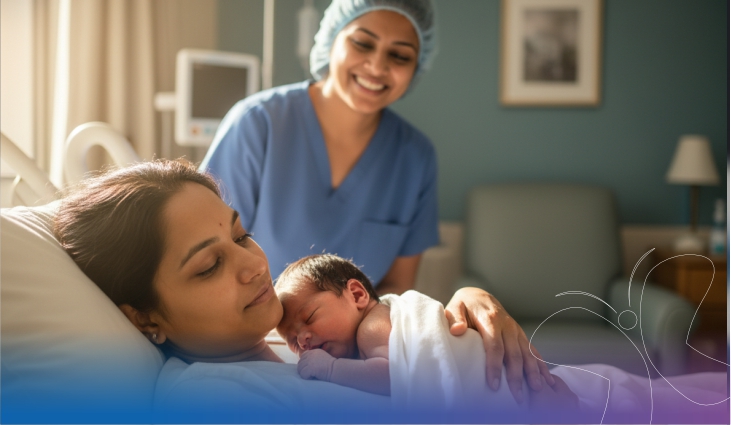
Having a baby turns your world upside down in the best possible way but it also puts your body through one of its most demanding experiences. Many new mothers are so focused on their newborn that their own recovery takes a back seat. That is understandable, but it can slow healing in ways that affect both mother and child. The weeks after delivery are not a footnote to pregnancy; they are a critical chapter in their own right.
This guide walks through the core areas of post-delivery recovery in plain, practical terms: how to care for your body, how to eat, how to rest, and when to seek professional support.
Caring for Your Body in the Early Weeks
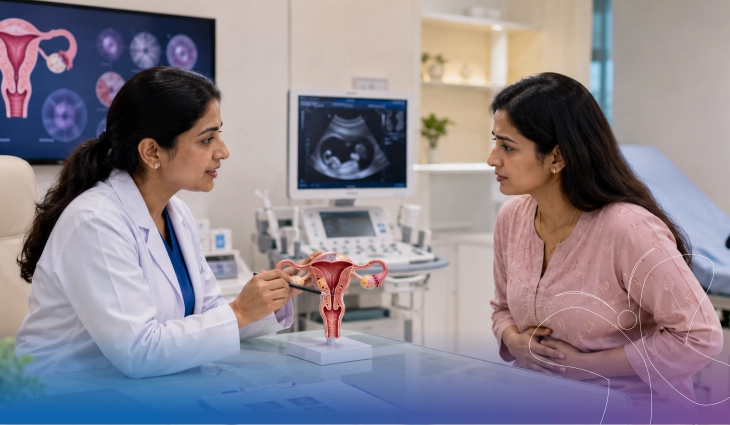
The first two to six weeks after childbirth are when the most intensive physical healing takes place. The uterus shrinks back toward its normal size, any tears or incisions close, and hormone levels which surged dramatically during pregnancy begin to stabilise. Your body is doing a great deal of work that you cannot always see or feel.
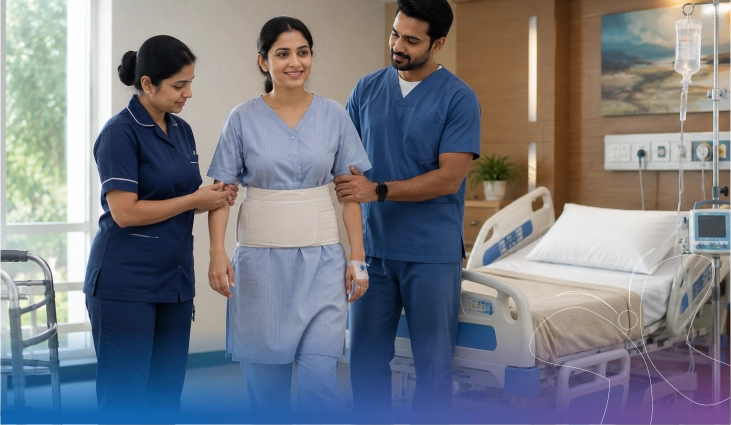
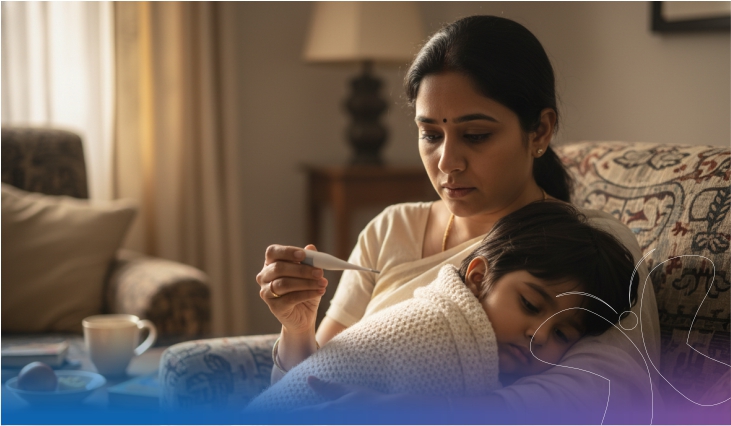
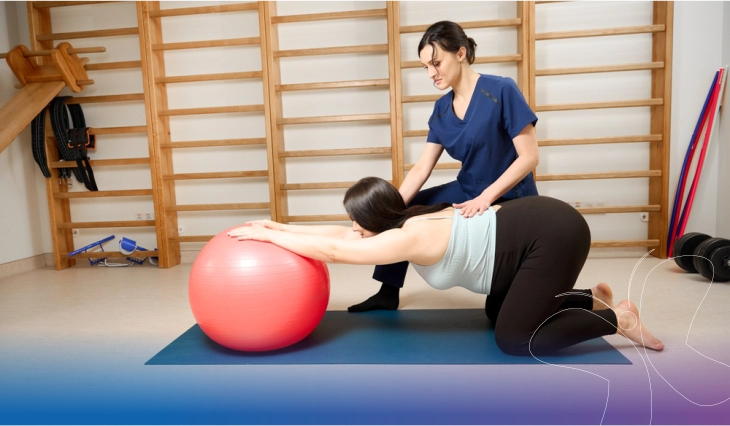
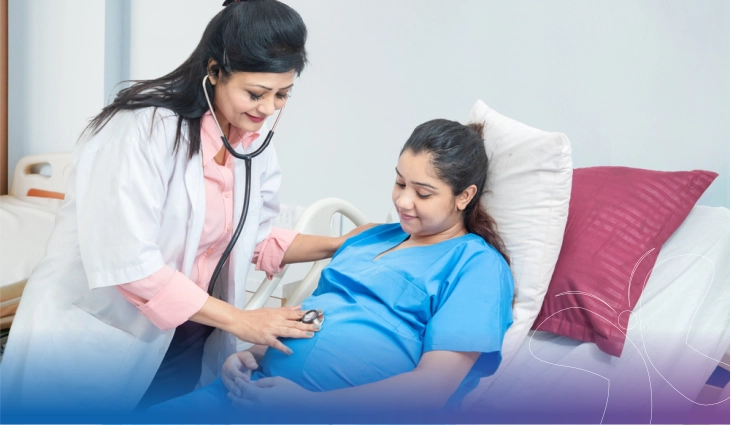
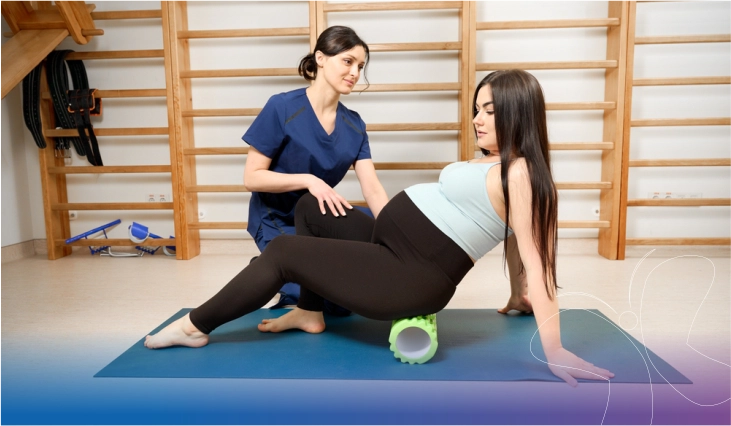
Good post delivery care for mothers during this period means paying attention to the basics: keeping the perineal area clean and dry, watching for signs of infection, wearing breathable clothing, and avoiding any lifting beyond your baby for the first few weeks. Gentle movement, short walks around the home, supports circulation without straining recovering tissue.
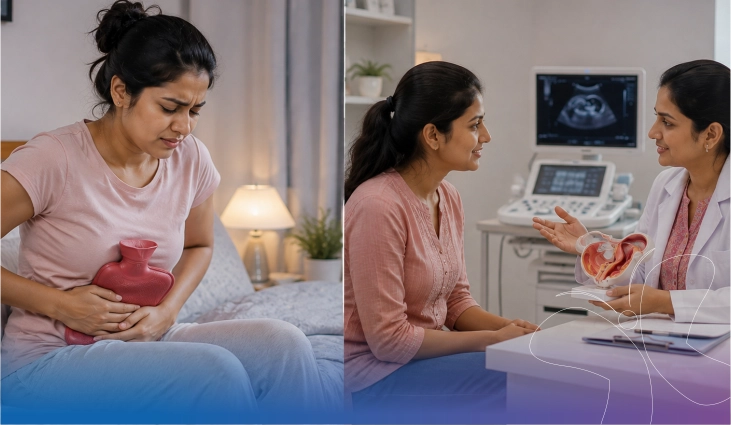
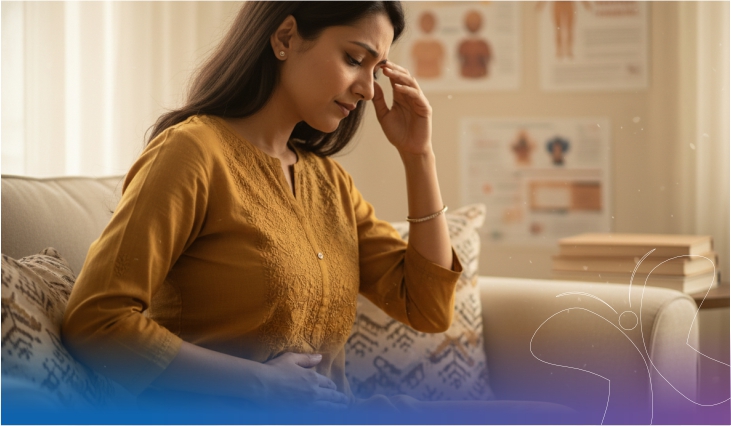
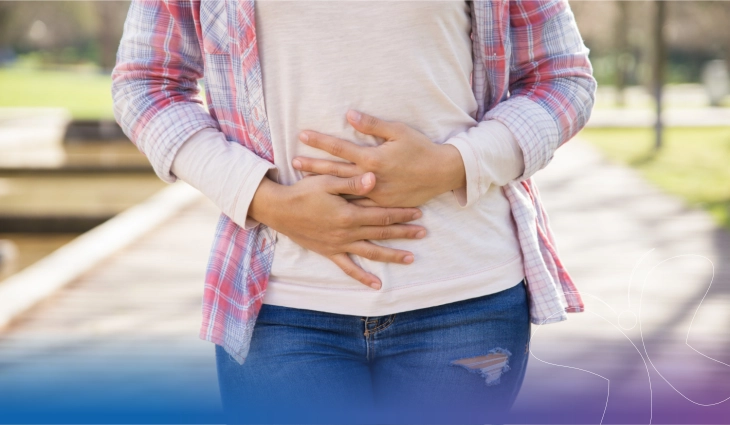
Listen to pain as information, not inconvenience. Soreness and mild cramping are normal; fever, heavy bleeding, or increasing pain at an incision site are not. If something feels wrong, contact your doctor rather than waiting to see if it passes.
Rest and the Support Around You
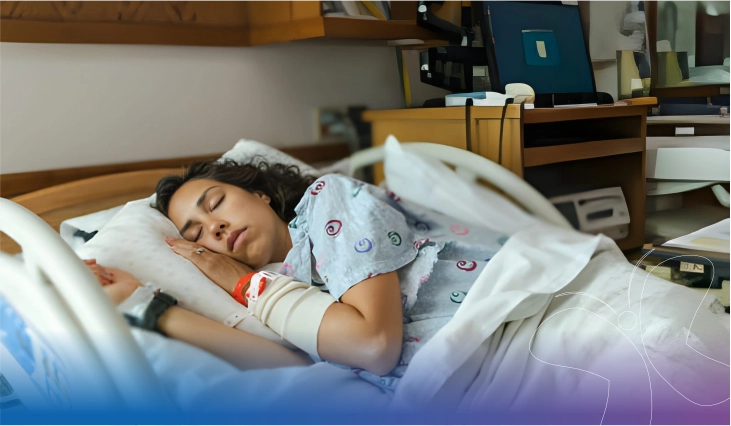
Sleep after childbirth is broken, unpredictable, and non-negotiable. The research is clear: sleep deprivation slows physical healing, increases the risk of postnatal depression, and impairs judgement when you need it most. Yet many new mothers resist resting because they feel they should be doing more.
Accepting help is not a sign of weakness, it is a sound strategy. Time-tested postnatal care tips India have always emphasised that the mother needs to be looked after so she can look after her child. Whether it is a family member taking over the kitchen, a partner handling night feeds on alternate nights, or a neighbour collecting groceries, every bit of support frees up energy for healing.
Emotionally, the weeks after delivery can feel unpredictable. Some days are warm and joyful; others are tearful and exhausting. Both are normal. If feelings of sadness, anxiety, or emotional numbness persist beyond two weeks, speak with your doctor. Postnatal depression is common and very treatable, but only if it is not silently endured.
Eating Well After Delivery
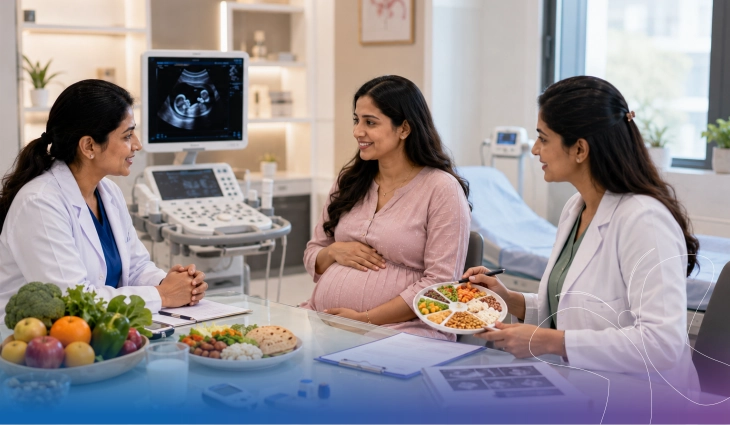
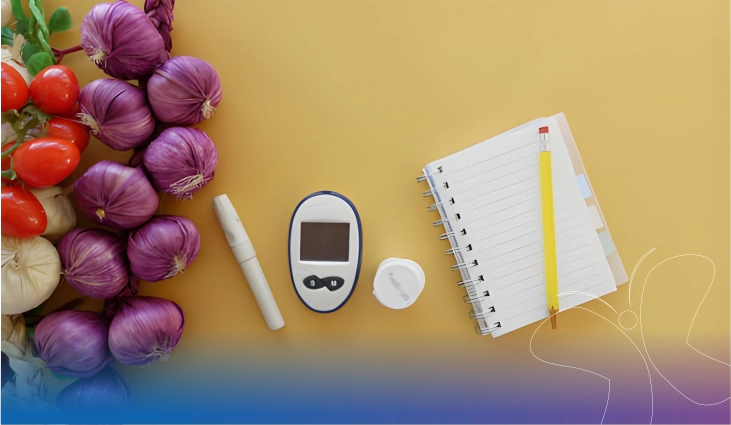
Food is one of the most direct levers you have over your recovery. A well-considered after delivery diet plan does not need to be complicated; it needs to be consistent and nourishing.
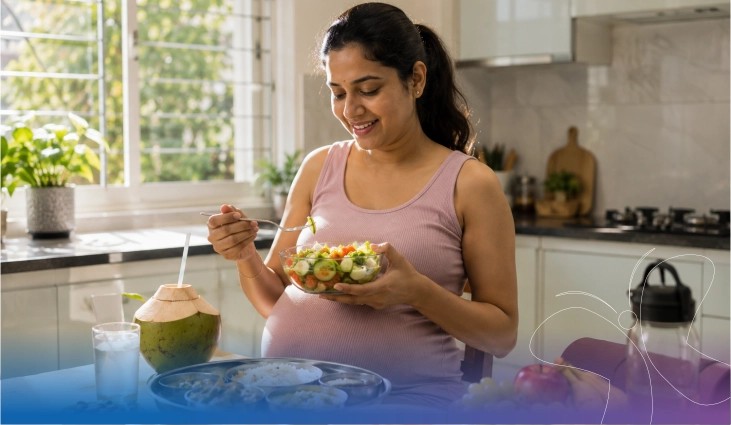
Prioritise warm, cooked, easy-to-digest meals. Dals and lentils, whole grains like rice or roti, cooked vegetables, eggs, and dairy provide the protein, iron, and calcium your body needs to rebuild. Dry fruits, almonds, walnuts, and figs are calorie-dense and convenient when appetite is low or time is short. Avoid heavily fried or processed foods in the early weeks, as digestion can be sluggish after delivery.
Breastfeeding increases your fluid requirements significantly. Aim for at least eight to ten glasses of water daily, supplemented with warm soups, herbal teas, or ajwain and jeera water traditional remedies that also support digestion and reduce bloating.
Do not skip meals. Irregular eating disrupts energy levels, affects mood, and can reduce milk supply. If cooking is not feasible, identify one or two simple meals that can be prepared quickly, and keep nutrient-dense snacks within reach throughout the day.
Medical Check-Ups and Professional Care
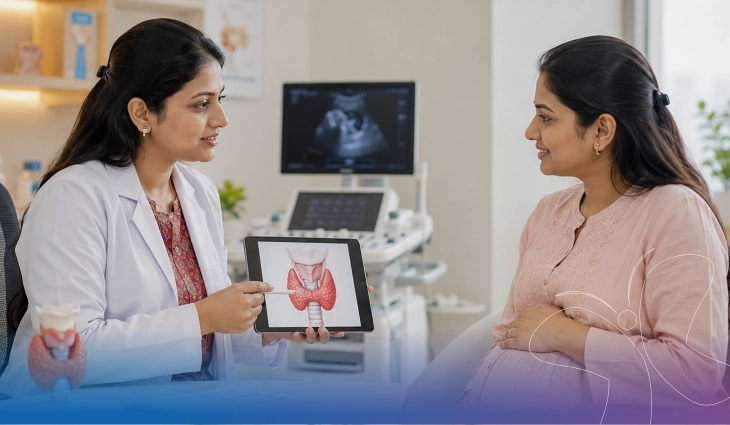
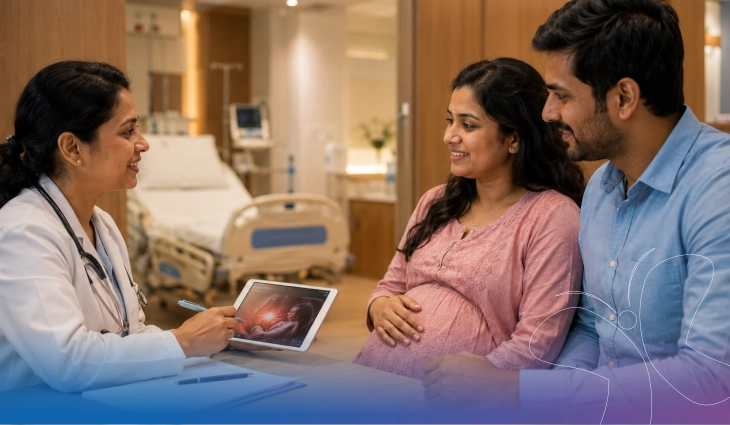
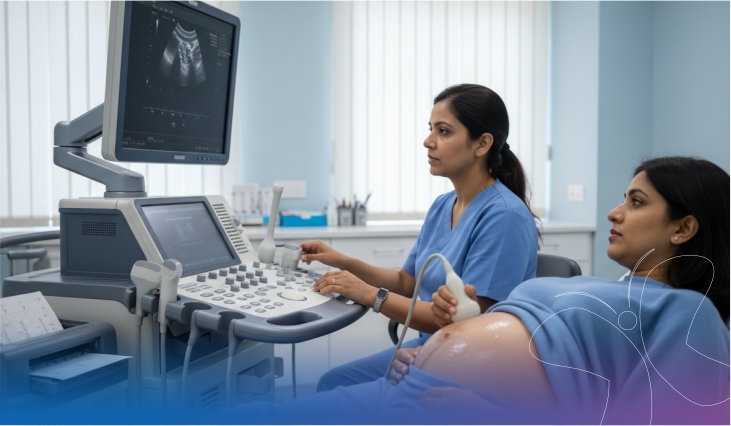
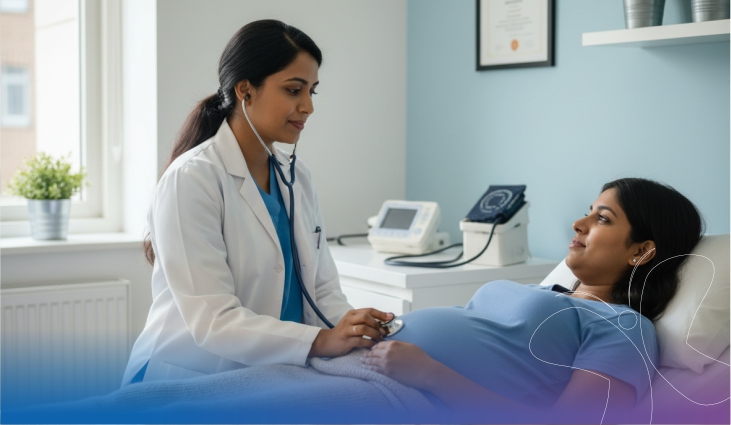
Every woman heals differently, and there is no single timeline that applies to everyone. What matters is that your recovery is being monitored by someone qualified to spot problems before they become serious.
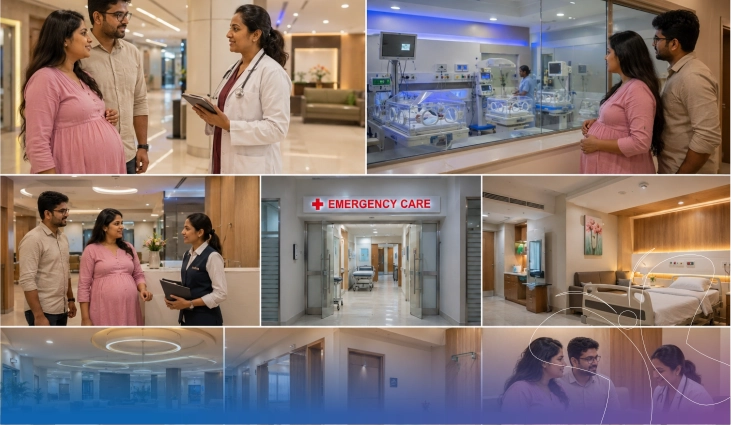
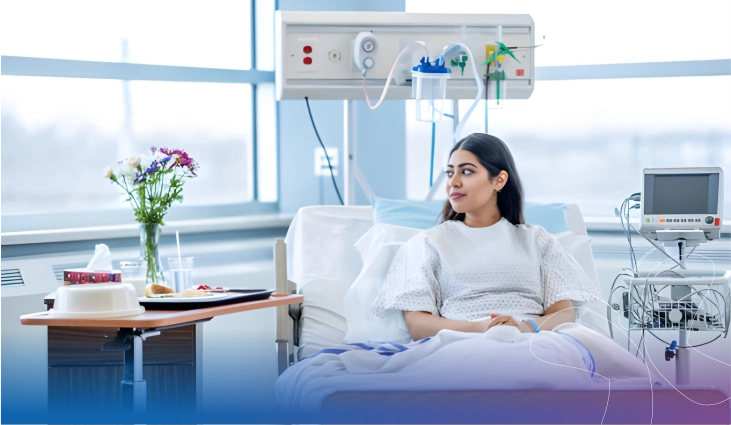
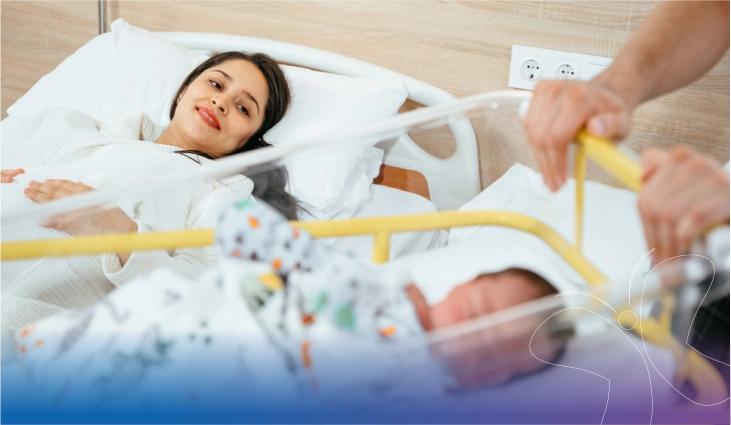
Mothers who deliver at a reliable maternity hospital Rajkot or another well-staffed facility typically receive a discharge plan that outlines what to watch for, when to return, and how to care for wounds at home. Keep that guidance close and follow through on scheduled check-ups even if you feel fine. Many complications, including elevated blood pressure and wound infections, present no obvious symptoms in the early stages.
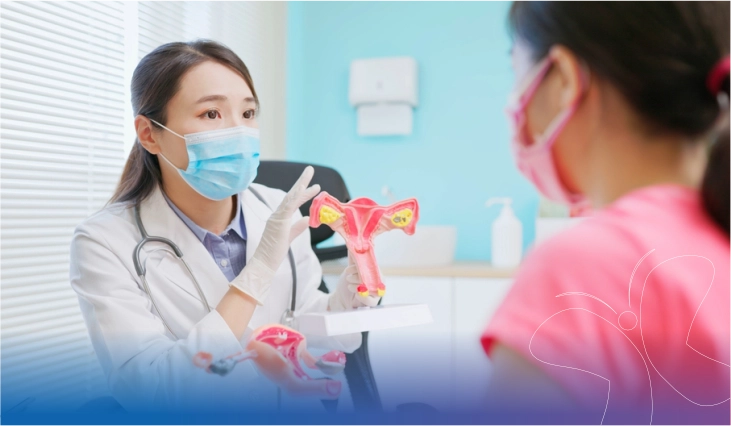
At your six-week check, it is also worth raising questions about returning to physical activity, contraception, pelvic floor recovery, and any emotional concerns that have come up. These conversations are part of comprehensive recovery after delivery, not an optional add-on.
One Mother's Story
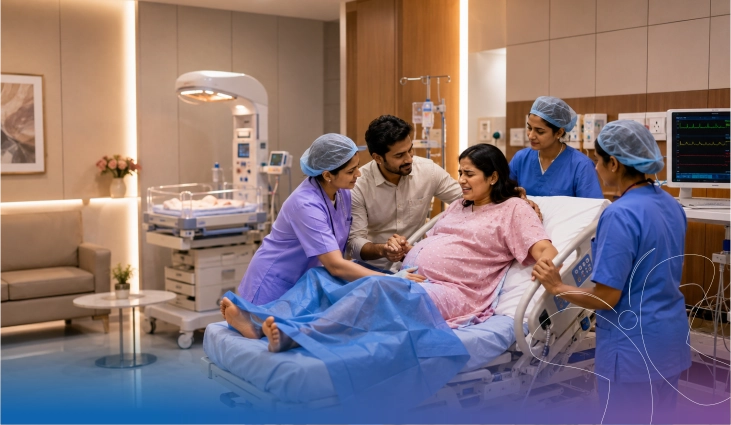
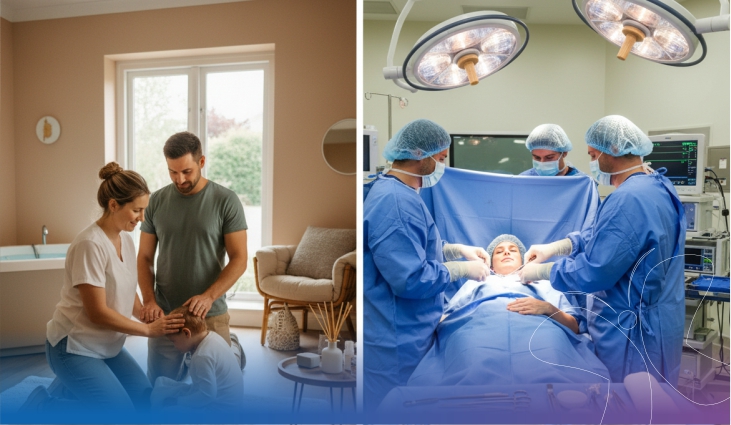
Meena had her second child by caesarean section and discharged herself from hospital feeling, she said later, "surprisingly fine." By day four at home, that had changed. She was exhausted, the incision site was tender, and she was struggling to manage a toddler alongside a newborn.
Her mother moved in for three weeks. Meena was taken off kitchen duty entirely and encouraged to rest during both of her children's naps. Meals were warm, simple, and regular dal, sabzi, rice, and a glass of warm turmeric milk each evening. She was walked through her wound care by a community health nurse who visited twice in the first week.
By the end of week three, the difference was tangible. Her energy had returned, the incision was healing cleanly, and she felt ready not just physically but mentally to manage on her own. The support had made the recovery; she was certain of that.
Conclusion
Delivery is an ending and a beginning at the same time. The beginning gets most of the attention, which is natural. A new life is remarkable. But the ending also matters. Your body has worked hard, and it deserves care that matches that effort.
Rest without guilt. Eat with intention. Stay in contact with your medical team. Accept the help that is offered. These are not luxuries; they are the practical foundations of a recovery that lasts.