Picking a hospital for delivery is one of those decisions that feels urgent once the due date gets close, and that urgency is exactly what leads families to settle for the obvious or the convenient rather than the right. A little research done early saves a lot of anxiety later.
This guide walks through seven things that genuinely matter when evaluating a maternity hospital. Not marketing language, but actual factors that shape whether a birth goes well or gets complicated by avoidable gaps in care.
1. Who your doctor actually is, not just their department
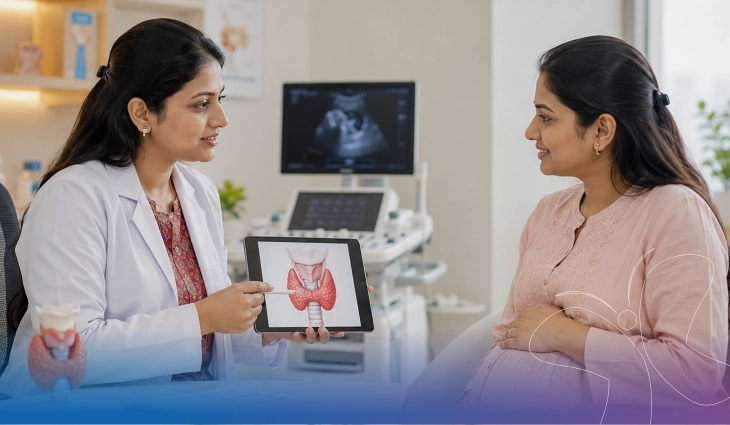
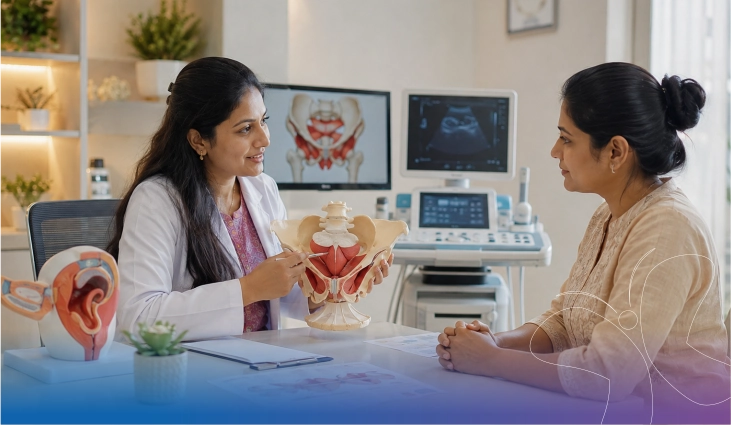
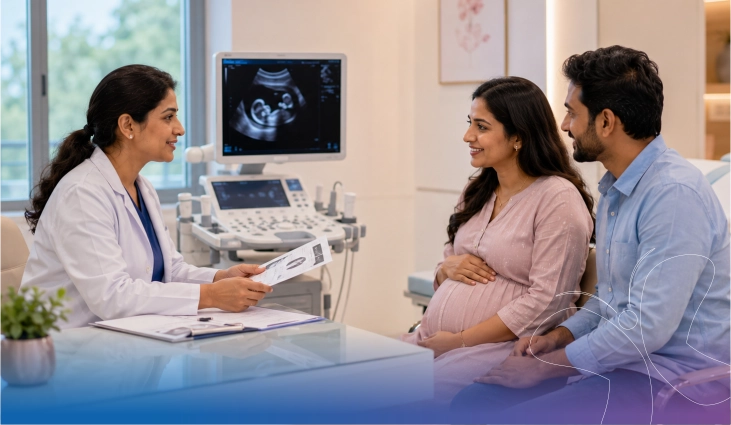
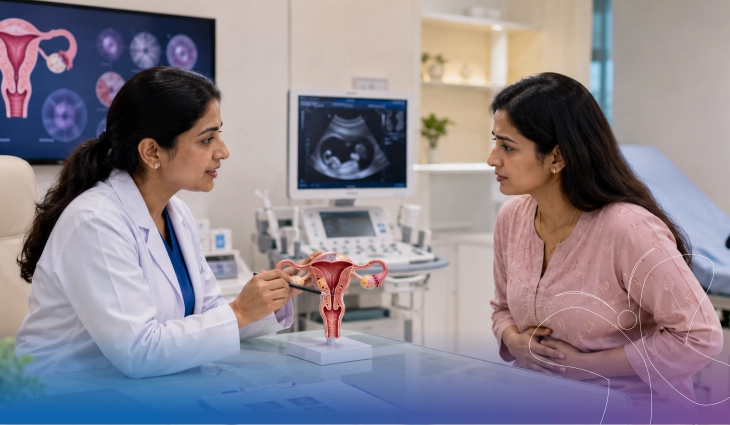
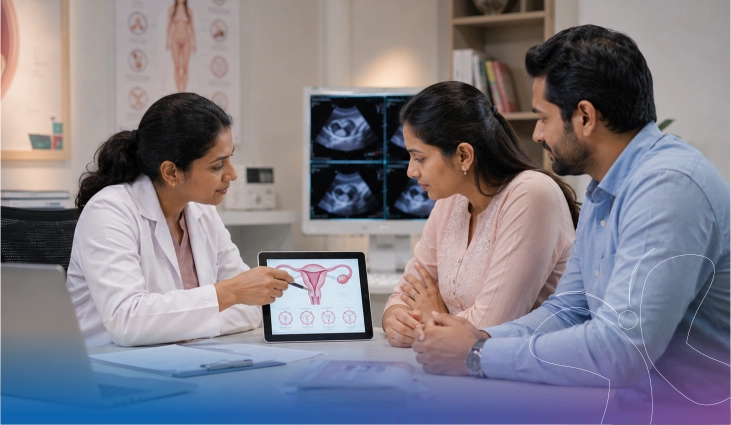
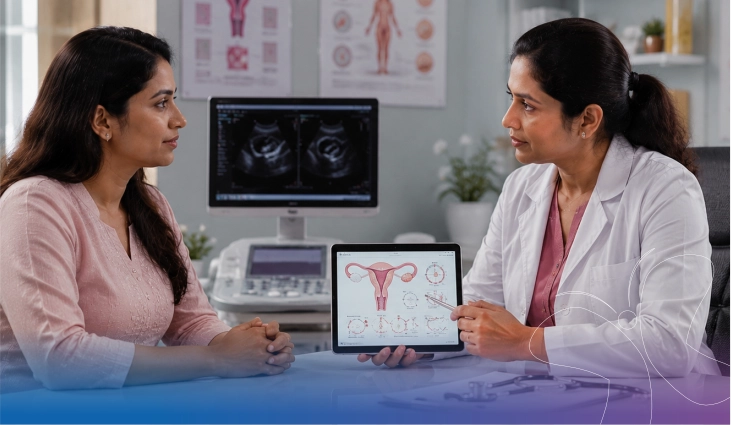
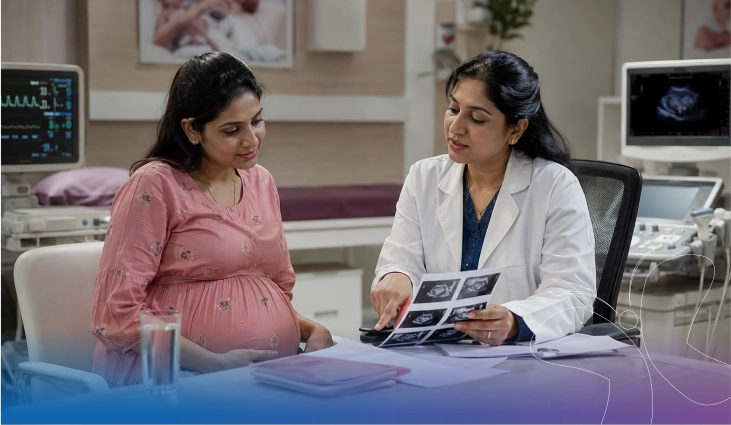
The hospital's reputation is secondary to the specific doctor managing your case. Ask directly: how many deliveries have they handled this year? Do they personally attend labour or hand off to a registrar, and what is their approach to intervention? A doctor who explains their decision-making process clearly is one you can work with under pressure.
Hospitals listed as a top gyne hospital in Rajkot generally have senior obstetricians who take on complex cases rather than routing them elsewhere. That specialist depth matters more than a hospital's brand name on a building.
2. Labour ward and NICU see them in person
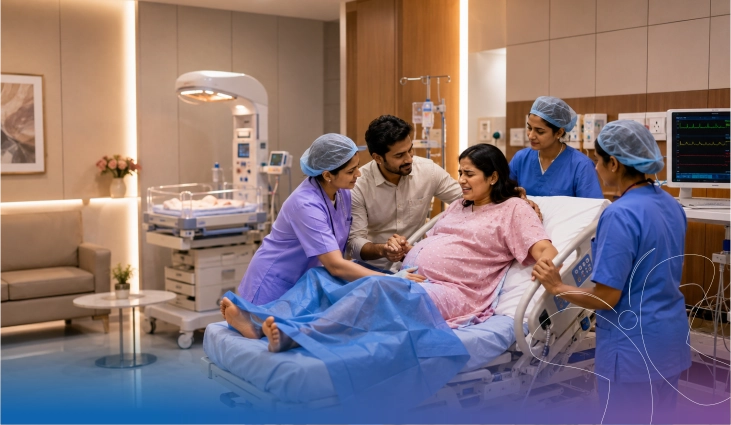
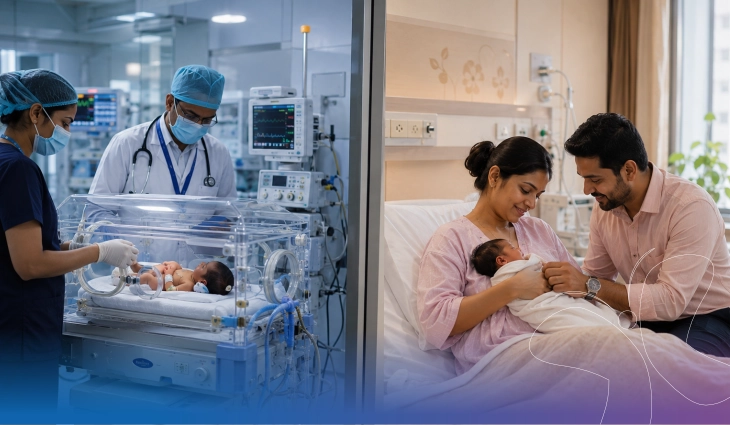
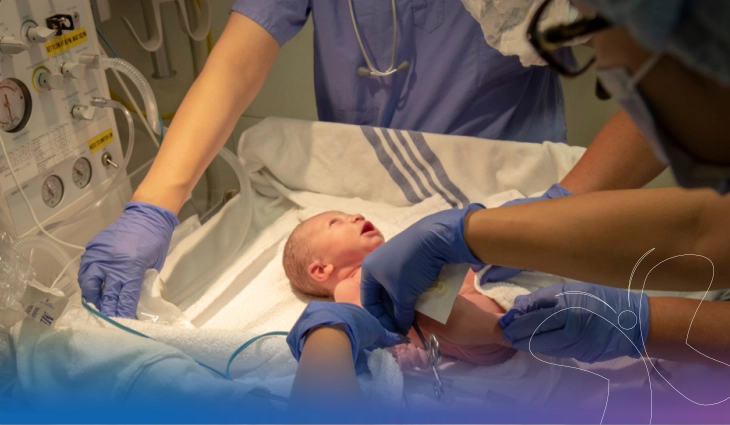
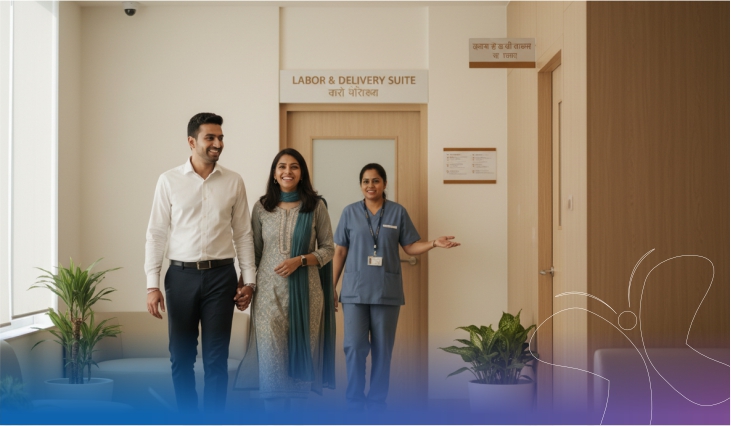
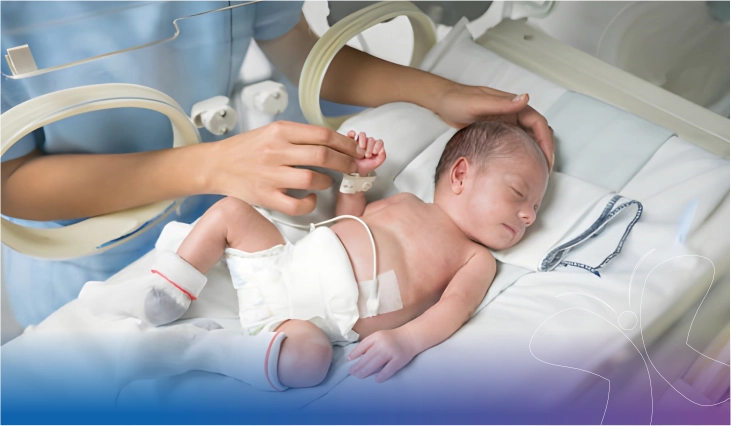
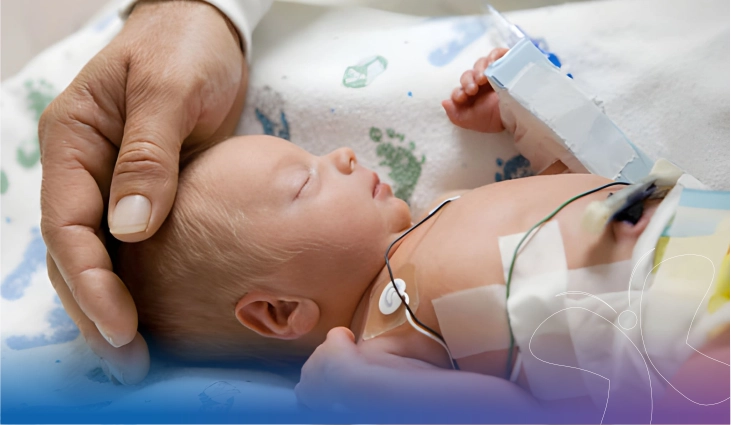
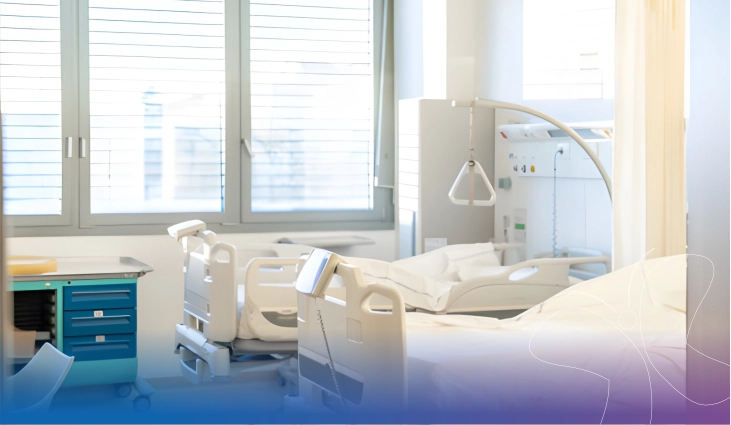
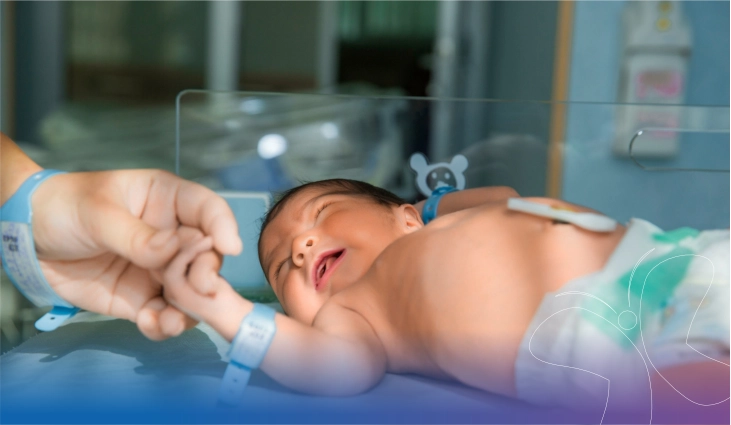
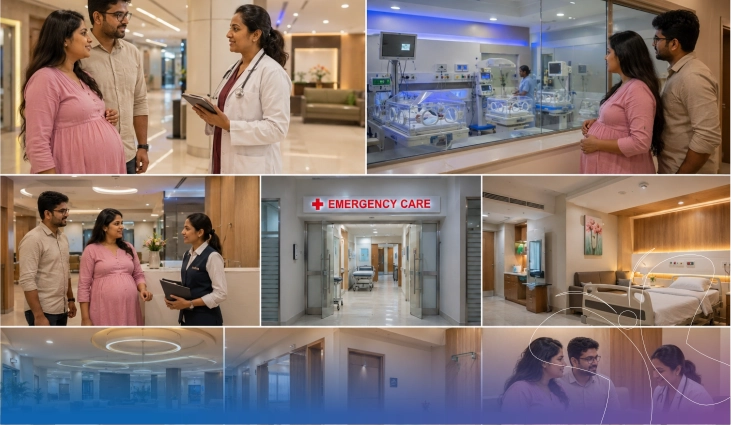
Ask for a walkthrough of the labour ward before you book anything. Notice whether rooms are shared or private, whether monitoring equipment looks maintained, and whether there is a working neonatal intensive care unit inside the facility, not a transfer protocol that gets activated when things go wrong. A NICU on site, staffed around the clock, changes outcomes in emergencies.
Families who search for the best delivery hospital near me often make decisions from photos online. The ward itself, seen in person during a regular visit, is a far more reliable indicator of what the experience will actually be like.
3. Emergency readiness: ask the uncomfortable questions
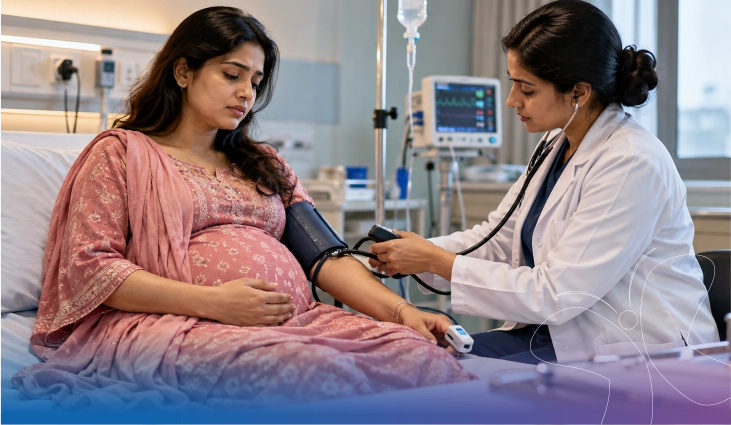
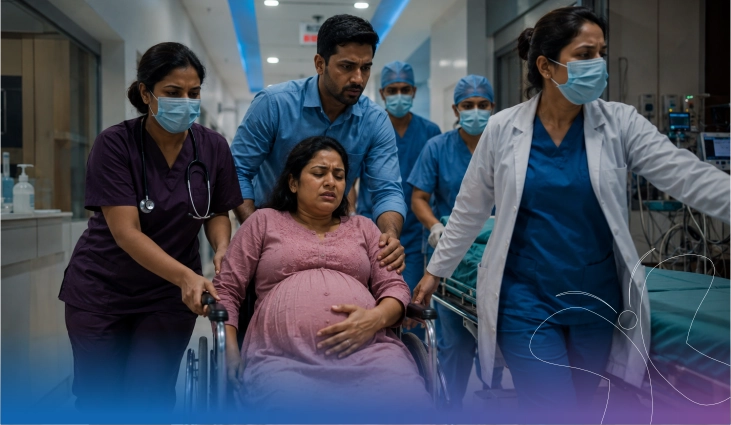
No one wants to think about a delivery going wrong. But the hospitals that handle emergencies well are the ones that have clearly thought it through, and they will not flinch when you ask about it. Find out whether an anaesthetist is available overnight, whether surgical theatres are staffed for emergency C-sections at any hour, and whether the blood bank is on site or relies on external supply.
If you are looking at any pregnancy hospital near you and the staff cannot answer these questions directly, keep looking. Vague reassurances are not a protocol.
4. Hygiene beyond the reception area
Hospitals clean visible spaces before visiting hours. The real picture is in corridors at off-peak times, in the state of shared bathrooms, and in whether nurses follow hand hygiene steps consistently. Postpartum infections are preventable, and cleanliness in the ward, not the lobby, is what determines risk.
When going through Maternity Hospital Rajkot reviews, filter for comments that specifically mention hygiene in rooms and post-delivery wards. General satisfaction ratings are less useful than specific observations from mothers who stayed overnight.
5. Nursing staff the hours that aren't about the delivery
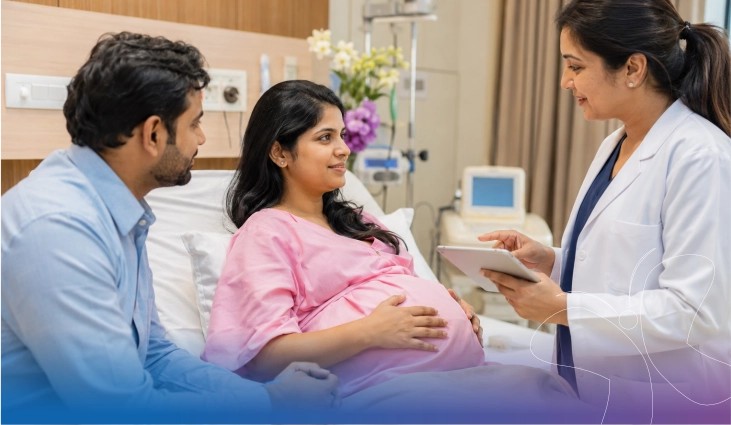
Labour lasts hours. Recovery lasts days. The nursing team is present for nearly all of it. Their responsiveness at 3 a.m., their patience when a first-time mother does not know what is normal, and their willingness to explain rather than dismiss these things define the experience as much as the delivery itself.
A well-regarded private hospital for pregnancy in Rajkot invests in staffing ratios, not just equipment. During your visit, pay attention to how nurses interact with current patients. Are they hurried or present? That is the environment you are considering.
6. Reviews how to read them usefully
Do not average out star ratings and call it research. Read the text of maternity hospital reviews and look for recurring specifics, the same complaint from four different people, or the same praise about a particular doctor or ward. One bad review could be an off day. A pattern is information.
Look especially for reviews from mothers who had complicated deliveries or extended stays. How a hospital responds when things do not go smoothly is the most useful thing you can learn from other people's experiences.
7. Location beyond just the distance
Most families searching for the best delivery hospital near me think about how far the hospital is from home. Also think about how long that route actually takes at different times of day, whether there is parking your family can use when they arrive in a hurry, and whether the area is accessible from where you will be in the final weeks of pregnancy.
A hospital twenty minutes away on a clear morning can be an hour away during peak evening traffic. That calculation is worth doing before the day it matters.
A short checklist before you decide
● Visit the hospital in person do not rely on brochures or online photos
● Ask your doctor specific questions about how they manage emergencies
● Confirm NICU, blood bank, and emergency theatre are available on site at all hours
● Read reviews for hygiene and staff behaviour, not just overall ratings
● Check what post-delivery support is included for the mother, not only the newborn
● Walk the route from your home at peak hours before finalising
The hospital that earns your trust is one that answers your questions without hesitation, lets you see its facilities without ceremony, and treats your concerns as reasonable rather than burdensome. That combination is rarer than it should be and worth looking for.