The last few weeks of pregnancy tend to produce a particular kind of anxiety, not the overwhelming kind but the low-level, constant kind. Every twinge gets assessed. Every ache gets Googled. Most of the time it is nothing, and most of the time you know that, but the uncertainty lingers because the one time it is something, you want to catch it quickly.
Understanding what labour actually feels like as opposed to the general discomfort of late pregnancy is genuinely useful. Not because it eliminates uncertainty entirely, but because it narrows it. When you know what to look for, you spend less time second-guessing and more time acting on the right signals.
Contractions: the signal most people recognise and still misread
Contractions are the most well-known sign of labour, but they are also the most misinterpreted. In the early hours, they can feel like strong period cramps or a tightening across the lower abdomen that builds and then releases. What distinguishes real labour contractions from the Braxton Hicks variety is the pattern. They come at increasingly regular intervals, grow longer, and do not ease off when you change position or drink water.
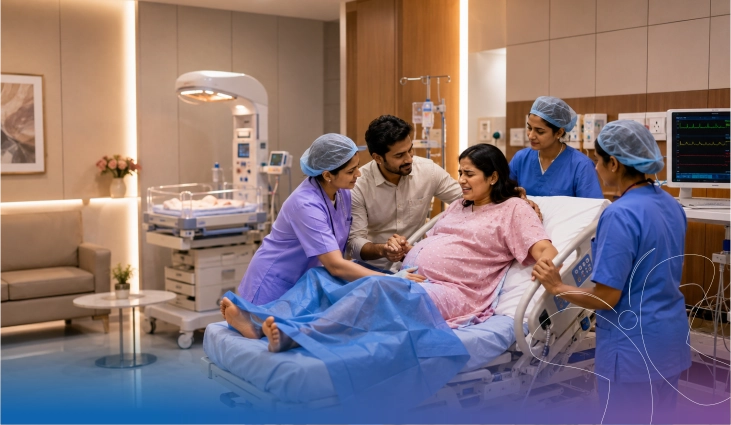
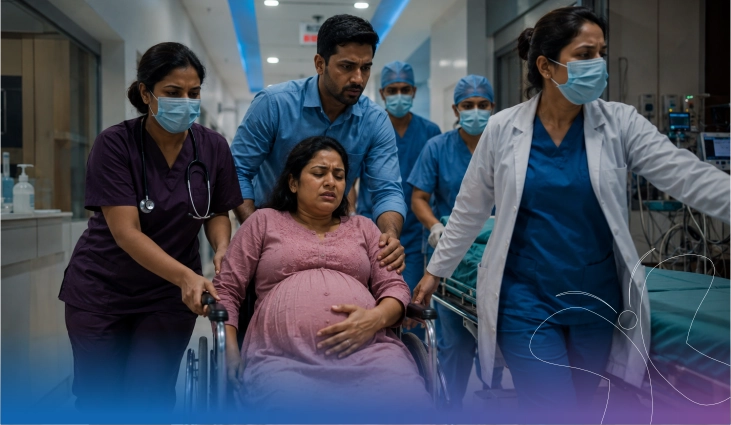
The general guidance most doctors give is the 5-1-1 rule: contractions every five minutes, lasting one minute, for at least one hour. If you have reached that point, it is time to head to a labour pain hospital near me rather than continue waiting at home. Arriving too early is far less of a problem than arriving too late, and most hospitals would rather assess you and send you back than have you deliver in a car.
Water breaking act on this one immediately
When the amniotic sac ruptures, it can happen as a sudden flood or a slow, steady leak that is easy to dismiss as something else. Either way, this is not a sign to wait on. Once the protective sac is open, the window for safe delivery begins to narrow, and the risk of infection rises with time.
Go directly to a pregnancy emergency hospital near me do not wait for contractions to begin, do not stop to pack the bag you forgot to pack earlier, and do not convince yourself it was something else. Note the time it happened, the colour of the fluid, and whether it had any smell. Your doctor will ask, and that information is clinically useful.
Back pain and pelvic pressure that does not let up
Not all labour presents through the front of the abdomen. A significant number of women experience what is called 'back labour', intense, persistent lower back pain that coincides with contractions or sometimes runs continuously between them. It often means the baby is in a posterior position, with its back against the mother's spine.
Combined with heavy pressure in the pelvis and a sensation that the baby has shifted noticeably downward, this kind of pain is worth taking seriously. If it is rhythmic, worsening, and accompanied by any of the other signs described here, do not try to sleep it off. An emergency maternity hospital in Rajkot can assess whether labour has begun and how far along it is, which is information you cannot reliably judge at home.
The bloody show — not alarming, but worth noting
As the cervix begins to thin and dilate in preparation for labour, the mucus plug that has sealed it throughout pregnancy can dislodge. This appears as a small discharge tinged pink or brown with blood. On its own, the bloody show does not require an emergency call. It can precede active labour by hours or even a couple of days.
What it does mean is that your body is moving in the right direction, and you should be paying closer attention to everything else. If contractions follow, or if the bleeding is heavier than a light tinge, contact your doctor or head to a 24x7 maternity hospital in Rajkot for a check. Distinguishing between normal bloody show and abnormal bleeding is something a clinical assessment handles far better than self-diagnosis.
When to stop waiting and go the clearer lines
Beyond the individual signs, there are situations where the decision to leave should not involve any deliberation. Heavy vaginal bleeding, a sharp and sudden abdominal pain that does not follow a contraction pattern, a fever above 38 degrees, or a noticeable reduction in fetal movement any of these warrant an immediate visit to the best hospital for delivery in Rajkot without waiting to see if things settle down.
Swelling that appears suddenly in the face or hands, severe headaches, or blurred vision are also warning signs that need urgent attention. They can indicate pre-eclampsia, which is a serious complication. These are not symptoms to monitor from home for another few hours. They are symptoms that belong in a hospital.
Preparing so the decision is easier when the moment comes
One reason families hesitate when labour begins is that they are not ready. The bag is half-packed, they cannot remember the hospital's number, and nobody has agreed on who is driving. That hesitation costs time that sometimes matters. Preparing a few weeks before the due date removes that friction entirely.
Save the direct contact number for your doctor and the labour pain hospital near you that you have chosen, not just a general number that routes through a switchboard. Know the fastest route at different times of day, because peak-hour traffic in Rajkot can change the journey significantly. Keep documents, reports, and insurance details in one place so they are not being searched for while contractions are underway.
Choosing a reliable 24x7 maternity hospital in Rajkot before labour begins rather than searching in the middle of it means the only decision left when the signs appear is when to leave, not where to go. That single piece of preparation, done calmly in advance, makes the entire experience meaningfully less stressful for everyone involved.