Introduction
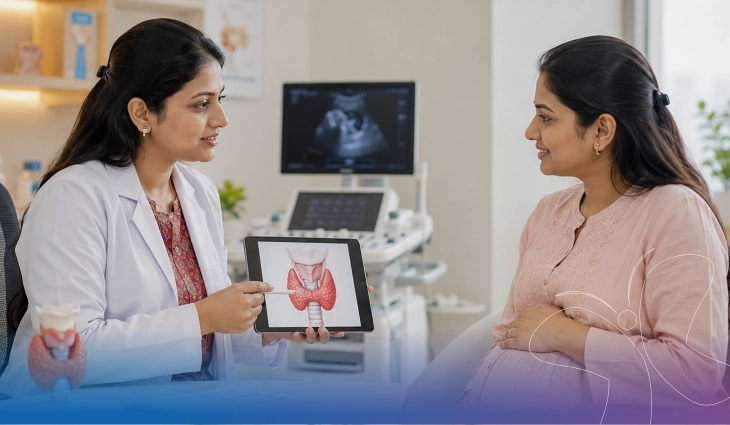
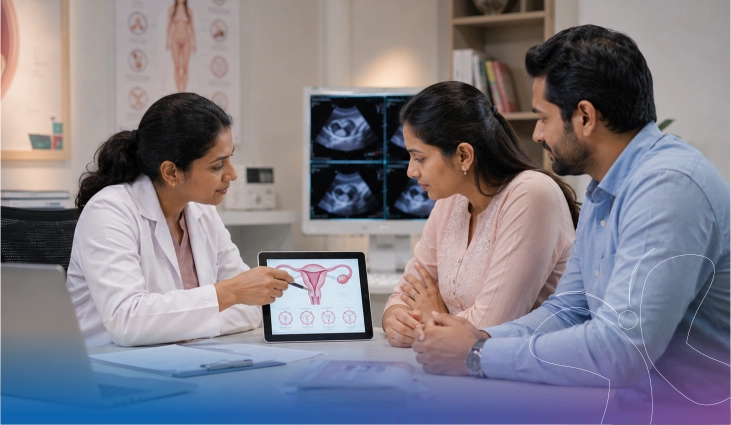
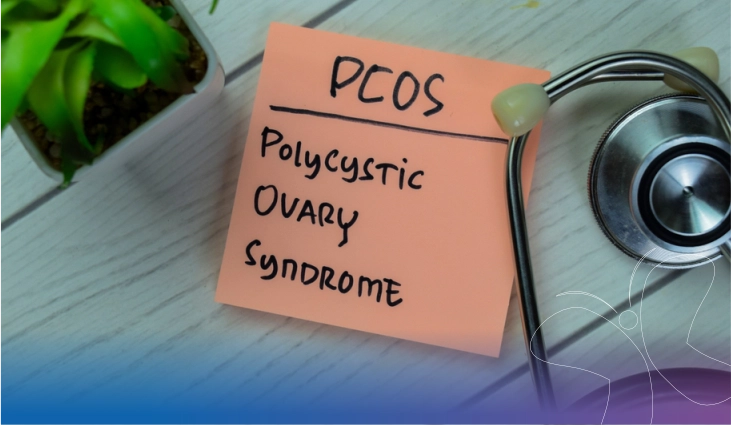
PCOS has been the standard diagnostic label for decades, but the name has always created a clinical distortion. "Polycystic Ovary Syndrome" points squarely at the ovaries, the cysts, the cycles, and the fertility implications, and in doing so, directs both patients and clinicians away from the part of the condition that causes the most long-term harm: the metabolic dysfunction. Insulin resistance, dyslipidaemia, chronic low-grade inflammation, and elevated cardiovascular risk are present in the majority of women with PCOS and progress independently of whether ovarian symptoms are treated. The proposed shift to PMOS (PolyMetabolic Ovary Syndrome) is not a renaming exercise it is a reframing of where clinical attention should sit. Understanding the PMOS matters practically because it determines whether a woman with PCOS leaves her gynaecologist's office with a treatment plan that addresses her reproductive symptoms and ignores her metabolic risk or one that manages both. This distinction shapes her health trajectory over decades, not just her next menstrual cycle. For women seeking PCOS treatment in Rajkot, choosing a provider who understands this broader picture is the first meaningful clinical decision.
Overview: What PMOS Actually Reframes
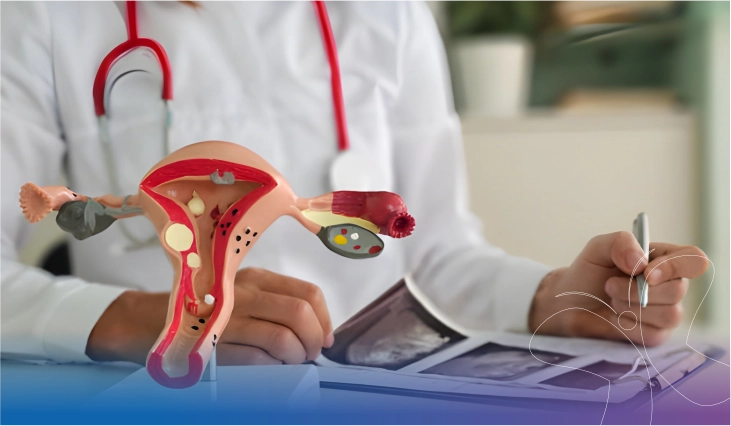
PCOS is defined by a combination of features oligo- or anovulation, clinical or biochemical hyperandrogenism, and polycystic ovarian morphology on ultrasound, of which two of three are required for diagnosis under the Rotterdam criteria. The PMOS meaning does not discard this framework; it adds metabolic assessment as an equally essential component rather than an optional add-on. Insulin resistance is present in 70–80% of women with PCOS, regardless of body weight, including lean women, a fact that still surprises many clinicians. Metabolic syndrome, the cluster of central obesity, raised triglycerides, low HDL cholesterol, elevated blood pressure, and impaired fasting glucose, occurs at significantly higher rates in PCOS than in age-matched controls. The lifetime risk of type 2 diabetes is three to four times higher. These are not complications of poorly treated PCOS; they are features of the condition itself that require proactive management from the point of diagnosis, not after reproductive concerns have resolved.
Causes and Mechanisms
Insulin resistance — the central driver
Insulin resistance in PCOS creates a compensatory hyperinsulinaemia that directly stimulates ovarian theca cells to produce excess androgens, including testosterone and androstenedione. This is the mechanistic link between the metabolic and reproductive features of the condition insulin resistance is not a consequence of elevated androgens, it drives them. Managing insulin sensitivity through lifestyle intervention and, where indicated, metformin, therefore addresses both the metabolic and hormonal arms of the disorder simultaneously. This evidence provides the clinical rationale for insulin-sensitising treatment as first-line for most women with PCOS, including those whose primary concern is fertility rather than metabolic health.
Androgen excess
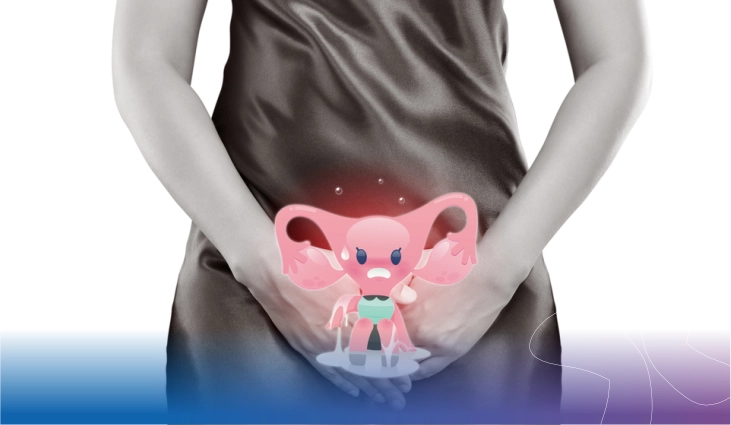
Elevated androgens suppress ovulation by disrupting the normal follicular development cycle follicles begin to mature but fail to reach the ovulatory threshold, leading to the arrested follicles that produce the characteristic ultrasound appearance. Clinically, hyperandrogenism presents as acne, hirsutism, and androgenic alopecia. These symptoms are the most visible features of PCOS and often drive women to seek diagnosis, but they are manifestations of an underlying endocrine disruption rather than the disruption itself.
Chronic low-grade inflammation
Women with PCOS have elevated markers of systemic inflammation (CRP, IL-6, TNF-alpha) that are independent of obesity. This inflammatory state contributes to endothelial dysfunction, accelerated atherosclerosis, and the cardiovascular risk that makes long-term metabolic management clinically important even in women whose reproductive symptoms are well-controlled or no longer relevant. Women's hormonal health is inseparable from cardiovascular health in the context of PCOS, a fact that the PMOS framing makes structurally explicit.
Treatment: What a Comprehensive Approach Looks Like
Lifestyle intervention
A 5–10% reduction in body weight in overweight women with PCOS restores ovulation in a proportion of anovulatory patients without any pharmacological intervention. This is not a cliché the mechanism is a reduction in hyperinsulinaemia, which reduces ovarian androgen production and allows normal follicular development to resume. A low-glycaemic index diet (reducing insulin excursions after meals) is more effective than simple caloric restriction in improving insulin sensitivity in PCOS, and consistent aerobic exercise produces measurable improvements in insulin resistance within weeks. These interventions are first-line not because they are obvious or inexpensive, but because they address the central pathophysiological driver.
Medical management
Metformin, an insulin sensitiser, is used to improve menstrual regularity, reduce androgen levels, and improve the metabolic profile in women with PCOS and insulin resistance. It is not a fertility drug primarily, but it improves ovulatory frequency and reduces the risk of ovarian hyperstimulation syndrome when fertility treatment is added. Combined oral contraceptives manage cycle regularity and androgen-mediated symptoms in women not seeking pregnancy. Anti-androgens, such as spironolactone and cyproterone acetate, reduce hirsutism and acne when COCP alone is insufficient. Women accessing specialist PCOS treatment in Rajkot should expect a treatment plan that addresses their specific constellation of features metabolic, androgenic, and reproductive rather than a single-symptom approach.
Fertility treatment for PCOS
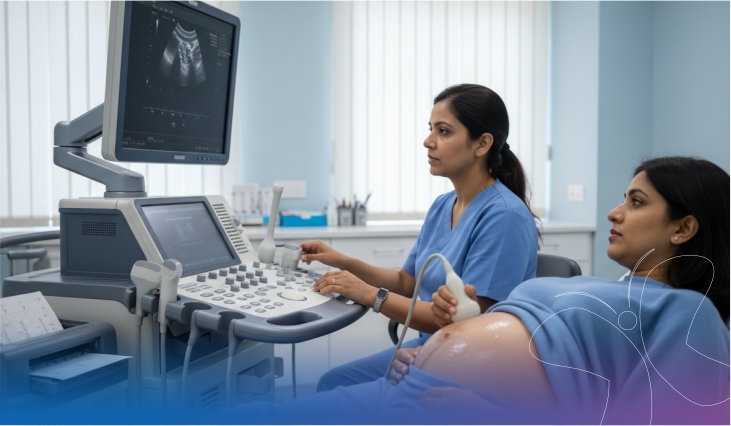
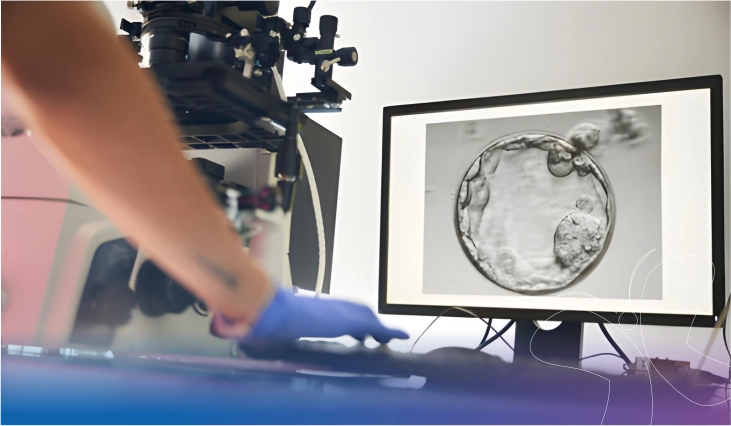
For women with PCOS who are not ovulating and wish to conceive, ovulation induction is the starting point. Letrozole (an aromatase inhibitor) has superseded clomiphene as the preferred first-line agent based on superior live birth rates in the PPCLOS trial, a specific evidence point worth raising with any specialist who still defaults to clomiphene. When letrozole fails, gonadotropin injections with ultrasound monitoring represent the next step. IUI adds sperm delivery to timed ovulation without addressing the underlying anovulation. IVF is reserved for cases where ovulation induction has failed or where additional infertility factors (tubal, male factor) are present. Women with PCOS undergoing IVF require modified stimulation protocols specifically, GnRH antagonist protocols with a GnRH agonist trigger rather than hCG, to minimise ovarian hyperstimulation syndrome risk, which is disproportionately high in this population. Comprehensive fertility treatment for PCOS at a specialist centre accounts for these factors from the outset rather than managing OHSS reactively.
Why the PMOS Framing Improves Long-Term Outcomes
The practical consequence of adopting the PMOS perspective is that metabolic screening becomes a standard part of PCOS care rather than an optional add-on triggered by weight concerns. Fasting glucose and HbA1c, fasting lipid profile, blood pressure measurement, and assessment of cardiovascular risk should be documented at diagnosis and monitored annually, not only when the patient reports metabolic symptoms. Women's hormonal health over the lifespan of a PCOS diagnosis includes the risk of developing type 2 diabetes before 40, cardiovascular events in the fifth and sixth decades, and non-alcoholic fatty liver disease, all of which are addressable with early intervention and all of which are missed when clinical attention remains fixed on the ovarian and reproductive features alone.
Expert Tips for Women Managing PCOS/PMOS
- Request a full metabolic panel at your first PCOS consultation: fasting glucose, HbA1c, fasting lipid profile, and blood pressure should be assessed at diagnosis regardless of age or weight; these are baseline markers, not investigations triggered by obesity.
- Prioritise low-GI dietary changes over general caloric restriction: reducing the glycaemic index of meals (replacing white rice and bread with whole grains, increasing legume and vegetable intake) specifically targets the insulin excursions that drive androgen excess this is more mechanistically targeted than simple calorie reduction.
- Ask specifically whether letrozole or clomiphene is being recommended for ovulation induction if clomiphene is proposed as first-line, ask about the PPCLOS trial evidence supporting letrozole's superior live birth rates; the evidence changed clinical practice in 2014, and letrozole is now the recommended first-line agent in most guidelines.
- Do not stop metformin when menstrual cycles normalise — cycle normalisation is a sign that insulin resistance has improved, not that it has resolved; stopping metformin prematurely reverses the improvement, and cycles typically become irregular again within months.
- Prioritise sleep as a hormonal intervention — sleep deprivation worsens insulin resistance independently of diet and exercise. Chronic insufficient sleep in women with PCOS compounds the metabolic risk in a measurable way and is underaddressed in standard clinical advice.
- Monitor cardiovascular risk markers annually, not only when symptomatic elevated LDL, raised blood pressure, and impaired fasting glucose in a 32-year-old with PCOS are meaningful risk factors that warrant intervention; they are easy to miss because the patient is asymptomatic and young.
- For specialist fertility treatment for PCOS, choose a centre familiar with OHSS prevention protocols — not all fertility clinics adjust stimulation protocols for PCOS; ask specifically about their use of GnRH antagonist protocols and agonist trigger policies before committing to a cycle.
Conclusion
The conversation about renaming PCOS as PMOS is a signal that clinical understanding of the condition has outgrown the name it has been given. The PMOS, PolyMetabolic Ovary Syndrome reflects what the evidence has shown for years: this is a systemic It is a metabolic disorder that has ovarian and reproductive consequences, rather than an ovarian disorder with incidental metabolic complications. Managing it well means addressing female hormonal health across the full picture insulin resistance, cardiovascular risk, androgen excess, and reproductive function, not cycling through symptomatic treatments for whichever feature is most visible at any given appointment. For specialist PCOS treatment in Rajkot that takes this comprehensive approach, and for evidence-based fertility treatment during PCOS that accounts for the specific risks this population faces in assisted reproduction, choose a provider whose clinical framework matches the current understanding of what the condition actually is.