Introduction
Most pregnancies go well. But some do not, and the difference between a good outcome and a serious complication often depends on how early warning signs are noticed and acted upon. A high-risk pregnancy does not automatically mean something will go wrong. It means the margin for delayed care is smaller, and the need for proper monitoring is greater. Knowing the high-risk pregnancy symptoms that actually matter helps mothers get the right attention at the right time, rather than either panicking over nothing or brushing off something real. For mothers in Rajkot, access to the maternity hospital with experienced obstetricians and fetal monitoring is not a luxury in these situations, it is genuinely necessary.
Overview of High-Risk Pregnancy
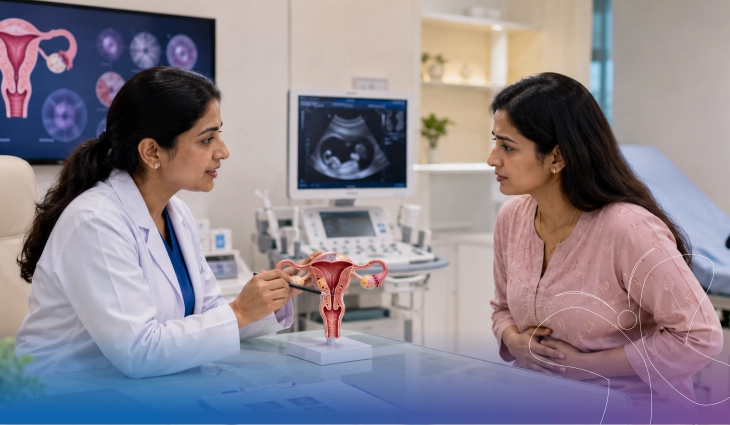
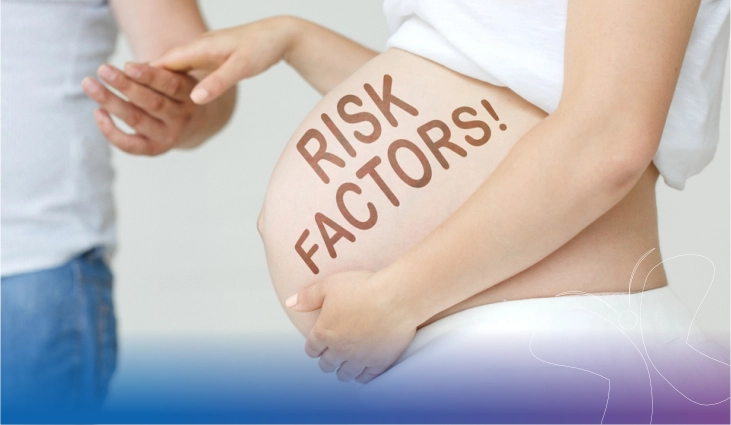
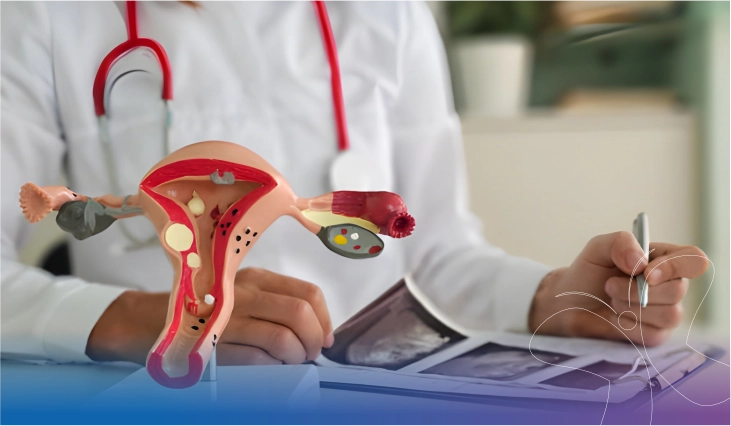
A pregnancy is classified as high-risk when existing health conditions or complications during pregnancy raise the likelihood of problems for the mother, the baby, or both. Some women enter pregnancy already carrying risk factors. Others develop them along the way.
Conditions that commonly place a pregnancy in the high-risk category include high blood pressure, diabetes, thyroid disorders, severe anaemia, obesity, multiple pregnancies, maternal age above 35, previous miscarriage or preterm delivery, and placenta-related complications. The list is not exhaustive, and risk can appear in pregnancies with none of these factors on paper.
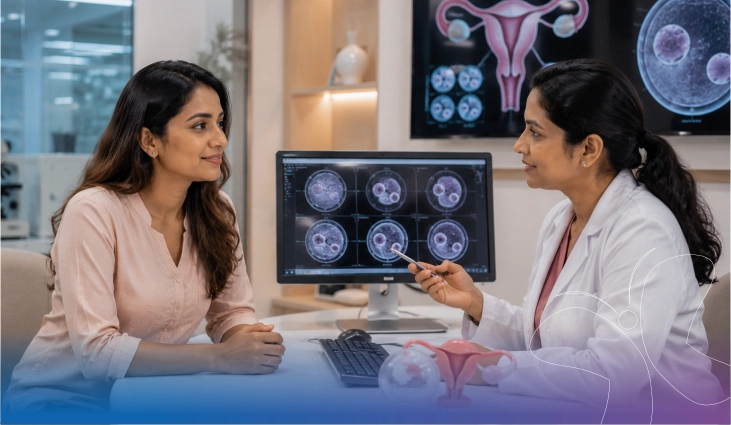
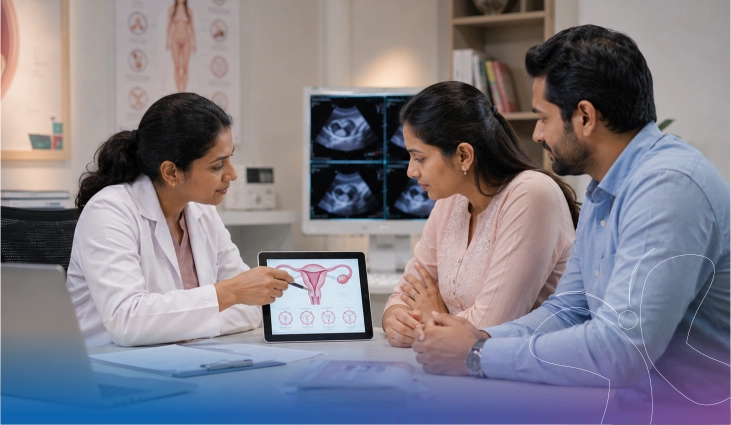
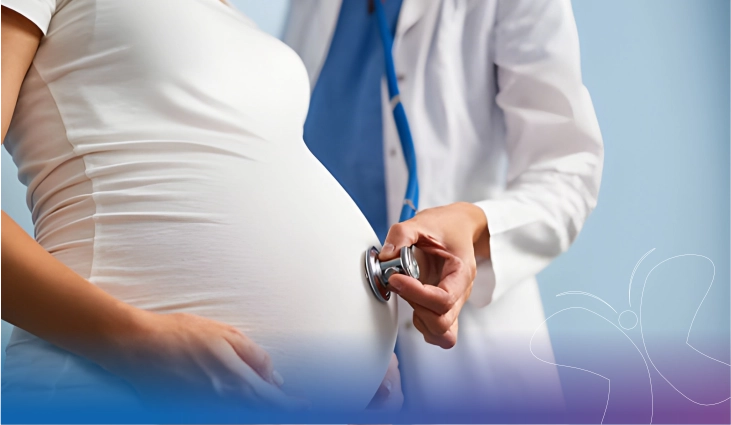
This is precisely why regular prenatal check-ups matter as much as they do. Many high-risk pregnancy symptoms develop gradually and are only picked up through consistent monitoring, not because a mother noticed something dramatic. Specialised high-risk pregnancy care is structured around exactly this continuous assessment, timely tests, and adjustment of care as the pregnancy progresses.
Common Signs and Symptoms of High-Risk Pregnancy
These are the warning signs that should prompt a call to a doctor rather than a search online.
Severe headaches and blurred vision
Persistent headaches that do not resolve, dizziness, or sudden changes in vision can indicate pre-eclampsia or dangerously elevated blood pressure. Both conditions affect blood flow to the placenta and require urgent evaluation, not a wait-and-see approach.
Excessive swelling
Some swelling in the legs and ankles during pregnancy is normal. Sudden swelling in the face, hands, or feet is not. It is one of the more visible signs of blood pressure problems and should be assessed the same day it appears.
Vaginal bleeding
Any vaginal bleeding at any stage of pregnancy warrants immediate medical attention. The cause and urgency differ depending on how far along the pregnancy is placenta previa, placental abruption, miscarriage risk, and preterm labour all present with bleeding.
Severe abdominal pain
Sharp, persistent, or cramping abdominal pain is not something to wait out. It can indicate placental problems, early contractions, or other complications that need same-day assessment.
Reduced baby movement
Decreased fetal movement in the later months of pregnancy is one of the clearer indicators that something may be wrong. Tracking kicks and patterns from around 28 weeks helps mothers notice changes early. A significant reduction needs to be reported that day, not the next morning.
High fever or symptoms of infection
Infections in pregnancy may affect the development of the fetus and may progress more rapidly than infections outside of pregnancy. If you have a fever higher than 38°C, you should see a doctor and not just treat it with paracetamol at home.
Third Trimester Pregnancy Complications
There are particular risks in the third trimester. The baby is growing rapidly, the body is under the greatest physical load, and some complications that could be handled earlier become more urgent as the delivery date approaches.
Gestational hypertension
Blood pressure that rises during pregnancy affects how well the placenta functions. Left unmanaged, it can develop into preeclampsia, a more serious condition involving organ involvement that can threaten both mother and baby.
Preterm labour
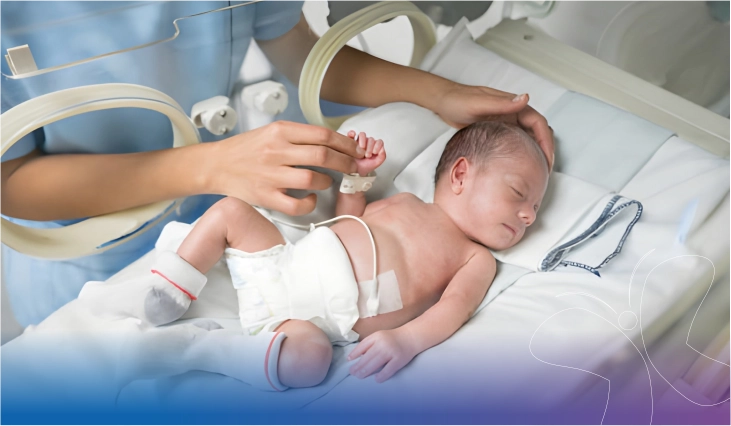
Contractions before 37 weeks are a medical situation, not a waiting game. Premature babies often require neonatal intensive care, and catching preterm labour early gives doctors the best chance of delaying delivery or preparing for it safely.
Gestational diabetes
Uncontrolled blood sugar in the third trimester can lead to a larger-than-normal baby, delivery complications, and increased risk of caesarean section. It is manageable with diet, monitoring, and sometimes medication, but only if it is being tracked.
Placental problems
Placental abruption, where the placenta separates from the uterine wall, and placenta previa, where the placenta covers the cervix, both require specialist management and sometimes emergency intervention.
Reduced amniotic fluid
Low amniotic fluid levels affect the baby's ability to move, develop lungs, and maintain normal growth. It is detected through ultrasound and is one of the reasons routine third-trimester scans matter even in otherwise straightforward pregnancies. Managing pregnancy problems during third trimester stages requires the kind of monitoring that only structured prenatal care provides.
Treatment and Management of High-Risk Pregnancy
There is no single treatment protocol for high-risk pregnancy because the causes vary so widely. What all high-risk pregnancies share is the need for more frequent check-ups, closer fetal monitoring, and a medical team that is not caught off-guard by complications.
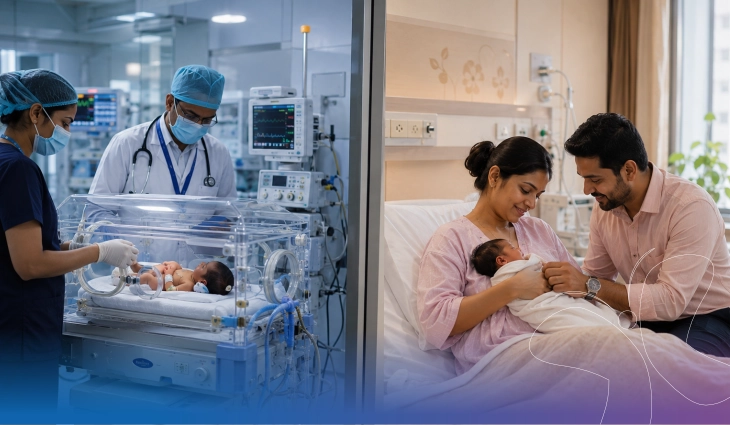
Frequent prenatal visits track blood pressure trends, baby growth, blood sugar, and maternal health markers over time rather than in isolated snapshots. Advanced tests, Doppler studies, non-stress tests, and detailed ultrasounds pick up changes that basic monitoring misses. Medications for blood pressure, diabetes, thyroid conditions, or hormonal support are adjusted as the pregnancy changes. In some cases, reduced activity or bed rest lowers the risk of early labour. For the most complex cases, a planned delivery or caesarean is scheduled in advance rather than leaving it to chance. None of this happens well without the infrastructure of the best maternity hospital in Rajkot, NICU support, 24-hour emergency obstetric care, and experienced specialists who have managed these situations before.
Why Choosing the Right Maternity Hospital Matters
High-risk pregnancy care is only as good as the facility providing it. A hospital with experienced obstetricians, functional fetal monitoring equipment, round-the-clock emergency response, and neonatal ICU capacity is a different environment from one without those things, and that difference shows up in outcomes. High risk pregnancy care in Rajkot delivered through a properly equipped centre means that when something shifts quickly, the response is already in place rather than being arranged in a hurry.
Expert Tips for Managing a High-Risk Pregnancy
Attend every scheduled prenatal appointment skipping even one in the third trimester can mean a missed finding. Track fetal movements daily from 28 weeks and report any significant change without waiting. Eat adequately iron, protein, calcium, and fluids all matter more in a high-risk pregnancy than in a straightforward one. Manage sleep and stress as actively as physical health, because both affect blood pressure and hormone regulation. Take prescribed medications consistently and do not stop them without speaking to your doctor first. Smoking and alcohol have no safe level during any pregnancy, but their impact in high-risk cases is sharper and faster.
Conclusion
The signs of a high-risk pregnancy are not always dramatic. Swelling that appears overnight, headaches that will not go away, a baby that has gone quieter than usual these are the things that need to be checked rather than explained away. Pregnancy complications during third trimester can develop quickly, and the gap between noticing something and acting on it is where outcomes are decided. If there is any concern, the right move is a call to a specialist, not reassurance from the internet. Mothers in Rajkot dealing with high-risk pregnancies deserve the kind of consistent, specialised support that only comes from the right team and the right facility.