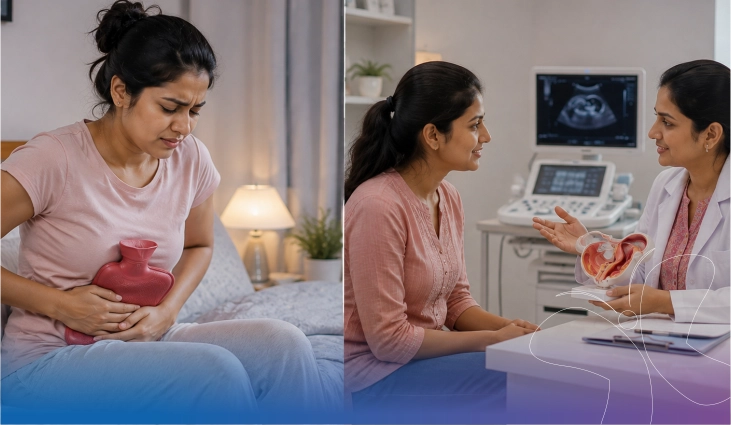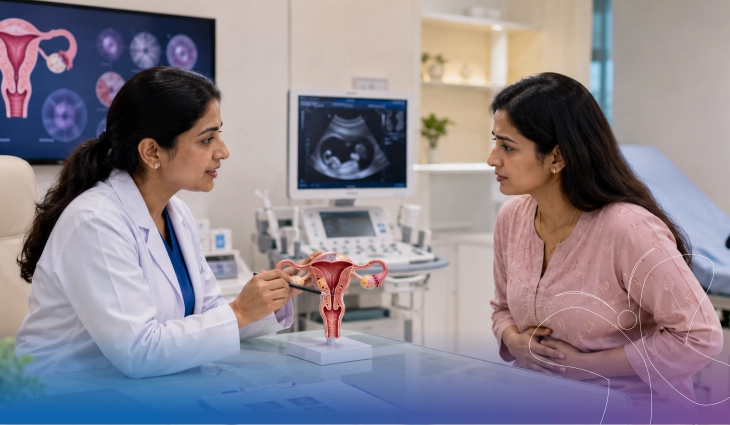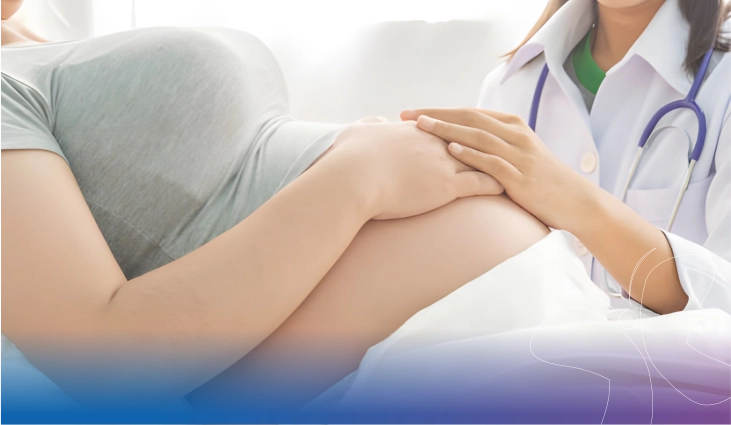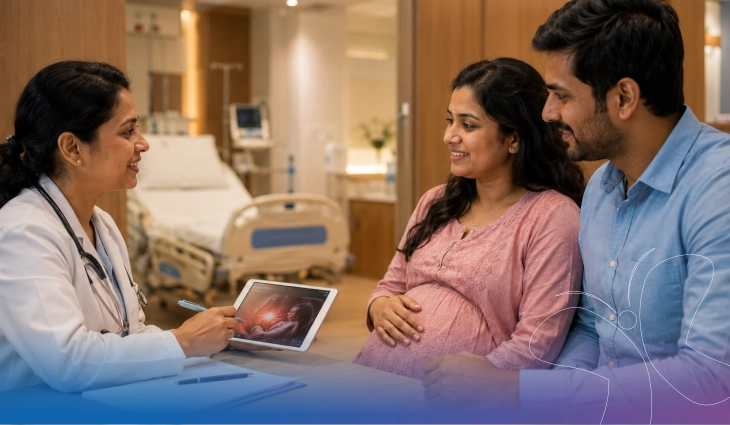
Labour pain is one of the first things a newly pregnant woman hears about. From mothers, mothers in law, neighbours, and now social media, everyone has a story. And most of those stories are not reassuring. By the time many women reach their third trimester, the fear of delivery pain has become its own burden on top of an already demanding pregnancy.
That fear is valid. But it should not go unexamined.
Painless delivery, specifically epidural assisted delivery, is a genuine medical option available at many hospitals today. Understanding it properly, rather than through secondhand stories, can change how you approach labour entirely.
So What Exactly Is It?
Painless delivery is vaginal childbirth with medically managed pain. The most common method is an epidural, a small catheter placed in the lower back through which pain relieving medication is delivered continuously during labour.
The medication targets the specific nerves that carry contraction pain. You remain completely conscious. You can talk, breathe, follow instructions, and feel pressure you just do not experience the sharp, overwhelming pain that unmedicated contractions bring.
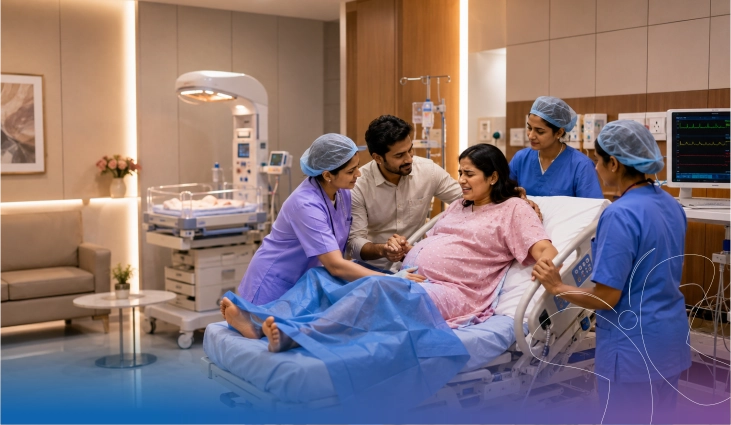
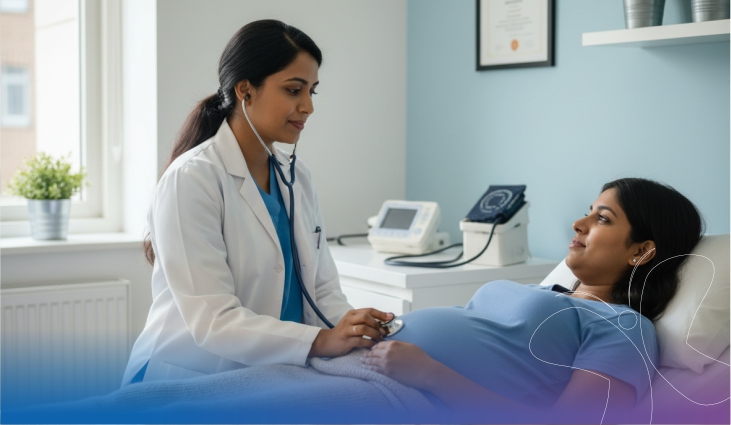
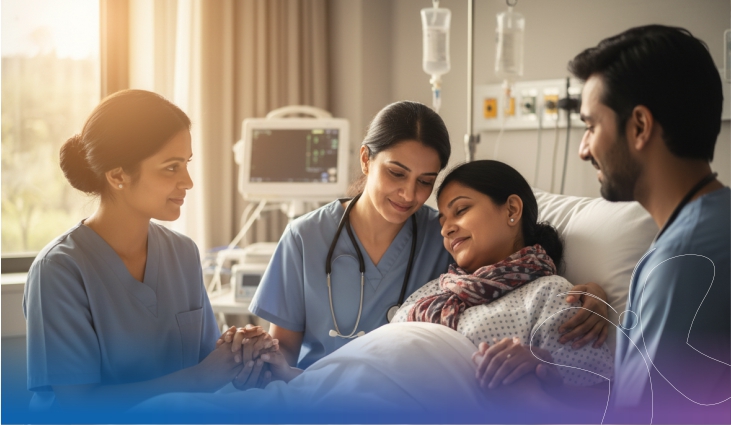
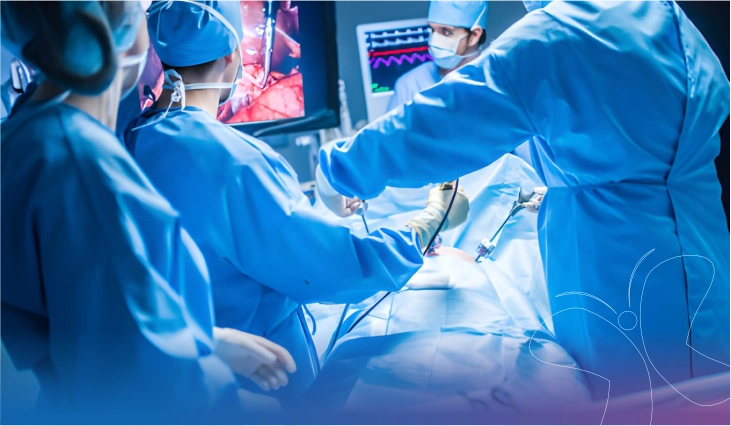
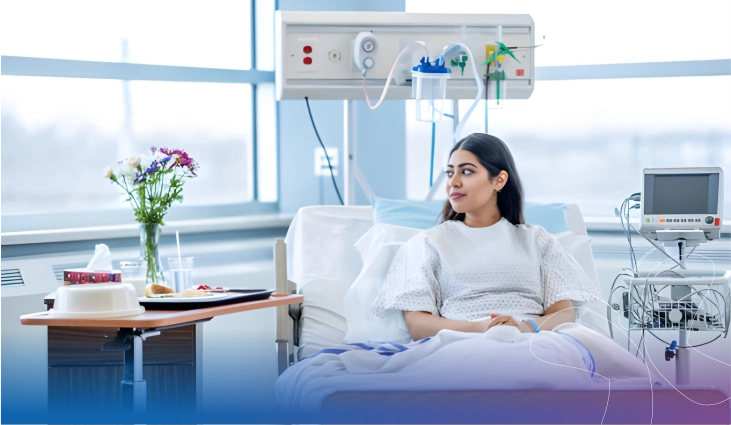
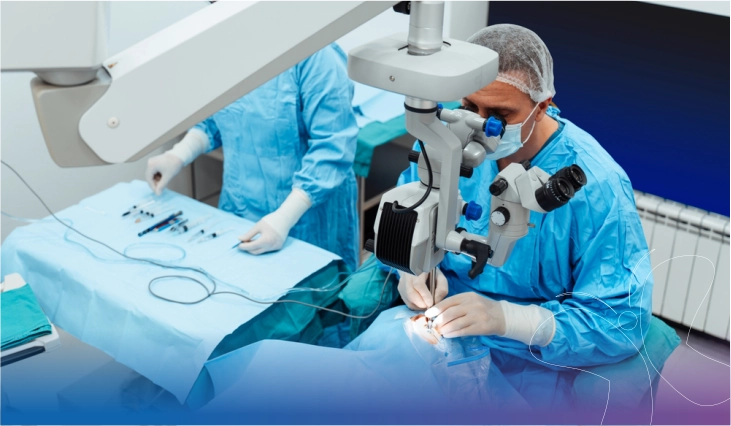
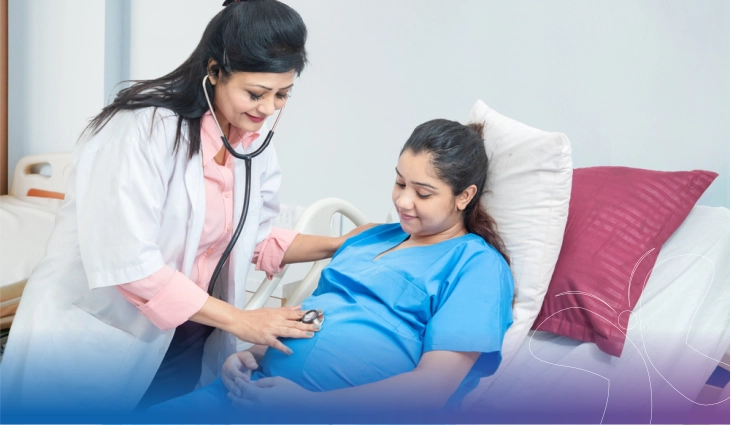
A trained anaesthesiologist handles the procedure and monitors you throughout. It is not something a nurse administers quickly between other tasks. When done at a well-equipped facility, the kind families look for when searching for a painless delivery hospital in Rajkot, it runs under careful, continuous supervision.
The Myths Families Still Believe
Myth 1 — It is dangerous. Epidural anaesthesia has been used in maternity care globally for more than 50 years. Serious complications are rare. Common side effects like a temporary blood pressure dip are monitored and addressed immediately. The procedure is far more routine than its reputation suggests.
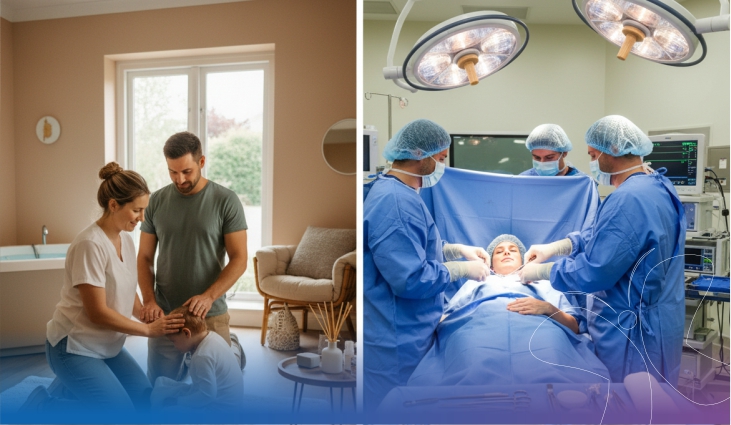
Myth 2 — It leads to a C-section. No reliable medical evidence supports this claim. Caesarean decisions are based on the progress of labour, the baby's position, fetal heart rate, and other clinical indicators, none of which are caused by an epidural. Most women who receive one still deliver vaginally without surgical intervention.
Myth 3 — You cannot push after an epidural. The dosage is deliberately calibrated to reduce pain without eliminating the ability to push. Mothers retain enough physical sensation and muscle function to push when the doctor asks them to. In fact, many push more effectively because they are not physically depleted from hours of unmanaged pain.
Myth 4 — The baby is affected. The amount of medication that reaches the baby through the placenta is extremely small. Extensive research across decades has not established harm to newborns from epidural use under standard medical conditions.
What It Actually Does for You
Gives you energy when you need it most. Labour is not a short event. For many first-time mothers, it lasts anywhere from several hours to over a day. Managing that entirely without pain relief leaves many women physically exhausted before active pushing even begins. An epidural lets you rest, recover, and arrive at delivery with something still in reserve.
Clears your head. Pain at its most intense narrows your entire world down to itself. When it is managed, you can think clearly, communicate with your medical team, and actually be present for what is happening. Several mothers describe this as the most unexpected benefit being genuinely there for the birth.
Reduces the physical stress response. Extreme pain triggers stress hormones. High stress can slow labour progress and affect blood flow. Controlling pain is not just about comfort it has measurable physiological benefits for how labour unfolds.
Who Is a Good Candidate?
Epidural pain relief suits a wide range of situations first time mothers expecting a long labour, women who have strong anxiety about pain, those whose pregnancies carry additional medical considerations, and anyone who has discussed it with their doctor and decided it fits their circumstances.
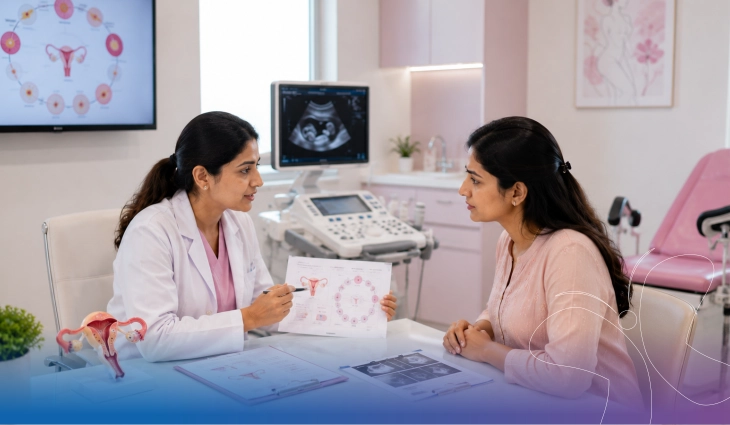
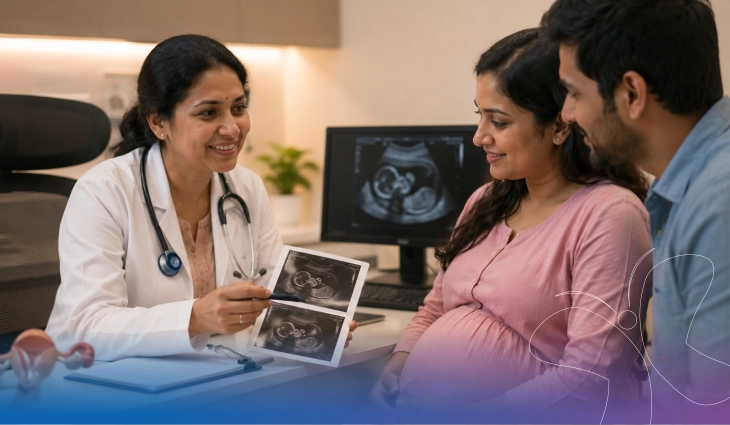
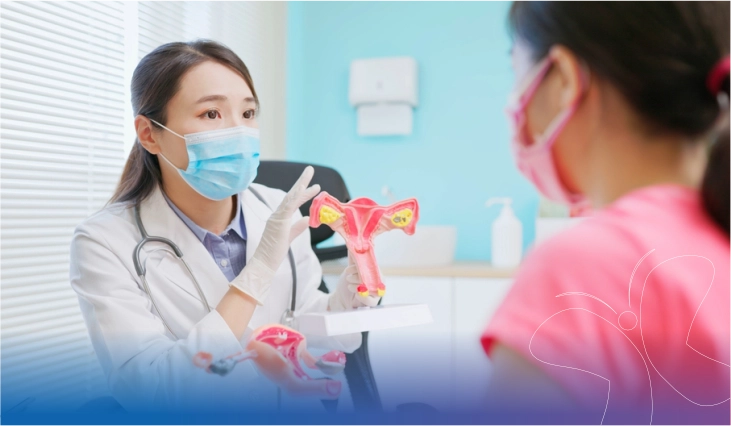
It is not automatically the right choice for everyone, and no doctor worth their license will push it on a mother who does not want it. The decision should come from an honest conversation, ideally in the second trimester, not in the middle of active contractions.
Picking the Right Place to Deliver
This matters more than most families realise until they are already in labour. A hospital's ability to offer safe, well-monitored epidural delivery depends on having the right team, specifically a resident anaesthesiologist, available around the clock, not just on call.
When evaluating options, look beyond the brochure. Ask directly about anaesthesiology coverage, how epidurals are monitored once administered, and what the escalation process looks like if something unexpected happens. A facility that answers those questions with clarity and confidence the kind that earns a reputation as a safe delivery hospital in Rajkot, is the one worth choosing.
Also consider the broader picture: obstetrics experience, emergency response capability, hygiene, and how staff actually treat patients day to day. Pain management is one piece of a much larger decision.
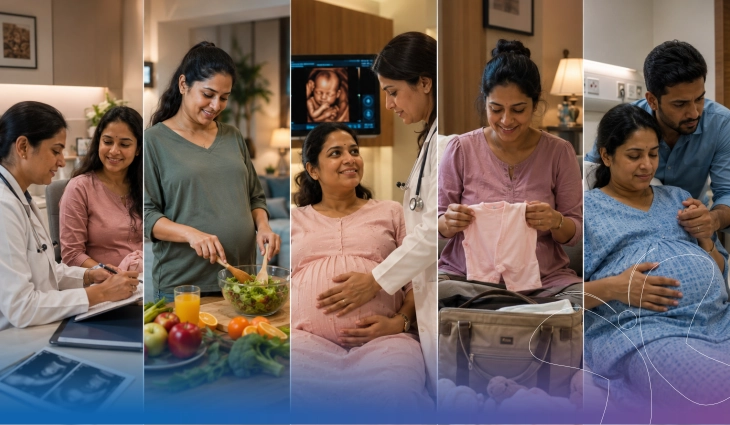
Before Your Due Date: Three Things Worth Doing
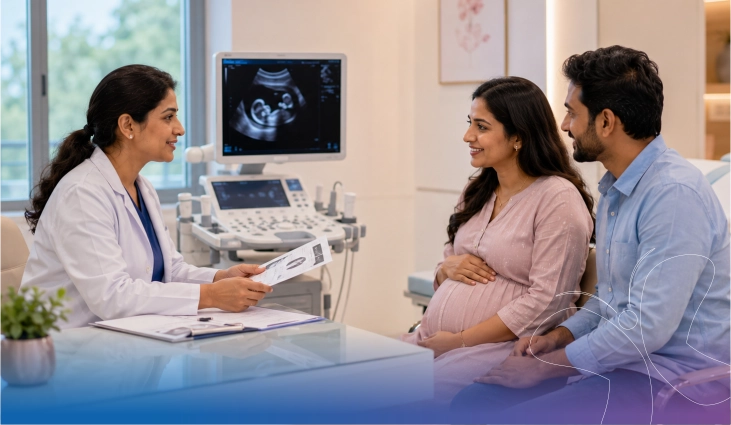
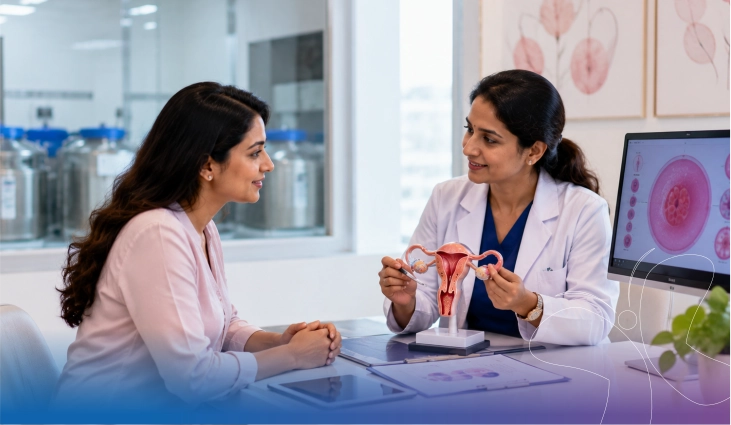
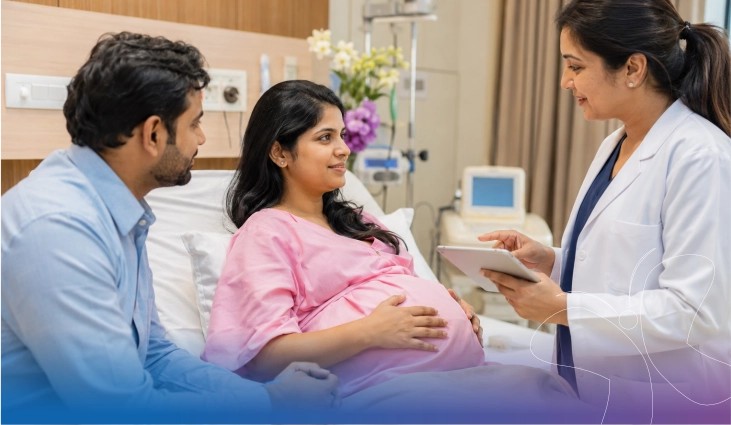
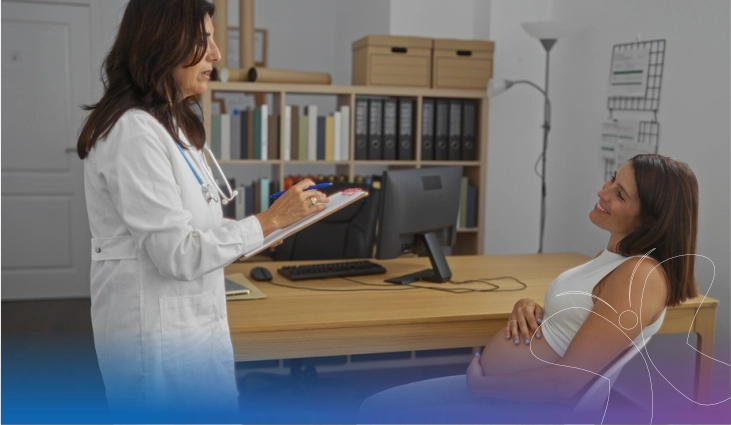
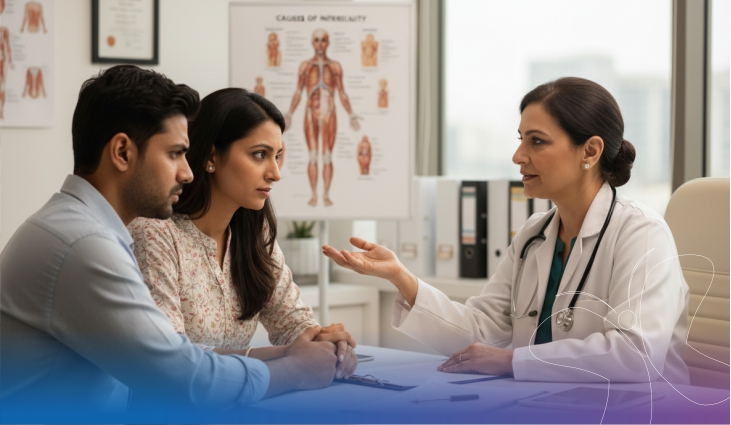
Have the conversation early. Bring up your pain management preferences with your gynecologist at a routine appointment, not when you are already in labour and running on adrenaline.
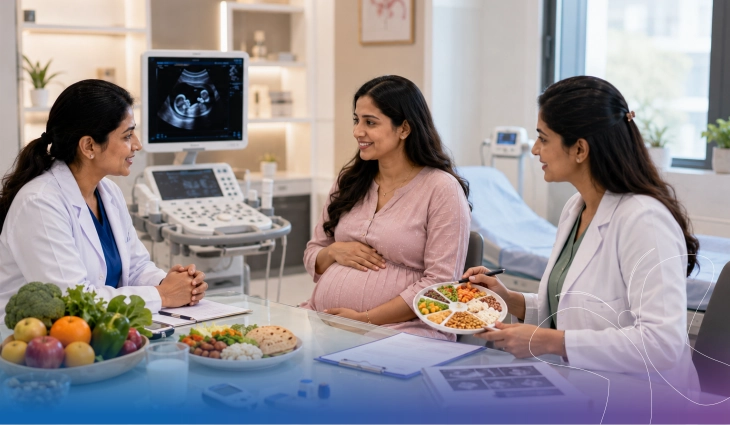
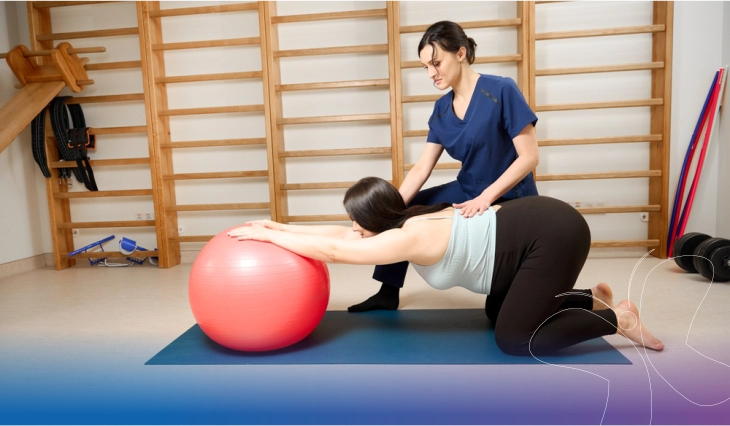
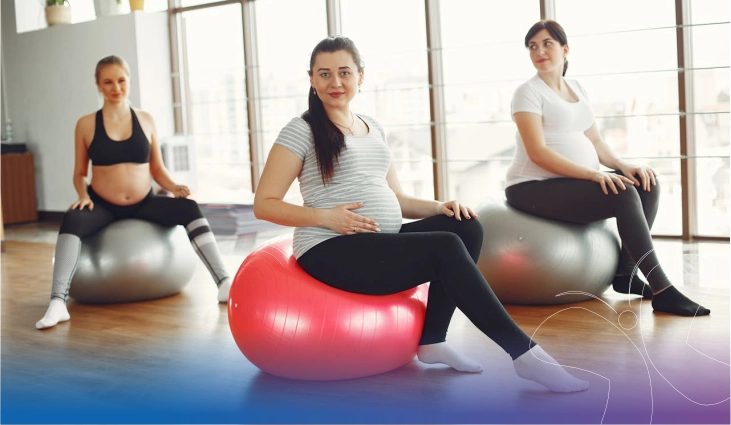
Take a prenatal class. Understanding what happens during labour physiologically reduces the fear that makes pain feel worse than it is.
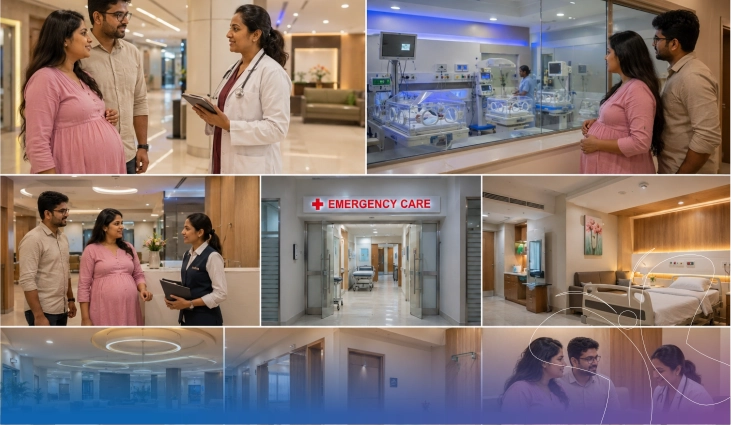
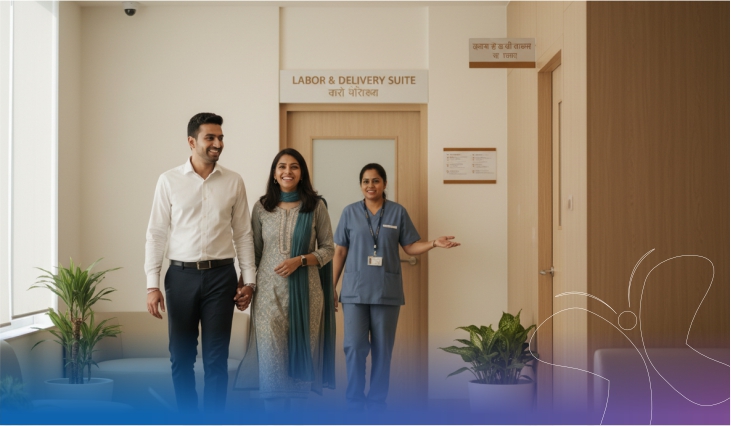
Visit the hospital ahead of time. Knowing the layout, the faces, and the process takes away a significant amount of anxiety on the actual day.
Conclusion
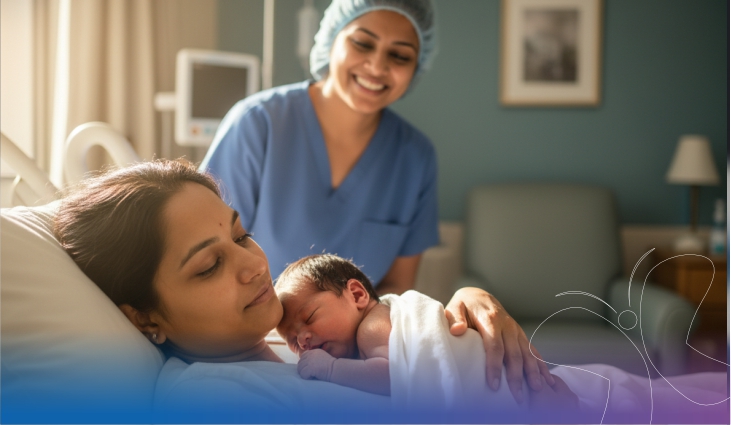
Pain relief during labour is not weakness, and it is not a modern shortcut. It is medicine doing what medicine is supposed to do, reducing unnecessary suffering so you can focus on what matters. Talk to your doctor. Ask the hard questions. And make the decision that is right for your body and your birth.