Introduction
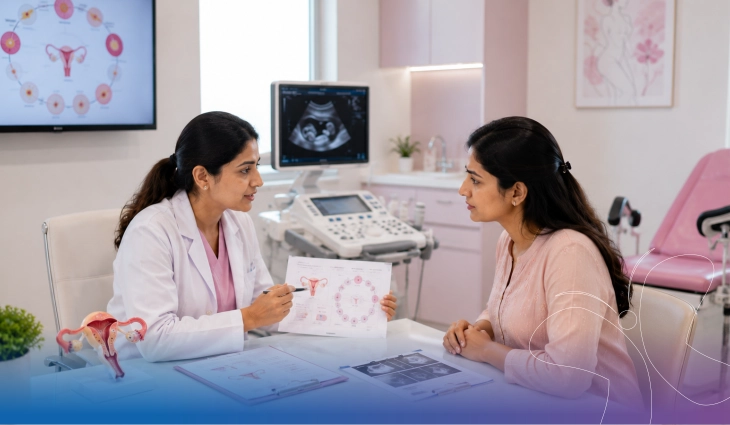
The path to parenthood does not always go as planned. Infertility has become more common across age groups stress, delayed pregnancies, hormonal issues, and lifestyle factors all play a part. IVF remains one of the more reliable routes available, but it is not equally effective at every age. In general, IVF outcomes tend to change noticeably with age. The single most important number couples should understand before starting treatment because it shapes everything from timing decisions to how many cycles may be needed. For couples exploring IVF treatment success after 35, the picture is more nuanced than a simple yes or no, and in 2026, better technology means more options than existed even five years ago.
Overview of IVF Success Rate by Age
IVF works by retrieving eggs from the ovaries, fertilising them with sperm in a lab, and transferring the resulting embryo into the uterus. The process itself has not changed dramatically, but the science supporting it genetic testing, embryo freezing, personalised stimulation has improved considerably.
Female age remains the strongest single predictor of outcome because egg quality and quantity both decline over time. In 2026, the average as women get older, both egg quality and IVF success rates gradually change.
- Under 30: 55–65%
- Age 30–34: 50–60%
- Age 35–37: 40–50%
- Age 38–40: 25–35%
- Above 40: 10–20%
These are averages. Individual results depend on ovarian reserve, embryo quality, health conditions, and the clinical team involved. A clinic that is transparent about its own data is worth more than one quoting industry averages.
Factors That Affect IVF Success
Age matters, but it is not the whole picture.
Egg quality and ovarian reserve
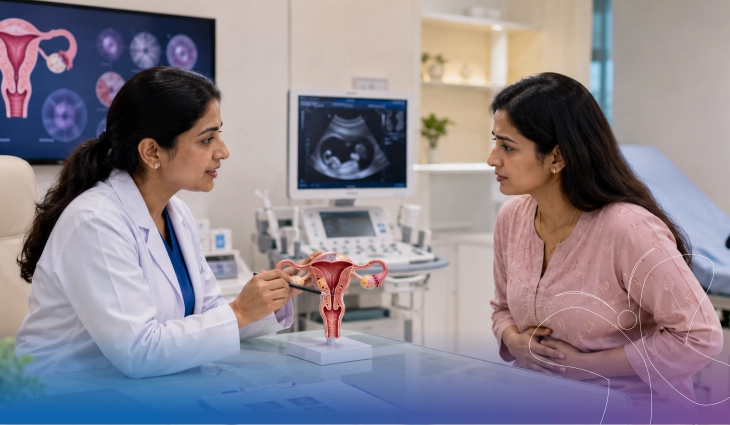
Women over 35 produce fewer eggs per cycle, and a higher proportion of those eggs carry chromosomal abnormalities. This is the core biological reason why IVF treatment success after the age of 35 requires more careful planning, not because it is impossible, but because each step needs to be handled with greater precision. Ovarian reserve testing before treatment begins gives couples a realistic baseline.
Sperm health
Male fertility is often assessed only after IVF attempts fail, which is backwards. Sperm count, motility, and morphology all affect fertilisation and embryo development. Getting a full semen analysis early saves time and avoids unnecessary cycles.
Lifestyle and health conditions
Smoking, obesity, alcohol, poor sleep, and unmanaged conditions like PCOS or endometriosis all reduce the effectiveness of fertility treatment. These are modifiable factors addressing them before starting a cycle genuinely improves outcomes rather than just ticking a box.
Quality of fertility centre
Lab conditions, embryologist experience, and how stimulation protocols are individualised vary significantly between clinics. Choosing the best IVF centre in Rajkot means looking at actual clinical outcomes, not just facilities and promises.
IVF Treatment Options and Solutions in 2026
Personalised IVF protocols
One size fits all hormone stimulation is largely a thing of the past. Protocols are now developed by physicians based on a woman’s ovarian reserve and response history. This reduces the risk of overstimulation and improves egg quality at the time of retrieval.
Genetic testing of embryos
Preimplantation Genetic Testing (PGT) screens embryos for chromosomal abnormalities before transfer. This is particularly relevant for women over 35, where the rate of abnormal embryos is meaningfully higher. Transferring only tested embryos reduces the risk of miscarriage and improves per-transfer success rates.
Frozen embryo transfer
Frozen transfers allow the uterus to recover from stimulation before implantation is attempted. Many clinics now report stronger results with frozen cycles than fresh ones, and it also allows embryos to be stored for future attempts if the first cycle does not succeed.
Donor egg IVF
For women above 40 or those with significantly diminished ovarian reserve, donor egg IVF is a practical option with considerably higher success rates. It removes the age-related egg quality variable from the equation entirely.
Affordable fertility care
For many couples, cost is a real barrier. A clinic providing affordable IVF treatment in Rajkot will provide transparent package pricing and structured payment options without compromising on laboratory standards or clinical care.
Significance Of Selecting The Right IVF Centre
IVF is more than a medical procedure. It’s months of appointments, shots, waiting and emotional strain. The right centre is good for the clinical side and makes the process less tiring to navigate. The best IVF centre in Rajkot will have experienced embryologists, honest success rate data, individualised treatment planning and staff who communicate clearly, not just a well-designed waiting room.
Couples searching for affordable IVF treatment should specifically ask about what is included in quoted prices, how many embryo transfers are covered, and what happens if a cycle is cancelled. These questions separate transparent clinics from those that lead with low headline figures.
Expert Tips to Improve IVF Success
Not every factor is within a couple's control, but several are. Maintaining a healthy BMI supports hormone regulation and ovulation. A diet with adequate protein, healthy fats, and antioxidants from food rather than supplements where possible supports egg and sperm quality in the months before treatment. Stopping smoking and alcohol before a cycle is not optional advice. Chronic stress does affect hormone patterns, so managing it through exercise, sleep, or counselling is genuinely useful rather than just a standard suggestion.
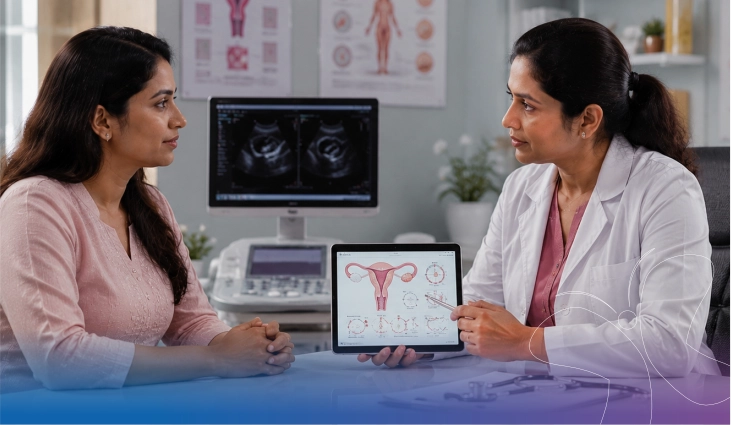
Timing also matters. Since the IVF success rate by age decreases progressively, couples who have been trying without success for 12 months or 6 months if over 35 should get a fertility evaluation rather than continuing to wait.
What Couples Should Realistically Expect in 2026
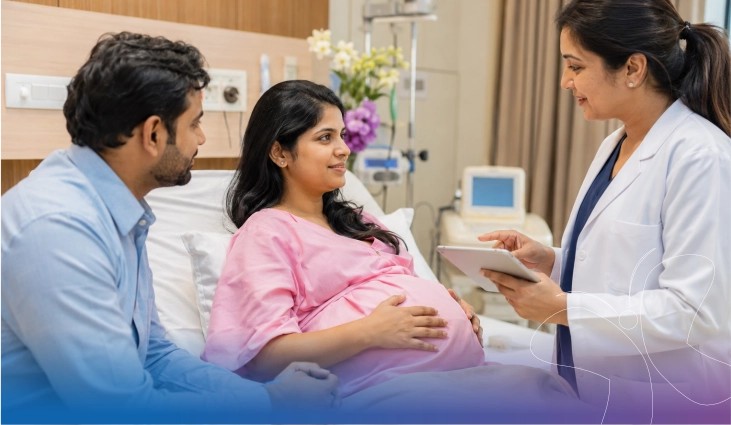
IVF success in the first cycle is not the norm. Most couples who do eventually conceive through IVF do so after two or three cycles. Knowing this going in rather than treating each unsuccessful cycle as a failure makes the process more manageable emotionally. For women specifically looking into IVF treatment success after 35, the data is encouraging enough to proceed with realistic optimism, particularly with genetic testing and experienced clinical support.
Conclusion
Age affects IVF outcomes in ways that are real but not absolute. Technology in 2026 has meaningfully improved what is possible across age groups. Genetic testing, better stimulation protocols, and frozen transfer cycles have all shifted the odds in a positive direction. Couples who go in with accurate expectations, a clear picture of their fertility health, and the right clinical team are in a much stronger position than those who wait too long or choose based on cost alone. If you are weighing options and looking for the best IVF centre, the first step is an honest fertility assessment, not a sales conversation.