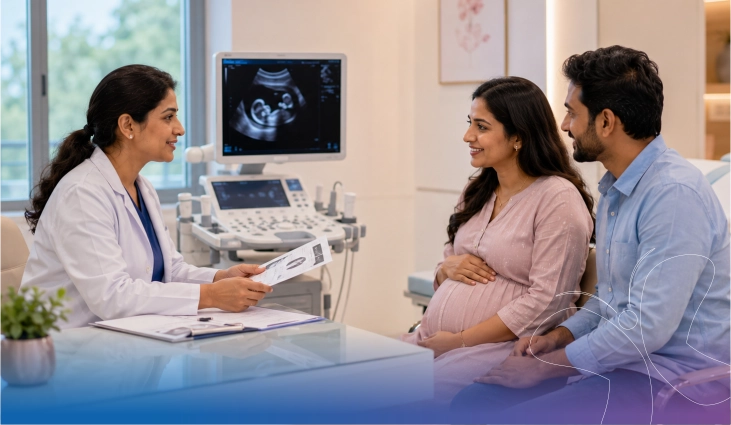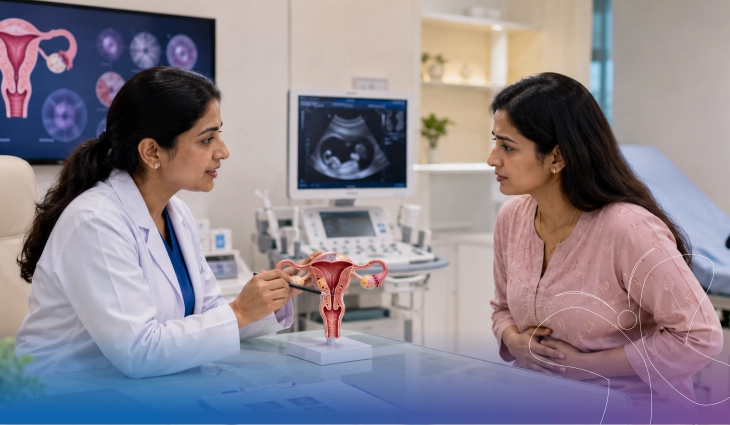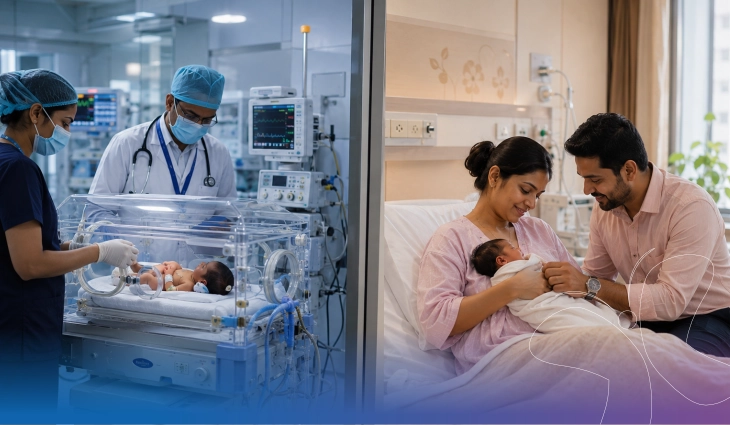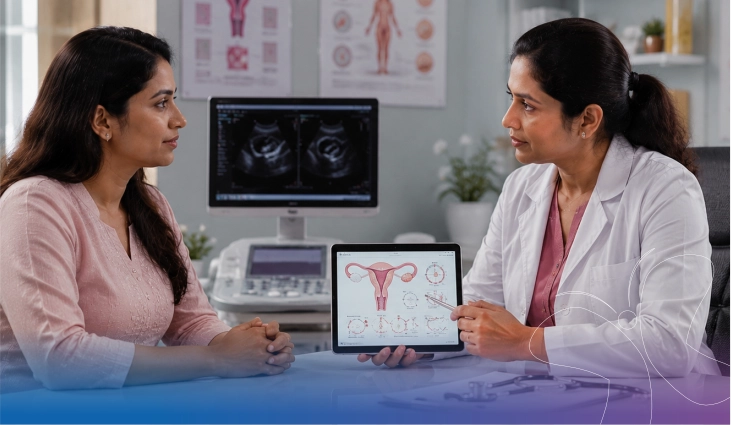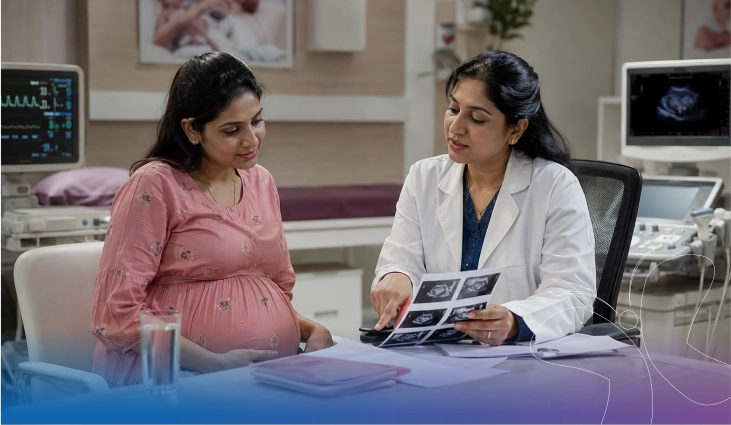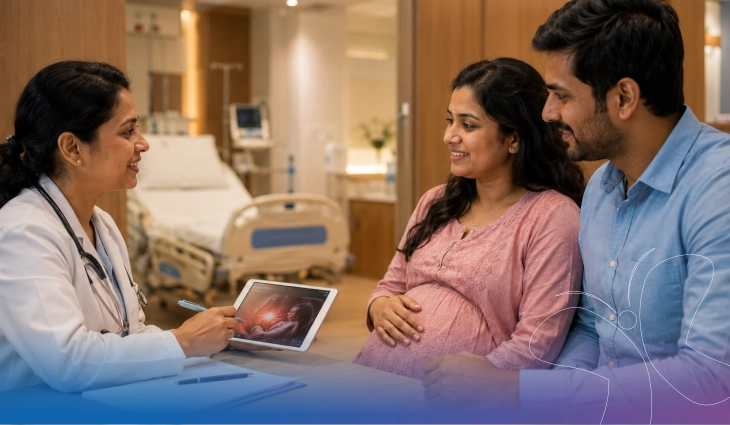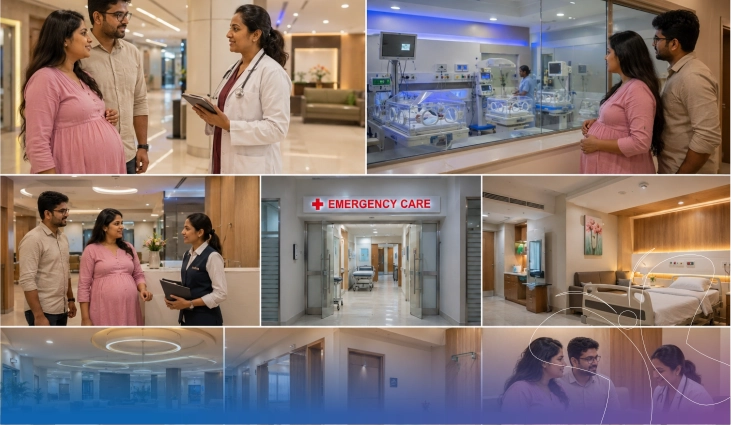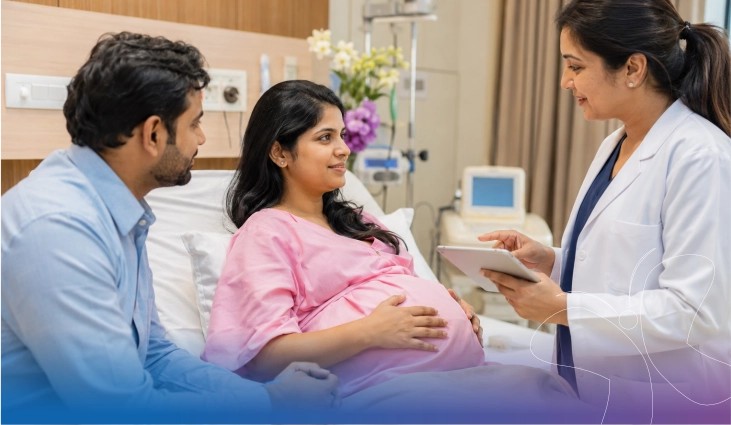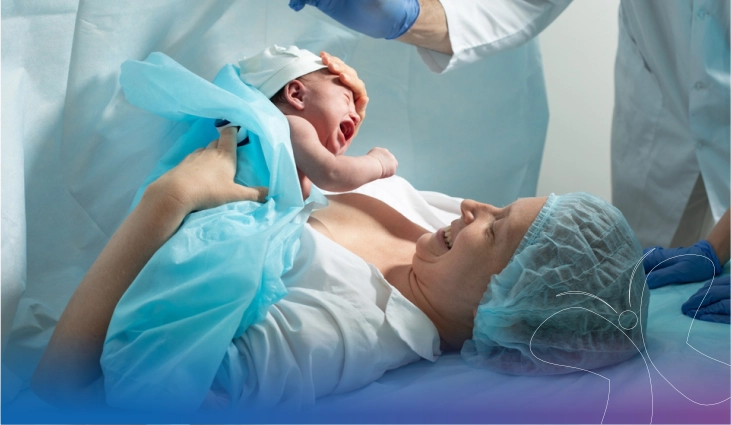
When families research maternity hospitals near them during pregnancy, they tend to focus on the obvious things. The doctor's reputation, the facilities, the delivery packages, and the reviews. Location usually comes up last, treated as a practical footnote rather than a meaningful factor. That ordering is worth reconsidering.
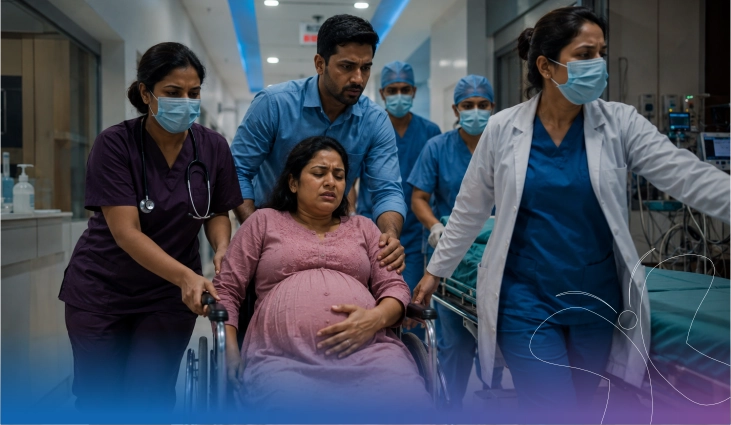
Distance does not matter until it suddenly matters enormously. Labour does not wait for good traffic conditions. Emergencies do not schedule themselves around your commute. The hospital that is thirty minutes away on a clear Sunday morning can be an hour and fifteen minutes away on a Wednesday evening, and that difference is not trivial when contractions are two minutes apart.
The part nobody talks about until they are in it
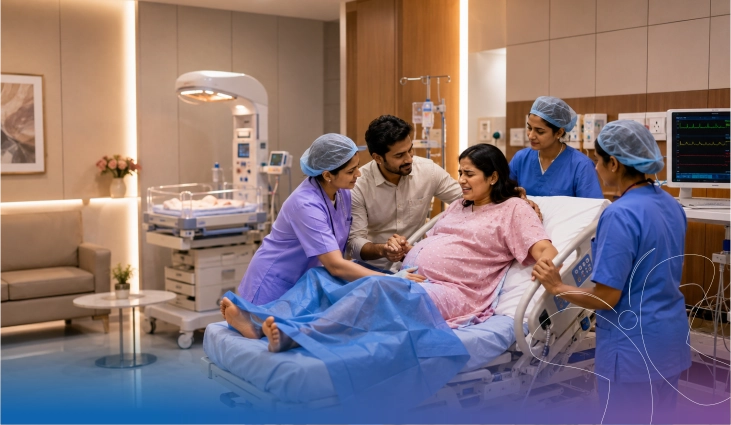
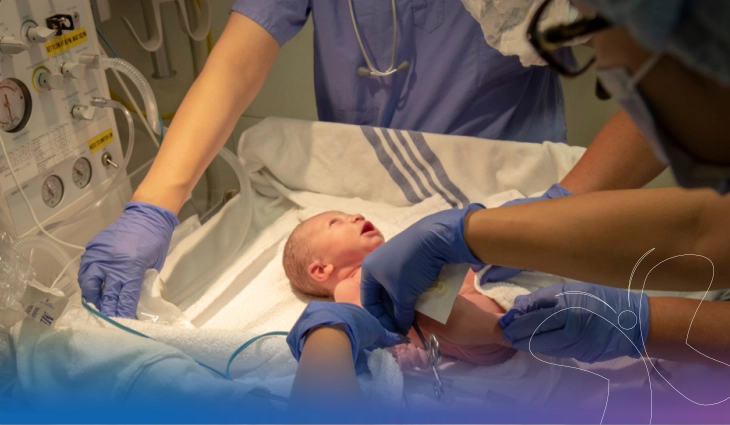
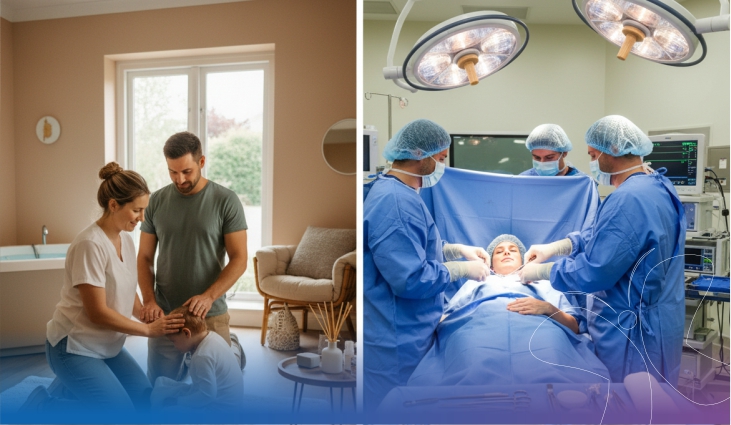
Most deliveries are not textbook cases. Labour can begin hours earlier than expected, progress faster than anticipated, or shift character entirely from manageable to urgent within a short window. Families who have chosen a maternity hospital that sits within a sensible distance describe the experience differently from those who faced long drives. The physical toll of travelling while in active labour is real, and the stress it adds to an already demanding situation compounds in ways that are hard to predict in advance.
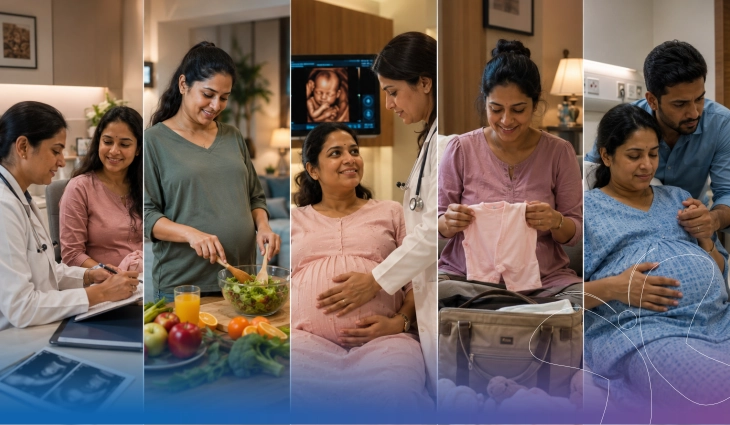
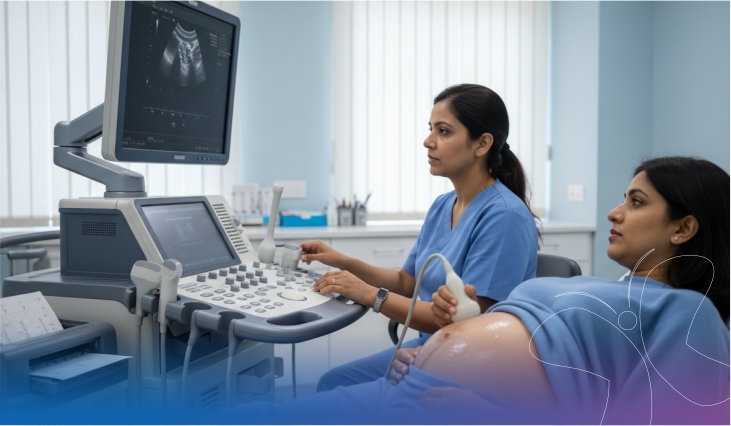
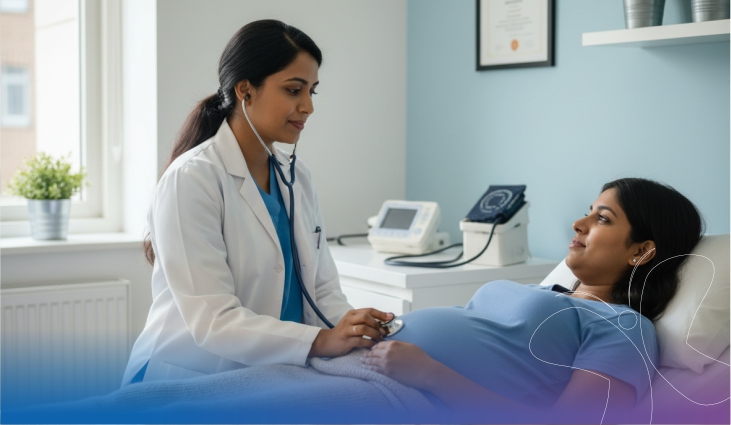
Beyond the delivery itself, proximity shapes the entire final trimester. Prenatal appointments become more frequent in the last eight weeks. If every visit involves a significant commute, the temptation to skip or delay grows, and that is when consistent monitoring matters most. A hospital that is reachable without effort is a hospital that actually gets used regularly.
What proximity means in a genuine emergency
.
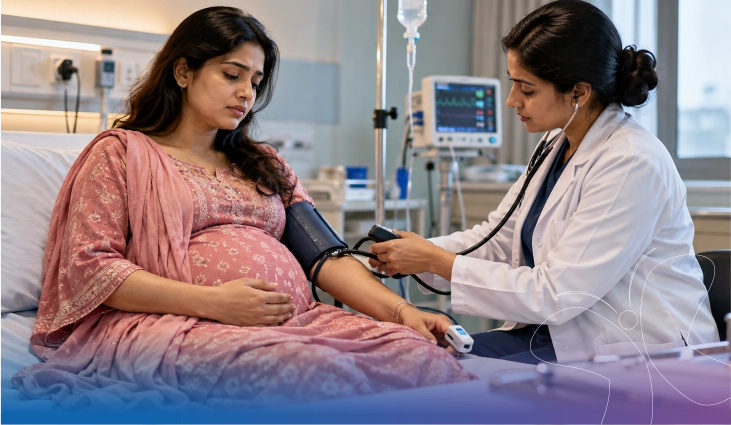
Some pregnancy complications give clear warnings. Others do not. A placental abruption, severe pre-eclampsia developing rapidly, or a cord prolapse after water breaks
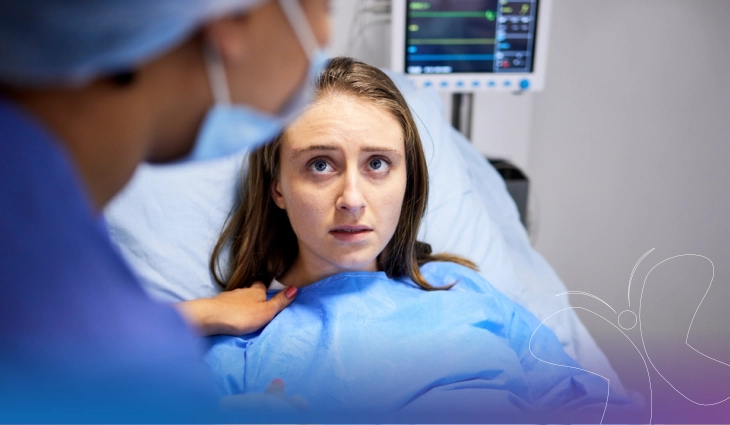
These are situations where minutes carry clinical weight. Having already identified an emergency delivery hospital near me means there is no decision to make in that moment, no searching, no uncertainty about which way to turn. You leave, and you arrive.
Hospitals with 24-hour maternity cover handle these situations routinely, but only if the patient gets there while intervention is still possible. The preparation that makes that happen is not what you do during the emergency. It is what you do three months before it, when you choose which hospital to trust and make sure it is within a realistic distance from where you live and spend your days.
The family's role and why it gets harder with distance
Labour and delivery are not experienced only by the mother. Partners, parents, siblings the people “who matter most" want to be present, and they want to be able to arrive quickly if something changes. When the chosen hospital is far from home, that support structure gets strained. Someone has to stay with older children. Someone else is stuck at work and cannot make it in time. The logistics of being there become a problem layered on top of the emotional weight of the moment.
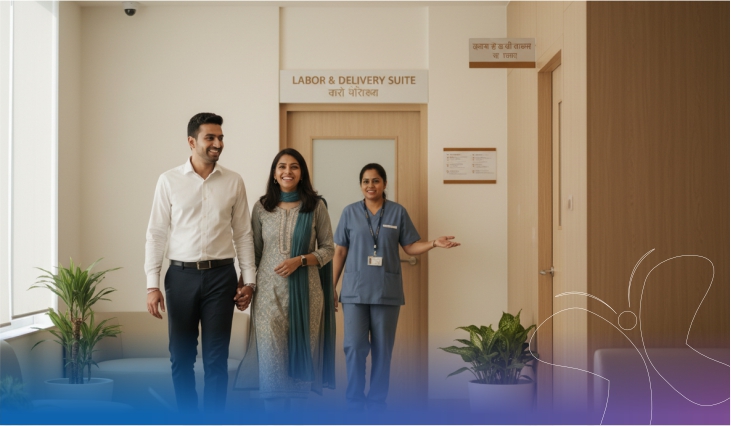
A nearby gynaecological hospital resolves most of that friction without anyone having to think about it. Family members can arrive without heroics. Post-delivery visits are easy enough to happen daily. The newborn's early days at home coincide with follow-up appointments that feel manageable rather than like another expedition.
Post-delivery care is where distance shows up most quietly
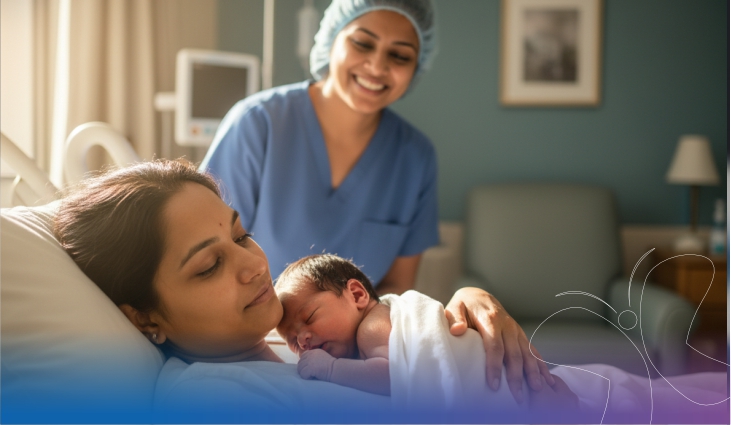
The weeks after delivery require their own rhythm of check-ups for the mother's recovery, for the newborn's weight and feeding, and for vaccinations and screenings that follow a specific schedule. Families who chose the best hospital near them for delivery based partly on location consistently find the post-delivery period easier to navigate. The appointments happen. The concerns get addressed promptly. Nothing gets deferred because the drive felt like too much that day.
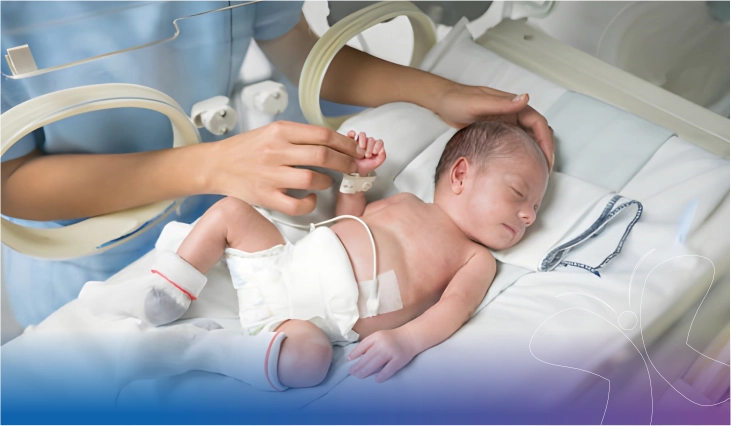
This matters more than it sounds. Post-delivery complications in mothers, infections, haemorrhage, and mental health changes are more likely to be caught early when follow-up care is accessible. For newborns, the same applies. A hospital that was easy to get to during pregnancy tends to remain easy to get to when it counts in the weeks that follow.
How to actually weigh proximity when choosing
Proximity does not override everything else. A hospital that is five minutes away but lacks a functioning NICU or experienced obstetricians is not the right choice simply because of its address. The goal is to find a pregnancy care hospital in Rajkot that meets the clinical standards your pregnancy requires and sits within a distance that is genuinely manageable, not just manageable on the day you visited for a tour.
The practical test is simple. Drive the route on a weekday evening during peak hours. Time it. Then decide whether that journey, repeated at unpredictable intervals under pressure, feels like something your family can handle. Most families find that the answer shapes their shortlist considerably.
Searching for the best hospital near you for delivery is not just a starting-point habit. It reflects something real about how birth actually works. A hospital worth trusting is one you can reach without drama, visit without dread, and call at 2 a.m. knowing someone will answer and you will be there before the situation changes. That combination of clinical quality and genuine proximity is the standard worth holding out for, and it exists in Rajkot for families willing to look carefully rather than settle for whatever is most visible in a search result.
Choosing a well-regarded maternity hospital near me early in pregnancy rather than scrambling when labour begins is one of the most straightforward things a family can do to reduce the number of decisions to make under pressure. Most of the preparation that matters happens before anything goes wrong. That is exactly when to do it.