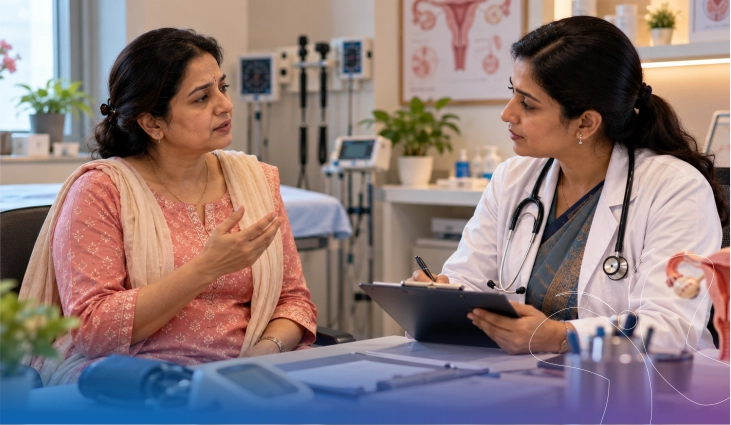
Pregnancy does not arrive with a manual. Most mothers spend the early weeks oscillating between excitement and low-level anxiety, trying to work out what they should be doing, when, and with whom. The reassuring truth is that good pregnancy care does not require anything complicated it requires consistency, honest communication with a doctor you trust, and showing up for the appointments even when everything feels fine.
What changes across the three trimesters is not the principle but the specific focus. Each stage brings different developments for the baby and different demands on the mother's body. Understanding what matters when rather than treating the whole nine months as one undifferentiated stretch makes it easier to stay on top of care without feeling overwhelmed by it.
The first trimester: laying the groundwork
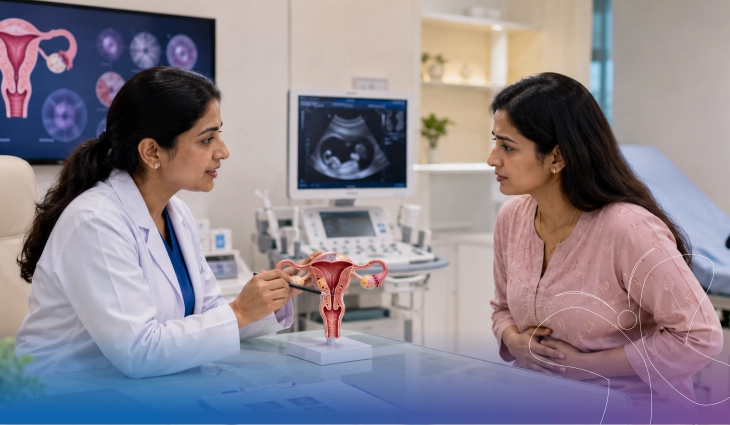
The first twelve weeks are when the baby's foundational development happens. The heart forms, the neural tube closes, and the organs begin to take shape. Most of this occurs before the pregnancy is even showing, which is part of why early registration with a doctor matters more than many first-time mothers expect. The decisions made in the first trimester about supplements, diet, and what to avoid have effects that carry through the entire pregnancy.
Registering early for antenatal care near me allows a baseline to be established. Blood pressure, blood group, haemoglobin levels, and thyroid function – these initial readings give the doctor something to compare against as the pregnancy progresses. Abnormalities caught early are almost always more manageable than the same issues identified at week thirty.
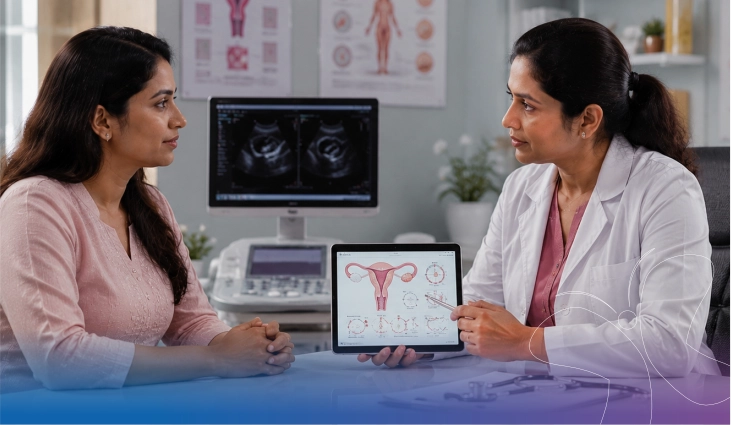
Folic acid is the supplement most associated with this stage, and for good reason it significantly reduces the risk of neural tube defects during the period when the brain and spine are forming. Iron and vitamin D often follow close behind depending on the mother's baseline levels. None of this is guesswork; a doctor who runs the right tests early knows exactly what that particular mother needs rather than what a generic checklist suggests.
Nausea, fatigue, and heightened sensitivity to food and smell are common in these weeks and not a sign that anything is wrong. What is worth flagging is anything that feels severe, like persistent vomiting that prevents any food intake, significant pain, or bleeding. The first trimester is also when the early ultrasound confirms the pregnancy is developing in the right location and gives an accurate due date, which every subsequent appointment will use as its reference point.
The second trimester: the window of relative calm
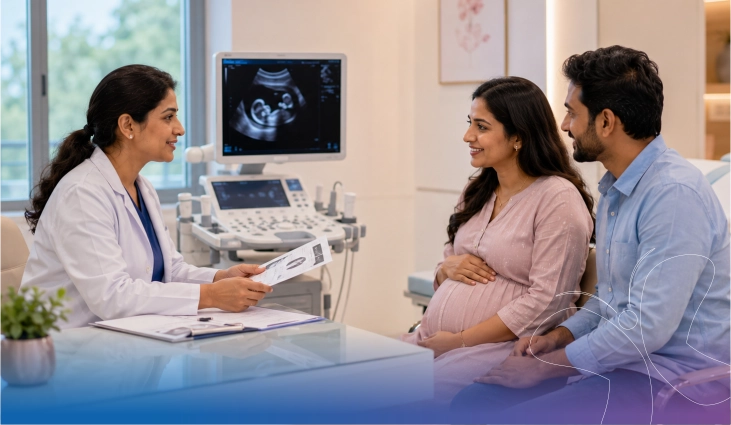
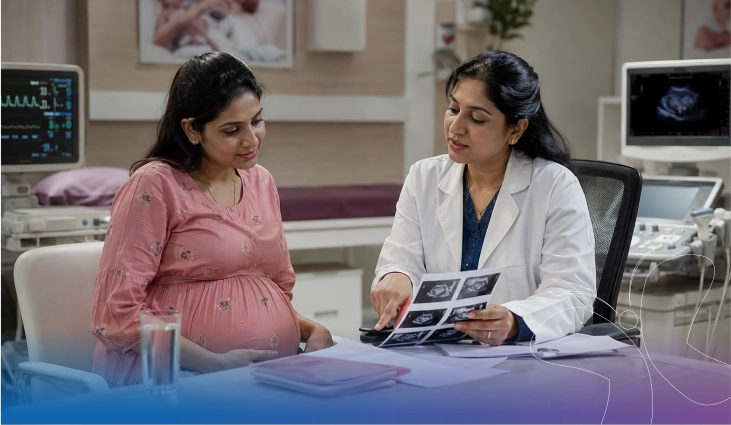
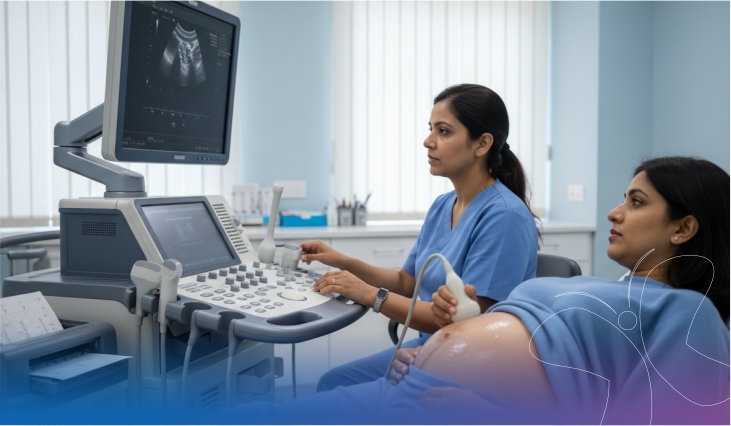
For most mothers, weeks thirteen through twenty-seven bring some welcome relief. The nausea typically eases, energy returns, and the pregnancy becomes visible enough to feel real in a new way. This is also the trimester when the anomaly scan happens usually around eighteen to twenty weeks, which provides a detailed look at the baby's anatomy and is one of the most significant appointments of the entire pregnancy.
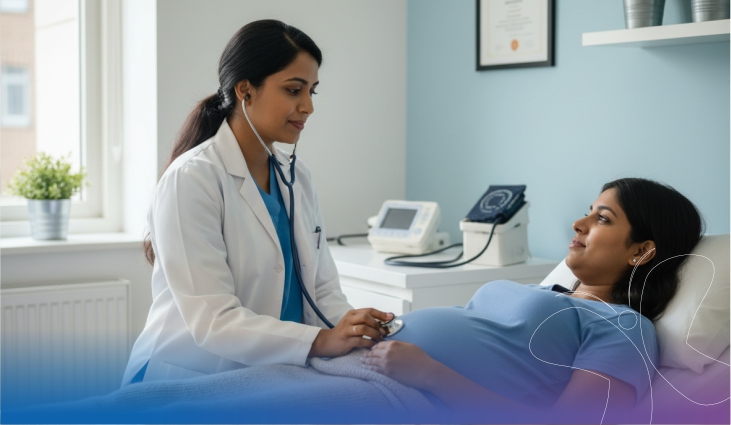
Visits to a pregnancy checkup hospital in Rajkot during this phase focus on tracking the baby's growth, monitoring blood pressure, screening for gestational diabetes, and checking that weight gain is following a healthy trajectory. None of these checks are dramatic, but each one is informative. Gestational diabetes, for example, often produces no obvious symptoms but carries real risks for both mother and baby if unmanaged. The glucose tolerance test done in this window is the only way to catch it.
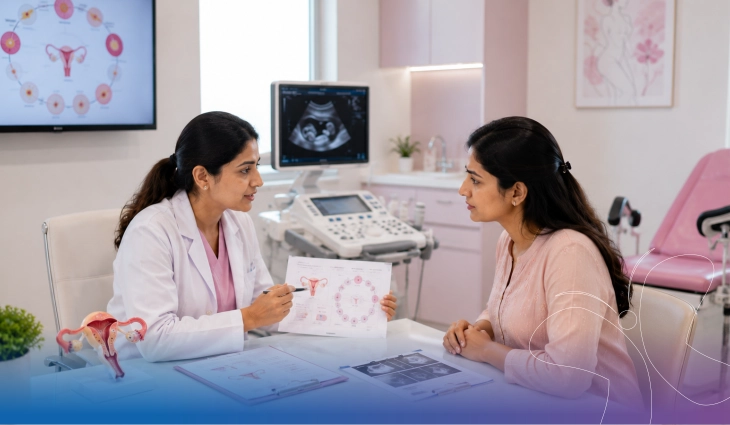
This is also a reasonable time to start thinking about a birth plan, not because it needs to be rigid, but because having a conversation with the best gynaecologist in Rajkot about preferences, concerns, and likely scenarios means the mother arrives at the third trimester informed rather than anxious. The doctor's job is partly clinical and partly to make sure the mother understands what is happening and why.
The third trimester: preparation and increased vigilance
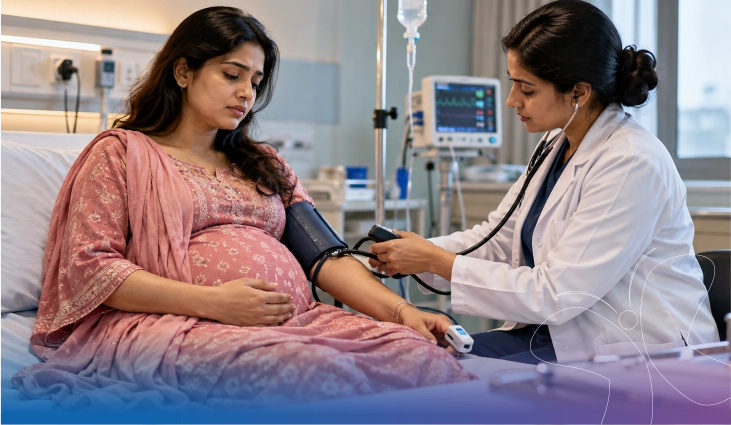
The final stretch, from week twenty-eight to delivery, is when appointments become more frequent and the focus sharpens around delivery readiness. The baby's position matters increasingly from around week thirty-four onwards. A breech or transverse presentation at that stage triggers a different set of conversations than a head-down position does. Blood pressure monitoring intensifies because pre-eclampsia, if it develops, tends to emerge in the third trimester.
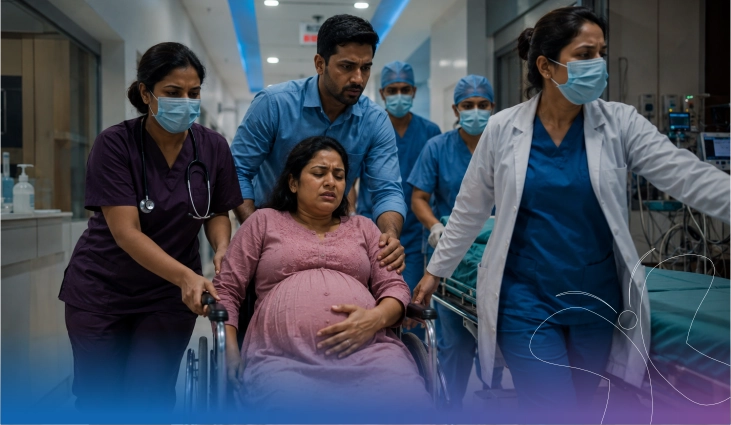
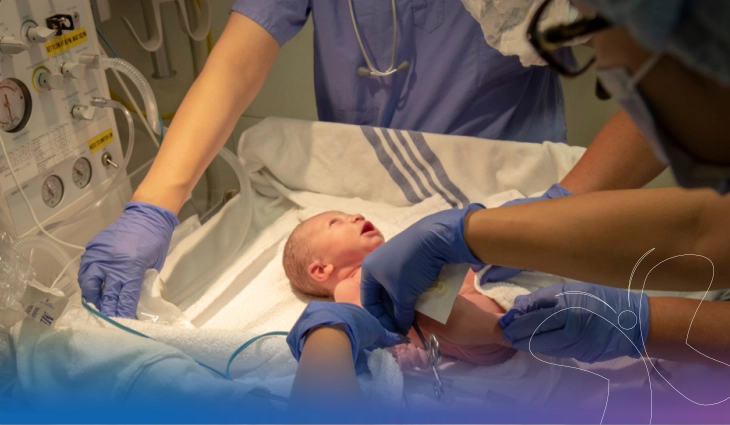
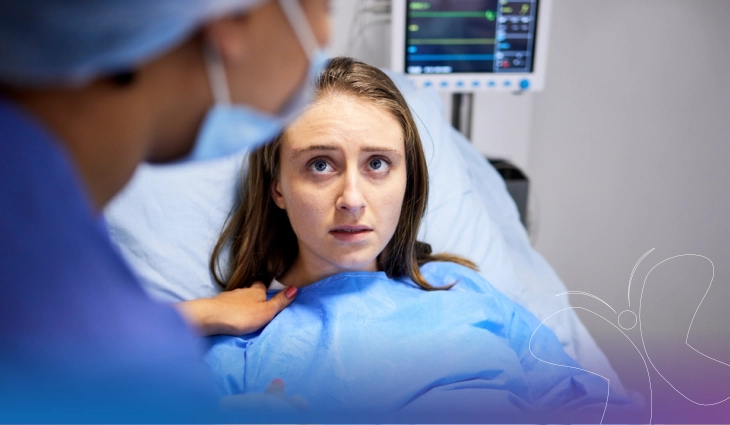
Choosing a maternity care hospital near me that is genuinely prepared for this stage means confirming that the facility has around-the-clock obstetric cover, a functioning NICU for any eventuality, and a team that handles both normal deliveries and surgical ones with equal competence. The third trimester is not the time to discover that the hospital you chose does not have what you need.
Fetal movement tracking becomes part of daily life in these weeks. Most doctors ask mothers to note whether the baby's movement pattern feels consistent with what it has been. A significant or sudden reduction in movement is always worth reporting immediately, it is one of the clearest early indicators that something may need attention.
Finding the right hospital and doctor before you need them urgently
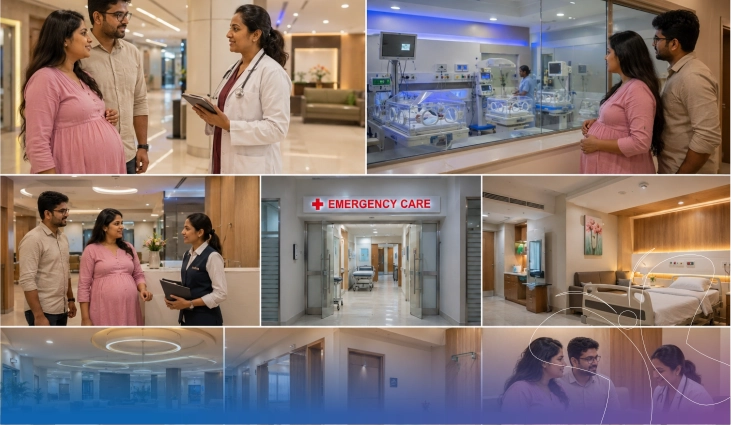
One of the most practical things an expecting mother can do in the first trimester is settle on a hospital before the third trimester makes that decision feel urgent. A well-regarded pregnancy care hospital in Rajkot will have the facilities, the staffing, and the protocols that good maternity care requires, and visiting in person, asking direct questions, and getting a sense of how staff communicate tell you far more than any brochure will.
The relationship with the doctor matters just as much as the building. A mother who trusts her gynaecologist asks questions earlier and raises concerns before they become problems and arrives at delivery calmer and better informed. If a first appointment leaves a mother feeling rushed or dismissed, that is worth acting on rather than accepting. Good antenatal care near me is not just technically competent. It is care that the mother actually engages with, which requires feeling heard throughout.
Pregnancy across all three trimesters comes down to something fairly simple: show up, pay attention, and work with a doctor and a maternity care hospital near me that takes both mother and baby seriously at every stage. Everything else follows from that.