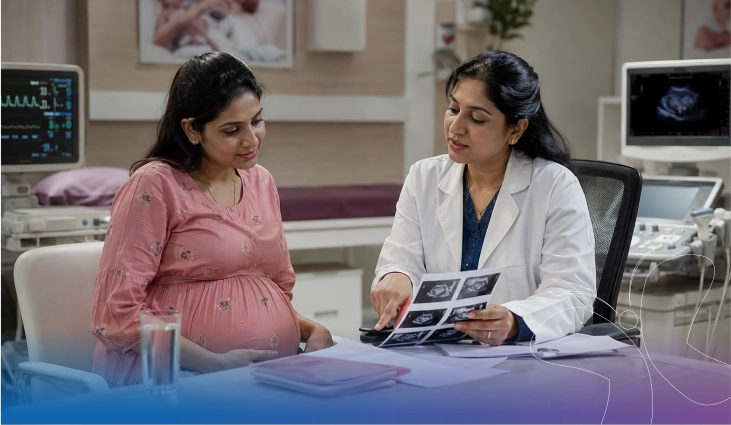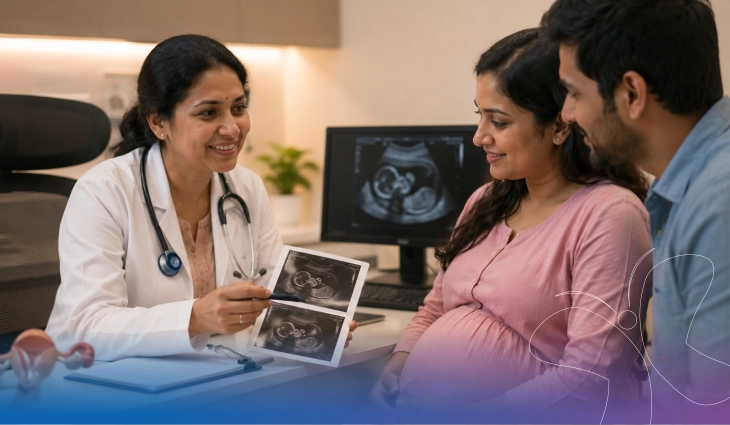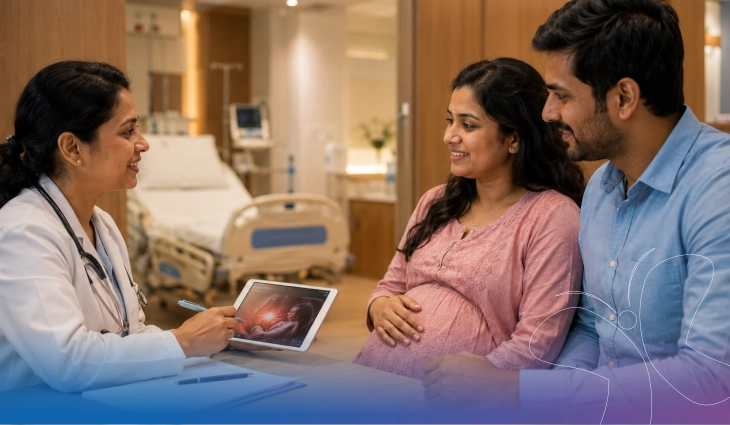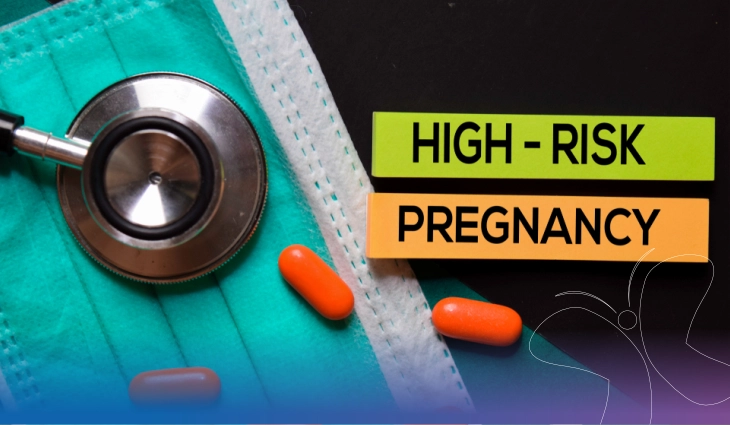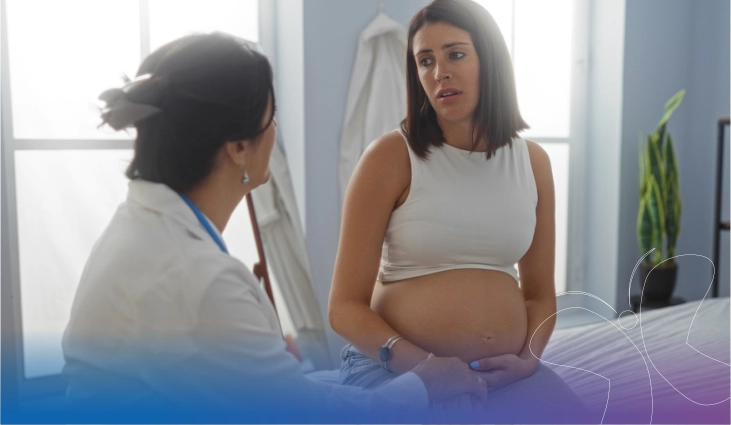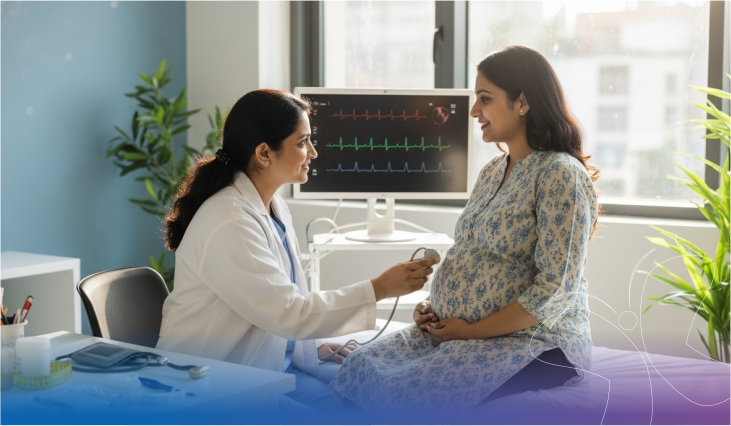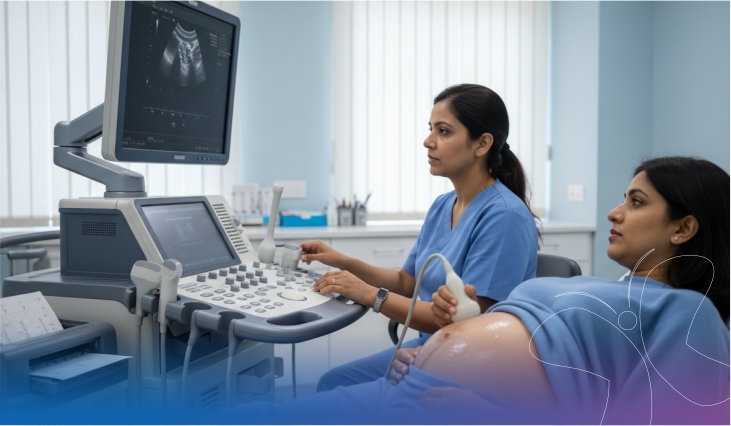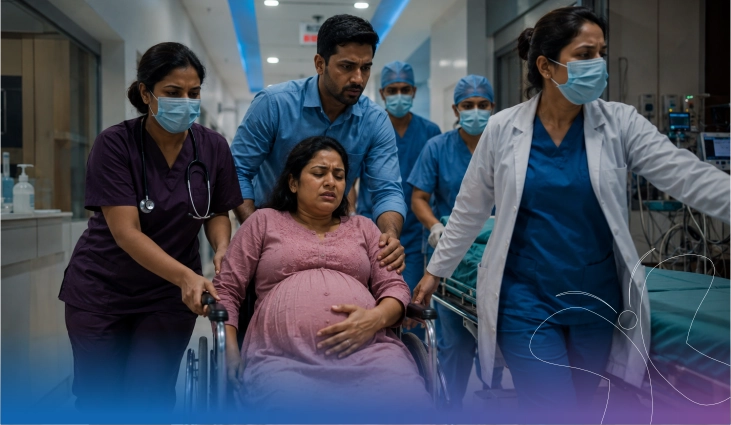
Most pregnancies go well. That is the truth, and it is worth saying upfront. But most is not all and the gap between a normal pregnancy and a complicated one can close faster than anyone expects. When something feels wrong at 2 a.m., or when a symptom that seemed minor yesterday suddenly worsens, what you know in that moment matters enormously.
This is not about creating fear. It is about being ready.
Why This Knowledge Matters
Pregnancy puts the body through significant change hormonal, physical, and cardiovascular. Most of what you experience is normal. But some symptoms are the body's way of signalling that something needs attention, and those signals should not be second-guessed or waited out.
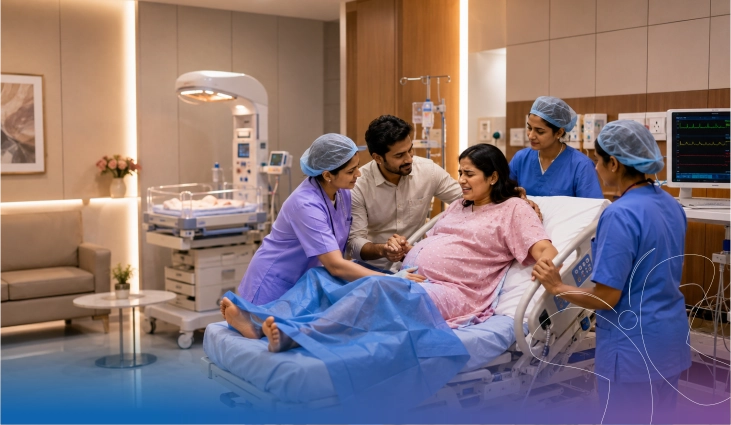
The difference between a manageable complication and a serious one often comes down to how quickly medical care was reached. Hospitals offering round the clock maternity services, the kind families look for when searching for a 24 hour delivery hospital in Rajkot, exist precisely because pregnancy does not follow a schedule. Emergencies happen at night, on weekends, and during holidays.
Knowing where to go and what to watch for before anything goes wrong is the single most useful thing an expecting mother can do.
Symptoms That Should Never Be Ignored
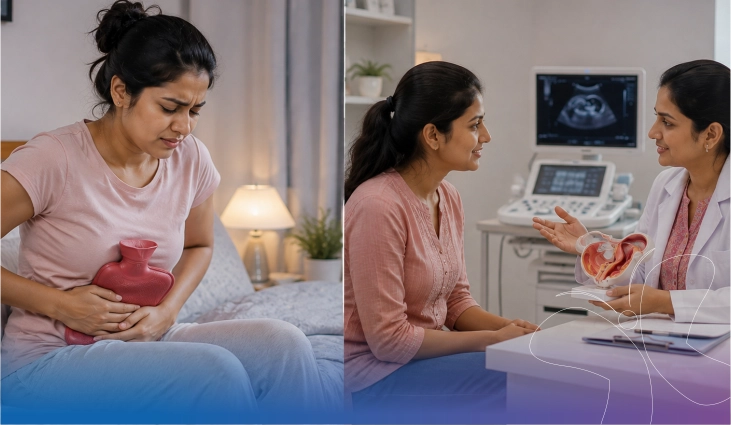
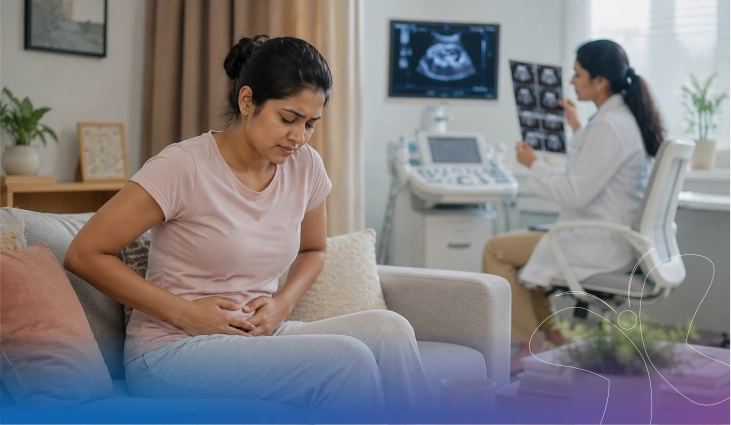
Severe or sudden abdominal pain Some abdominal discomfort during pregnancy is normal, from ligament stretching and digestion changes to Braxton Hicks contractions. But pain that is sharp, persistent, or comes on suddenly without an obvious cause is different. It can point to placental abruption, ectopic pregnancy, or preterm labour. None of these wait.
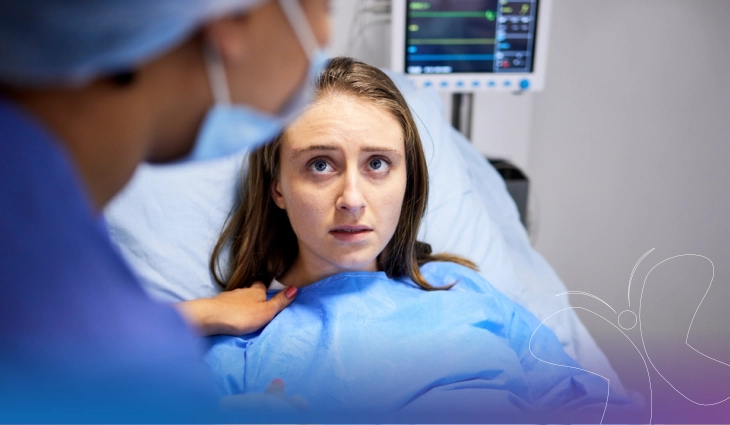
Heavy vaginal bleeding Light spotting in the first trimester happens and is often harmless. Heavy bleeding is never harmless. At any stage of pregnancy, significant bleeding warrants immediate evaluation, not a wait-and-see approach, not a call to a relative first.
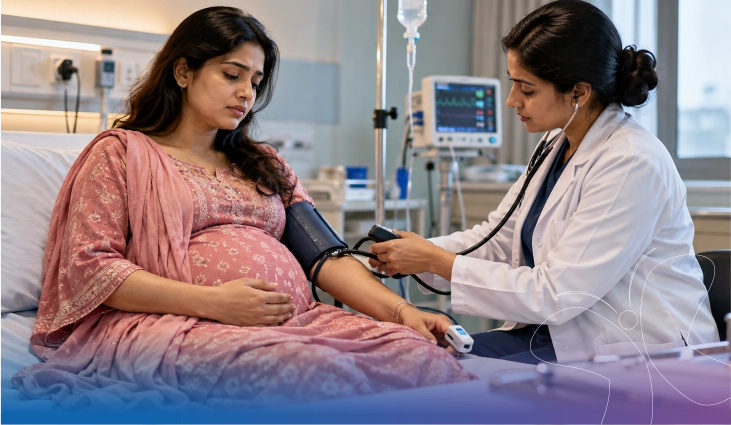
Severe headache with swelling Swelling in the hands, feet, or face combined with a persistent, intense headache can be signs of pre-eclampsia, a condition where blood pressure rises dangerously. Left unmanaged, it can escalate into seizures and organ damage. This combination of symptoms needs same-day medical attention, no exceptions.
Reduced or absent foetal movement From around 28 weeks, most mothers develop a sense of their baby's movement patterns. A noticeable drop in movement or movement that has stopped entirely is a reason to go in immediately, not tomorrow. Doctors can assess the baby's condition quickly with monitoring equipment.
Water breaking before 37 weeks Premature rupture of membranes significantly increases the risk of infection and preterm birth. If your water breaks early, go directly to a hospital. Do not wait to see if labour begins on its own.
Other Situations Requiring Urgent Attention
Beyond the major warning signs, a handful of other situations call for prompt medical care during pregnancy fainting or severe dizziness, high fever, sudden and severe vomiting leading to dehydration, difficulty breathing, or any kind of physical trauma such as a fall or accident.
The instinct to manage these at home or wait for a scheduled appointment can be understandable. It is also risky. When in doubt, the right move is always to go in.
What Good Emergency Maternity Care Looks Like
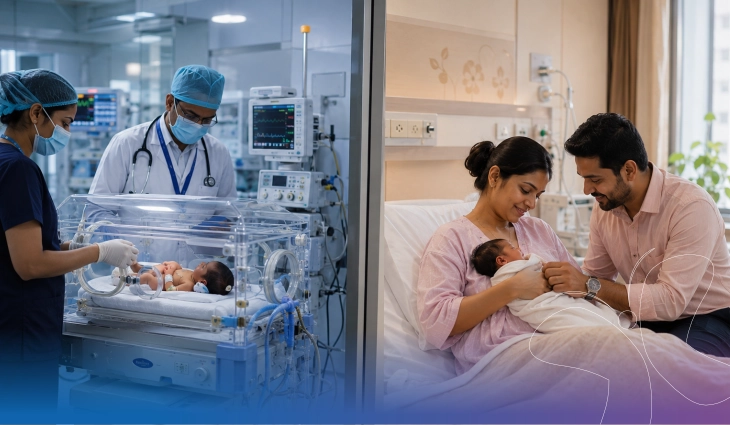
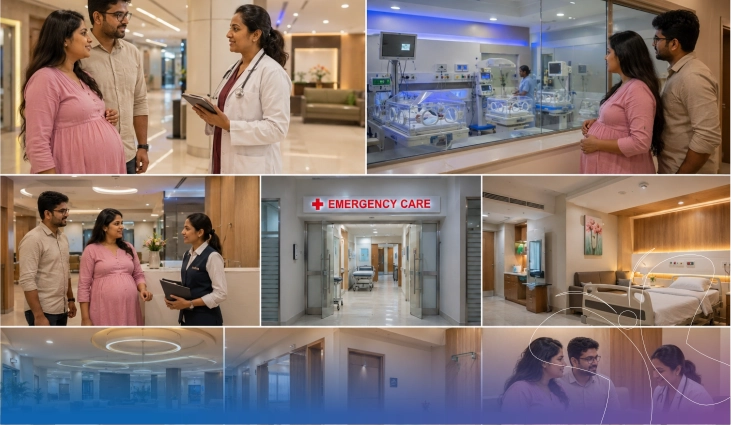
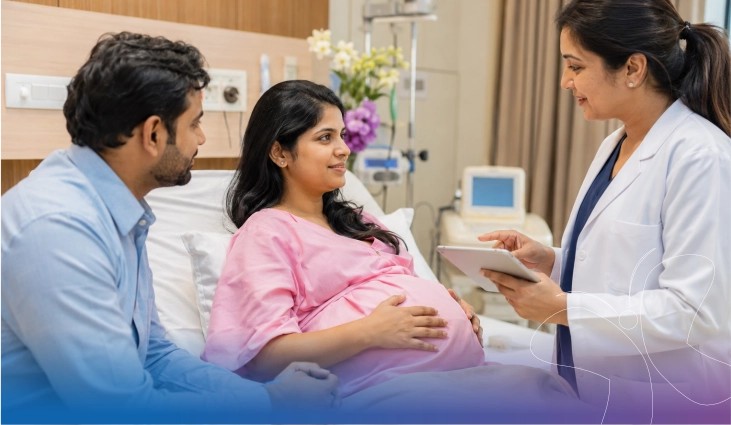
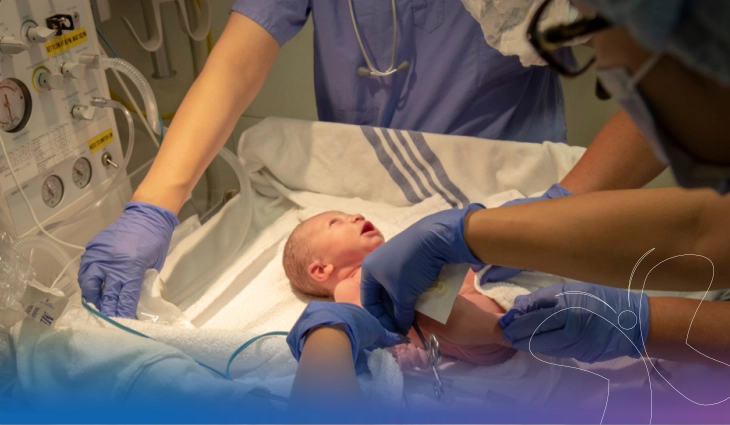
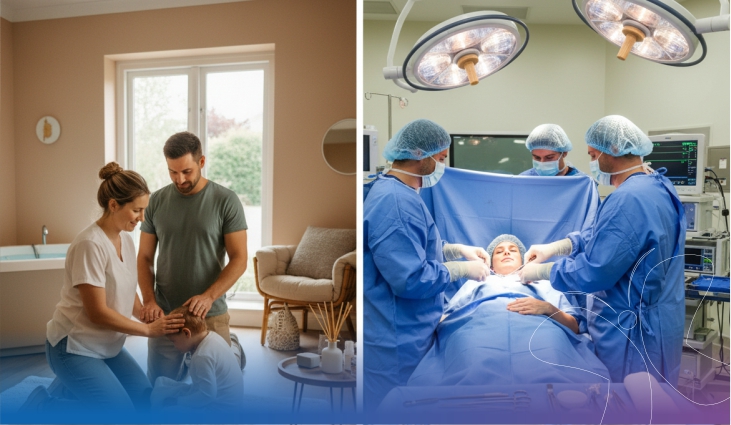
Not every hospital is equally equipped for pregnancy emergencies. A facility genuinely prepared for high-risk situations will have a qualified obstetrician available at all hours, not just on call but present. It will have the ability to perform an emergency caesarean within minutes if fetal distress demands it. It will have a neonatal intensive care unit for newborns who arrive early or need immediate support.
When families search for an emergency maternity hospital near me, they are often doing so in a moment of stress, without time to research properly. That search should happen before the emergency so that when the moment arrives, the decision is already made.
Visit the hospital. Ask about their emergency obstetric protocols. Find out how their anaesthesiology coverage works overnight. A good facility welcomes those questions.
Prenatal Checkups Are Your First Line of Defense
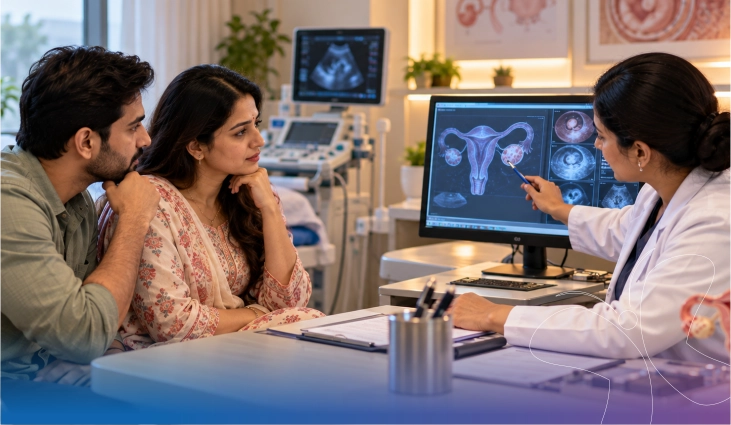
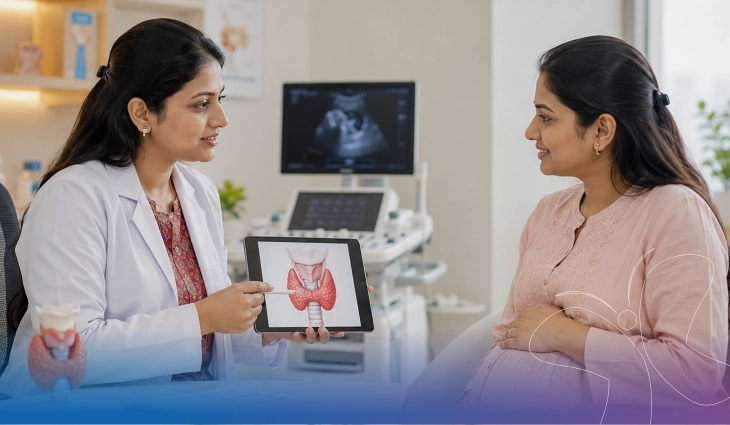
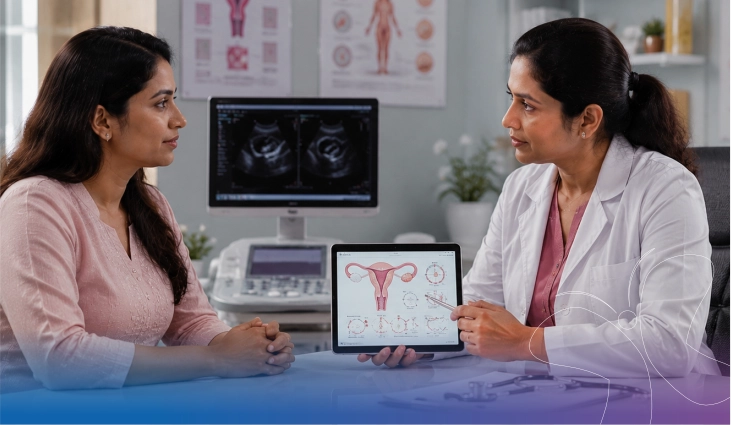
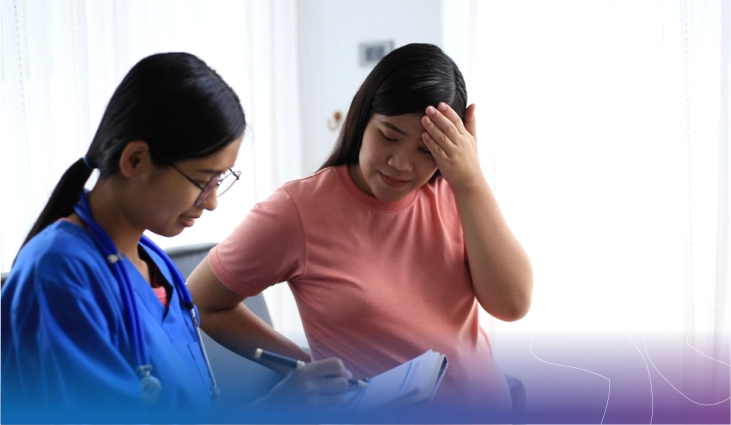
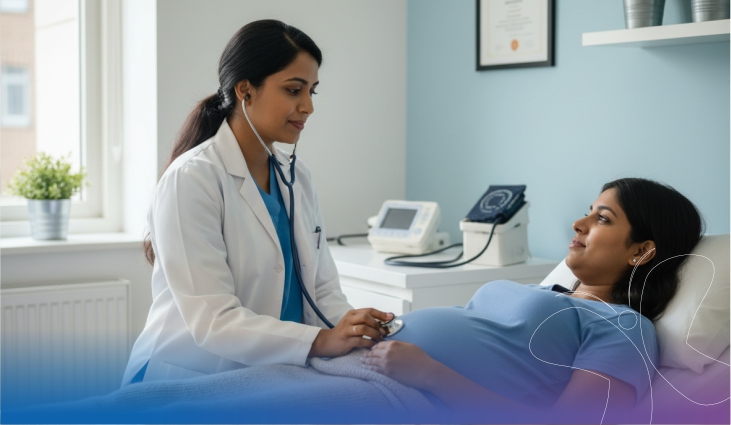
Most pregnancy emergencies do not appear without warning. They develop from conditions such as high blood pressure, gestational diabetes, placenta positioning, and fetal growth that are detectable during routine prenatal visits. The checkup you skip is the one where a problem might have been caught early.
Regular prenatal care does not guarantee a complication free pregnancy, but it dramatically improves the odds of catching problems before they escalate. Hospitals that handle emergency cases also typically offer comprehensive prenatal programs, because the two go hand in hand.
Attend every scheduled appointment. If something feels off between visits, call your doctor that is what they are there for.
Preparing Before You Need To
There is a particular kind of calm that comes from being prepared. Here is what that looks like practically:
Save your doctor's emergency contact in your phone now, not later. Identify your hospital and confirm they have 24 hour maternity coverage. Let your immediate family know the plan which hospital, which route, and who drives. Pack a basic hospital bag by week 35. Carry your medical records or a summary of your pregnancy health when travelling. None of this takes long. All of it matters.
Conclusion
Pregnancy emergencies are not common, but they are real. The mothers who navigate them best are usually not the ones with the most medical knowledge. They are the ones who trusted what their body was telling them and acted on it without hesitation.
If something feels wrong, seek care. Early action protects two lives.