Most women spend more time researching a hospital bag checklist than they spend choosing their gynaecologist. That is understandable the internet makes packing lists easy and doctor selection genuinely hard. But the person guiding your pregnancy will influence nearly every significant decision across nine months and through delivery. That deserves deliberate thought, not a rushed choice made in the first trimester. Here is what to actually look at.
Credentials Open the Door — Experience Decides the Rest
A gynaecologist's degree confirms they completed medical training. It does not tell you how they perform under pressure, how they communicate difficult news, or whether they have seen enough complicated deliveries to handle yours if something goes unexpectedly.
Ask direct questions. How many years have they practised obstetrics specifically? Do they manage high-risk pregnancies regularly or refer those cases elsewhere? What does their delivery approach look like when labour is not progressing as expected?
Doctors with deep delivery experience have encountered enough variation to exercise real judgement. That judgement knowing when to wait and when to act is often the difference between a complication managed well and one that escalates.
Reviews Are Useful When You Read Between the Lines
Searching for a pregnancy doctor near me almost always leads to a list of ratings. Those ratings are worth reading, but the star count alone tells you very little.
What matters is the pattern in written reviews. Are multiple patients describing the same problems, feeling rushed, getting vague answers, and struggling to reach the clinic after hours? Or are multiple patients describing the same strengths as a doctor who explains things clearly, who stays calm during scares, and who is actually present rather than delegating everything to staff?
A single poor review from one unhappy patient is noise. Ten reviews mentioning the same issue are data. Read for patterns, not for the average score.
How a Doctor Communicates Is Part of the Medical Care
This tends to be treated as a personality preference nice to have, but secondary to clinical skill. That framing is wrong.
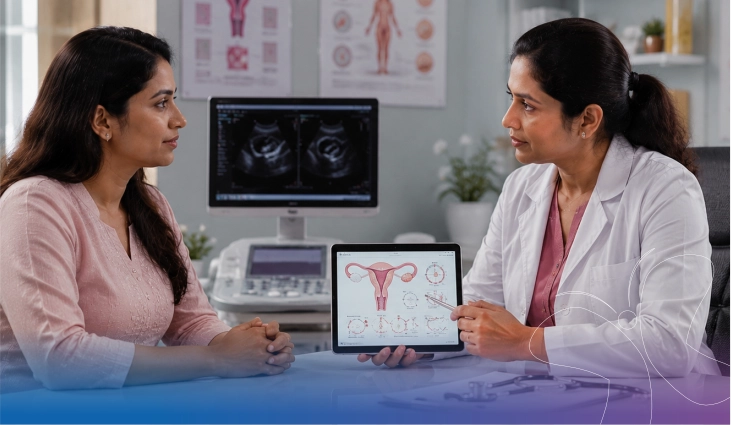
Patients who understand what is happening in their own pregnancies ask better questions, report symptoms more accurately, and flag concerns before they become emergencies. A doctor who communicates clearly is not just easier to deal with they are producing better health outcomes through better information exchange.
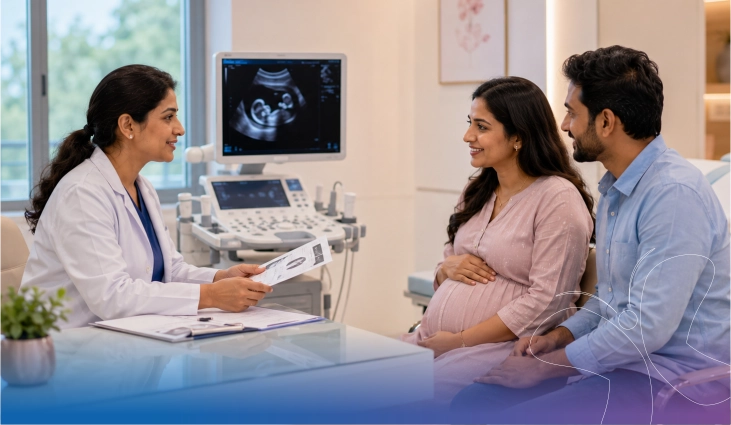
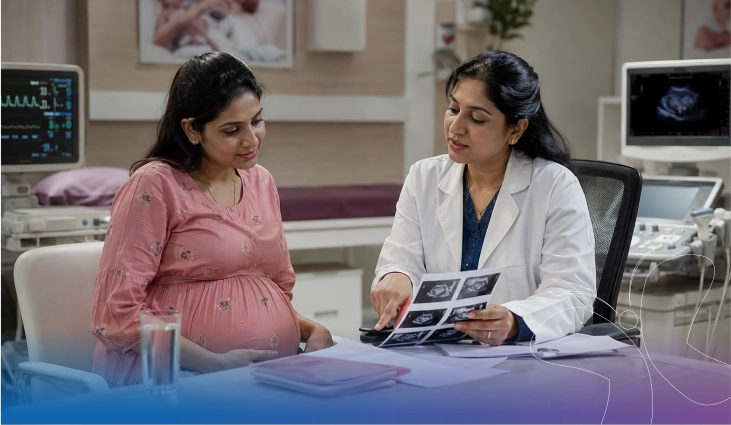
In a first consultation, notice whether the doctor listens before responding. Notice whether explanations use plain language or jargon that leaves you nodding without understanding. Notice whether your questions are welcomed or deflected.
Nine months is a long time to feel like a problem to be managed rather than a patient being cared for. If that dynamic shows up in the first appointment, it will show up throughout.
The Facility Is Part of Your Choice
When looking for the best gynecologist in Rajkot, most people focus entirely on the individual doctor. The hospital where that doctor delivers is equally important and often overlooked until it matters most.
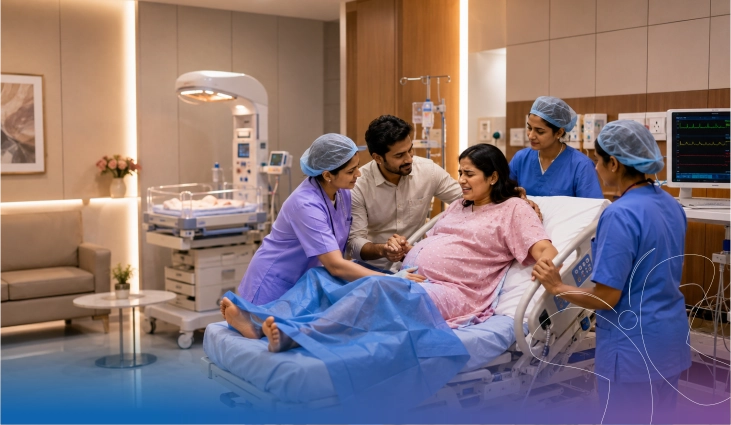
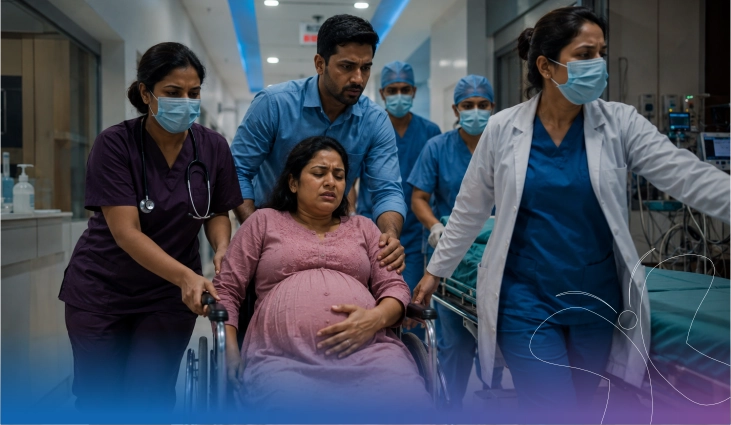
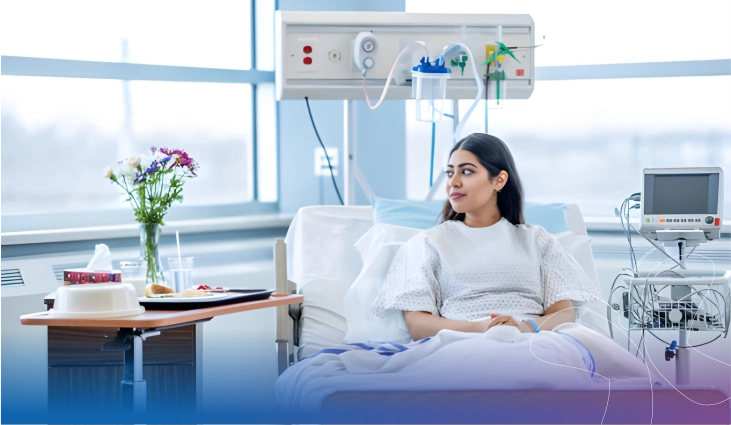
A skilled obstetrician working in a hospital without an onsite NICU, without 24 hour anaesthesiology coverage, or without the ability to perform an emergency caesarean within minutes is operating under real constraints. Those constraints can affect outcomes in situations that no one plans for.
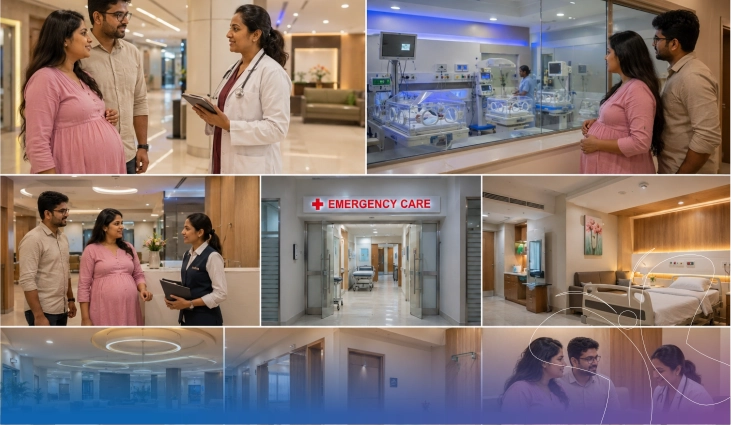
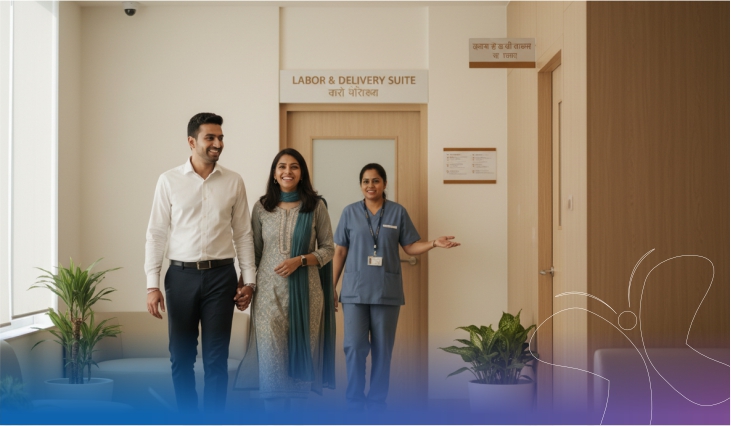
Before finalising your choice, visit the facility. Ask about their emergency obstetric protocols. Find out whether an anaesthesiologist is physically present overnight or only on call. Walk through the maternity ward. A well run facility is confident in those questions an underprepared one becomes evasive.
Accessibility Matters More Than It Sounds
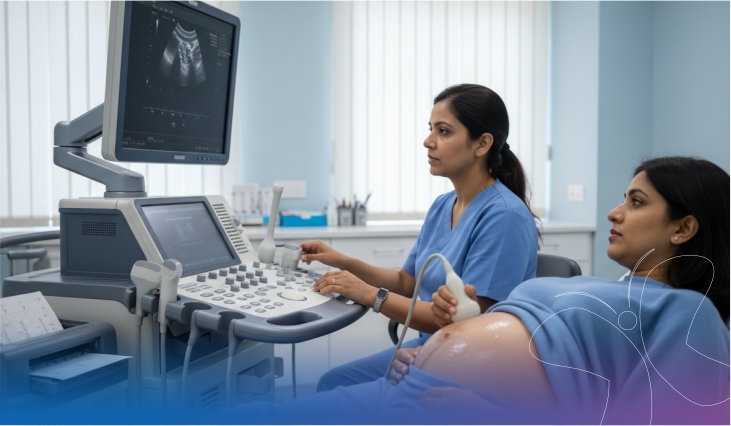
Prenatal care is not a one-time event. It involves regular appointments across all three trimesters scans, blood panels, growth monitoring, and follow-ups after any concern. Add to that the unscheduled calls when something feels off and the weekend worry that needs a voice on the other end of the phone.
A clinic that is far away, difficult to reach, or poorly organised around scheduling creates friction at every one of those touchpoints. Over nine months, that friction accumulates.
When you search for a gynaecology hospital near me, proximity is a practical consideration, not a superficial one. Combine that with an honest assessment of how the clinic manages appointments and afterhours contact. These details affect how smoothly your prenatal care actually runs.
Ask About Delivery Preferences Before You Are in Labour
Doctors have clinical tendencies even when they describe their approach as purely situational. Some move toward intervention earlier, being more comfortable recommending induction or caesarean when labour slows. Others hold back and allow more time for natural progress unless there is a pressing clinical reason to act. You should know which one describes your doctor before you are in active labour, not during it.
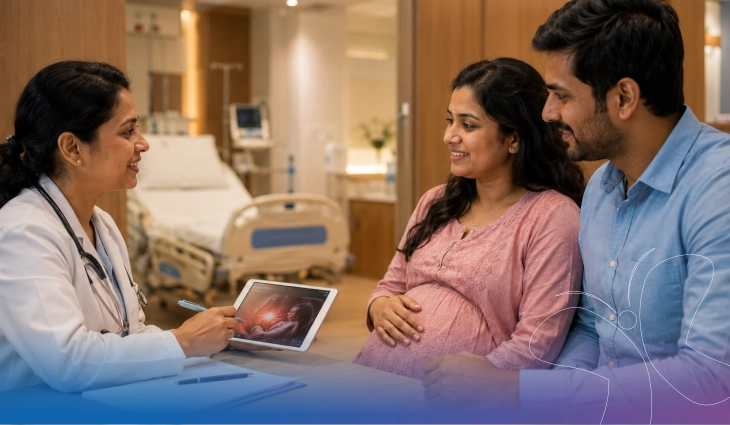
Ask plainly in a consultation: How do they approach labour that is progressing slowly? What drives their decision to recommend a caesarean? How do they handle requests for pain management?
A confident doctor answers directly. These are not hostile questions they are the right ones, and any experienced obstetrician will recognise them as such.
Do Not Skip the First Consultation
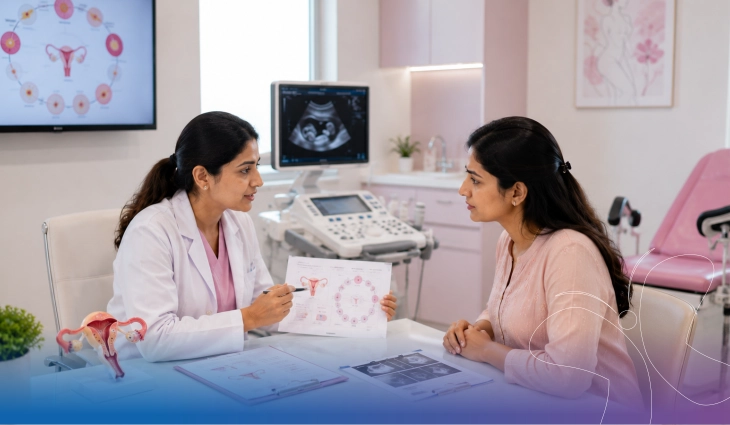
Before committing to any gynaecologist, book one appointment. Treat it as an evaluation running in both directions they are assessing your pregnancy, and you are assessing whether this is the right person to manage it.
Come with questions written down. Observe whether the doctor makes time for them. Notice how explanations land. Do you leave feeling clearer about your situation or more confused? Does the clinical environment feel organised and attentive, or chaotic and rushed?
That single visit surfaces more than any credential check or online review. The right gynecologist is not simply the most qualified name on a list. They are the person you can trust to make good calls when the moment demands it and to keep you informed enough to trust those calls. That combination is worth taking time to find.