Introduction
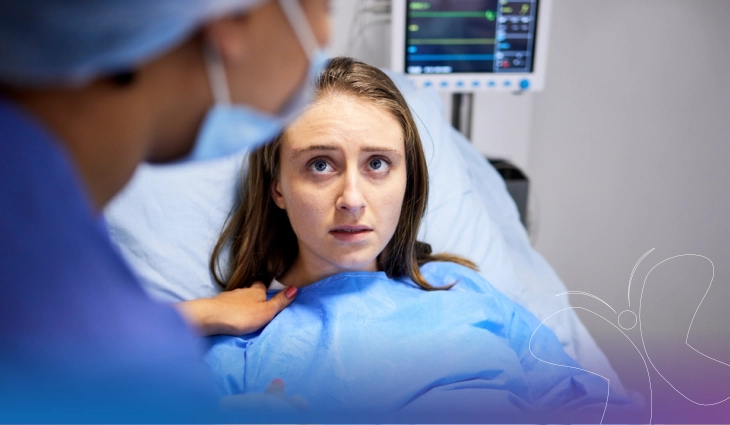
Most couples start trying with the assumption that pregnancy will happen within a few months. When it does not, the first response is usually to wait longer, try again, reduce stress, or change timing. That is reasonable for a while. But there comes a point when waiting is no longer patience and becomes delay. Knowing when to see a fertility specialist is not about giving up on natural conception it is about not losing time that matters. A fertility doctor does not jump straight to intervention. The first step is understanding what is actually happening, which is something no amount of waiting at home can tell you.
Overview of Fertility Challenges in Couples
Infertility is defined as the inability to conceive after 12 months of regular unprotected intercourse. For women over 35, that timeline shortens to six months because egg quality and ovarian reserve decline faster after that age. The one-year marker is not arbitrary it is the threshold at which an underlying cause becomes likely enough to warrant investigation.
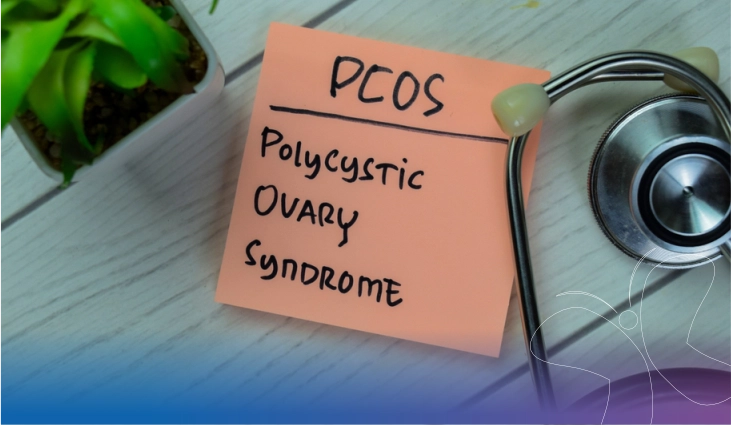
Common causes include irregular or absent ovulation, PCOS, low sperm count or poor motility, blocked fallopian tubes, endometriosis, hormonal imbalances, thyroid dysfunction, and age-related fertility decline. Lifestyle factors, obesity, smoking, and chronic stress compound most of these. Importantly, infertility affects both partners equally; male factors account for about half of all cases, which is still underappreciated. Knowing when to visit a fertility specialist means recognising that both partners need evaluation, not just the woman.
Signs That Indicate You Should Visit a Fertility Specialist
Difficulty conceiving after one year
Twelve months of regular trying without a pregnancy is the standard threshold. For couples over 35, six months. These are not rigid cutoffs they are the points at which a specialist conversation stops being premature and starts being sensible.
Irregular or absent periods
A menstrual cycle that arrives unpredictably, or not at all, usually signals an ovulation problem. Without regular ovulation, conception through natural timing becomes significantly harder to achieve. PCOS and thyroid disorders are common drivers of this pattern and respond well to early treatment.
Recurrent miscarriages
Two or more miscarriages are not bad luck they are a clinical pattern that warrants investigation. Chromosomal abnormalities, uterine structural issues, clotting disorders, and hormonal deficiencies are all identifiable causes. A miscarriage after a positive pregnancy test should not simply be absorbed and moved past without evaluation.
Male fertility concerns
Low sperm count, poor motility, abnormal morphology, previous testicular injury or infection, varicocele, or erectile dysfunction all affect conception chances in ways that are often treatable. A semen analysis is a straightforward test that clarifies male fertility assessment and should occur at the same time as female evaluation, not as an afterthought.
Existing medical conditions
Diabetes, thyroid disorders, endometriosis, pelvic inflammatory disease, and obesity all intersect with reproductive health in specific ways. Couples managing these conditions should not wait the full 12 months before consulting a specialist earlier evaluation is appropriate.
Treatment Options Available for Couples Facing Infertility
Fertility evaluation and testing
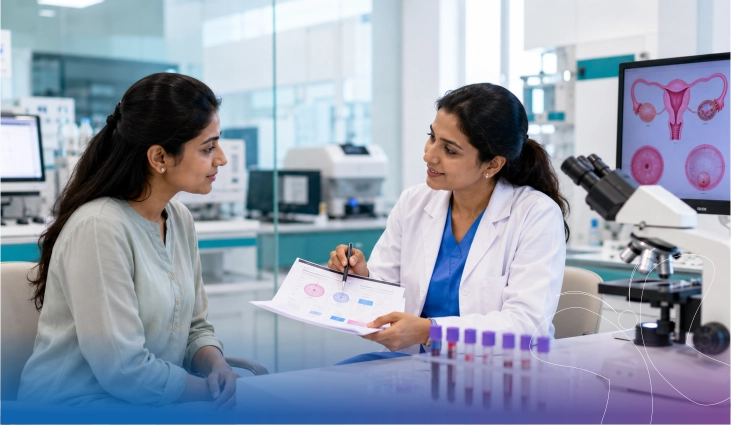
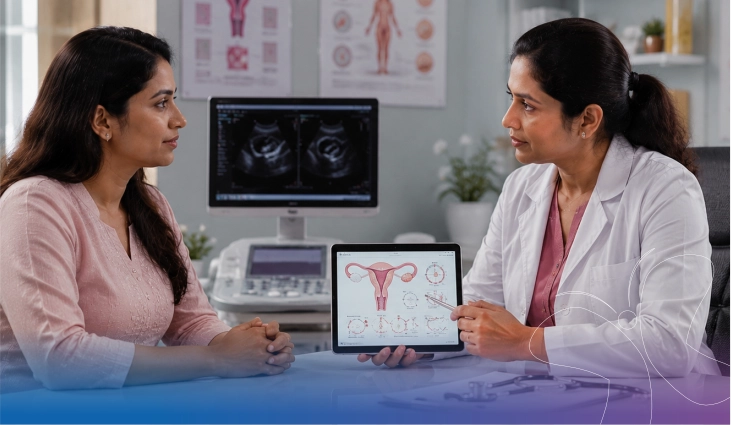
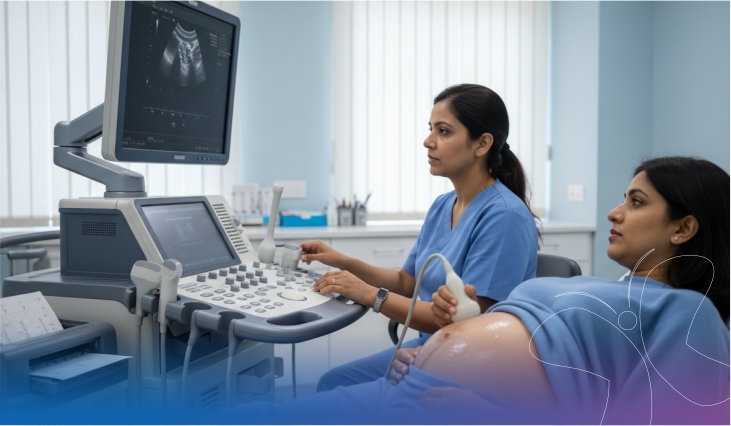
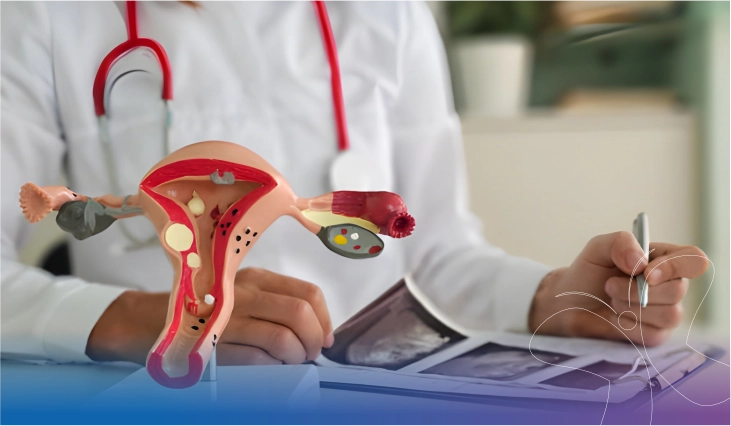
The process starts with a thorough assessment of both partners' hormonal blood tests, ultrasound scans, ovulation tracking, semen analysis, and tubal patency tests where indicated. The results determine whether the issue is ovulatory, structural, male-factor, or unexplained. A fertility doctor builds a treatment plan from this picture rather than applying a default protocol.
Ovulation induction
For women with irregular ovulation, medication can stimulate the ovaries to produce and release eggs on a more predictable schedule. This is often the first medical step for couples with ovulatory dysfunction and carries a reasonable success rate when the underlying cause is primarily hormonal.
Intrauterine insemination
IUI places prepared sperm directly into the uterus during the fertile window, reducing the distance and barriers sperm need to overcome. It is appropriate for mild male-factor infertility, unexplained infertility, and some cervical issues. It is less invasive and less expensive than IVF and is often attempted before moving to more advanced treatment.
IVF treatment
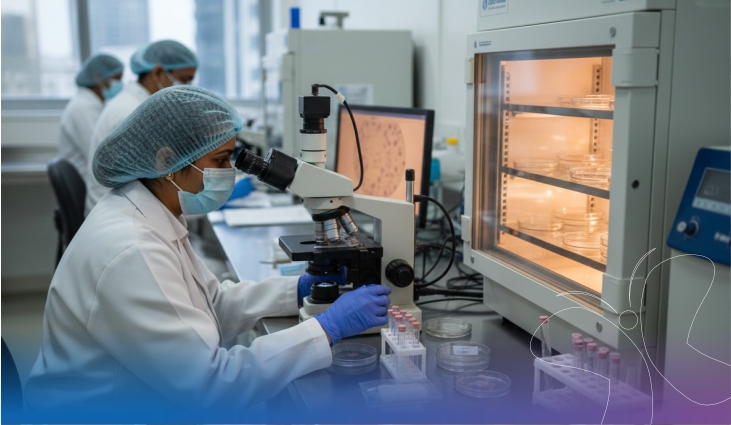
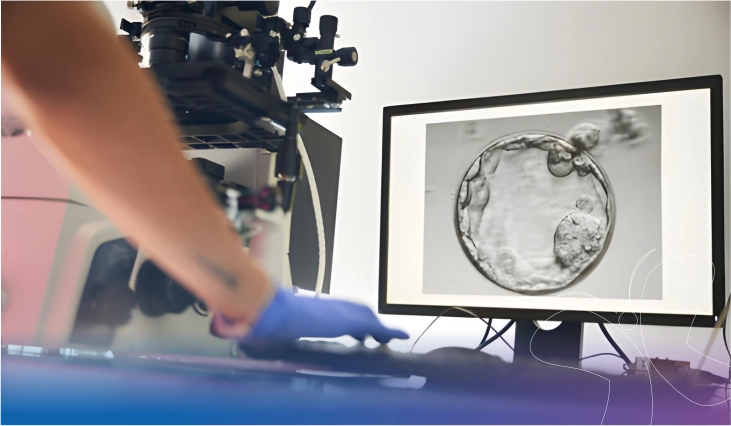
IVF is the most effective assisted reproductive technology currently available. Eggs are retrieved, fertilised in a laboratory, and the resulting embryo is transferred to the uterus. It is the recommended route for blocked tubes, significant male-factor infertility, failed IUI cycles, and older women with diminished ovarian reserve. Many couples schedule an IVF consultation in Rajkot not because IVF is definitely their path, but to understand whether it is appropriate and what the realistic success rates look like for their specific situation.
Lifestyle and nutritional guidance
Fertility treatment that ignores lifestyle is incomplete. Weight management, dietary improvements, stress reduction, and stopping smoking and alcohol all improve treatment outcomes in some cases enough to restore natural conception without further intervention.
Why Early Fertility Consultation Matters
Age is the factor that most couples underestimate. Female fertility declines gradually through the 30s and drops more sharply after 37. Every six months of unnecessary waiting at an age when egg quality is declining is six months of options narrowing. Early consultation does not commit anyone to treatment it establishes what is actually going on and what options exist. That information is useful regardless of what the couple decides to do next.
Scheduling an IVF consultation in Rajkot early also gives specialists time to plan around the couple's specific medical profile rather than working reactively. Success rates are meaningfully better when treatment is started before fertility has declined significantly rather than after.
Expert Tips to Improve Fertility Naturally
Maintaining a healthy body weight directly affects hormone regulation and ovulation both underweight and overweight states disrupt the reproductive cycle. A diet with adequate protein, healthy fats, antioxidants, and micronutrients supports egg and sperm quality in the months before treatment. Tracking ovulation using basal body temperature or predictor kits helps couples identify the actual fertile window rather than estimating it. Alcohol and smoking reduce fertility in both partners and have no safe level when actively trying to conceive. Chronic stress elevates cortisol, which suppresses reproductive hormones. Managing it actively through exercise, sleep, or structured support is not optional advice.
None of these habits replace medical evaluation when one is needed. Understanding when to see a fertility specialist means knowing that lifestyle optimisation and professional assessment work together, not instead of each other.
Conclusion
Fertility challenges are common, treatable in most cases, and best addressed early. Waiting another few months when the signs are already pointing toward a medical cause rarely changes the outcome it just delays the point at which the right infertility treatment for couples begins. If either partner has known risk factors, if the 12-month mark has passed, or if something about the pattern of trying feels clinically off, a conversation with a fertility doctor in Rajkot is the right next step. It is a diagnostic conversation, not a commitment, and that distinction makes it much easier to take.