Introduction
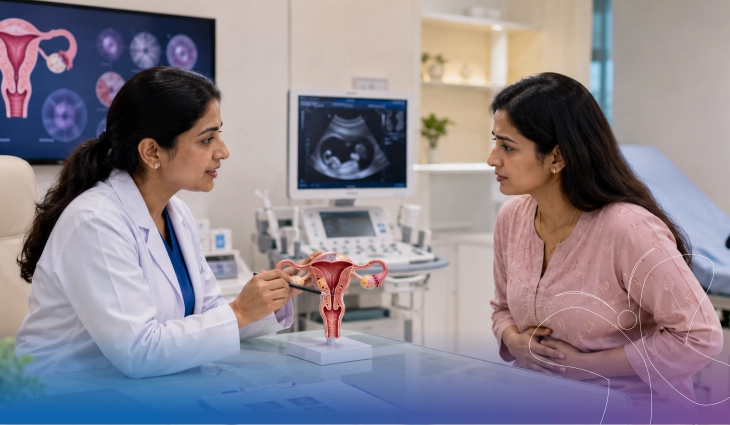
Gestational diabetes is one of those diagnoses that catches most women off guard, particularly those with no prior history of blood sugar problems. It develops during pregnancy itself, usually in the second or third trimester, and can affect women who were otherwise healthy going into the pregnancy. Recognising gestational diabetes signs early and acting on them makes a genuine difference to how the rest of the pregnancy unfolds. Most women who are diagnosed and managed properly deliver healthy babies without serious complications. The key word is 'managed', which is why having a pregnancy diabetes doctor involved early and access to a well-equipped maternity care hospital in Rajkot matters more than most women initially realise.
Overview of Gestational Diabetes During Pregnancy
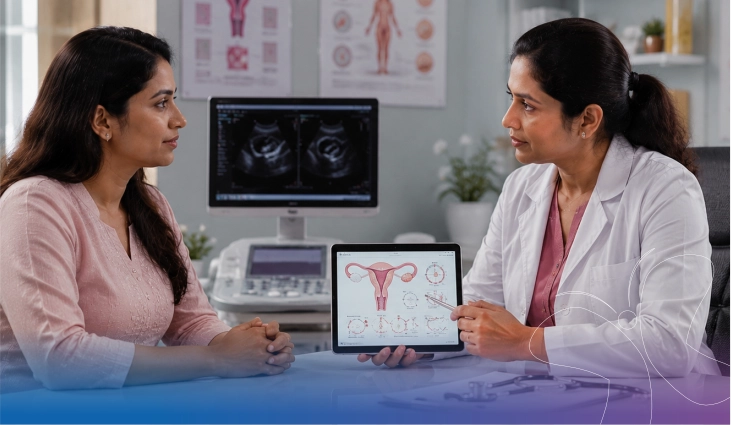
Gestational diabetes occurs when the body cannot produce enough insulin to handle the demands of pregnancy. The placenta produces hormones that are essential for fetal growth but those same hormones interfere with how insulin functions in the mother's body. When the pancreas cannot compensate for that resistance, blood glucose rises above healthy levels.
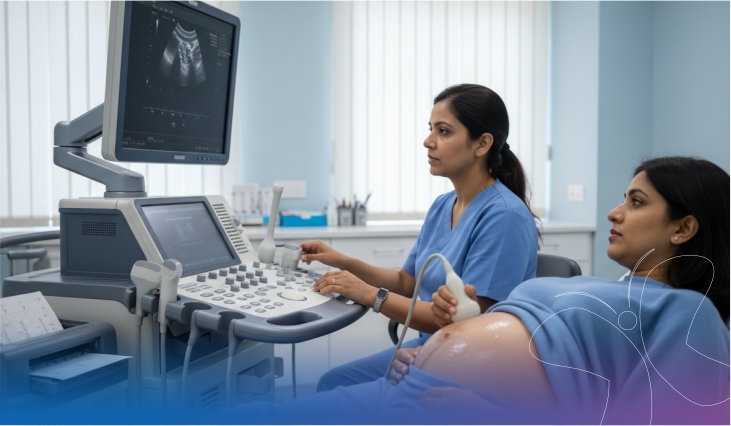
The condition typically develops between weeks 24 and 28, which is why glucose screening happens at that point in most prenatal schedules. Symptoms are not always obvious. Increased thirst, more frequent urination, persistent fatigue, blurred vision, recurring infections, and unusual hunger are among the more common gestational diabetes symptoms, but many women have none of them and are only diagnosed through routine blood testing. This is precisely why the screening test matters and should not be skipped even in low-risk pregnancies.
Women who are overweight, have a family history of diabetes, have previously been diagnosed with PCOS, are over 30, or had gestational diabetes in a prior pregnancy carry a higher baseline risk.
Causes and Risks of Gestational Diabetes
The underlying cause is insulin resistance driven by placental hormones, the same hormones that support healthy fetal development. In most pregnancies, the pancreas increases insulin output to compensate. In gestational diabetes, that compensation is insufficient.
Risks for the mother
Unmanaged gestational diabetes raises blood pressure, increases the likelihood of requiring a caesarean delivery, and significantly increases the risk of developing Type 2 diabetes within five to ten years after the pregnancy. It also creates a higher-risk environment for future pregnancies. These are not remote possibilities they are documented outcomes of poorly managed gestational diabetes.
Risks for the baby
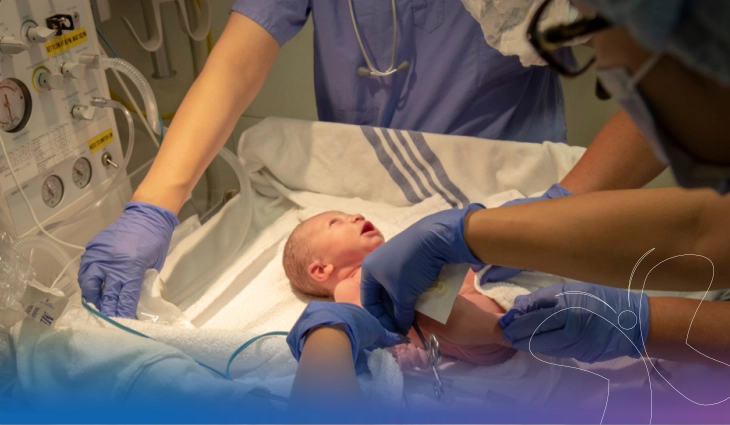
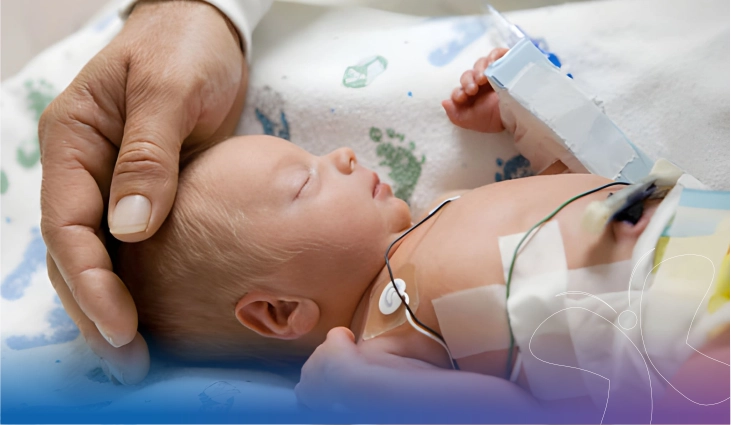
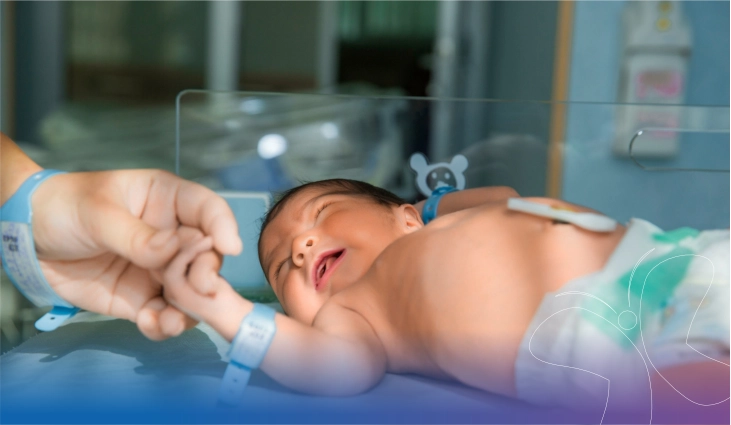
Excess blood glucose crosses the placenta and causes the baby's pancreas to overproduce insulin in response. This leads to excessive foetal growth, macrosomia, which complicates delivery and increases injury risk. After birth, the baby's blood sugar can drop sharply because the high insulin production continues without the glucose supply from the mother. Premature birth, breathing difficulties, and a higher lifetime risk of obesity and diabetes are all associated with uncontrolled gestational diabetes during pregnancy.
Diabetes Treatment During Pregnancy
The goal of diabetes during pregnancy treatment is to keep blood glucose within a range that is safe for both mother and baby throughout the remainder of the pregnancy. In most cases, dietary changes and structured physical activity achieve this without medication. In others, insulin becomes necessary.
Healthy diet planning
Diet is the most direct lever available. Foods that raise blood sugar quickly refined carbohydrates, sugary drinks, white rice in large portions, and processed snacks need to be reduced or replaced. High-fibre foods, whole grains, lean protein, and healthy fats form the foundation of a gestational diabetes diet because they slow glucose absorption and prevent spikes. Eating smaller meals more frequently rather than two or three large ones maintains more stable glucose levels across the day. A dietitian consultation through a maternity care hospital in Rajkot that handles high-risk pregnancies is worth considerably more than general dietary advice online.
Regular physical activity
Exercise improves insulin sensitivity independently of weight loss, which makes it genuinely useful even for women who are not significantly overweight. Walking after meals is one of the most practical interventions even 15 to 20 minutes reduces post-meal glucose spikes measurably. Prenatal yoga and light stretching are appropriate for most women. The specific activity plan should be confirmed with the doctor before starting.
Blood sugar monitoring
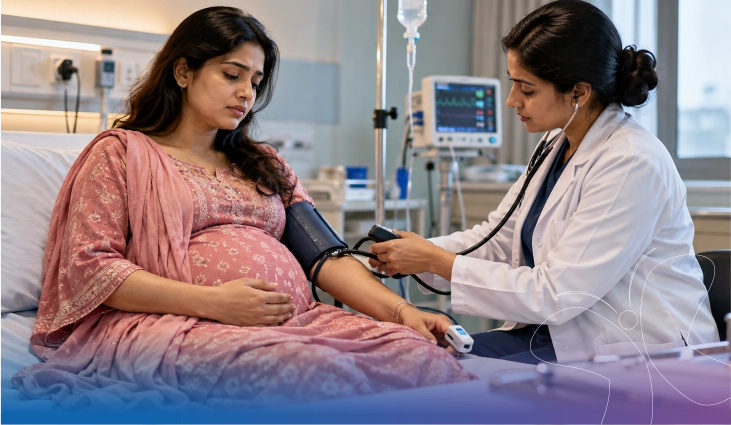
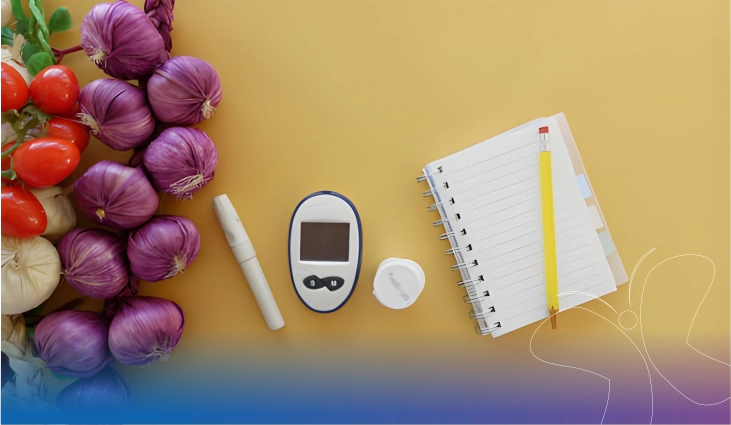
Home glucose monitoring, checking levels when fasting and after meals, gives both the patient and the doctor the data needed to assess whether the current plan is working. Without this, dietary adjustments and medication decisions are guesswork. Most women with gestational diabetes check four times daily: fasting in the morning and one to two hours after each main meal.
Medication or insulin therapy
When lifestyle changes alone do not bring glucose into the target range, insulin is added to the diabetes treatment plan during pregnancy. Insulin does not cross the placenta and is safe in pregnancy. Some oral medications are also used in specific situations. The decision to start medication is based on glucose readings over time, not a single high value, which is why consistent monitoring matters.
Importance of Selecting the Right Pregnancy Care
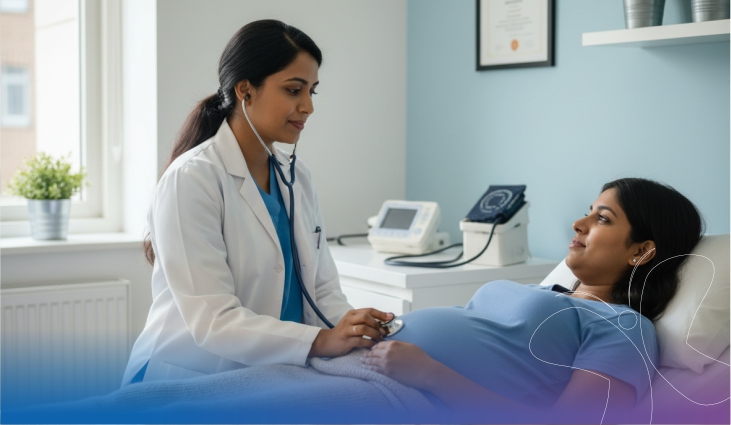
Gestational diabetes is not a disease that you can manage in between visits. It requires regular monitoring and dietary discipline, tracking of the growth of the fetus and adjustment of the treatment plan as the pregnancy progresses. A pregnancy diabetes doctor in Rajkot who has experience dealing with this condition specifically, rather than a generalist who deals with it occasionally, makes a measurable difference to outcomes. Nutritional counselling, endocrine input where required, fetal monitoring and neonatal support, all within the one facility, reduce the logistical burden on already stretched pregnant women and ensure nothing falls through the gaps.
Expert Tips to Manage Gestational Diabetes Naturally
Keep meal timing consistent skipping meals causes glucose to drop and then spike when the next meal arrives, which undermines the whole management strategy. Drink water consistently through the day; dehydration affects blood glucose concentration. Avoid refined sugar and processed food as defaults rather than occasional treats. Track weight gain excessive gain during pregnancy worsens insulin resistance. Prioritise sleep; disrupted sleep raises cortisol, which raises blood glucose. Never skip prenatal appointments during the second and third trimesters the monitoring that happens at those visits is not routine box-ticking, it is how problems get caught before they become serious. Report any new or worsening gestational diabetes symptoms between appointments rather than waiting for the next scheduled visit.
Conclusion
Gestational diabetes is manageable. That is not reassurance it is a clinical fact backed by the outcomes of women who are diagnosed, monitored, and treated properly. The condition does not have to result in complications for the mother or the baby. What it requires is early diagnosis, consistent management, and the right medical team. If screening has flagged a concern or symptoms have raised questions, the next step is straightforward consult a pregnancy diabetes doctor in Rajkot at a maternity care hospital that handles high-risk pregnancies routinely, not occasionally.