Introduction
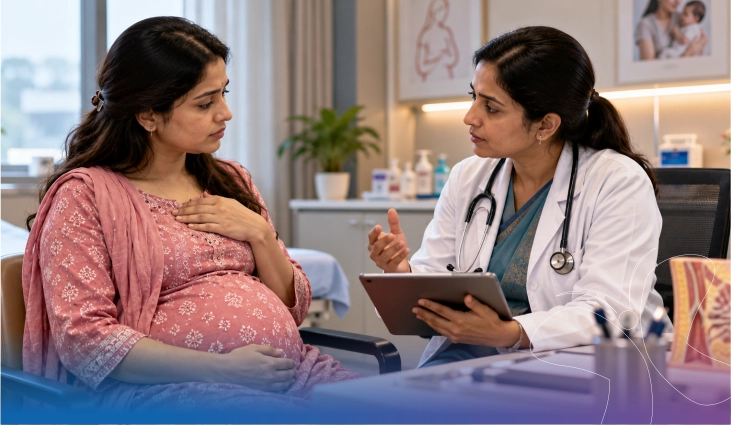
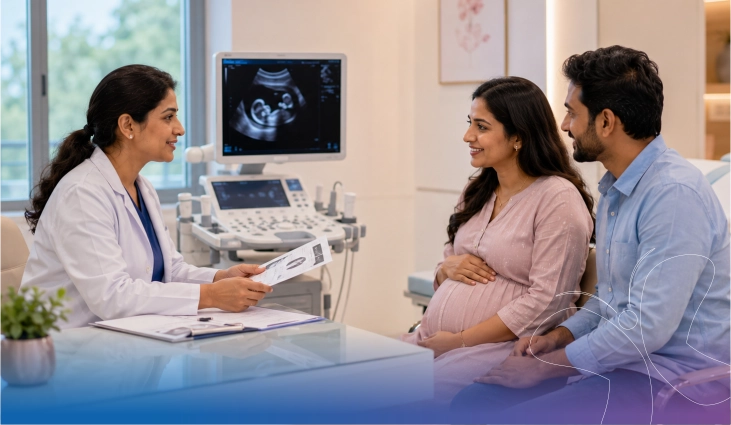
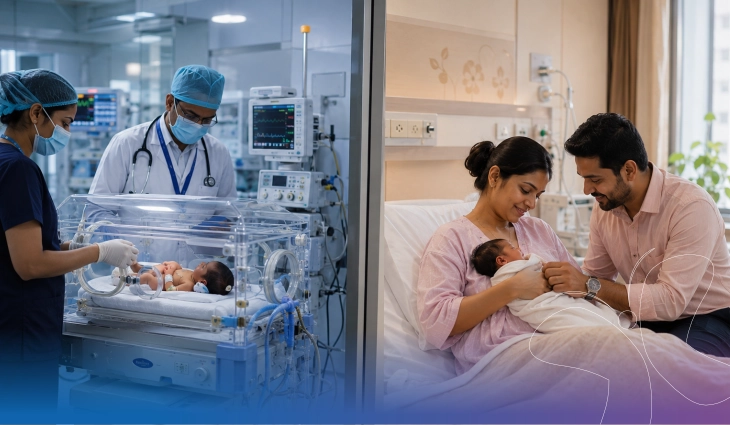
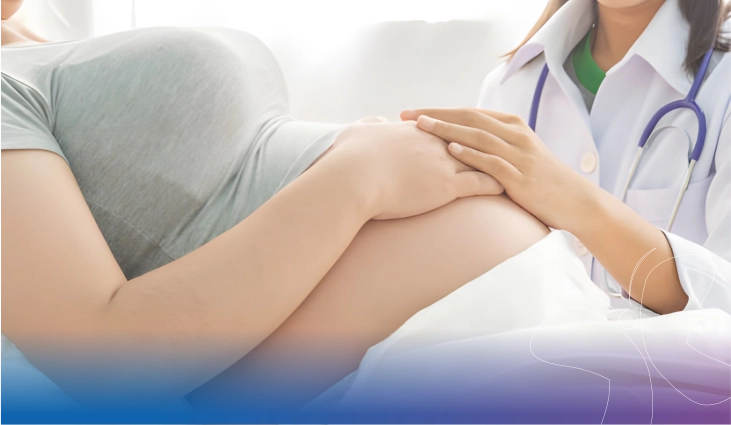
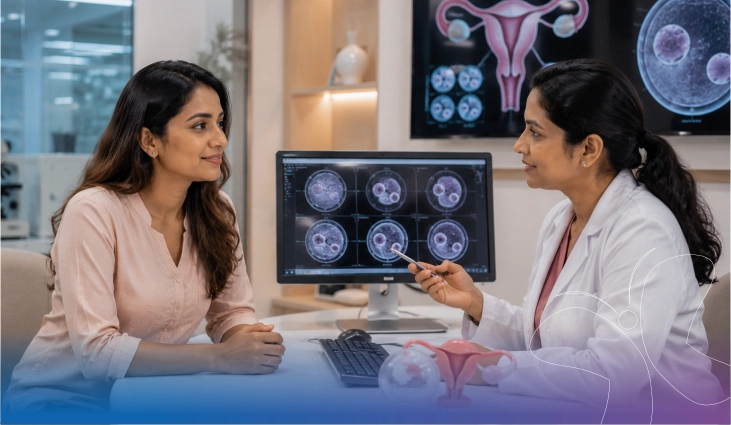
More women in India are choosing to delay pregnancy not because they do not want children, but because the timing is not right yet. Careers, education, financial stability, and relationships these are legitimate reasons to wait. The biological problem is that waiting and female fertility are working against each other. Egg quality and quantity decline steadily from the mid-30s, which means the gap between when a woman feels ready and when her body is most fertile is growing wider. Egg freezing in India addresses this gap directly it allows healthy eggs to be preserved at a younger age for use later through IVF when pregnancy is eventually wanted. For women in Rajkot considering this option, a consultation with a women's fertility clinic is the right starting point for understanding whether the timing and the process suit their situation.
Overview of Egg Freezing, India
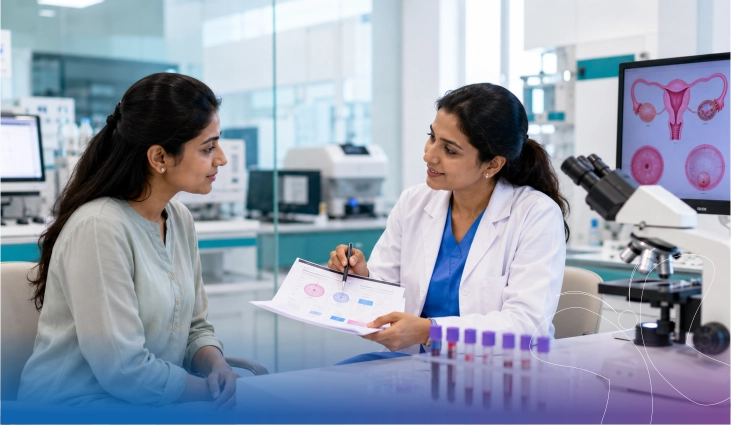
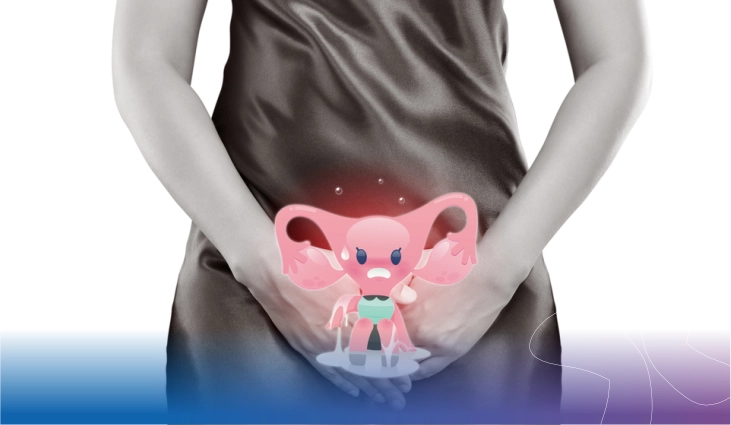
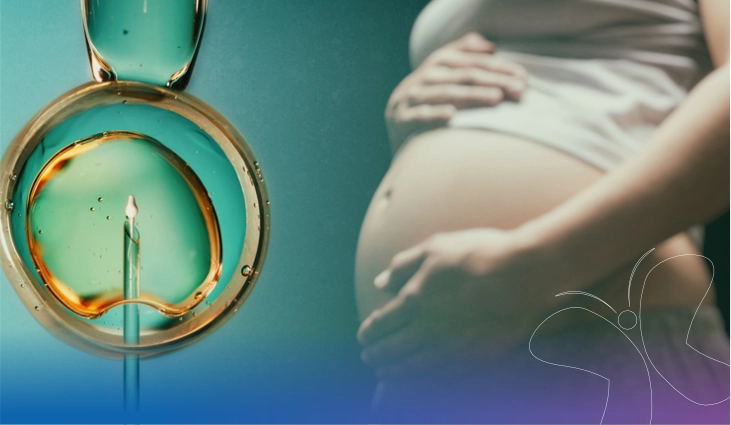
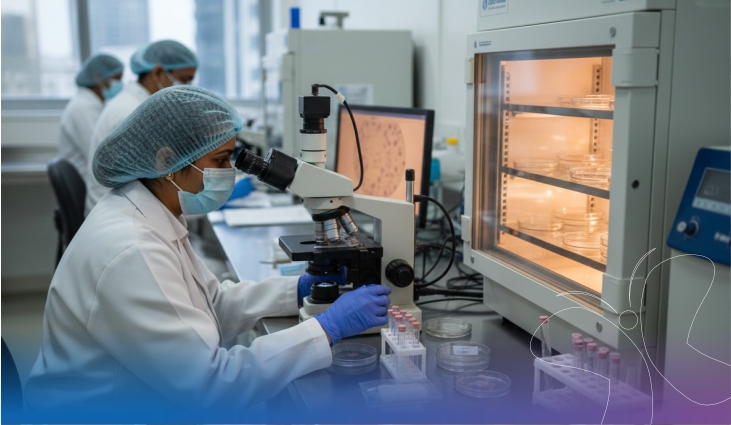
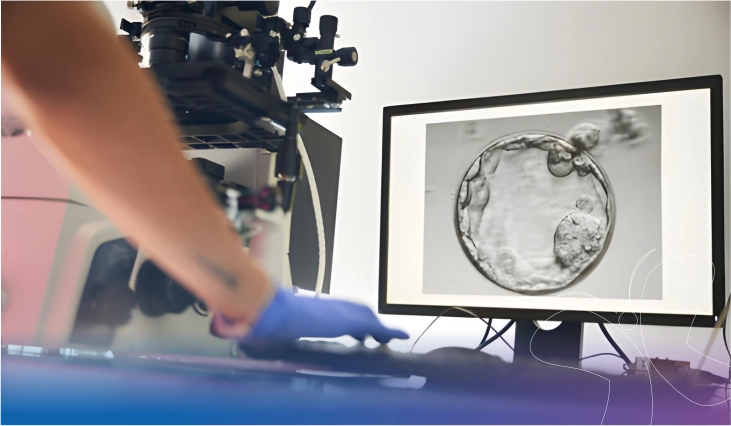
Oocyte cryopreservation, the medical term for egg freezing, involves stimulating the ovaries to produce multiple mature eggs, retrieving them in a minor procedure, and freezing them using a technique called 'vitrification'. The frozen eggs can be stored for years. When the woman is ready to conceive, the eggs are thawed, fertilised in a lab, and the resulting embryo is transferred into the uterus using a standard IVF protocol.
The procedure is increasingly common among working professionals, women with medical conditions that affect fertility, and cancer patients facing treatment that could damage their ovarian function. Modern vitrification has significantly improved how well eggs survive the freeze-thaw cycle compared to older slow-freezing methods, which is part of why egg freezing has become a more reliable option than it was a decade ago.
Benefits of Egg Freezing for Women
Preserves fertility at a younger age
The core advantage is straightforward eggs frozen at 28 or 30 retain the quality of that age regardless of when they are used. A woman who freezes eggs at 30 and uses them at 38 is working with 30-year-old eggs, not 38 year old ones. That difference is significant for fertilisation rates, embryo development, and pregnancy outcomes. This information is the clinical foundation of fertility preservation for women and the reason specialists consistently recommend not waiting too long to consider it.
Provides reproductive freedom
Egg freezing does not commit a woman to any particular timeline. It removes the biological urgency from decisions that should be personal rather than dictated by a ticking clock. Whether the reason for delaying is career, health, relationship status, or simply not being ready, the option exists to make that choice without permanently closing the door on genetic parenthood.
Helpful before medical treatments
For women diagnosed with cancer or other conditions requiring chemotherapy, radiation, or surgery affecting the ovaries, egg freezing before treatment begins preserves the option of future pregnancy. Oncofertility and fertility preservation for cancer patients is now a recognised part of treatment planning at specialist centres. A women's fertility clinic experienced in this area can coordinate the egg retrieval cycle to fit within the treatment timeline without unnecessary delay to cancer care.
Reduces future fertility anxiety
Many women who freeze eggs report a reduction in background anxiety about age and fertility not because the procedure guarantees pregnancy but because they have taken a concrete step rather than waiting passively. That said, it is important to go in with realistic expectations: egg freezing improves the odds of future conception, it does not make them certain.
Process of Egg Freezing
Step 1: Fertility evaluation
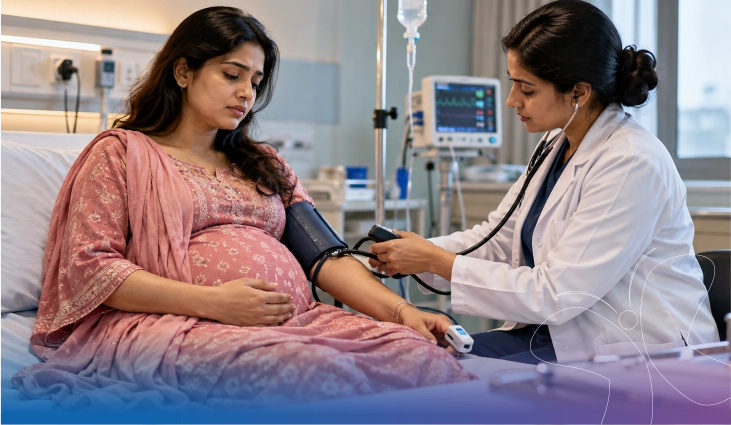
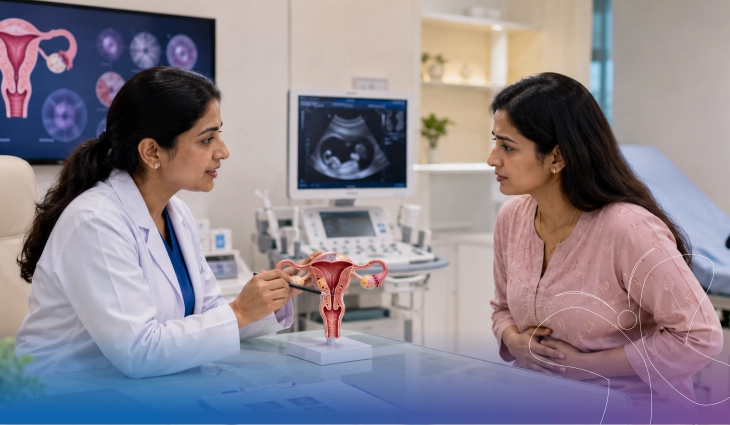
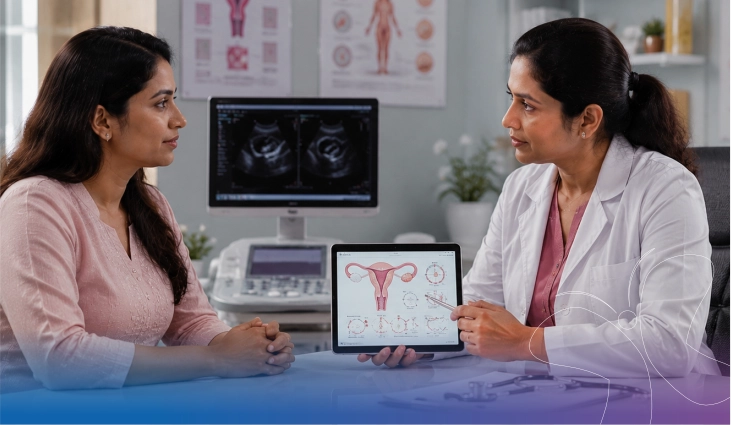
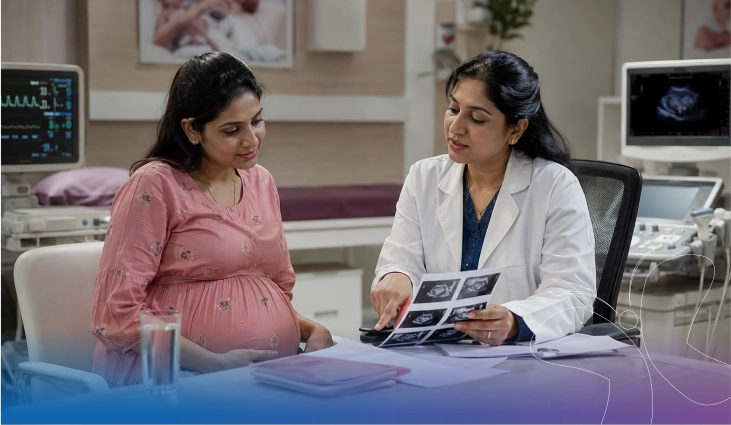
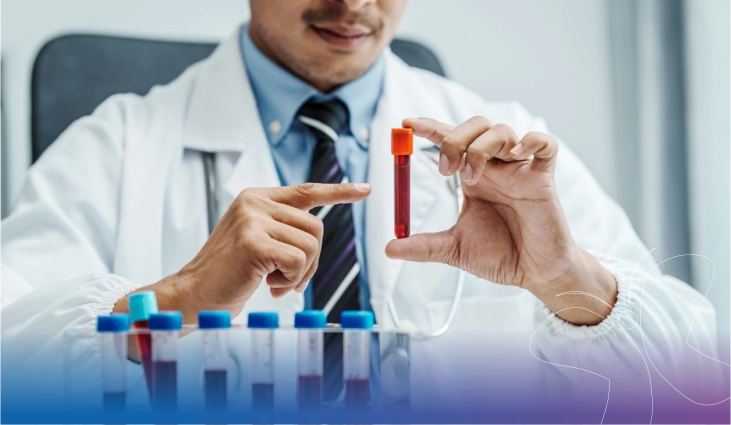
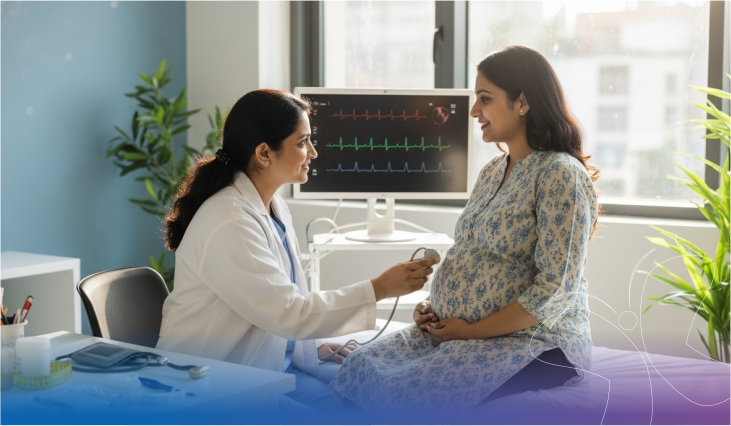
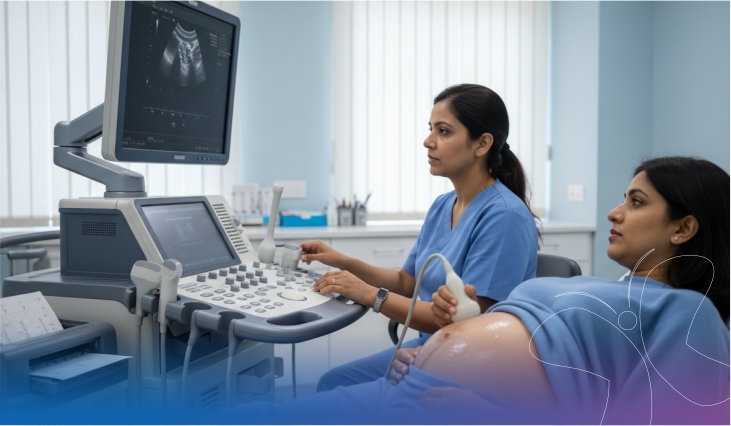
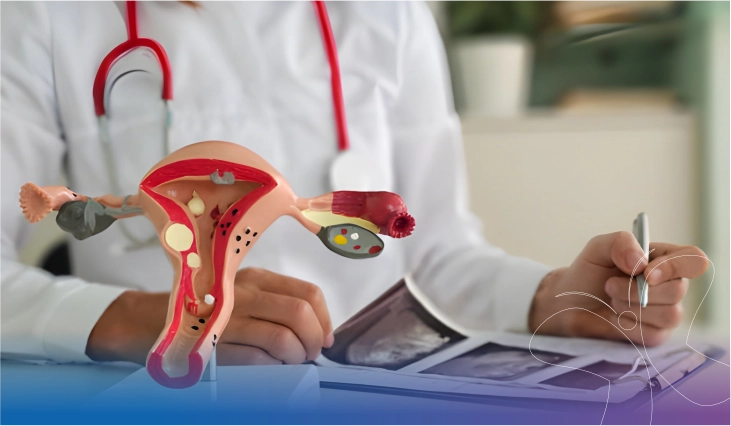
The process begins with blood tests to assess hormone levels. AMH, in particular, reflects ovarian reserve alongside an ultrasound to count antral follicles. This tells us how the ovaries will likely respond to stimulation and whether egg freezing is a suitable option at this time.
Step 2: Stimulation of the ovaries
Hormonal injections over 10 to 12 days stimulate the ovaries to develop multiple follicles at the same time, rather than the single egg that would be released in a natural cycle. During this time ultrasound monitoring is done to follow the follicles development and to help determine when to give the trigger injection to mature the eggs for egg retrieval.
Step 3: Egg Harvesting
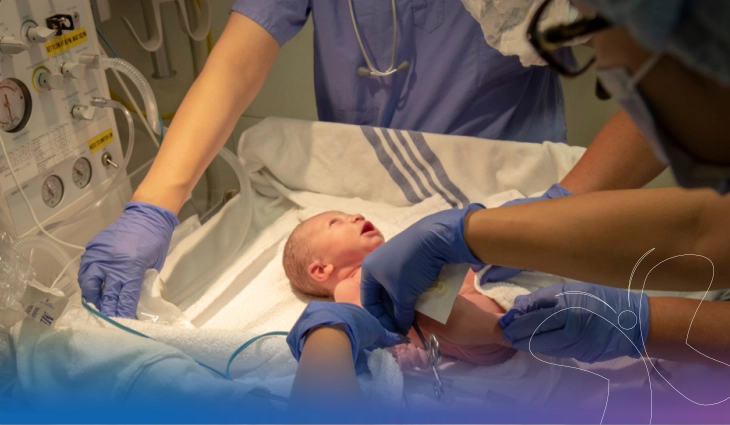
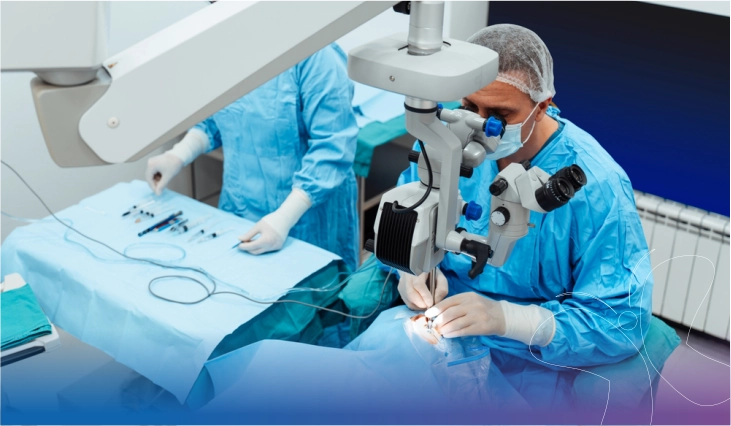
An egg retrieval is a simple day procedure under light sedation. Eggs are aspirated from follicles by an ultrasound-guided fine needle. The procedure takes 20 to 30 minutes, is minimally uncomfortable, and most women are back to normal activity within a day or two.
Step 4: Freeze & store
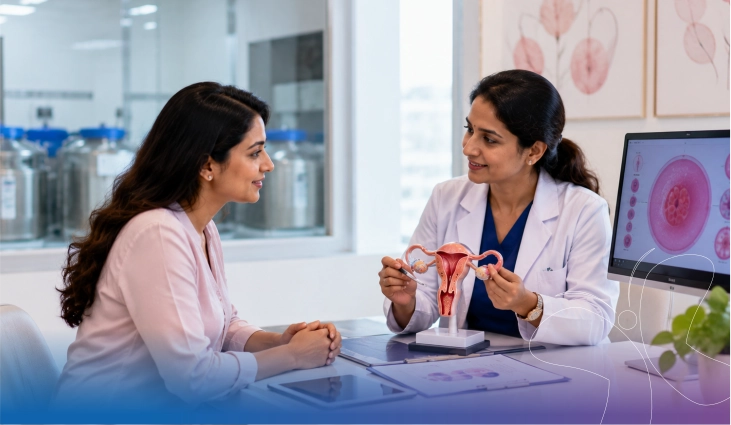
The mature eggs are flash frozen at very low temperatures. This process is called 'vitrification', and it prevents the formation of ice crystals that damaged eggs using older methods. They are kept in special cryogenic tanks and can survive for many years. The whole process from first injection to egg collection takes about two to three weeks.
What Is the Right Age for Egg Freezing?
Age is the most important variable in egg freezing outcomes. The ideal window is between 25 and 35, with results remaining reasonable up to around 38. After 38, egg quantity and quality both decline faster, and each retrieval cycle tends to yield fewer mature eggs suitable for freezing. Chromosomal abnormality rates in eggs also increase with age, which affects embryo quality and implantation success later.
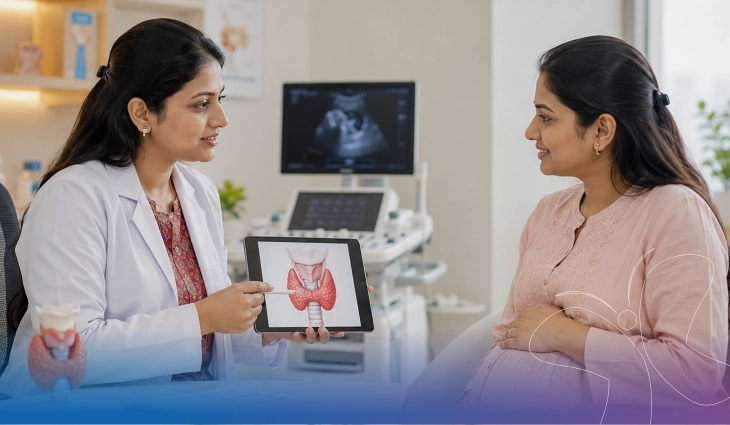
Women who know they want to preserve their fertility but are unsure about timing should consult a specialist rather than waiting until they feel certain. A women's fertility clinic in Rajkot can assess current ovarian reserve and give a realistic picture of what a cycle is likely to achieve, which is far more useful than a general age guideline applied without individual context.
Egg Freezing Cost in Rajkot
Costs vary between clinics based on the experience of the team, laboratory infrastructure, medication protocols, and storage arrangements. When evaluating options, the relevant questions are what is included in a quoted package, whether medications are covered or billed separately, what the annual storage charge looks like over time, and what the clinic's actual thaw and fertilisation success rates are. These are better indicators of value than a headline figure. Speaking directly with a women's fertility clinic in Rajkot about their specific pricing structure gives a more accurate picture than averages. A clinic with a lower cost but weaker outcomes is not a saving it is a different kind of expense.
Why Choose a Professional Fertility Clinic
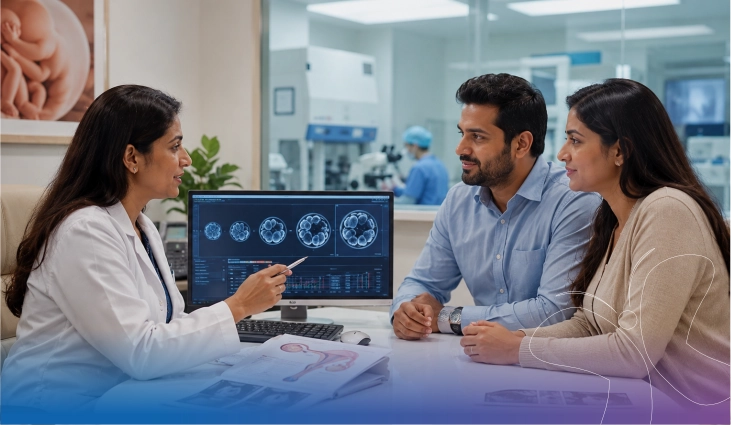
The quality of the laboratory, its freezing technology, embryologist expertise, and quality control processes directly determine how well eggs survive the freeze and thaw cycle. A reputed women's fertility clinic in Rajkot combines advanced vitrification with thorough monitoring during stimulation, transparent communication about realistic outcomes, and support through the emotional complexity that often accompanies fertility decisions. Choosing based on proximity or headline price alone misses what actually affects results.
Expert Tips Before Egg Freezing
Egg quality is influenced by overall health in the months before retrieval. A diet with adequate protein, antioxidants, and healthy fats, combined with consistent sleep and moderate exercise, supports the ovarian environment. Smoking reduces ovarian reserve measurably, stopping well before a cycle. It is not optional advice. Alcohol should be minimised. Consult early rather than when fertility has already declined noticeably; earlier consultation means more eggs retrieved per cycle and better storage numbers. Go into the process with clear questions about storage duration, thaw survival rates at that specific clinic, and what the IVF process will look like when the time comes to use the eggs. Understanding fertility preservation for women fully before committing makes the decision a more grounded one.
Conclusion
Egg freezing is not a guaranteed path to pregnancy it is a tool that improves the odds of future conception when the timing of motherhood does not align with peak fertility. For women in India who want that option, the technology is available, the outcomes are improving, and the process is more accessible than it has been. Consulting a specialist to understand the realistic picture for your specific age and ovarian reserve is the most useful first step. A women's fertility clinic in Rajkot can assess where things currently stand, explain what egg freezing would involve practically, and give an honest answer about whether now is the right time to proceed.