Introduction
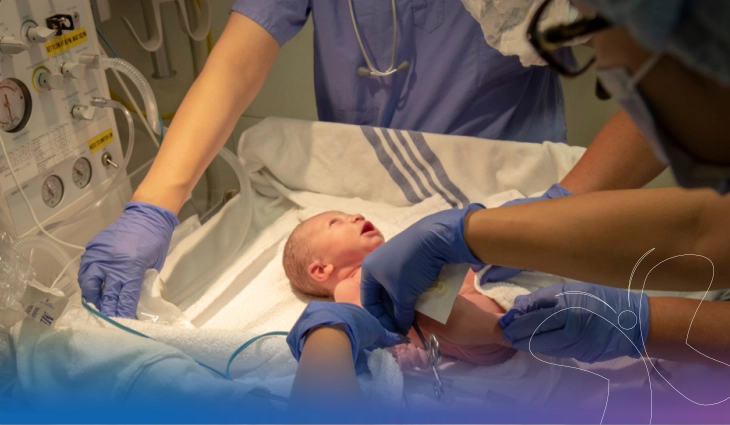
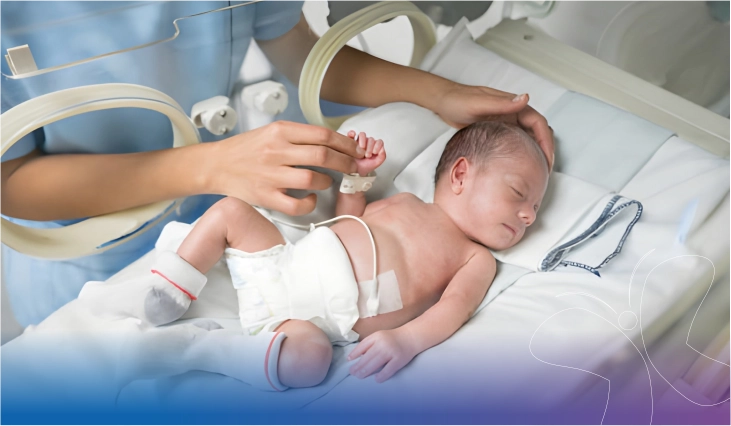
The first few days after bringing a newborn home are unlike anything most parents have experienced before. Every cry raises a question, every small change prompts a worry, and the sheer amount of information available makes things harder rather than easier. The good news is that newborn care is learnable it gets more instinctive with time and the right grounding. Following practical newborn baby care tips around feeding, sleep, hygiene, and handling builds the kind of daily routine that reduces guesswork. For anything that feels medically uncertain, a paediatric hospital with experienced staff takes the pressure off parents who are not sure whether something is normal or worth checking.
Overview of Newborn Baby Care
The first three months of life are the period of fastest growth outside the womb. The brain, immune system, and digestive system are all still maturing. Understanding how to care for a newborn baby during this window means covering feeding consistently, keeping the environment clean and safe, maintaining a predictable sleep setup, and attending regular health reviews to catch anything that is not developing as expected.
Babies cannot tell parents what is wrong they communicate through crying, feeding behaviour, sleep patterns, and physical signs. Reading those cues accurately takes a few weeks of observation. Consulting a newborn specialist doctor at the first sign of something that does not resolve is always preferable to waiting it out at home.
Benefits of Proper Newborn Care
Supports healthy growth
Consistent feeding, whether breast milk or formula, gives the baby the calories and nutrients needed for weight gain, brain development, and immune function. Breastmilk specifically delivers antibodies that a newborn's immune system cannot yet produce independently, which offers meaningful protection against infections in the early weeks.
Improves sleep quality
Newborns sleep between 14 and 17 hours a day, but rarely in long stretches. A safe, quiet, and temperature-controlled sleep environment supports better rest for the baby and, by extension, the parents.
Reduces infection risk
Newborn immune systems are immature. Washing hands before handling the baby, keeping feeding equipment properly sterilised, and changing nappies promptly all reduce bacterial and viral exposure during the most vulnerable period.
Strengthens parent-baby bonding
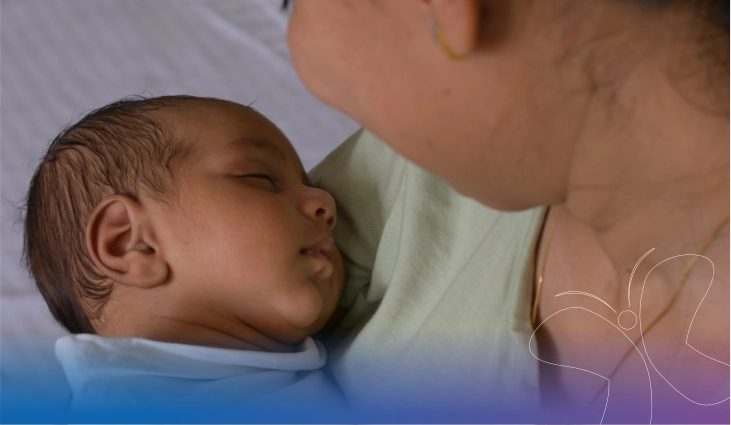
Skin-to-skin contact in the early weeks regulates the baby's temperature, heart rate, and cortisol levels and supports the emotional attachment that underpins neurological development. It is not a soft extra. It is a core part of newborn care.
Early detection of health issues
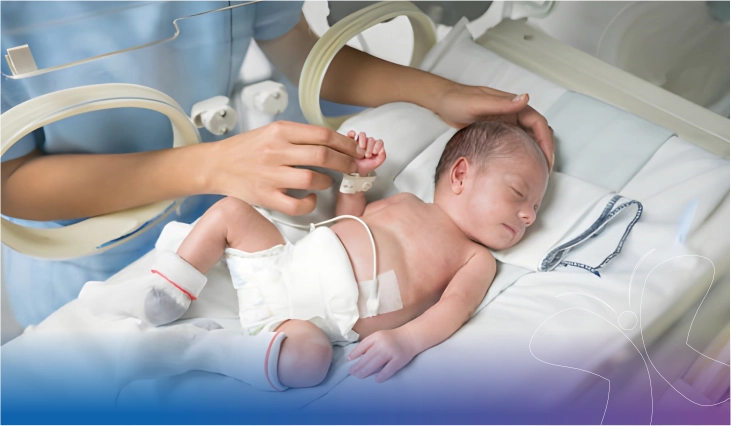
Regular check-ups at a paediatric hospital track weight gain, feeding progress, developmental milestones, and physical health. Conditions like jaundice, tongue-tie, or slow weight gain are picked up and managed early rather than becoming larger problems later.
Essential Newborn Care Tips for First-Time Parents
Feeding your baby correctly
Newborns feed every two to three hours roughly eight to twelve times in 24 hours. Hunger cues appear before crying: rooting, sucking motions, and hand-to-mouth movements. Responding to these early cues makes feeds calmer. Proper latch during breastfeeding prevents nipple soreness and ensures the baby gets enough milk. Burping after each feed reduces gas discomfort. Wet nappies at least six per day from around day four are the most reliable indicator that the baby is getting enough fluid. If feeding is consistently difficult, a newborn specialist doctor in Rajkot can assess latch, supply, or formula preparation rather than leaving parents guessing.
Maintain proper hygiene
Newborn skin is thinner and more permeable than adult skin. Products, friction, and moisture all affect it differently. Until the umbilical cord stump falls off, sponge baths are safer than full immersion. Keep the cord area dry and clean; avoid covering it with the nappy waistband. Use fragrance-free, pH-neutral products. Clean skin folds in the neck, groin, and behind the ears carefully at each nappy change. Change nappies promptly regardless of whether the baby seems bothered, since prolonged moisture causes nappy rash quickly in newborns.
Safe sleeping practices
Always place a baby on their back to sleep this is the single most evidence-backed recommendation for reducing sudden infant death. Use a firm, flat mattress without pillows, bumpers, or soft toys. Keep the room temperature comfortable rather than warm. Swaddling helps many newborns feel secure but should be done correctly, not too tightly, and stopped once the baby shows signs of rolling. Bed-sharing significantly increases risk and is not recommended regardless of how tired parents are.
Handle your baby gently
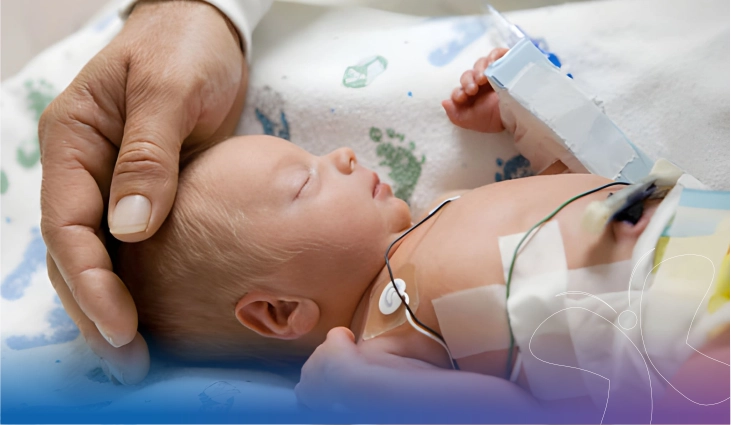
Newborn neck muscles cannot yet support the head independently. Always support the head and neck when lifting, carrying, or putting the baby down. Avoid sudden movements. Shaking even in frustration during prolonged crying causes serious neurological damage. If crying becomes unmanageable, put the baby down safely and take a few minutes before returning. Sustained inconsolable crying beyond the first few weeks warrants a medical review.
Medical Care and Professional Support
Vaccination and health check-ups
The newborn vaccination schedule begins at birth and continues through the first year. These are not optional they protect against conditions that can be fatal or permanently disabling in unimmunised infants. Routine check-ups at a paediatric hospital in Rajkot monitor weight gain, feeding, developmental milestones, and physical health at scheduled intervals. Missing check-ups means missing the opportunity to catch problems early.
When to visit a doctor
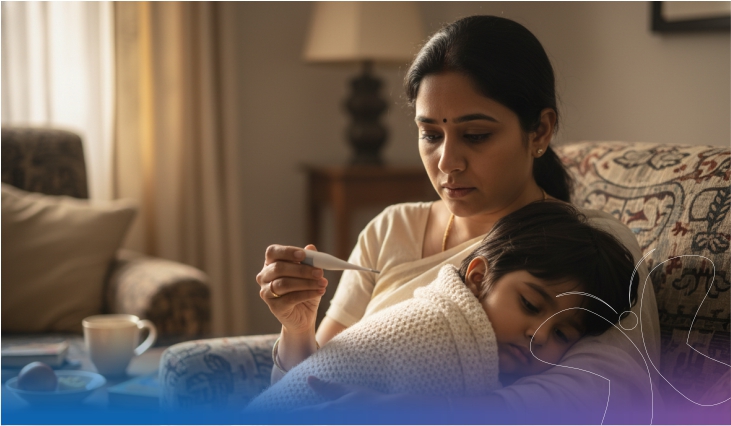
Fever in a newborn under three months any reading above 38°C is always a same-day medical concern, not something to monitor at home. Breathing difficulties, poor feeding lasting more than one session, persistent yellow skin or eyes, excessive sleepiness where the baby cannot be roused for feeds, continuous high-pitched crying, vomiting beyond typical posseting, or diarrhoea all warrant prompt review with a newborn specialist doctor in Rajkot rather than a search online.
Why Choosing Expert Paediatric Care Matters
Access to experienced paediatric care is not a backup option it is part of responsible newborn care from the start. A well-equipped facility provides weight and development monitoring at each visit, vaccination administration, management of common newborn conditions like jaundice or colic, and a consistent point of contact when parents have concerns. The difference between a hospital with dedicated newborn expertise and a general clinic is most apparent when something does go wrong and a fast, informed response is needed.
Expert Advice for First-Time Parents
Strict feeding and sleep schedules rarely work in the first few weeks newborns have not read the books. Follow the baby's cues and build a loose rhythm rather than forcing a timetable. Parent health matters too exhausted parents make more errors and respond less calmly. Accept help, sleep when the baby sleeps, and eat properly. Avoid comparing your baby's development to others the range of normal is wide, and growth happens differently for every child. Ask questions at every paediatric appointment. No question about a newborn's health is too minor to raise with a newborn specialist doctor.
Conclusion
The newborn phase is demanding, but most of what it demands is consistency rather than perfection. Feeding reliably, keeping the environment clean and safe, sleeping safely, handling gently, and attending scheduled medical reviews cover the vast majority of what newborn care involves. Following the right newborn baby care advice and understanding how to care for a newborn baby build confidence faster than any amount of anxious searching. When something does not feel right, a visit to a paediatric hospital with experienced staff is the right place to take that concern, not because something is necessarily wrong, but because knowing for certain is always better than worrying quietly.