Introduction
Few lab reports cause as much worry as a low AMH result. A single number on a page can make a woman feel that her chance of becoming a mother is slipping away. The reality is more nuanced, and far more hopeful, than that number suggests. Understanding what AMH measures, what it does not, and which low AMH treatment options exist helps you plan the right next step rather than fear the worst.
What AMH Actually Tells You
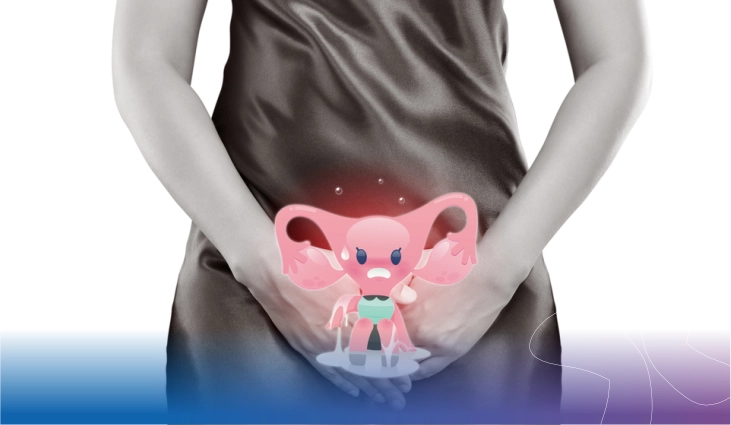
Anti-Mullerian Hormone is made by the small follicles in the ovaries, so a blood test for it gives an estimate of your ovarian reserve, meaning roughly how many eggs remain. It is a measure of quantity, not quality. A woman with a low level can still have good-quality eggs, and a woman with a high level can still struggle to conceive if the eggs are affected by age or other factors.
Laboratories use different ranges, but a level below about one nanogram per millilitre is commonly considered low, and a level below 0.5 is usually called very low. AMH tends to fall with age, but it can also be reduced by endometriosis, previous ovarian surgery, chemotherapy, smoking and in some families, early ovarian ageing. AMH does not change much from day to day, so it can be tested on any day of the cycle.
Chances of Pregnancy With Low AMH Levels
Many women ask about the chances of pregnancy with low AMH levels, and the honest answer is that it depends mostly on age. Egg quality is closely tied to age, so a thirty-year-old with a low AMH usually has a better outlook than a forty-year-old with the same number. AMH predicts how the ovaries will respond to stimulation, but by itself it is a poor predictor of whether you will conceive naturally.
Studies of women trying to conceive without treatment have found that those with low AMH, and no other fertility problem, conceived at rates that were not dramatically different from women with normal levels over the course of a year. What low AMH does mean is that the reproductive window may be shorter, which is why timing matters more than panic.
Other Tests Doctors Use
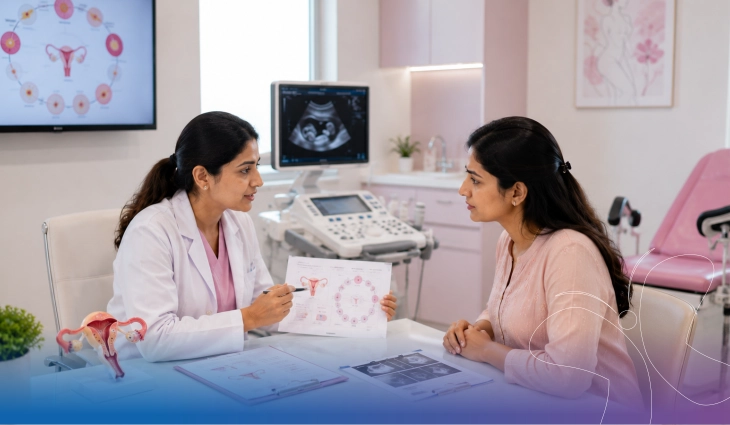
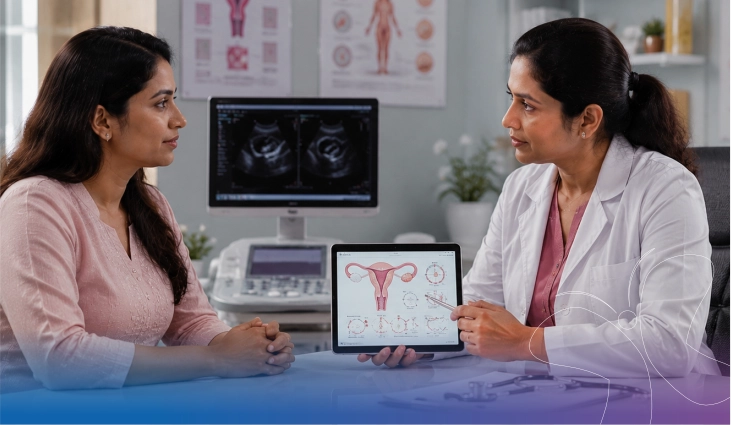
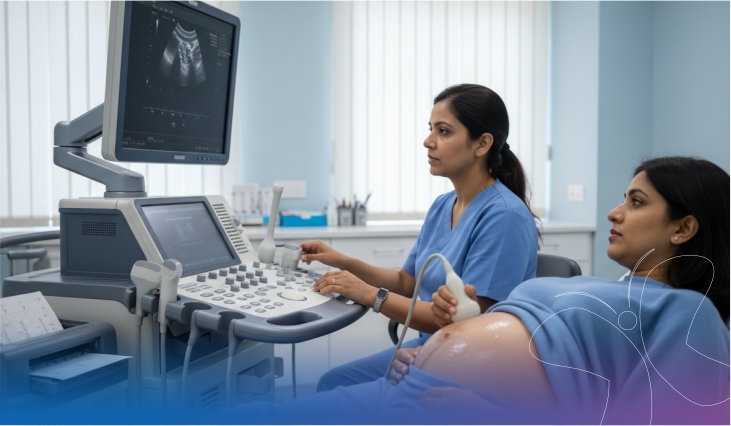
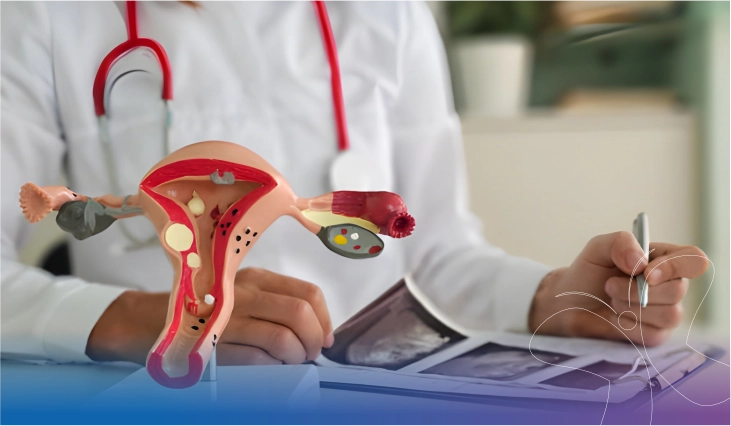
Because AMH is one piece of the picture, a fertility specialist usually combines it with an antral follicle count on a transvaginal ultrasound, a day-two or day-three FSH and oestradiol, your age, cycle history and your partner's semen analysis. Tubes and uterus are also assessed. This gives a realistic view of both your ovarian reserve and the cause of delay, if any.
Conceiving Naturally or Through IVF
This is the question at the heart of every consultation, whether a woman with low AMH can conceive naturally or through IVF. Yes, many do. If you are over thirty-five, or if there is no pregnancy after about six months of trying, seeing a specialist early is wise. The main low AMH treatment options step up in intensity:
-
Natural conception with cycle tracking: reasonable for a woman under thirty-five with regular cycles, open tubes and a healthy partner
-
Ovulation induction: tablets or injections combined with timed intercourse, for women who still ovulate
-
Intrauterine insemination (IUI): helpful when the tubes are open and the semen report is normal
-
IVF: often recommended when AMH is very low, the woman is older, or tubal or male factor infertility is present; protocols are individualised, such as antagonist cycles, milder or higher stimulation, or collecting eggs across more than one cycle, with the aim of retrieving the best-quality eggs rather than the greatest number
-
Egg freezing: an option for women who want to delay pregnancy
-
Donor eggs: an option when the reserve is extremely low
Lifestyle and Supplements
Stopping smoking is the single most effective change, because smoking brings ovarian ageing forward. Maintaining a healthy weight, regular exercise, enough sleep and a balanced diet support overall fertility. Supplements such as vitamin D, folic acid and CoQ10 are often discussed, but evidence that they raise AMH or improve pregnancy rates is limited, so please take them under your doctor's guidance and not on social media advice. No food or supplement can restore a low AMH to normal.
Emotional Support Matters
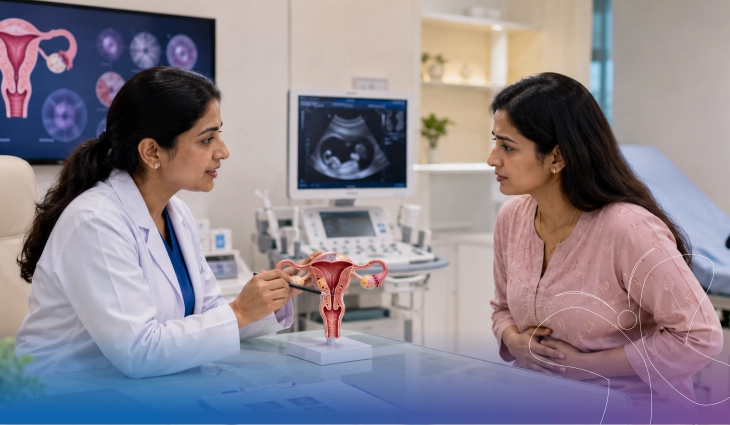
Fertility worries are heavy. If you are feeling anxious, isolated or guilty, speak with your doctor and your partner, and consider counselling. A low AMH is a medical finding and not a reflection of anything you did or did not do.
Conclusion
A low AMH changes the plan, not the possibility. With early assessment, honest counselling and the right treatment at the right time, many women with low ovarian reserve go on to have healthy babies. Flowrence Hospital, Rajkot, provides fertility evaluation and personalised treatment planning. If you are searching for the best IVF doctor for low AMH in Rajkot, begin with a consultation where your age, reports and goals are reviewed together. Visit Flowrence Hospital to book your visit.