Why Endometriosis Often Goes Undiagnosed
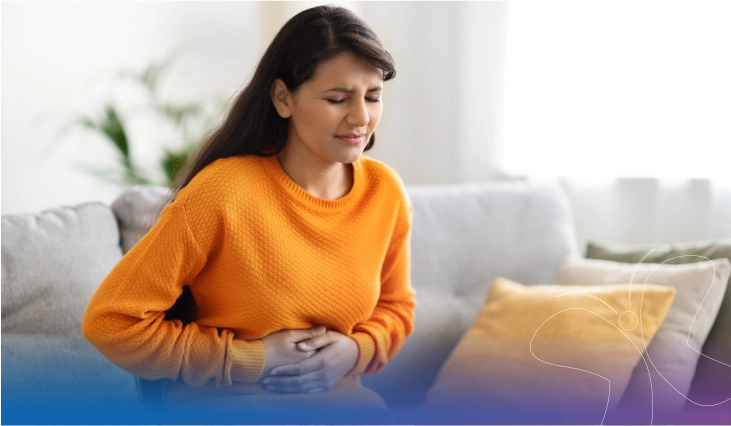
Painful periods are so often normalised that many women live with endometriosis for years before they get an actual diagnosis. Recognising endometriosis symptoms earlier makes a real difference both to how long the condition goes untreated and to how manageable it is once it's finally named, and it's a conversation worth having as part of ongoing women's health.
What Is Endometriosis
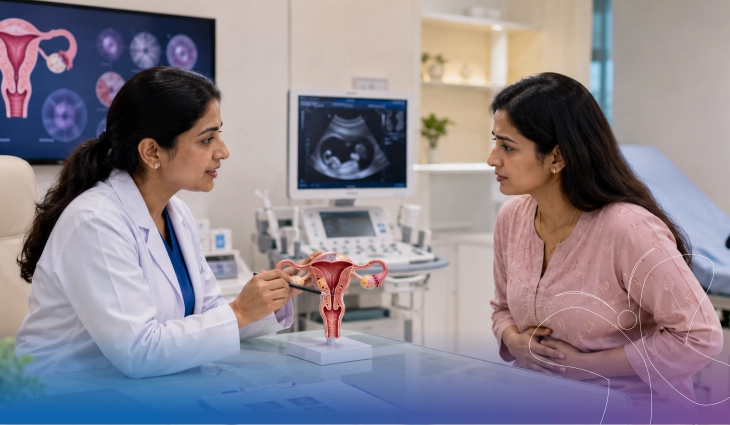
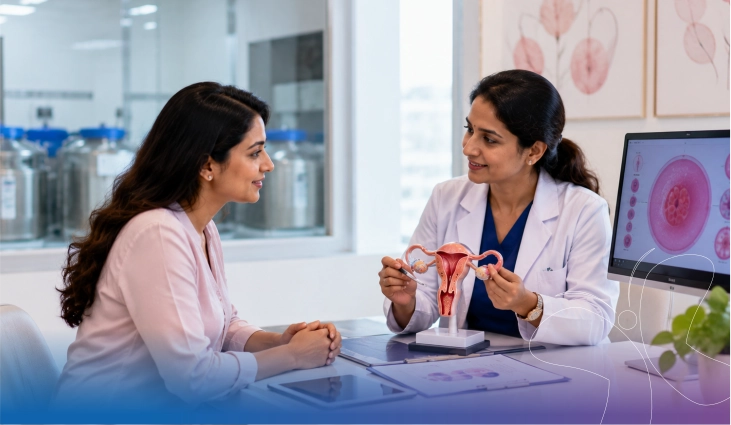
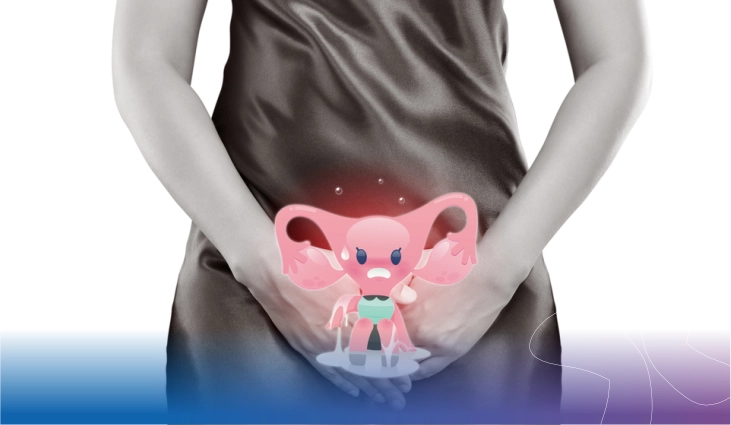
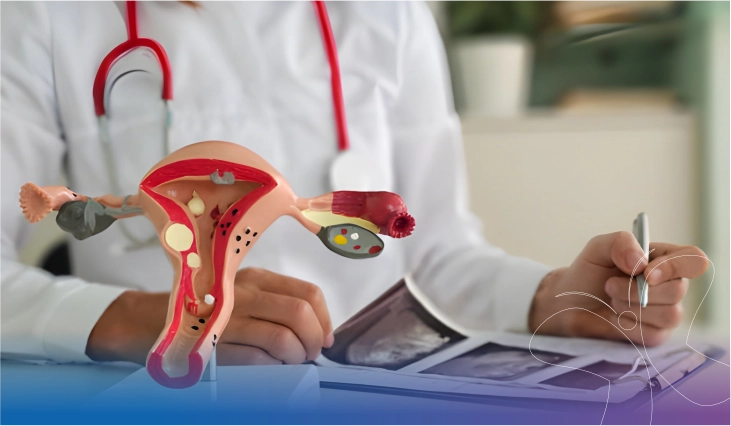
Endometriosis happens when tissue similar to the uterine lining grows outside the uterus, most often on the ovaries, fallopian tubes, or pelvic lining. That tissue behaves the same way the uterine lining does, thickening and breaking down with each cycle, except it has nowhere to go.
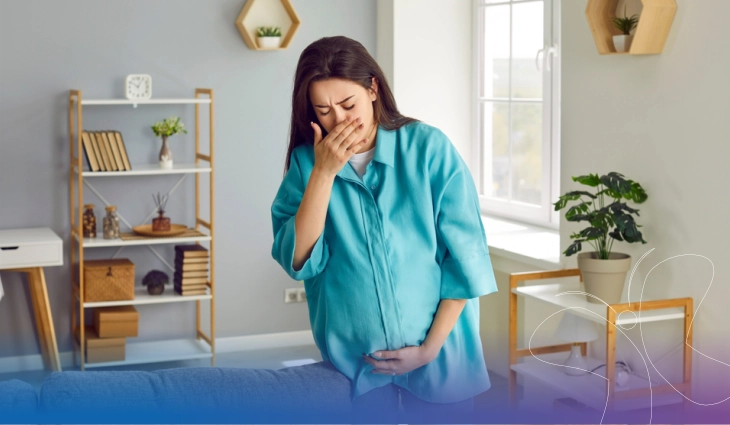
The trapped tissue leads to inflammation, scarring, and often significant pain that gets waved off as just a bad period far more often than it gets investigated as a condition in its own right.
It's more common than most people think, too. Estimates suggest it affects roughly one in ten women of reproductive age, yet the average gap between symptoms starting and an actual diagnosis often stretches into years. Much of that delay is due to symptoms being interpreted as ordinary menstrual pain rather than a specific, treatable condition.
Part of what makes it tricky is that endometriosis doesn't look the same from one woman to the next. Some feel their worst symptoms only during their period; others feel pain throughout the month that intensifies around menstruation. Some have obvious cysts visible on an ultrasound; others have a completely normal scan despite real tissue growth elsewhere in the pelvis. That variability is precisely why a single test rarely settles the question on its own and why a careful conversation about symptoms over time matters as much as any individual scan.
Warning Signs of Endometriosis
- Menstrual cramps well beyond typical discomfort
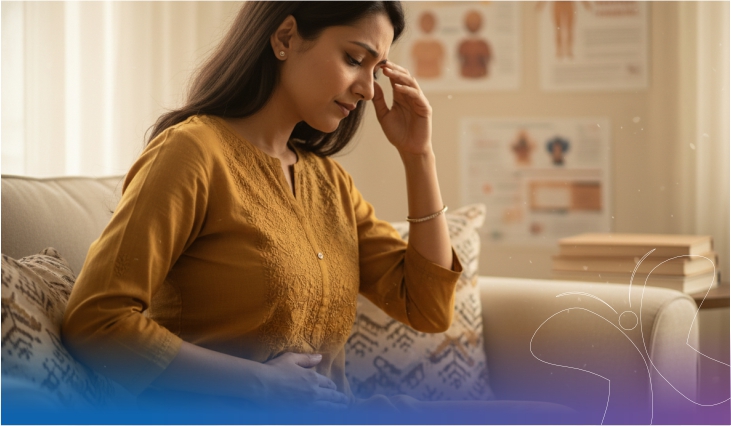
- Chronic pelvic pain that isn't limited to the days you're actually bleeding
- Pain during or after sex, often one of the more overlooked signs
- Heavy bleeding or bleeding between periods
- Trouble conceiving, since endometriosis is linked to fertility challenges in a meaningful number of cases
- Digestive symptoms like bloating, pain with bowel movements, or nausea, especially around your cycle
How Endometriosis Is Diagnosed and Treated
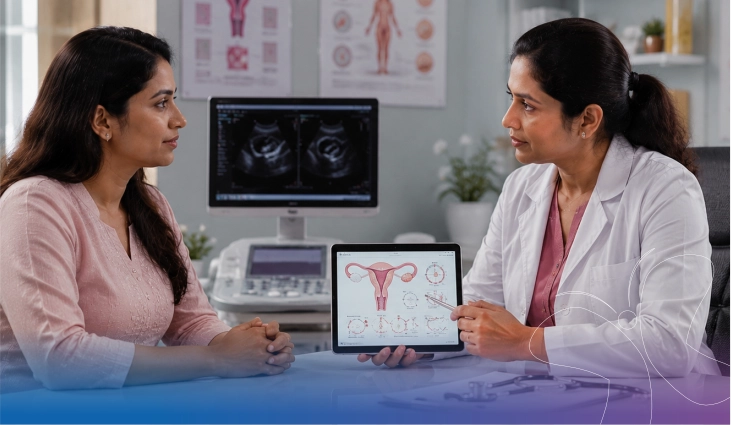
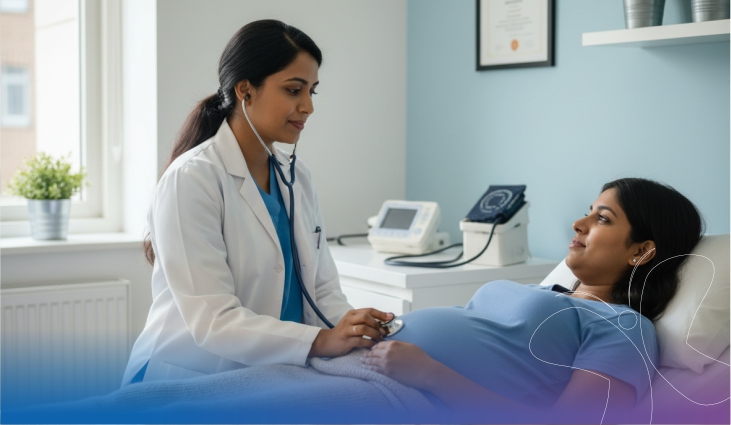
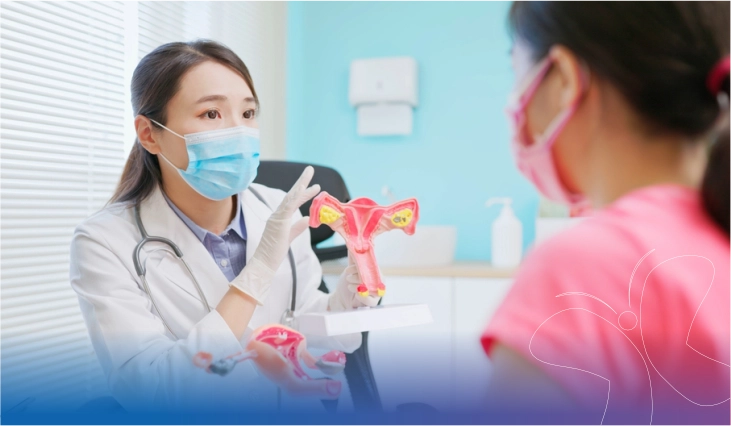
- Detailed symptom history, since endometriosis is often identified by a pattern rather than a single test
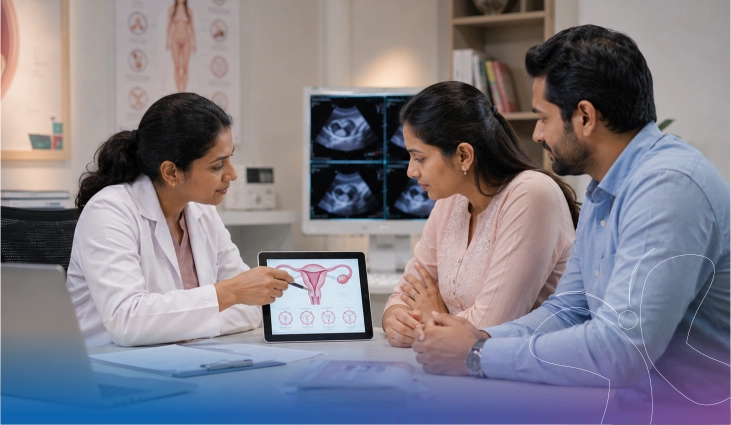
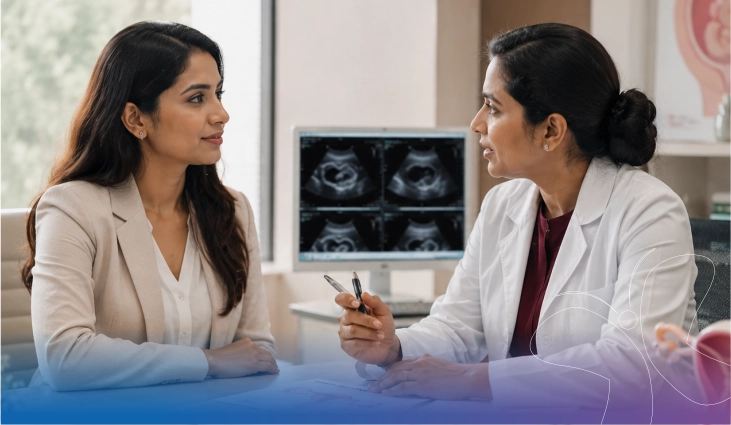
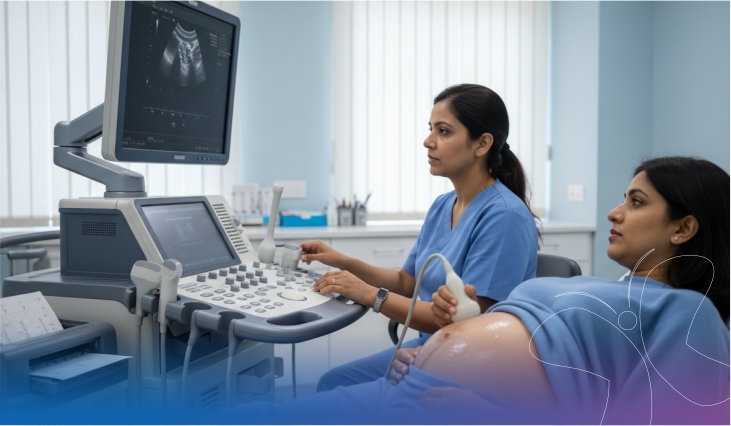
- Pelvic exam and ultrasound checking for cysts or other visible signs, though a normal scan doesn't rule it out
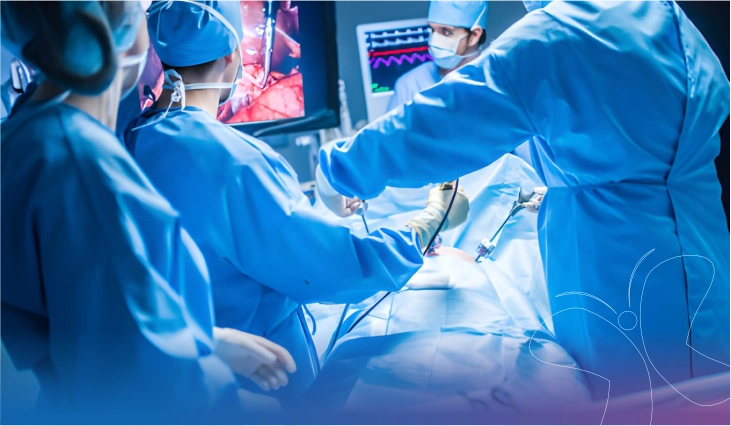
- Laparoscopy when needed, the most definitive way to confirm a diagnosis and see how far the tissue has spread
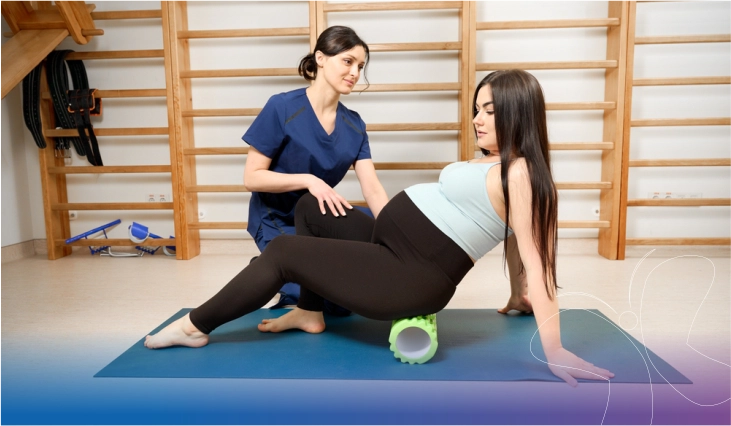
- Pain management and hormonal treatment, usually the first line, aimed at reducing symptoms and slowing progression
- Surgical options for more significant cases, removing tissue as part of comprehensive endometriosis treatment when medication alone isn't managing symptoms
Why Choose Flowrence Hospital for Endometriosis Care
Endometriosis often gets diagnosed years after symptoms start, largely because period pain gets dismissed as normal in the first place. Recognising the warning signs early is one of the most useful things a woman can do for her own long-term health.
Our team takes reported pain seriously from the first visit, offering endometriosis treatment built around your specific pattern of symptoms rather than defaulting to reassurance that it's probably nothing. That difference alone tends to shorten the path to an accurate diagnosis considerably.
Tips for Recognising Endometriosis Early
- Track your pain levels and cycle patterns over a few months, this pattern is often what leads to a diagnosis
- Don't write off pain that gets in the way of daily activities as "just a bad period"
- Mention digestive symptoms alongside pelvic pain, since the link isn't always obvious on its own
- Seek a second opinion if your concerns keep getting dismissed without further investigation
Book a Consultation for Endometriosis
Endometriosis is common, treatable, and far too often ignored in its early stages simply because the endometriosis symptoms get mistaken for normal period pain. Recognising the warning signs is the first real step toward a proper diagnosis and genuine relief from chronic pelvic pain. If any of this sounds familiar, book a consultation with Flowrence Hospital's gynecology team for endometriosis treatment.