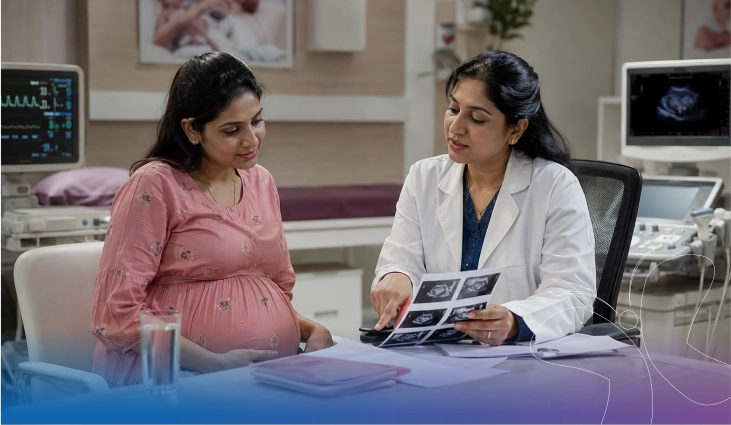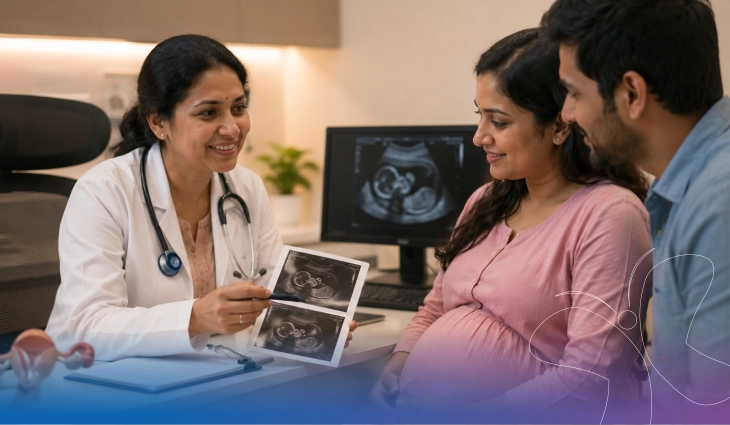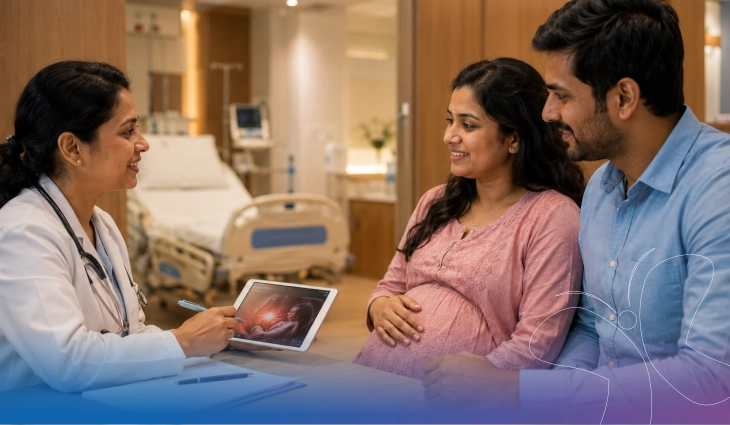
Dengue fever is difficult enough to manage in a healthy adult. In a pregnant woman, it carries an additional layer of complexity. The infection affects not just the mother but also the developing baby, and certain medications routinely used for fever management are either restricted or contraindicated during pregnancy. Understanding dengue in pregnancy what it looks like, how it differs from a standard dengue presentation, and how quickly it can escalate – is genuinely important for every expectant mother and her family during monsoon and post-monsoon months when dengue transmission peaks across Rajkot and Gujarat.
Why Dengue Is More Serious During Pregnancy
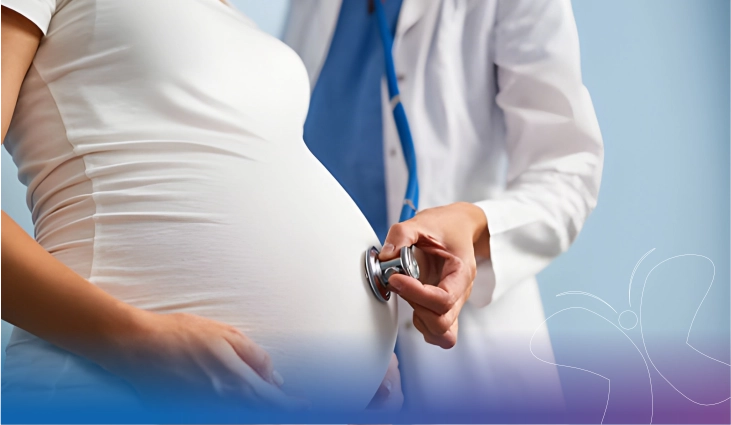
Pregnancy changes how the body responds to infection. The immune system operates in a modified state to protect the foetus, which means the inflammatory response to dengue can be more pronounced and harder to regulate. Platelet counts already subject to some physiological fluctuation in pregnancy can drop more sharply with dengue, raising bleeding risk at a time when haemostasis is critically important. Dehydration from dengue-related fever and vomiting is also more dangerous in pregnancy, as fluid balance directly affects placental function and foetal wellbeing.
The question is can dengue during pregnancy can affect both the mother and the baby? is not a hypothetical one. Severe dengue in the third trimester has been associated with preterm labour, low birth weight, and, in rare but documented cases, vertical transmission where the dengue virus passes from mother to baby. None of this means dengue in pregnancy is invariably dangerous, but it means it is never something to manage at home with paracetamol and rest alone.
Symptoms During Dengue
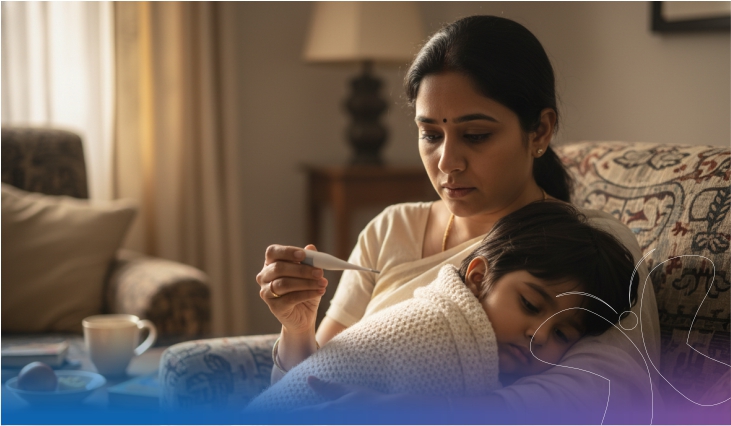
The classic dengue presentation is sudden high fever, severe headache, pain behind the eyes, muscle and joint pain, nausea applies in pregnancy, but some symptoms overlap with normal pregnancy discomforts and can lead to delayed recognition.
- Fever above 38.5°C appearing suddenly without obvious cause
- Severe headache or pain behind the eyes, not typical pregnancy headaches
- Muscle aches and joint pain disproportionate to the fever
- Nausea and vomiting beyond what morning sickness typically produces
- A rash appearing two to five days after fever onset
- Unusual fatigue or weakness that feels different from pregnancy tiredness
- Any bleeding from gums, nose, or any other site during the febrile period
- Reduced foetal movement during a fever episode, this always warrants immediate assessment
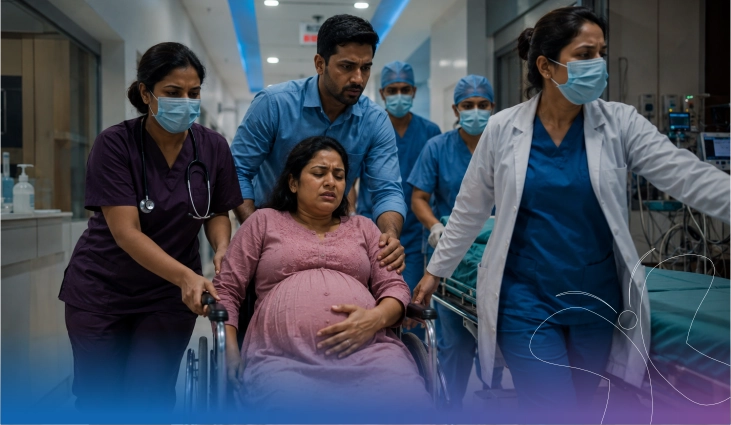
The last point is critical. Reduced foetal movement alongside any of the above symptoms is a reason to go directly to a maternity facility, rather than wait and monitor at home.
Diagnosis and Safe Management in Pregnancy
Dengue is confirmed through blood tests. The NS1 antigen test should be performed in the first five days, followed by IgM/IgG antibody tests thereafter. A complete blood count, tracking platelet count and haematocrit, is monitored serially throughout the course of the illness. Liver function tests are also checked given dengue's hepatic involvement.
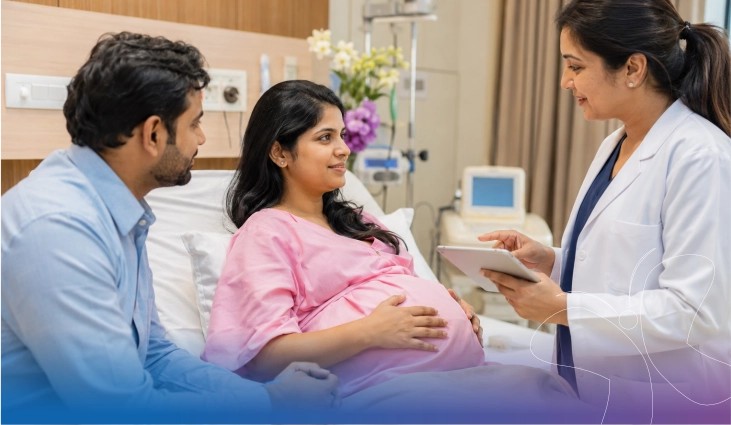
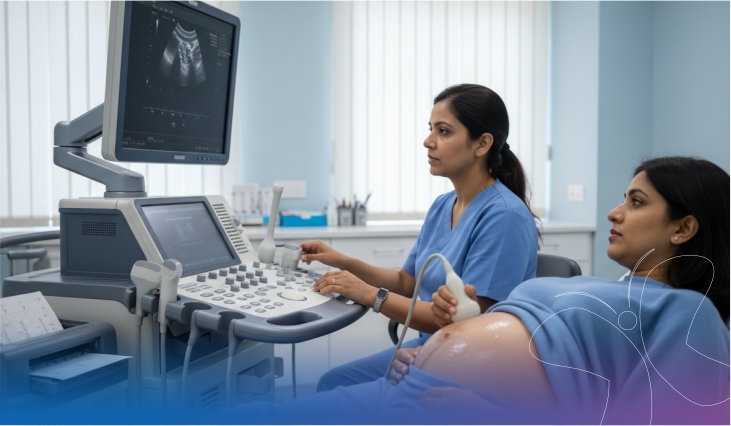
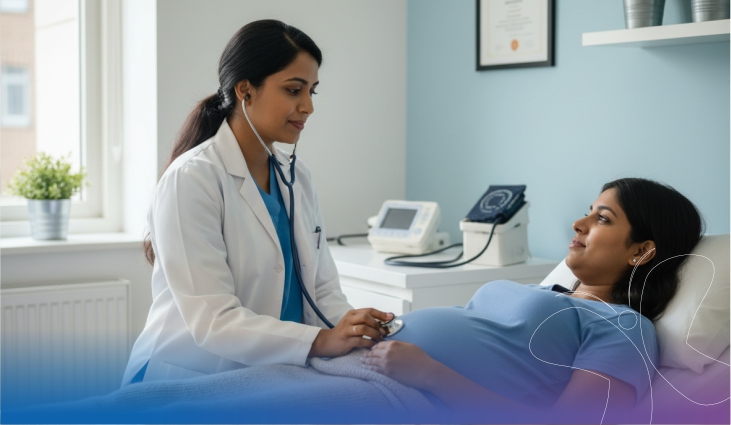
Management in pregnancy is largely supportive, with adequate hydration, fever control with paracetamol (aspirin and NSAIDs are contraindicated), and close monitoring of both maternal and foetal parameters. Hospital admission is typically recommended for pregnant women with confirmed dengue regardless of severity, because the speed at which platelet counts can fall means that outpatient monitoring carries real risk. Dengue symptoms and treatment during pregnancy managed under obstetric and physician co-supervision consistently produces better outcomes than home management followed by late presentation with complications.
How Dengue Affects the Baby
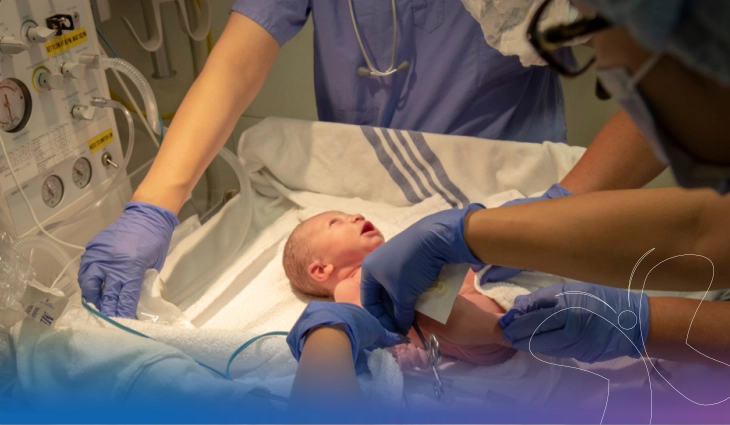
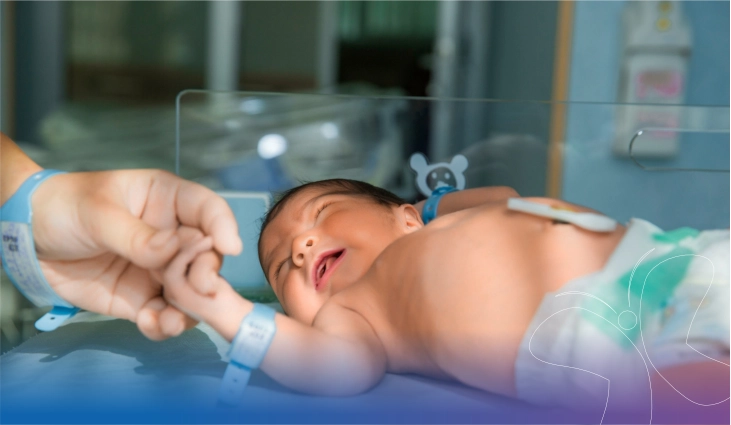
In the first and second trimester, dengue primarily affects the mother the risk of vertical transmission is lower earlier in pregnancy, though the risks of miscarriage from severe maternal illness exist. In the third trimester and particularly near delivery, the risk of vertical transmission increases, and neonates born to mothers with active dengue require close monitoring for thrombocytopenia and fever in the neonatal period. A hospital with both obstetric and neonatal intensive care capability is the appropriate setting for delivery when the mother has an active or recent dengue infection.
When to Visit a Doctor Immediately
- Any fever above 38°C in pregnancy do not wait more than twenty-four hours
- Fever accompanied by severe headache, body pain, or rash
- Any bleeding from any site during a febrile illness
- Reduced or absent foetal movement during fever
- Vomiting that prevents adequate fluid intake
- Abdominal pain or uterine tightening alongside fever
Conclusion
Dengue during pregnancy demands earlier medical attention, closer monitoring, and more cautious management than dengue in a non-pregnant adult, not because outcomes are always serious, but because the window between early and complicated disease is narrower. Flowrence Hospital, Rajkot, provides integrated obstetric and physician care for pregnant women with fever and dengue, with neonatal support available for newborns requiring post-delivery monitoring. For any fever during pregnancy in Rajkot, the best pregnancy care hospital for dengue in Rajkot is where assessment should happen promptly, not after a few days of watchful waiting at home. Visit Flowrence Hospital to contact our team.