Many women in their forties begin to feel "not quite themselves" long before their periods stop. Cycles shift, sleep becomes patchy, moods swing and the body temperature seems to have a mind of its own. These are classic perimenopause symptoms, and they are often mistaken for stress, thyroid trouble or simply ageing. Knowing what is happening, why it happens and what can be done about it turns a confusing phase into one you can manage with confidence.
The Difference Between Perimenopause and Menopause
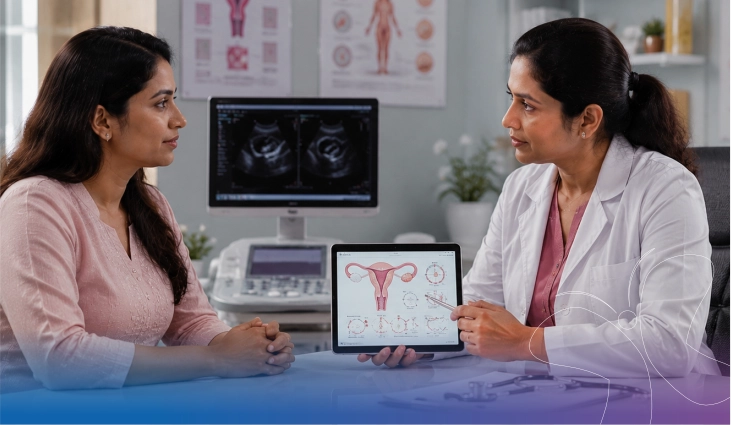
The difference between perimenopause and menopause is really a difference of timing. Perimenopause is the transition, the years when the ovaries gradually produce less predictable amounts of oestrogen and progesterone. You are still having periods, though they are no longer regular, and you can still become pregnant. Menopause is a single point in time, confirmed after twelve consecutive months without a period. Everything after that point is called postmenopause.
Perimenopause often begins in the mid-forties, though it can start in the late thirties for some women, and it commonly lasts between four and eight years. Menopause itself usually occurs in the late forties to early fifties, and studies suggest Indian women often reach it a little earlier than the Western average. Smoking, certain medical treatments and family history can bring it forward, and removal of the ovaries causes menopause immediately.
Common Perimenopause Symptoms
Hormone levels do not fall in a straight line during perimenopause. They rise and dip unevenly, which is why the symptoms can feel unpredictable. The most common perimenopause symptoms are:
- Irregular periods: shorter or longer cycles, skipped months, lighter or heavier bleeding, and spotting
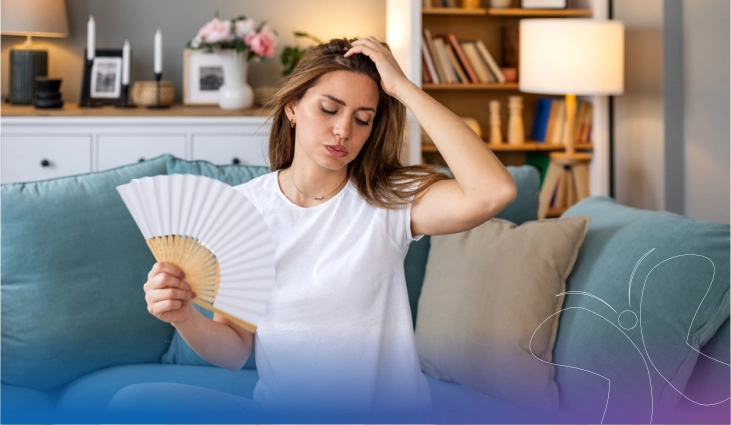
- Hot flushes: a sudden wave of heat across the face, neck and chest
- Night sweats and poor sleep: sleep can be disturbed even without sweating
- Mood changes: irritability, low mood and anxiety
- Brain fog: difficulty concentrating and forgetfulness
- Aches: joint pain and headaches
- Vaginal dryness: discomfort during intimacy and recurrent urinary symptoms
- Reduced sexual desire
Not every woman experiences all of these, and severity varies widely, but when they interfere with work, relationships or rest, they deserve treatment.
Recognising the Start of Perimenopause
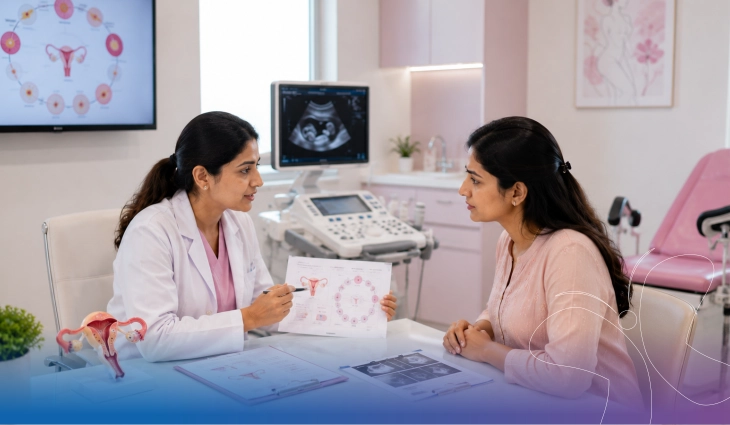
Women often wonder how women can identify the beginning of perimenopause. The clearest clue is a persistent change in your cycle after the age of forty, particularly cycles that vary by seven days or more from your usual pattern, along with new symptoms such as night sweats, disturbed sleep or mood changes. Doctors usually diagnose it from your age, symptoms and menstrual history rather than a single test, because hormone levels fluctuate day to day and a normal result does not rule it out.
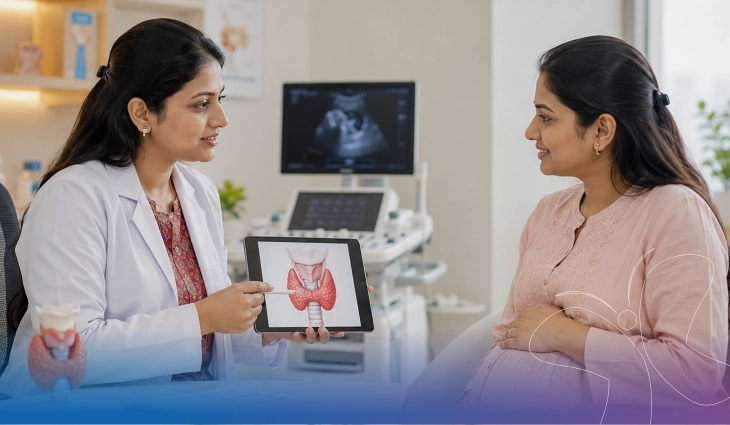
Blood tests such as thyroid function, haemoglobin and sometimes FSH may still be advised, because thyroid disease, anaemia and other conditions can mimic perimenopause. Keeping a simple diary of your periods and symptoms for two or three months gives your doctor valuable information.
Treatment Options That Help
Treatment is personal and depends on which symptoms trouble you most and on your health history. The main options are:
- Lifestyle measures: regular exercise including strength training, a diet rich in calcium and protein, adequate vitamin D, less caffeine, alcohol and spicy food if they trigger flushes, a cool bedroom, consistent sleep habits, and yoga or counselling for stress
- Menopausal hormone therapy: the most effective treatment for hot flushes and night sweats, and it also protects bone health; it is not suitable for everyone, so the decision follows an assessment of your age, how long since your last period and your personal and family history
- Low-dose vaginal oestrogen: treats dryness and urinary symptoms with very little absorption into the body
- Non-hormonal medicines: for women who cannot or prefer not to take hormones
- Bleeding control: medication or, in selected cases, a hormonal intrauterine system for heavy or irregular bleeding
Contraception is still important. Pregnancy remains possible until menopause is confirmed, so ask your doctor how long to continue using it.
Bleeding Patterns That Should Not Be Ignored
Seek an assessment if you notice any of the following:
- Very heavy periods, or bleeding that lasts longer than seven days
- Cycles that come closer than twenty-one days apart
- Bleeding between periods or after intercourse
- Any bleeding after a full year without periods, which always needs investigation
- Persistent low mood, panic or severe sleep loss that reduces your quality of life
These are reasons to seek help rather than endure them.
Conclusion
Perimenopause and menopause are natural stages, but suffering through them is not a requirement. With the right information and support, symptoms can be eased and long-term health protected. Flowrence Hospital, Rajkot, provides gynecological assessment and personalised care for women through every stage of the transition. If you are looking for the best menopause specialist in Rajkot, you can begin with a consultation to understand where you are in the transition and what will help you most. Visit Flowrence Hospital to book your appointment.