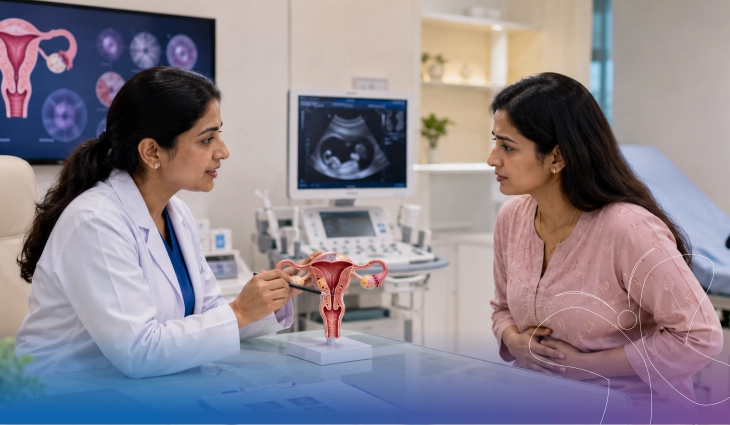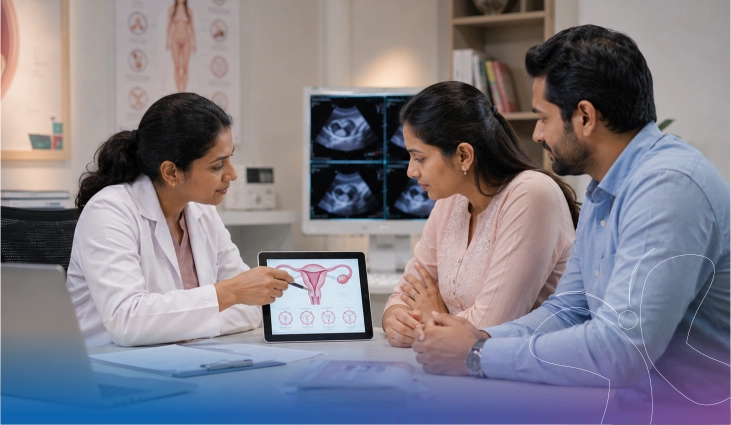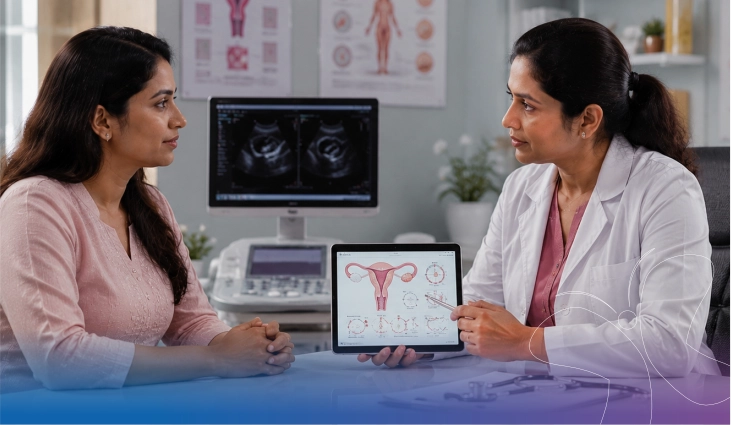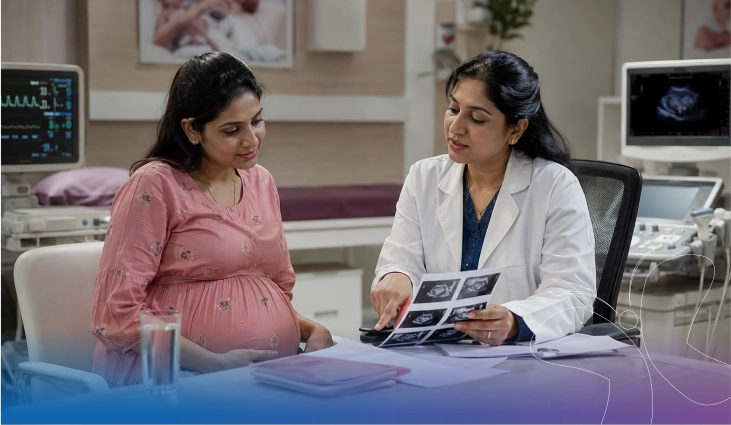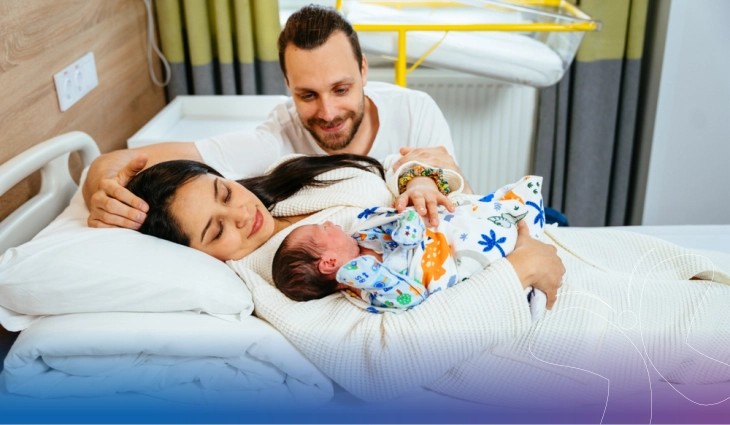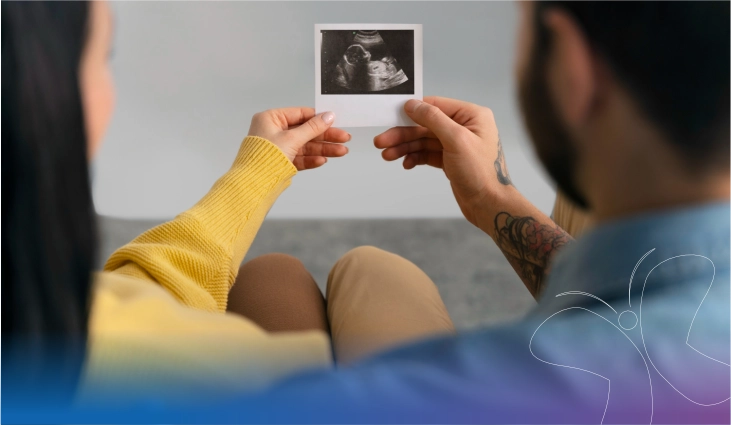
More women today are having their first child after 35, and there are plenty of reasons for it: career timelines, later marriages, better fertility support, or simply personal choice. Pregnancy after 35 isn't a red flag on its own. What changes is the antenatal approach. Some risks genuinely go up with age, but most are caught early and managed well with the right monitoring in place.
Why Pregnancy After 35 Requires Extra Attention
Egg quality declines as a woman ages, and that's the main reason chromosomal abnormalities become somewhat more likely. At 30, the chance of Down syndrome is roughly 1 in 1,000. By 35 that shifts to about 1 in 400, and by 40 it's closer to 1 in 100. Conditions like hypertension, thyroid disorders, and diabetes also show up more often in this age group, and if they were already present before conception, they need to be actively managed once pregnancy begins. Gestational diabetes and pre-eclampsia tend to be a little more common too. So is the risk of pregnancy loss, whether that's an early miscarriage or, less commonly, a stillbirth. None of this means complications are likely. It just means the testing schedule deserves more attention than it might at a younger age.
Extra Tests and Monitoring Recommended After 35
The goal of a tighter testing schedule isn't to alarm anyone. It's to catch anything that needs attention before it becomes a bigger problem.
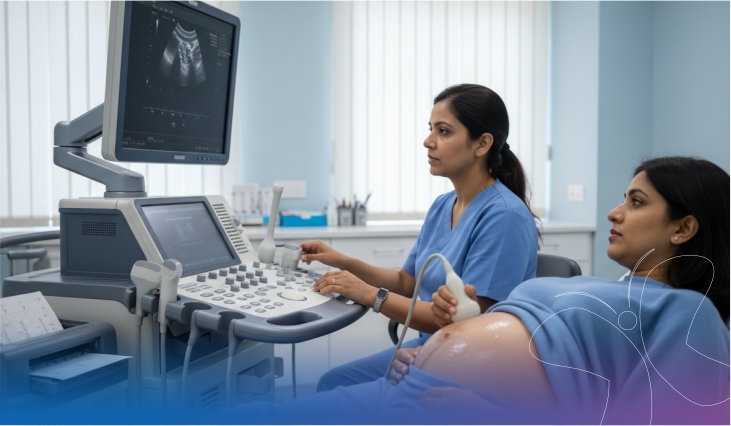
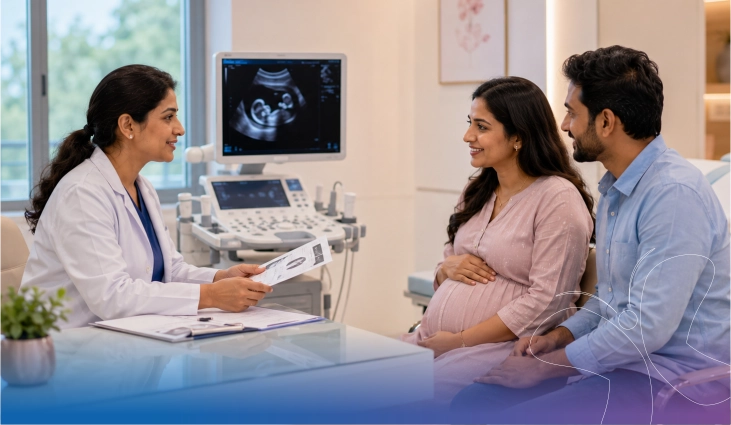
- First trimester combined screening between 11 and 13 weeks checks chromosomal risk using an NT scan along with blood work.
- NIPT, or cell-free fetal DNA testing, can be done from 10 weeks and offers non-invasive screening with over 99?curacy.
- A detailed anomaly scan at 18 to 20 weeks looks closely at the baby's structural development.
- An OGTT for gestational diabetes is usually done between 24 and 28 weeks, though it may be moved earlier if risk factors are already known.
- Growth scans from around 32 weeks onward help track whether the baby is growing as expected.
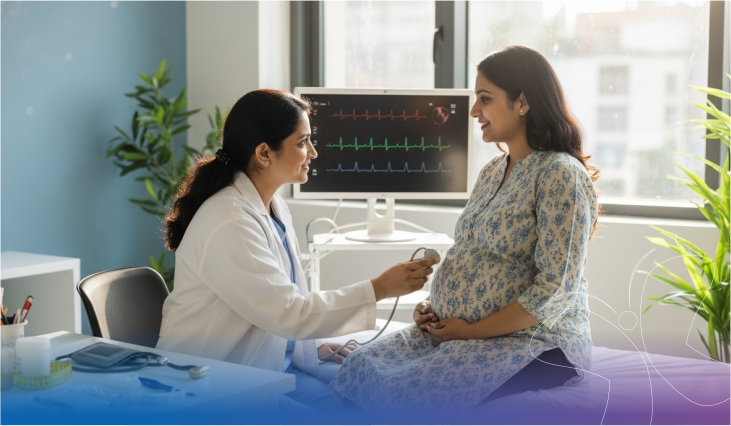
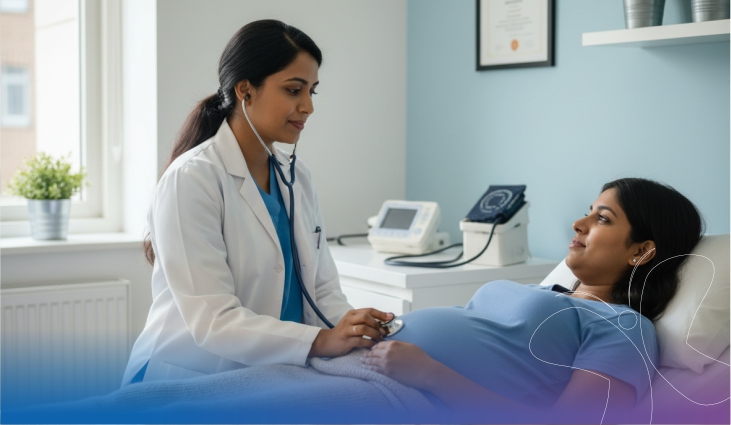
- Blood pressure is checked at every visit, more frequently from the second trimester, mainly to catch pre-eclampsia before it progresses.
Lifestyle Recommendations for Pregnancy After 35
Medical monitoring covers one part of this. The everyday habits alongside it matter just as much.
- Start folic acid before conception if possible, and continue it through the first trimester.
- Vitamin D, iron, and calcium levels are worth having checked individually rather than assumed to be fine.
- A healthy BMI going into pregnancy lowers the odds of both gestational diabetes and pre-eclampsia by a meaningful margin.
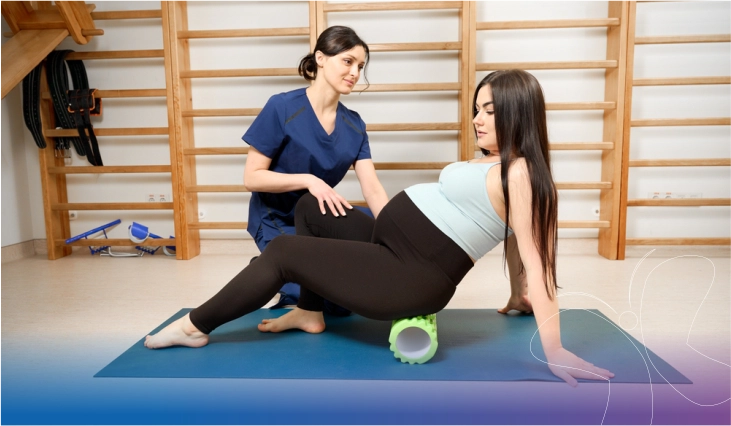
- Walking, swimming, and prenatal yoga are generally safe unless a doctor has advised otherwise for a specific reason.
- Rest matters more than people expect. Ongoing stress can affect placental function, so it's not something to brush aside.
High-Risk Pregnancy Specialist in Rajkot
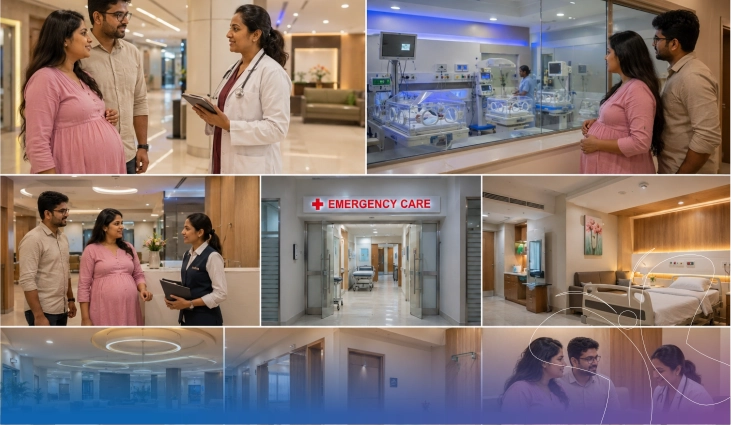
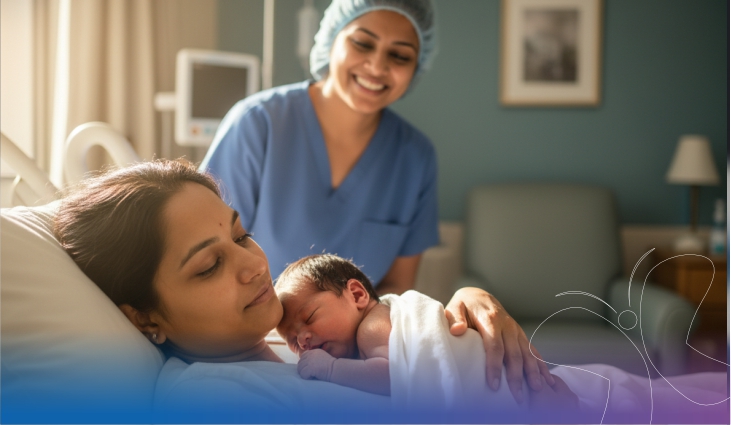
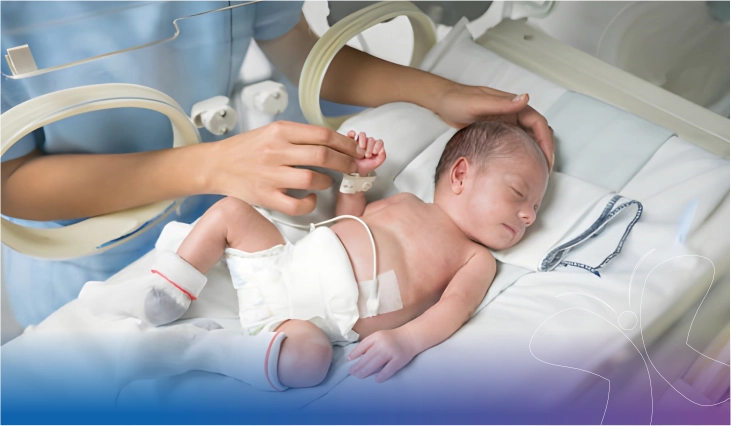
There's a common assumption that every woman over 35 will end up needing a caesarean section. That isn't how the decision actually works. It comes down to things like cervical readiness, the baby's position, where the placenta sits, and how earlier pregnancies went, not age on its own. A high-risk pregnancy specialist in Rajkot will usually leave that decision until much closer to the due date, once these factors are clearer. At Flowrence Hospital, a maternity hospital in Rajkot, obstetric care is handled by experienced consultants, with anaesthesiology and neonatal support available round the clock for deliveries that need that extra layer of readiness.
Conclusion
Pregnancy after 35 has a few more things to track, but the process is manageable with good antenatal care and the right testing schedule. What matters most is having a team that knows what to look for and when. Flowrence Hospital's obstetric team can walk you through that schedule and the specialist support this stage of pregnancy tends to need.