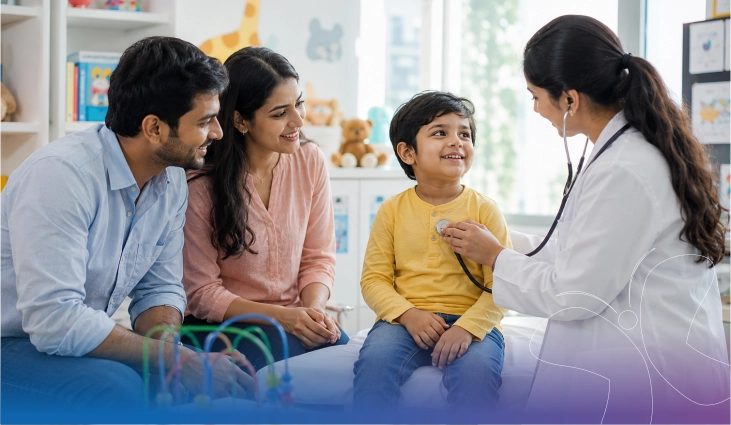
When Childhood Allergies Need a Doctor's Visit
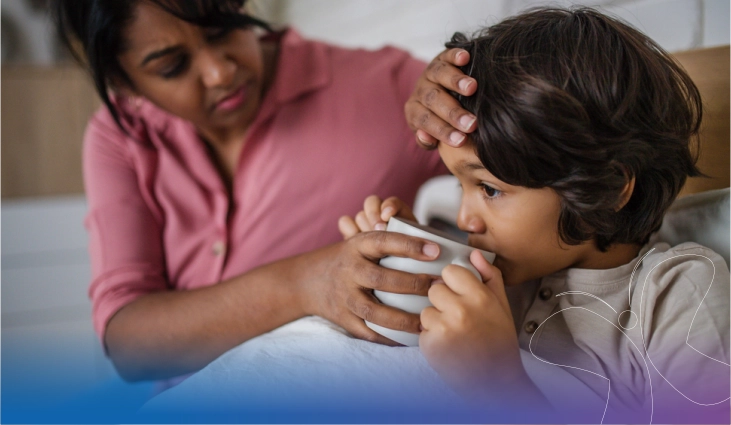
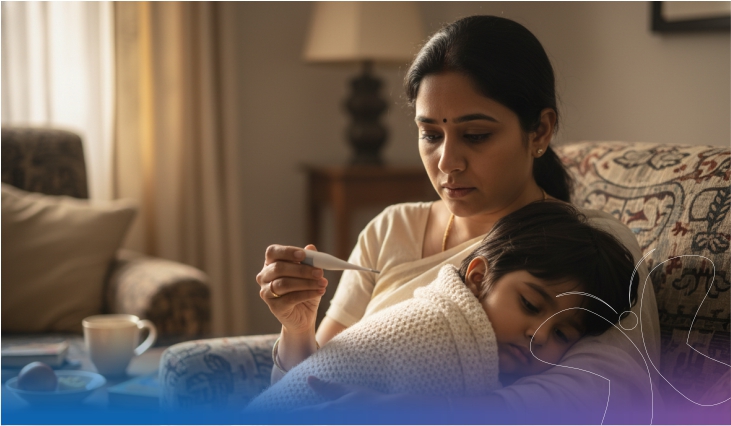
A sneeze here, a rash there most parents brush off small reactions without giving it much thought, and honestly, most of the time that's a reasonable call. But knowing when a reaction requires proper child allergy treatment in Rajkot can make a real difference, especially with allergies that tend to worsen with repeated exposure.
Understanding Childhood Allergies
Childhood allergies range from mild seasonal reactions to more serious food or environmental sensitivities, and the right response depends heavily on which category a child's symptoms actually fall into.
Most reactions are manageable at home with an antihistamine and a bit of patience. But a smaller subset of symptoms genuinely need medical evaluation rather than a wait-and-see approach.
It helps to understand the difference between a localised reaction and anaphylaxis. A localised reaction stays confined to one area, a patch of skin or the digestive tract, while anaphylaxis involves multiple body systems at once, develops rapidly, and needs emergency treatment rather than home management.
Food allergies deserve a mention of their own, since they tend to worry parents more than most other kinds. A child can react to a food they've eaten before without issue, which can surprise many families. Sensitivity can develop over time rather than always showing up at first exposure. That's part of why paediatricians often suggest introducing new foods gradually and one at a time in early childhood, so if a reaction does happen, it's actually possible to work out which food caused it instead of guessing across a plate of several new things at once.
Common Allergens and Allergy Symptoms in Children
- Common allergens including dust, pollen, pet dander, certain foods, and insect stings
- Mild symptoms such as sneezing, a mild rash, itchy eyes, or a runny nose
- More significant symptoms: swelling of the face or throat, difficulty breathing, widespread hives
- Reactions that can worsen over time with repeated exposure to the same allergen
- A family history of allergies, asthma, or eczema, which raises the odds of allergic conditions in children
How Childhood Allergies Are Diagnosed and Treated
- Symptom and trigger history: searching for patterns around specific foods, seasons, or environments.
- Allergy testing: skin or blood tests to confirm specific triggers when the pattern isn't obvious from history alone.
- Avoidance strategy: practical steps to cut exposure to confirmed triggers at home and school.
- Medication plan: antihistamines or other treatment tailored to how severe and frequent symptoms are.
- Emergency action plan: for children with more significant allergies as part of thorough child allergy treatment, covering when and how to use emergency medication if prescribed.
Why Choose Flowrence Hospital for Child Allergy Treatment
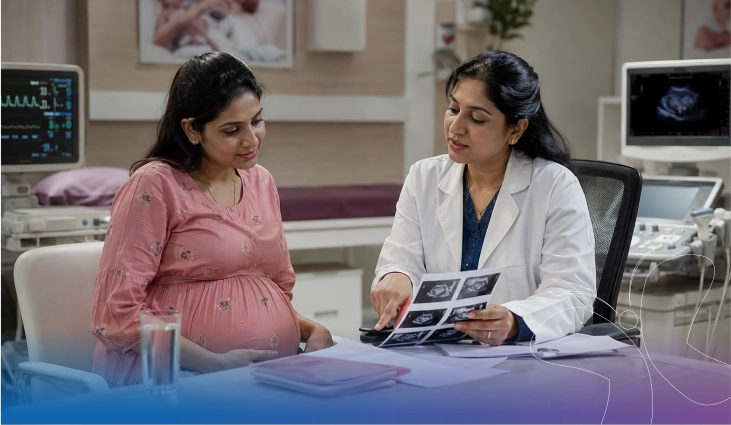
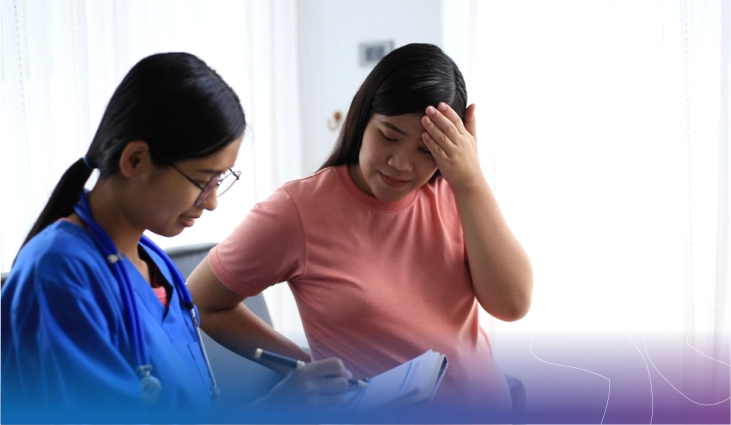
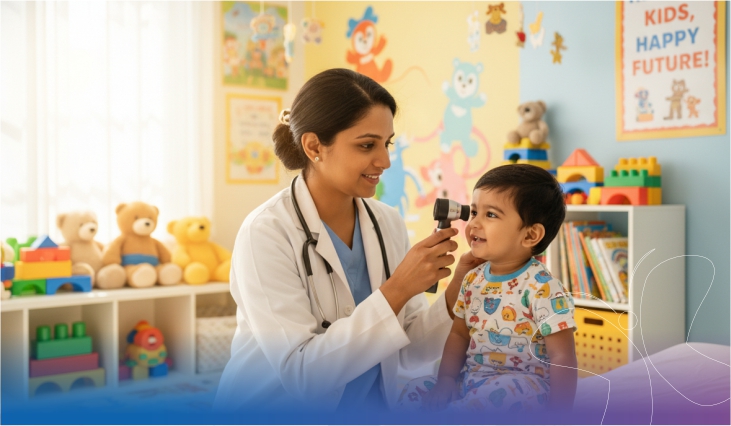
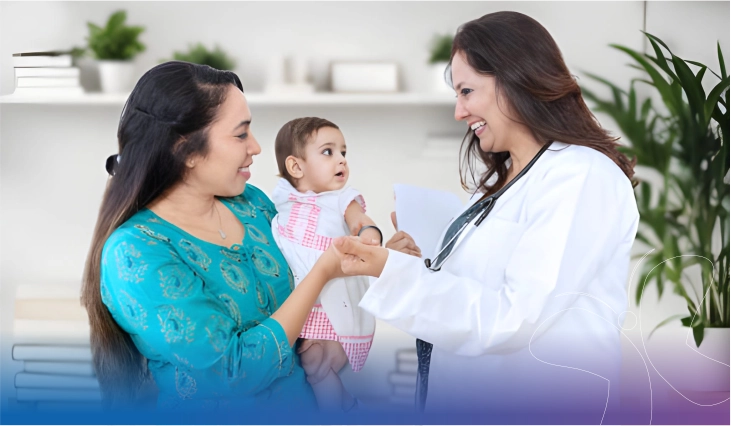
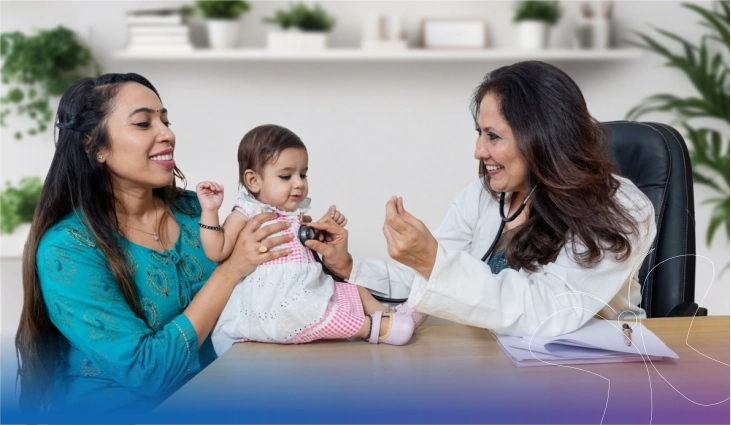
As the best child specialist in Rajkot for a lot of local families, our pediatric team helps parents tell the difference between a manageable reaction and one that needs closer attention, without dismissing real concerns or causing unnecessary alarm either way.
A search for a pediatrician near me or a children's hospital near me during a first allergic reaction can feel urgent in the moment, and our team is set up to see children promptly when a reaction genuinely calls for same-day evaluation.
Tips for Managing Your Child's Allergies
- Keep a simple log of reactions, what triggered them, how severe they were
- Introduce new foods one at a time in early childhood, so it's easier to pin down a specific trigger if something goes wrong
- Don't ignore repeated mild reactions to the same trigger, since sensitivity can build over time
- Ask your pediatrician about allergy testing if a pattern starts becoming clear at home
Book a Pediatric Allergy Consultation
Most childhood allergies are manageable with the right information and a bit of preparation, but knowing when to escalate to a doctor's visit matters just as much as knowing how to manage things at home. If your child's reactions seem to be changing or getting worse, it's best to get a proper evaluation rather than just waiting. Booking an appointment with Flowrence Hospital's pediatric team, a trusted children's hospital near me, is a good next step.