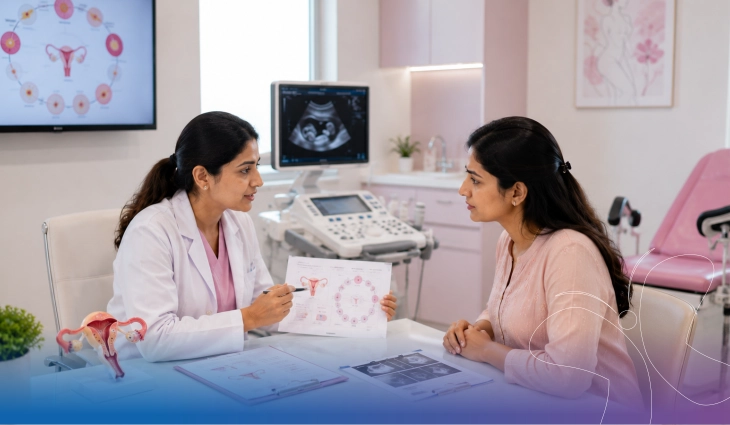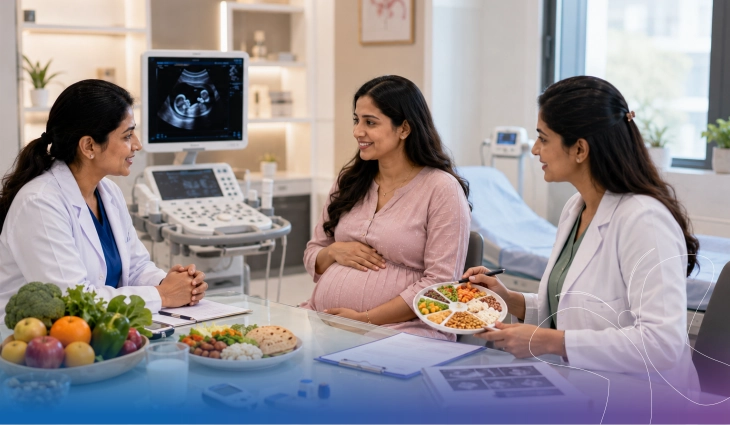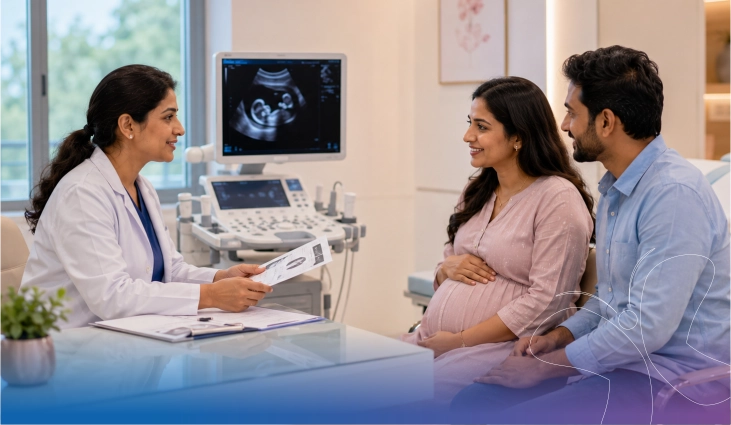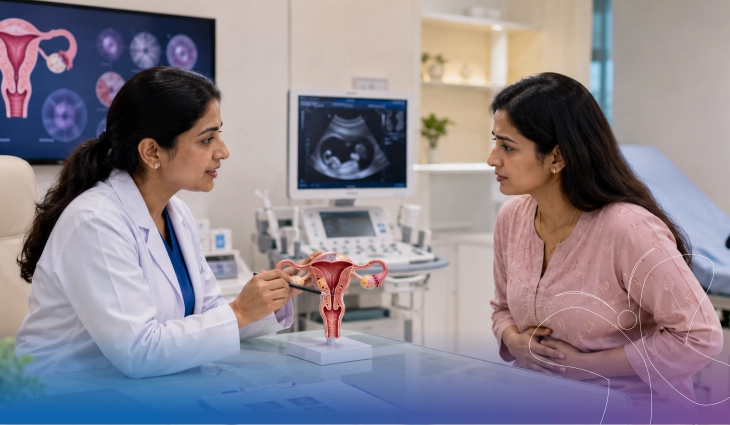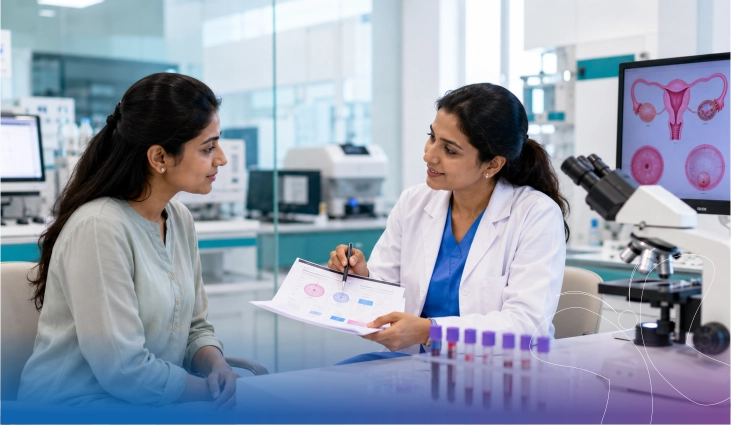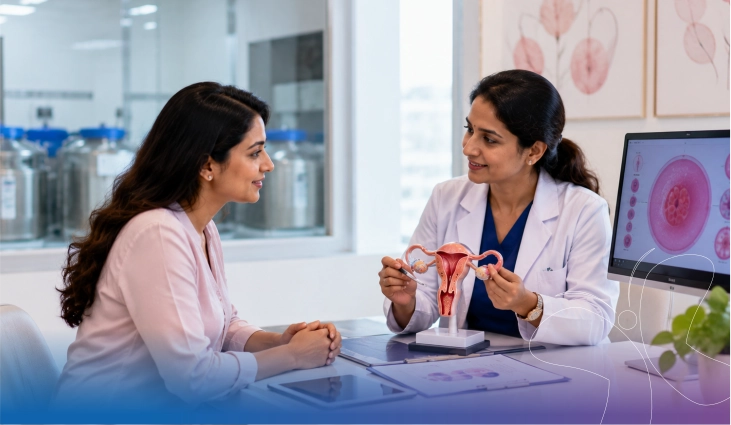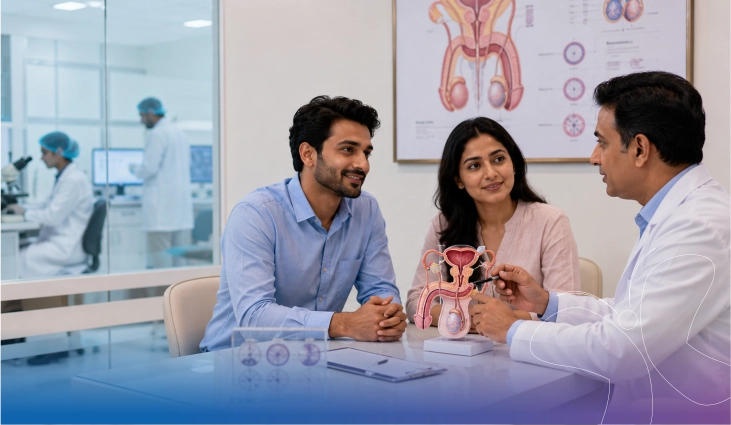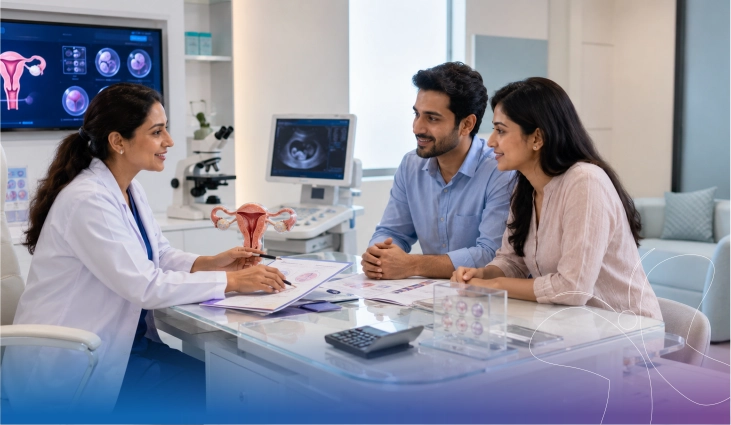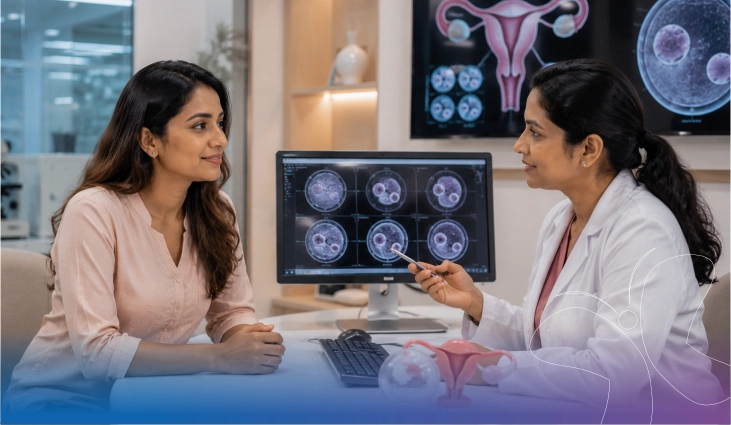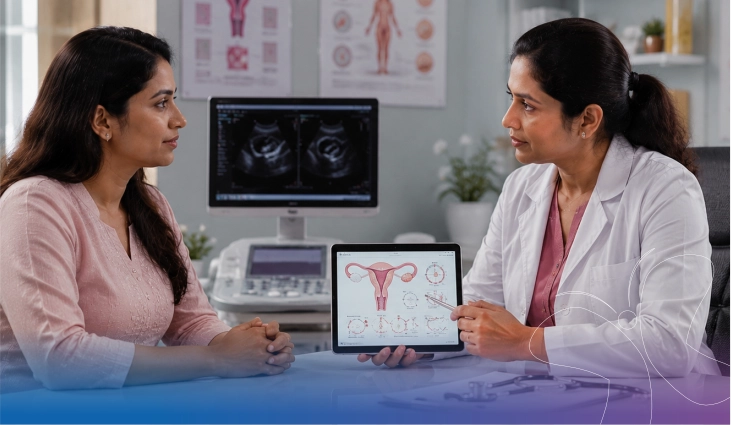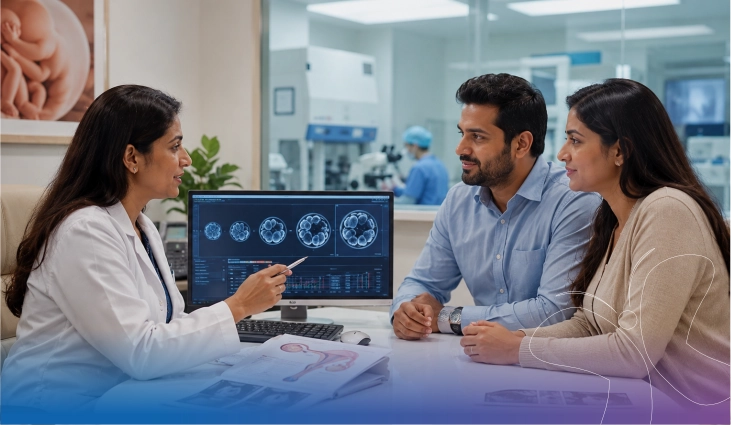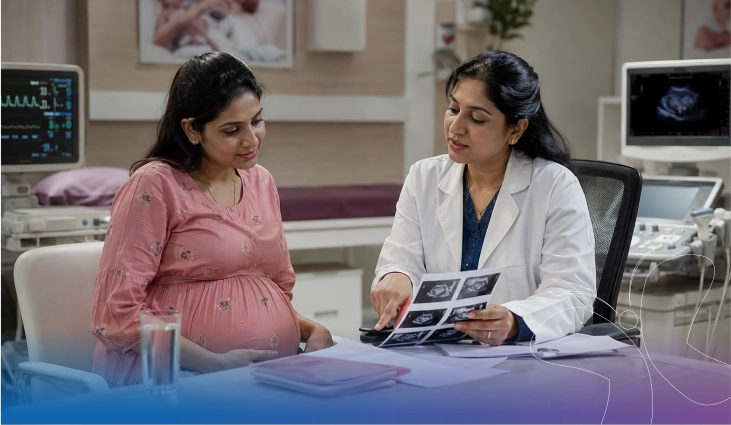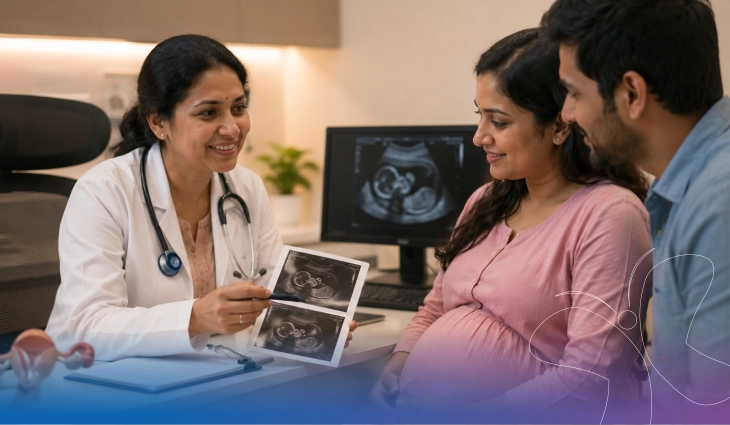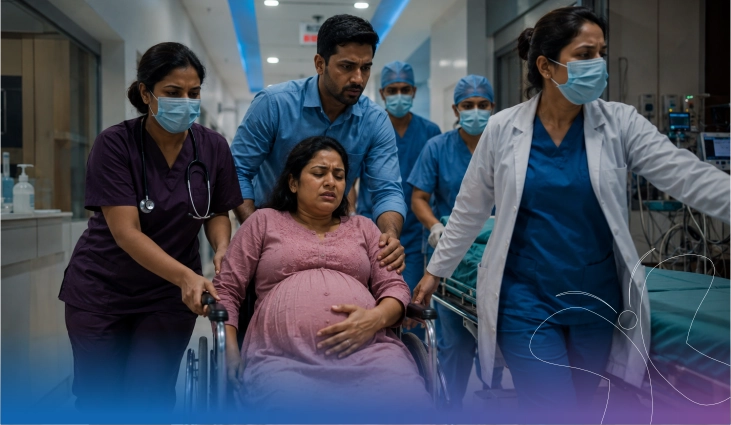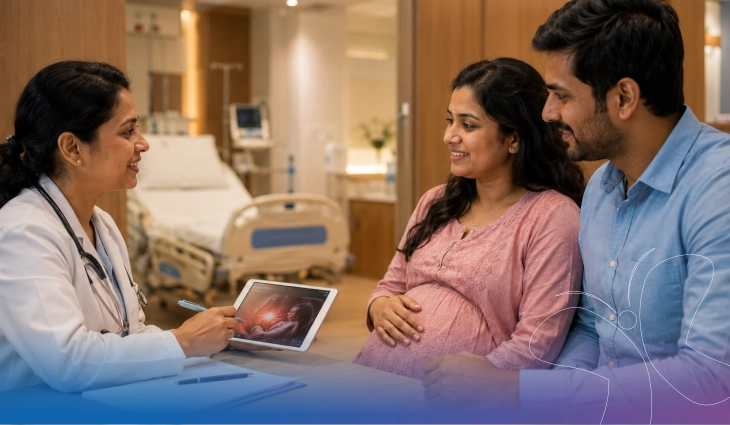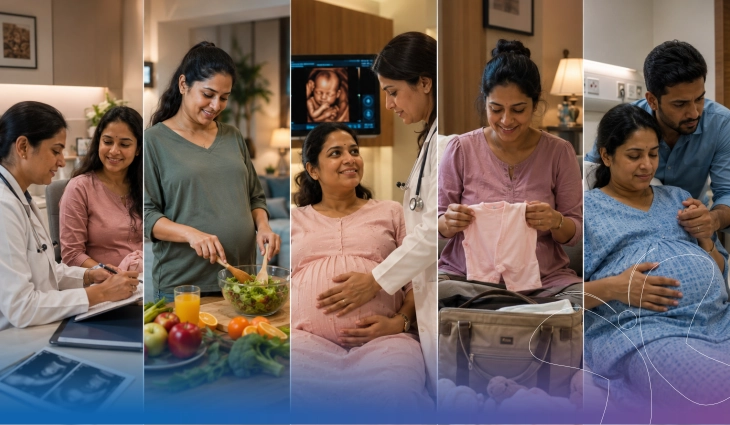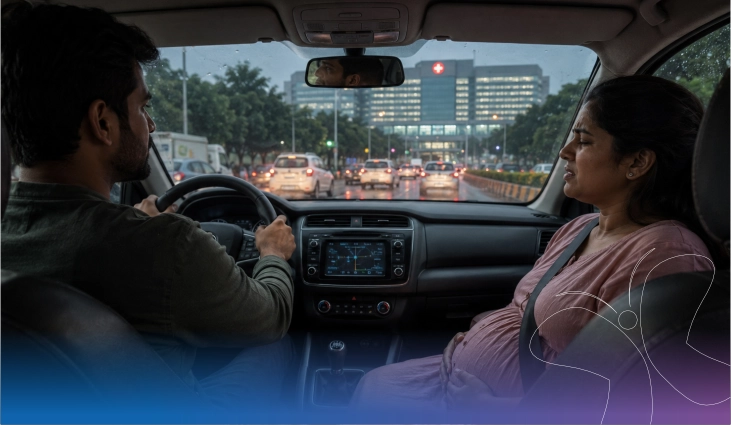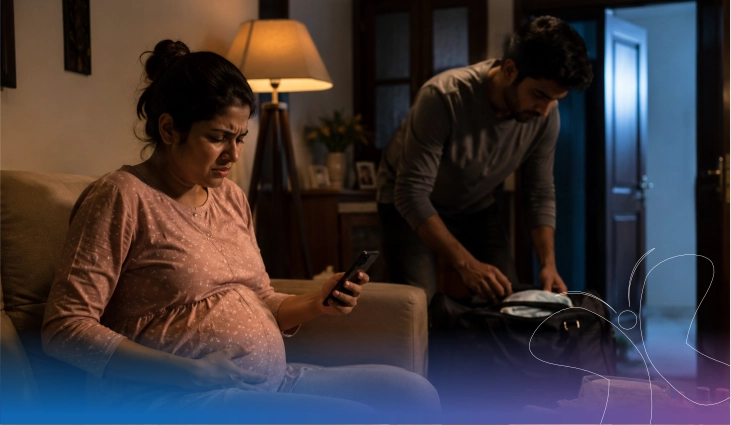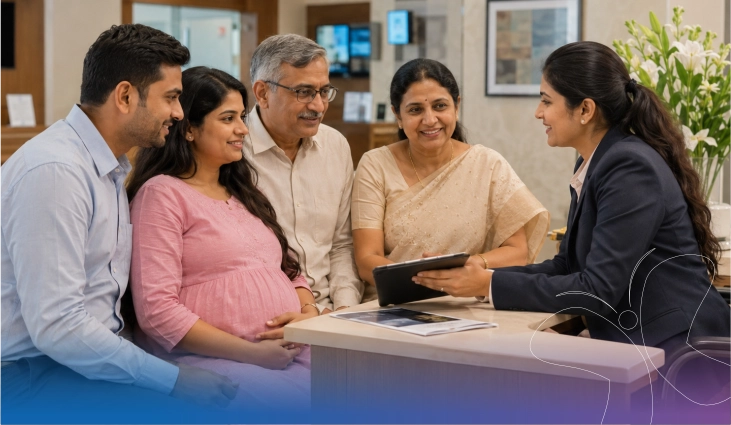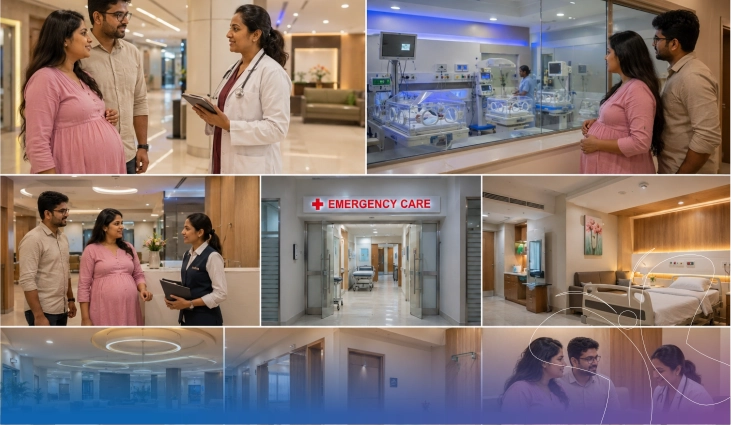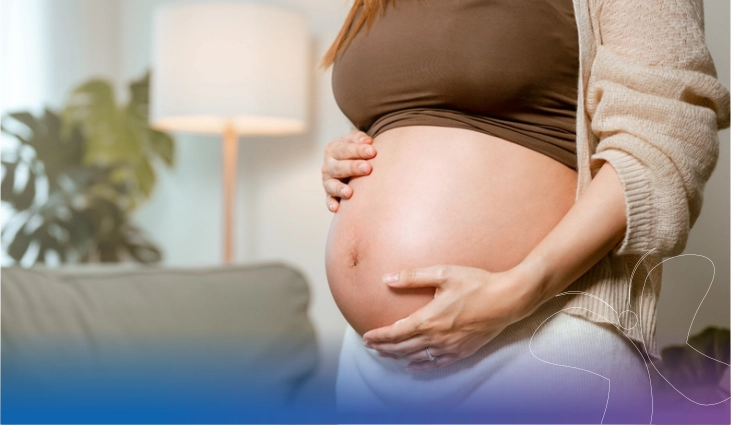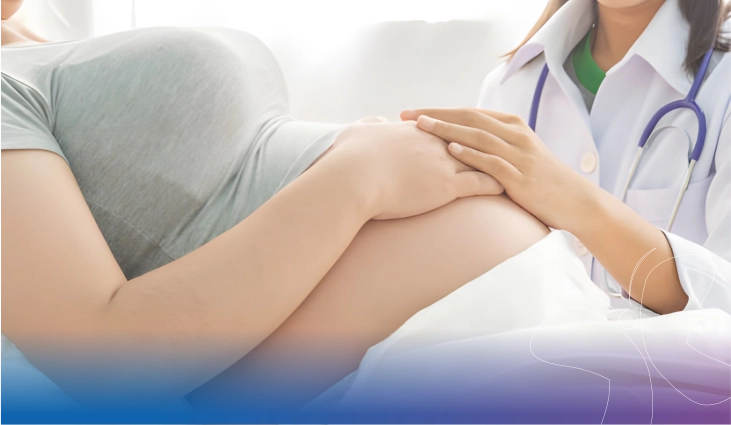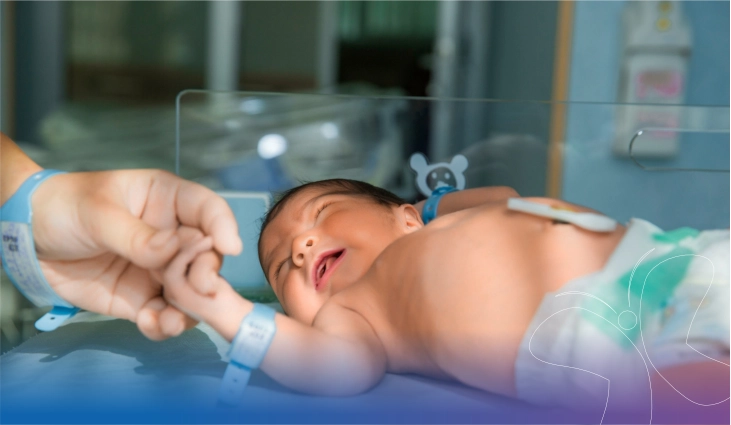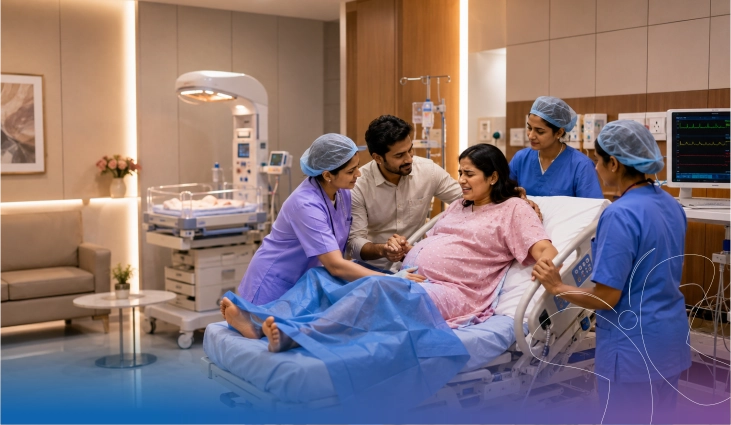
The room where a woman labours and delivers should be designed around her, not around clinical convenience. An LDR suite in Rajkot (Labour, Delivery, and Recovery) is a single room where a woman moves through active labour, delivers her baby, and begins immediate postpartum recovery without being shifted between different spaces. At Flowrence Hospital, this setup combines full clinical capability with a birthing environment designed with the mother in mind, because the setting itself has a real bearing on both outcomes and experience.
What is an LDR Suite?
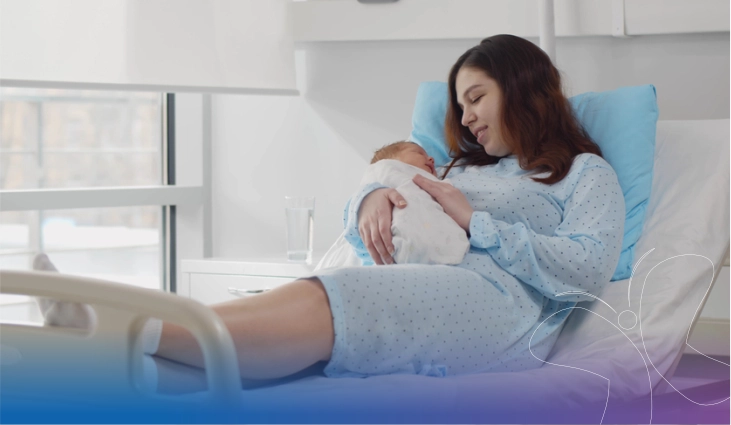
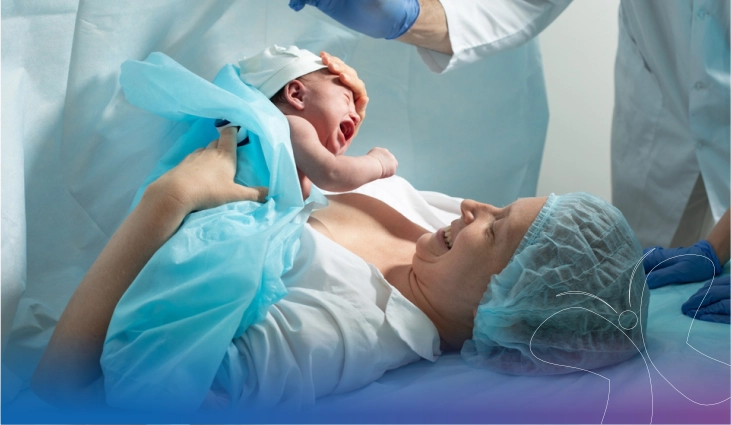
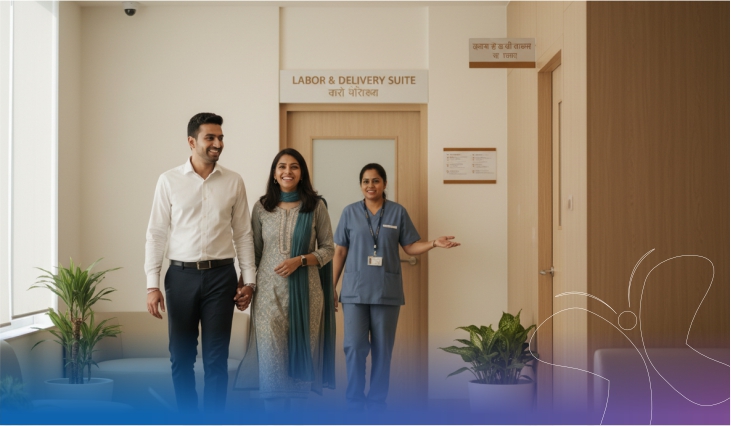
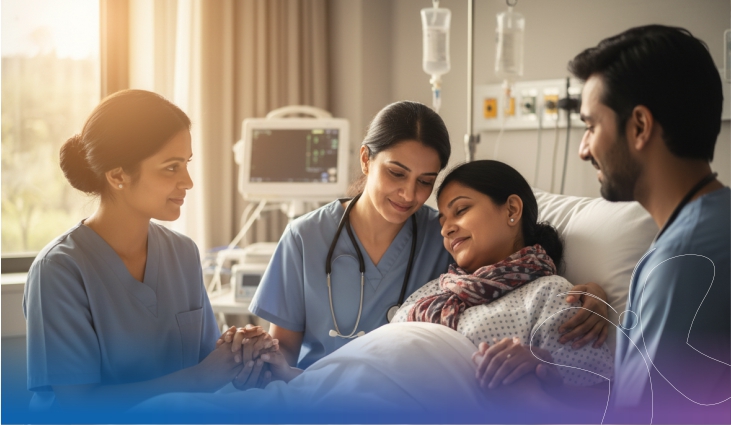
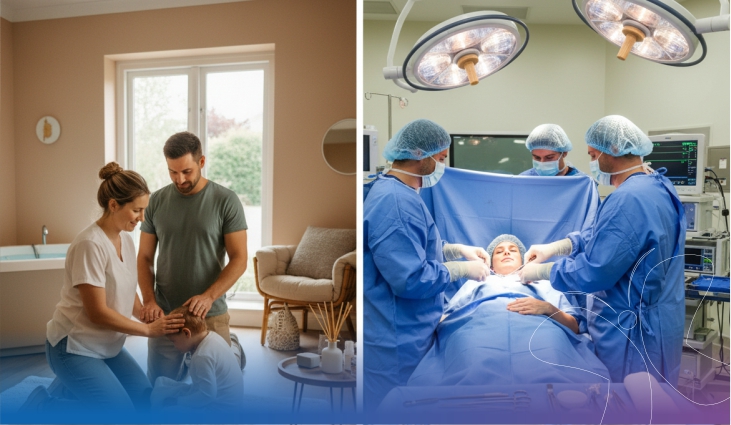
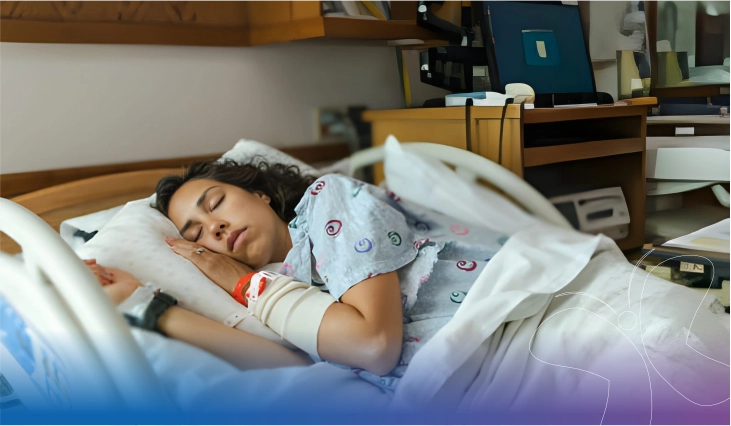
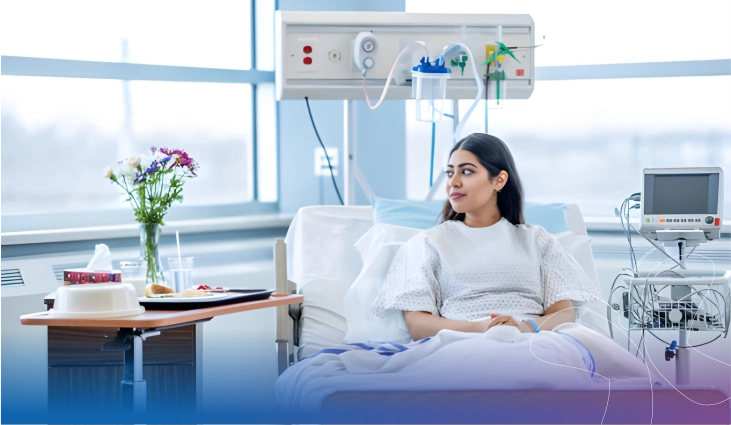
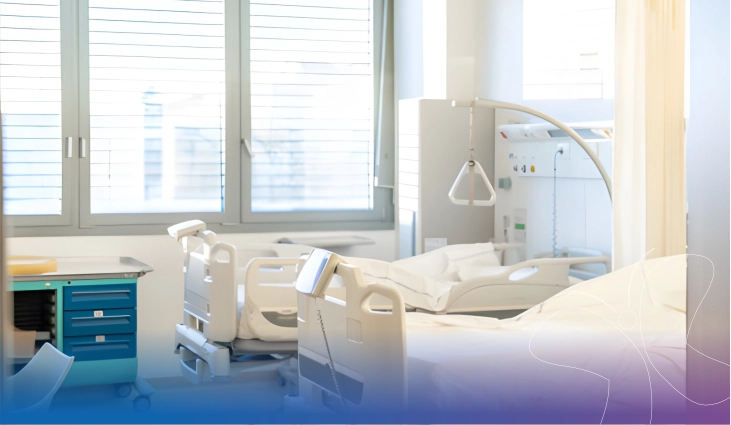
An LDR suite is a private, purpose-built room that serves simultaneously as a labour room, a delivery suite, and an immediate recovery space. It comes equipped with monitoring technology, adjustable delivery furniture, resuscitation equipment for both mother and newborn, and space for the birth partner to remain present. The main difference from a traditional setup, where a separate labour ward, a theatre-style delivery room, and a postnatal bay each serve one stage, is continuity. The woman stays in one place, the room adapts around her, and her birth partner doesn't have to step out at any point.
What Happens in the LDR Suite: Stage by Stage
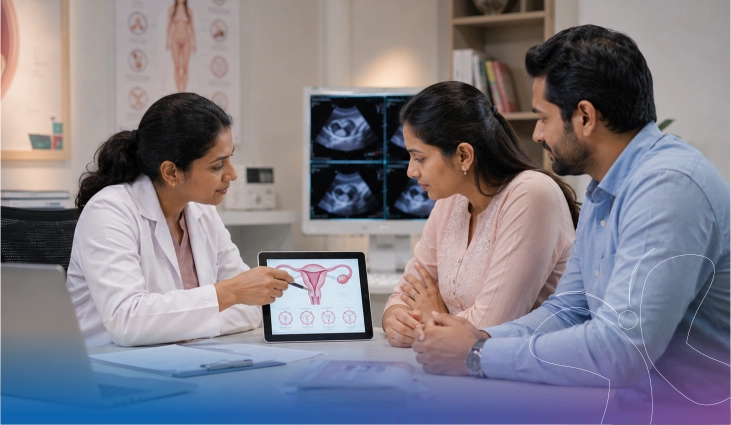
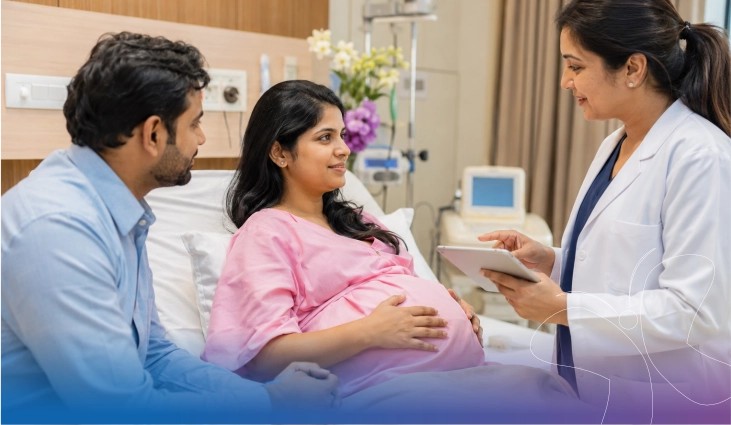
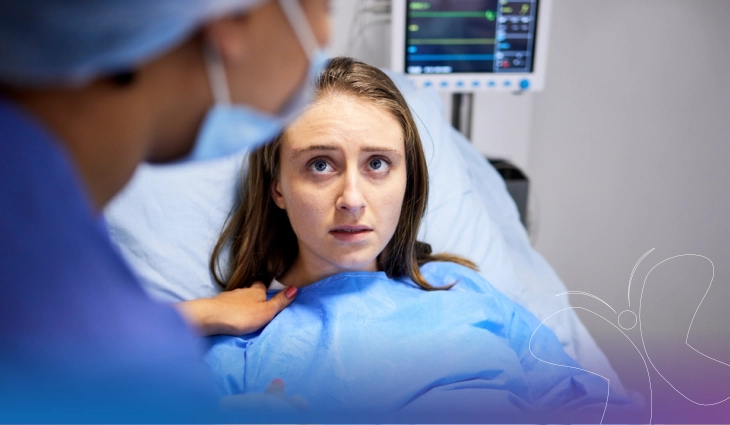
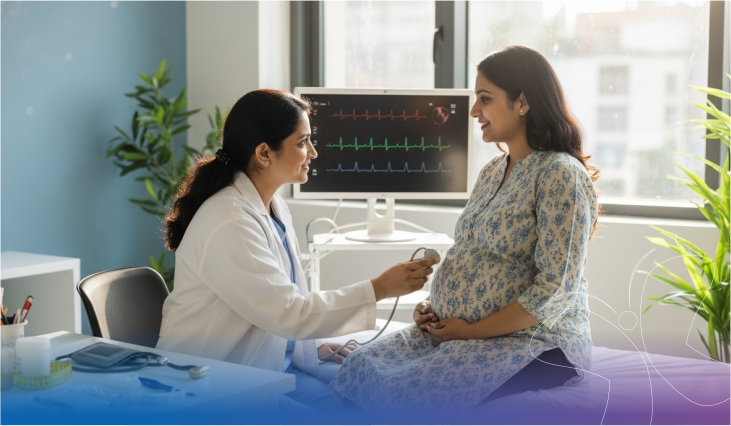
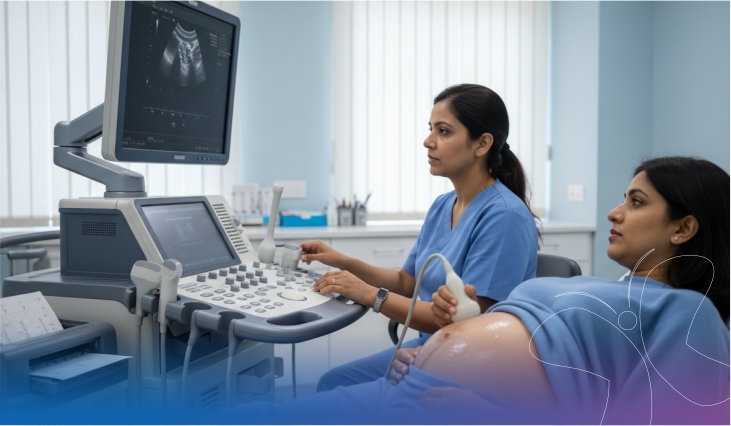
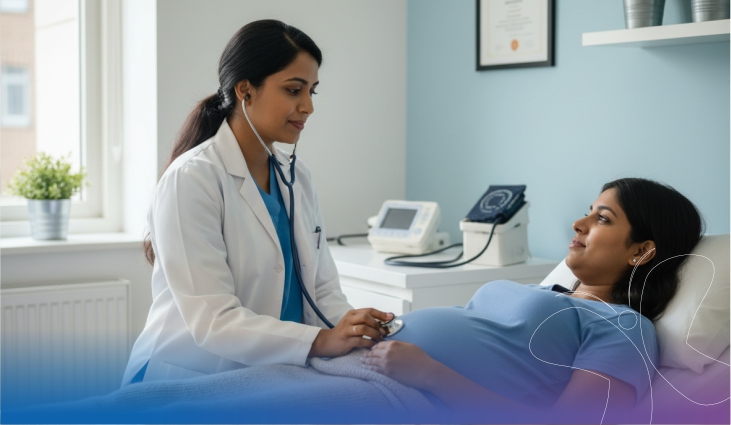
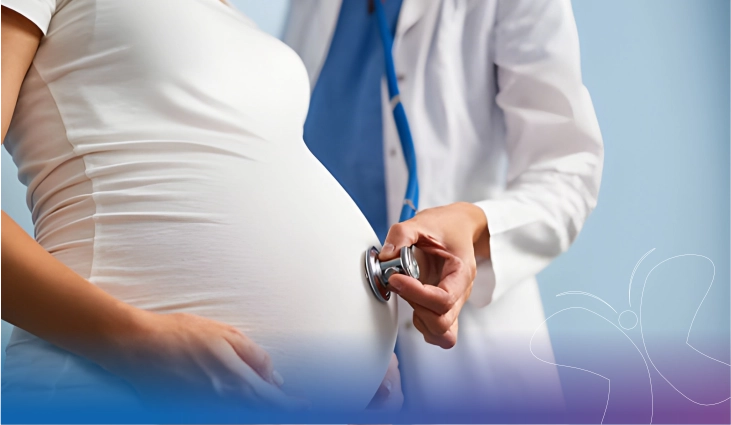
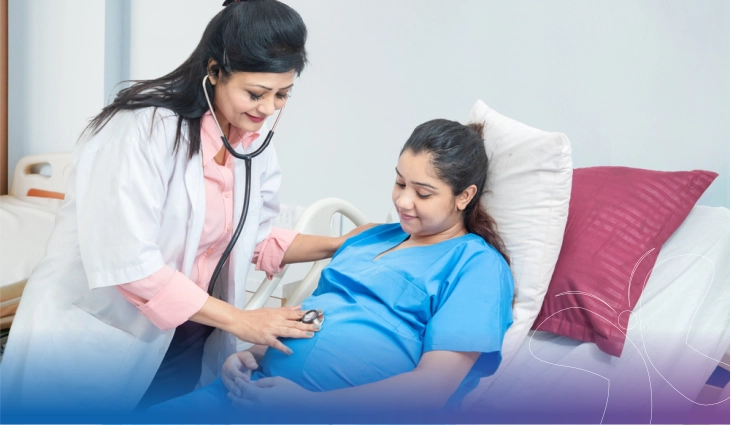
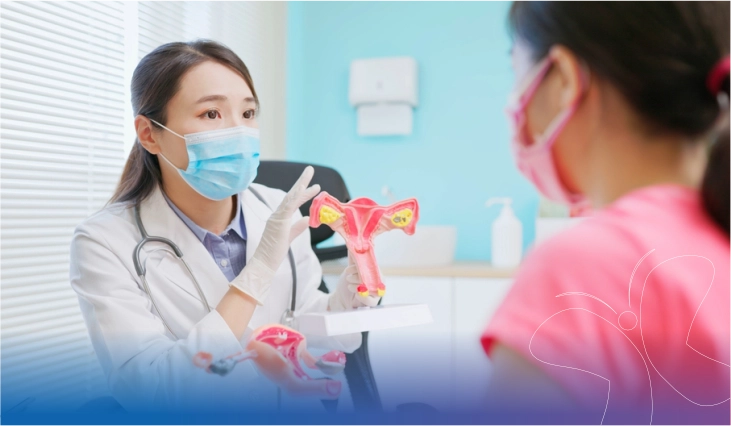
Admission and early labour begin with a clinical assessment covering cervical dilation, fetal presentation, and fetal heart rate, alongside CTG monitoring, blood pressure checks, and a review of the birth plan. The labour delivery room stays calm and private from this point onwards, which matters more than it might seem for how the rest of labour unfolds.
As contractions intensify during active labour, pain relief options become available. Breathing techniques and movement help many women manage early contractions, while others move on to entonox or epidural anaesthesia. That epidural, when needed, is placed directly within the LDR suite by Dr. Chaitanyasinh Gohil or Dr. Jayesh Patel, so there's no need to transfer to a separate procedure room mid-labour.
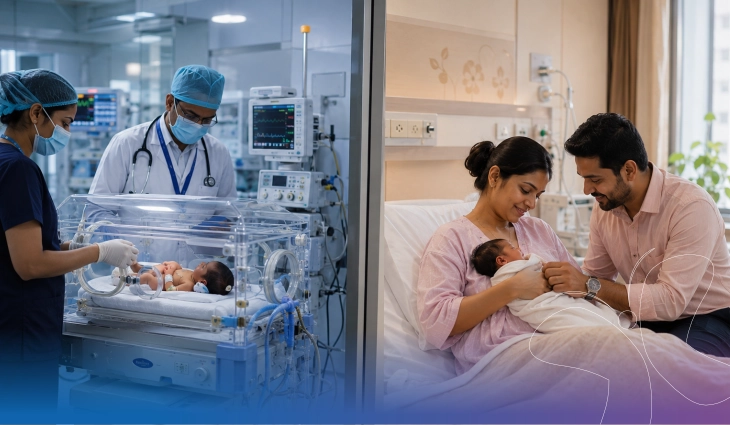
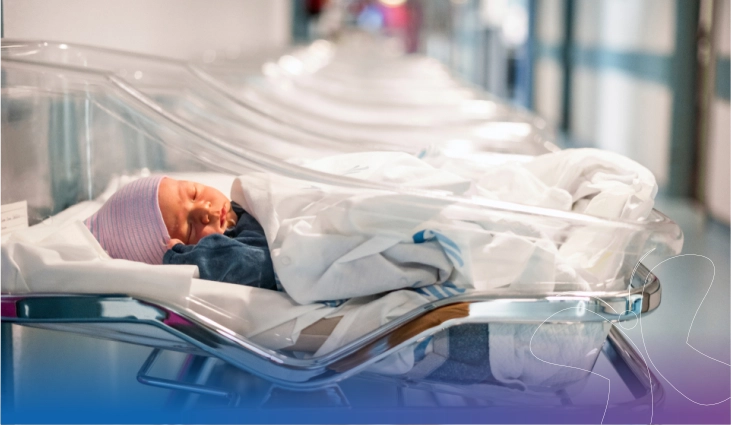
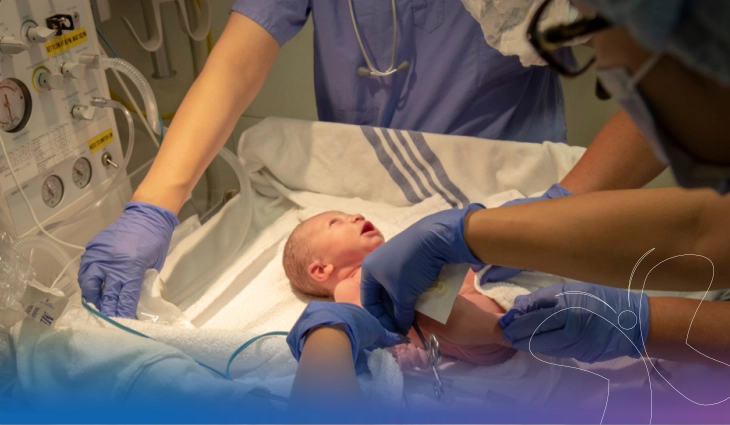
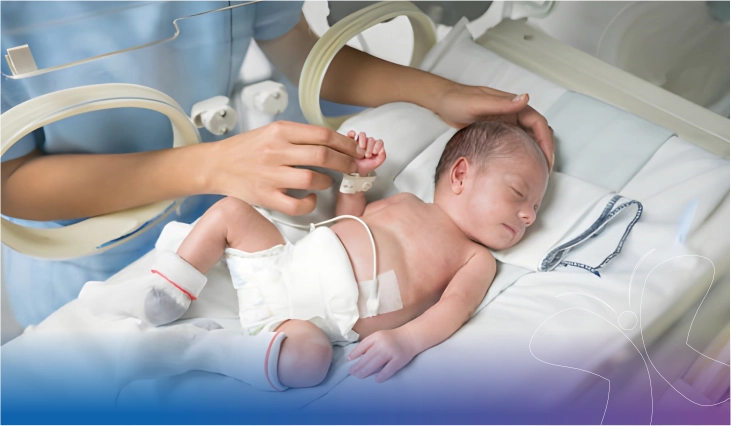
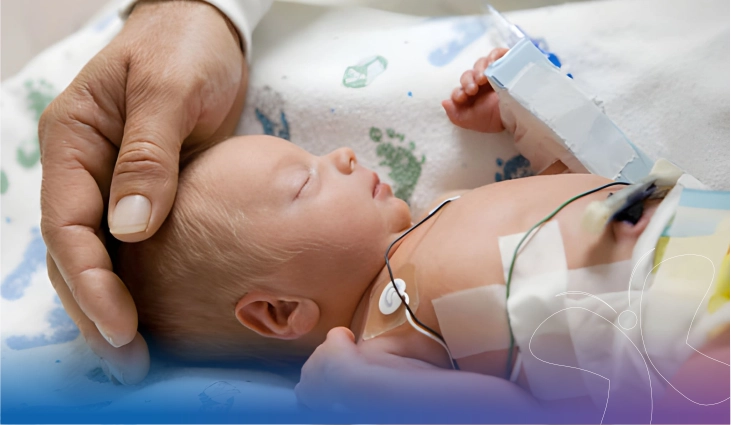
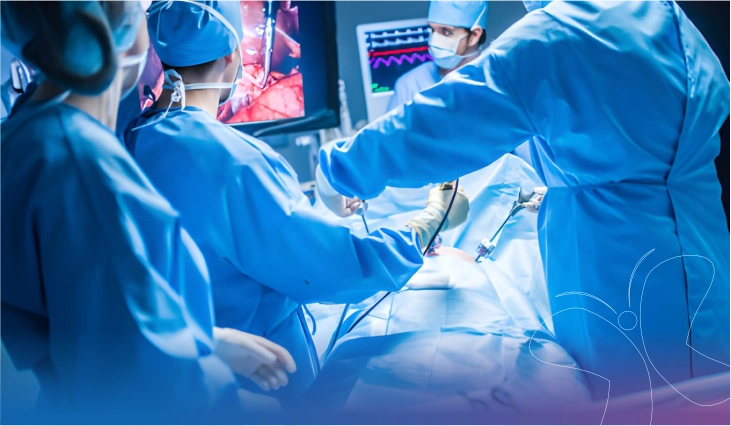
Once the second stage begins, the room is reconfigured for delivery. Equipment for assisted delivery and newborn resuscitation is kept nearby throughout. The obstetrician, midwife, and Dr. Dharmesh Oza, the neonatologist, are all available within the same space, which is one of the reasons this approach has become associated with the best delivery hospital in Rajkot.
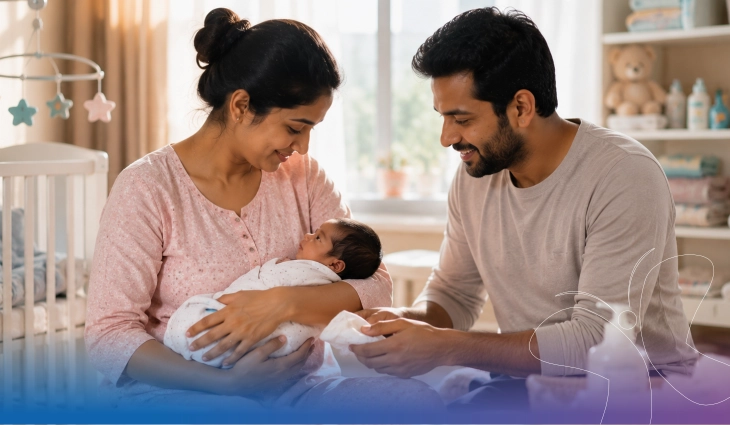
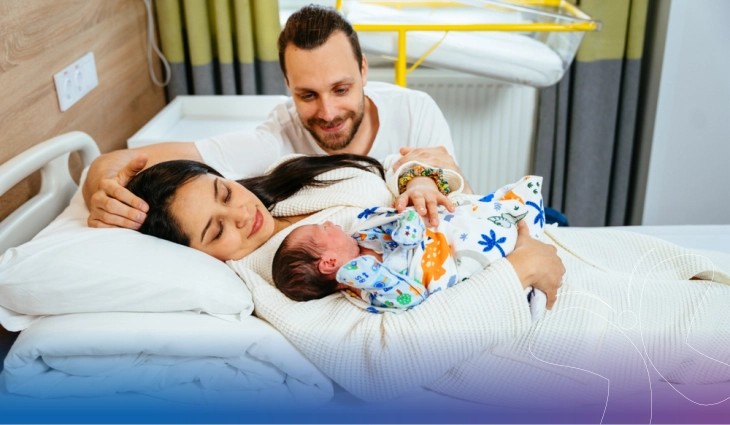
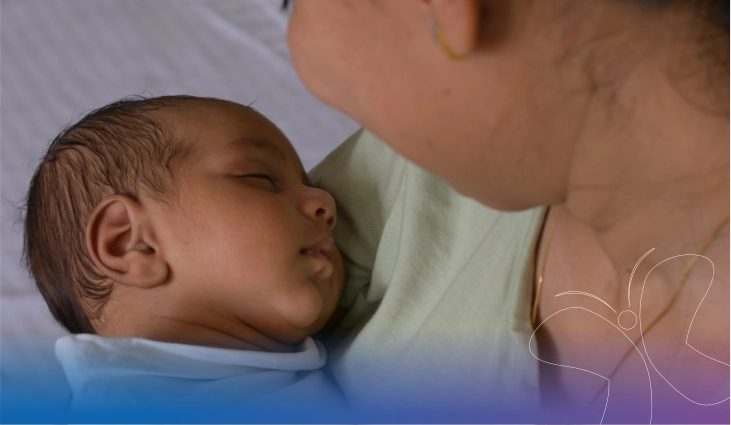
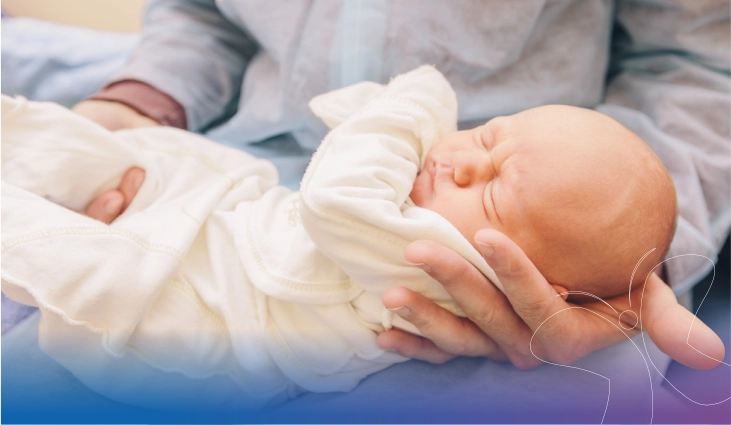
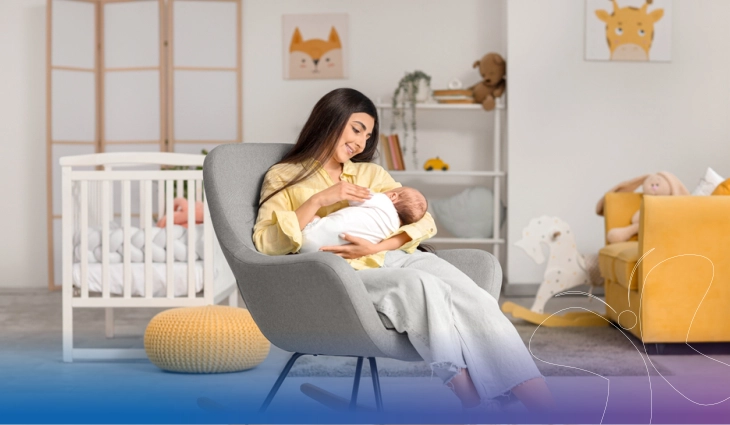
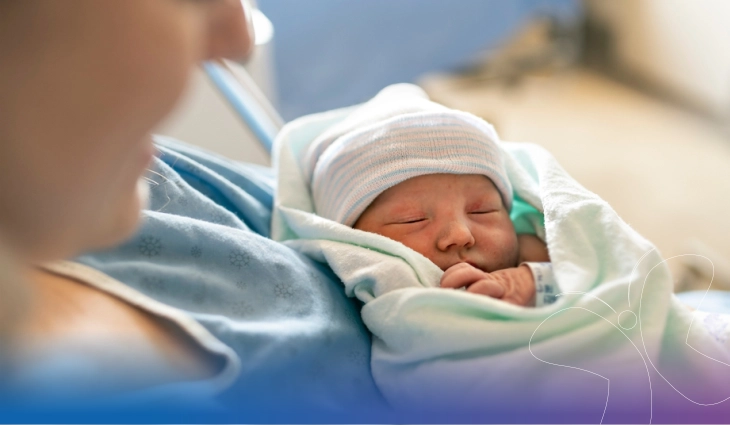
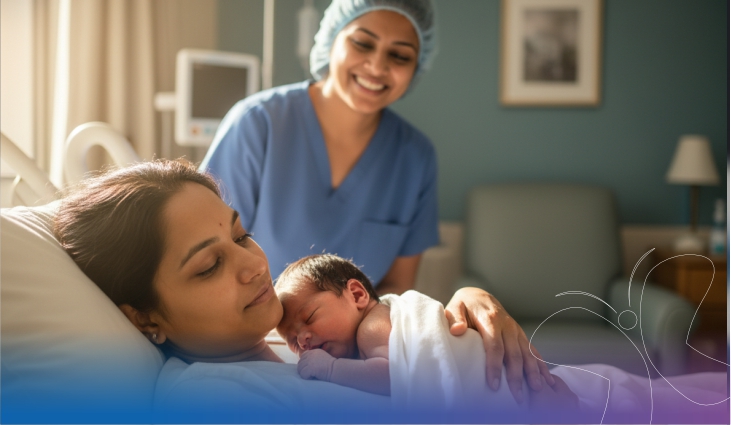
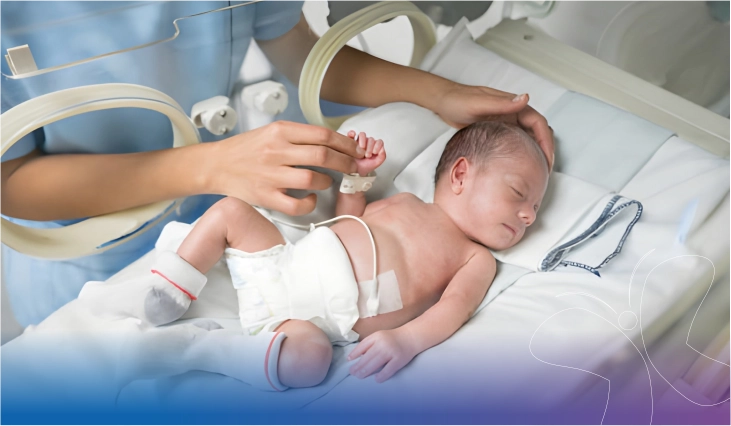
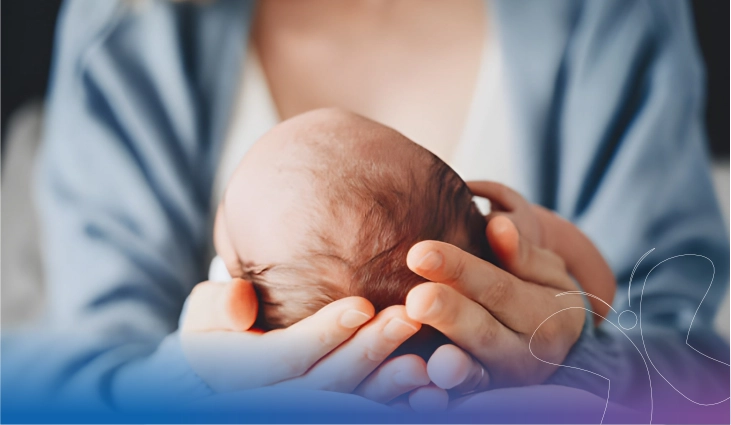
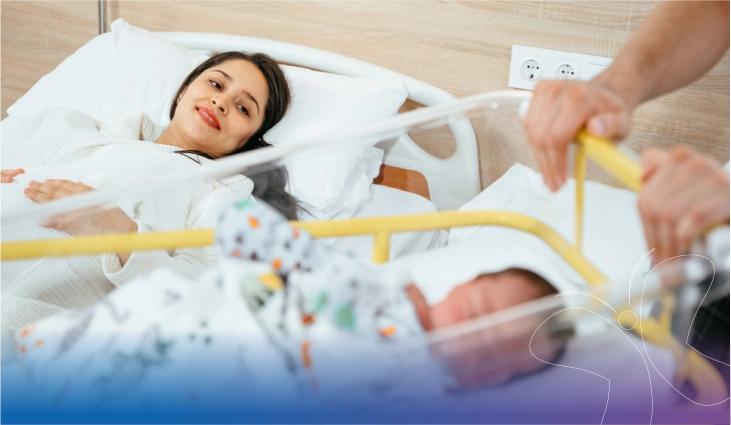
Immediate recovery follows without a room change. Skin-to-skin contact, breastfeeding initiation, placental delivery, perineal repair if needed, and postpartum monitoring all take place in the same location as the delivery. There's no transfer out until the mother is stable and the newborn period is properly established.
Why the LDR Model Benefits Mothers
Continuity does more than reduce logistical disruption. Maternal stress hormones directly affect both how labour progresses and how pain is experienced, so familiar surroundings, a consistent care team, and a chosen birth partner tend to ease both the emotional experience and the physiological course of labour itself. The immediate skin-to-skin contact that follows, uninterrupted by a room transfer, supports early breastfeeding and newborn bonding, outcomes that matter long after the birth day. This is a large part of why hospitals aiming to be the best delivery hospital in Rajkot have shifted to the LDR model in the first place.
Conclusion
An LDR suite in Rajkot keeps labour, delivery, and recovery within one continuous, familiar space, cutting down on disruption at a time when calm matters more than almost anything else. Flowrence Hospital's LDR suite is built around this idea, with a full clinical team present throughout every stage. Expecting mothers can ask about the LDR option during their antenatal visits to understand how it would work for their delivery plan.