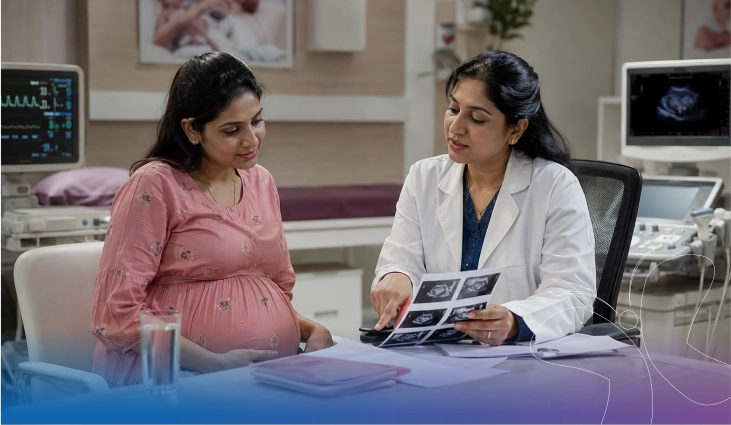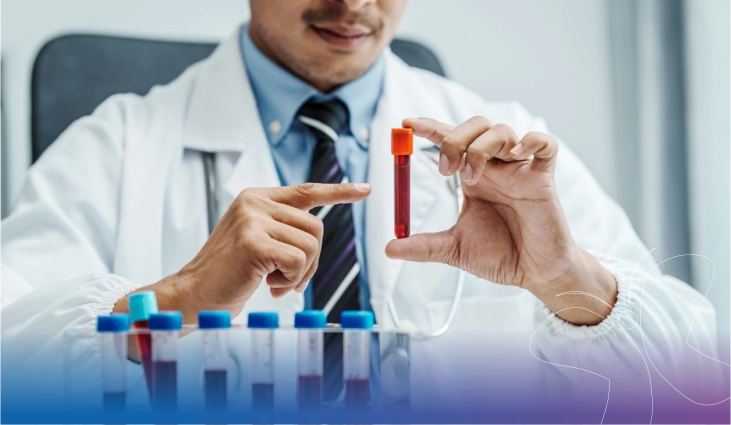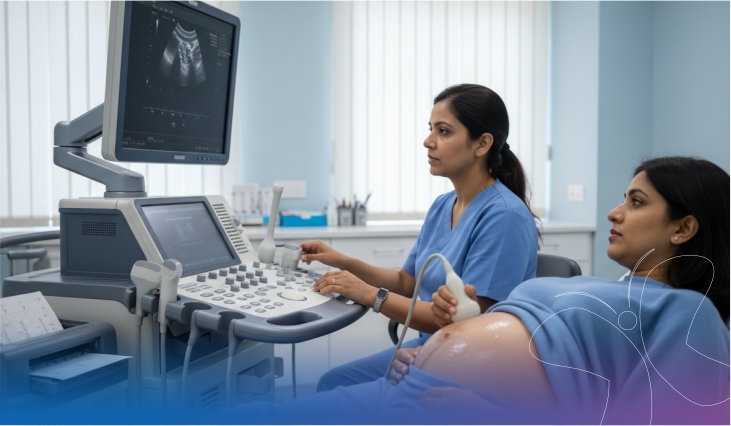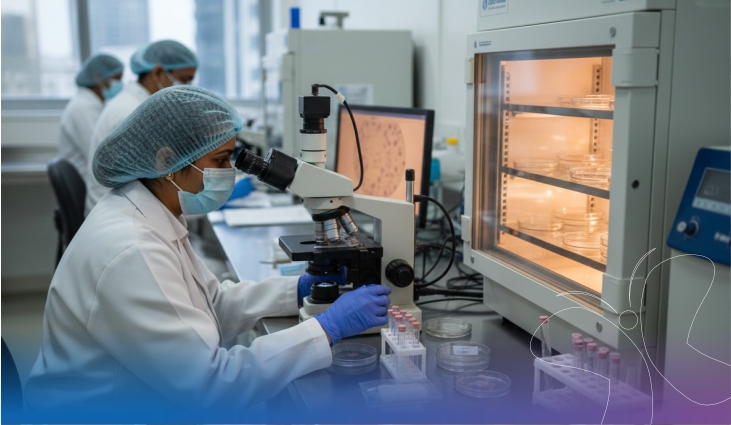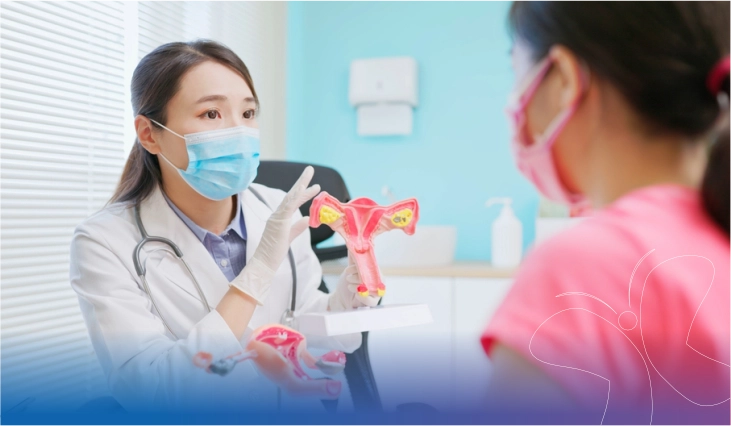
When a couple struggles to conceive, attention often falls disproportionately on the woman. The clinical reality is different: male factor infertility contributes to 40–50% of all cases, and in another 20%, both partners have contributing factors. Investigating only one partner delays diagnosis and delays proper treatment. A semen analysis is the most useful first step quick, non-invasive, and able to identify a significant share of fertility problems that might otherwise go unrecognised for months. At Flowrence Hospital, a fertility hospital near me in Rajkot, we offer a complete assessment for both partners in one place, so no couple has to wait longer than necessary to understand what's really going on.
Common Causes of Male Infertility
Varicocele
Enlarged scrotal veins raise testicular temperature and impair sperm production. This condition is the most common surgically correctable cause of male infertility, and varicocelectomy produces measurable improvement in a significant proportion of men. Left unaddressed, it can gradually worsen sperm quality over time, which is why early diagnosis through a scrotal ultrasound is valuable.
Hormonal Imbalances
Low testosterone, elevated prolactin, and thyroid dysfunction can all affect sperm production. Blood tests identify these quickly, and most respond well to medication. Often, correcting the underlying hormonal issue restores natural fertility without needing more invasive treatment.
Infections & Genetic Factors
Sexually transmitted infections and orchitis can cause scarring that blocks sperm transport. Klinefelter syndrome and Y-chromosome microdeletions affect sperm production at a fundamental level. Genetic testing identifies these when standard investigation doesn't explain the problem, giving couples clarity even in complex cases.
Lifestyle Factors
Smoking reduces sperm count and motility. Alcohol, anabolic steroids, prolonged heat exposure, obesity, and psychological stress all negatively affect sperm parameters. Even small, sustained changes quitting smoking, moderating alcohol, managing weight can shift semen parameters in a positive direction. Lifestyle change is usually the first recommendation from any infertility specialist in Rajkot, precisely because it's low-risk and often effective.
Ejaculatory Disorders
Retrograde ejaculation and ejaculatory duct obstruction prevent sperm from reaching a partner. Both are diagnosable and manageable with the right assessment, and treatment options range from medication to minor surgical correction depending on the underlying cause.
Symptoms of Male Infertility
Male infertility is largely silent the only definitive indicator is an abnormal semen analysis. Associated signs can include low libido or erectile difficulty, pain or swelling in the testicular area, reduced facial or body hair, or a history of undescended testes or groin surgery. Many men have no symptoms at all despite an underlying issue. It's not worth waiting for symptoms to appear; a semen analysis is the right first screen for any couple trying to conceive, especially if conception hasn't occurred after a year of regular attempts.
Modern Male Infertility Treatment in Rajkot
Lifestyle Modification
Stopping smoking, cutting down alcohol, reaching a healthy BMI, and avoiding heat exposure can meaningfully improve sperm parameters within about three months roughly one full sperm production cycle. This makes lifestyle change one of the most cost-effective first interventions available.
Medical Treatment
Hormonal imbalances are corrected with medication, infections are treated with antibiotics, and specific medications can improve sperm parameters where indicated. Treatment is tailored to what the diagnostic workup actually reveals, rather than applied generically.
Surgical Options
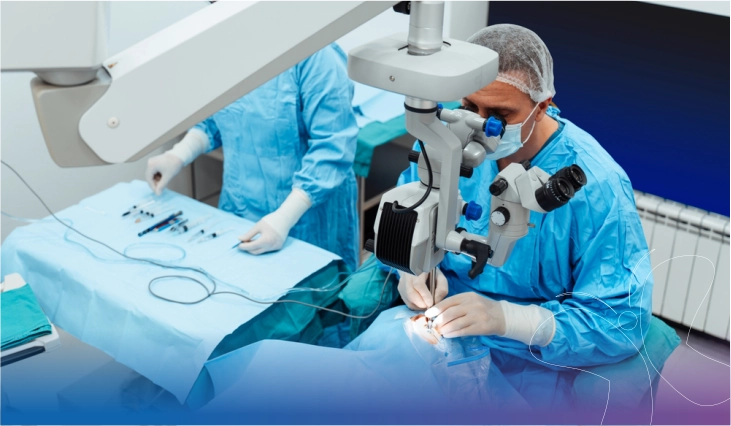
Varicocelectomy corrects varicocele. Surgical sperm retrieval (TESE or PESA) obtains sperm directly from the testis or epididymis for use in IVF/ICSI when ejaculated sperm is absent. These procedures have opened treatment pathways for men who, a generation ago, would have had very few options.
IVF with ICSI
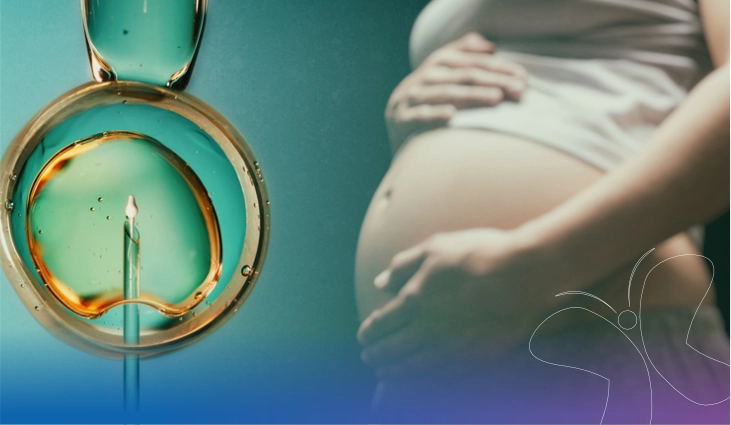
Intracytoplasmic sperm injection allows fertilisation using a single viable sperm, transforming outcomes for couples where severe male factor infertility was previously untreatable. The best fertility doctor in Rajkot will recommend ICSI when semen parameters indicate it's needed, not as a routine add-on to every cycle a distinction that matters both clinically and financially for couples.
Conclusion
Male infertility is common, treatable, and too often overlooked in the diagnostic process. A simple semen analysis is usually the first step toward a diagnosis, and effective treatment options are available for most identified causes of male infertility. Flowrence Hospital offers complete male and female fertility assessment under one roof for couples ready to take that first step.