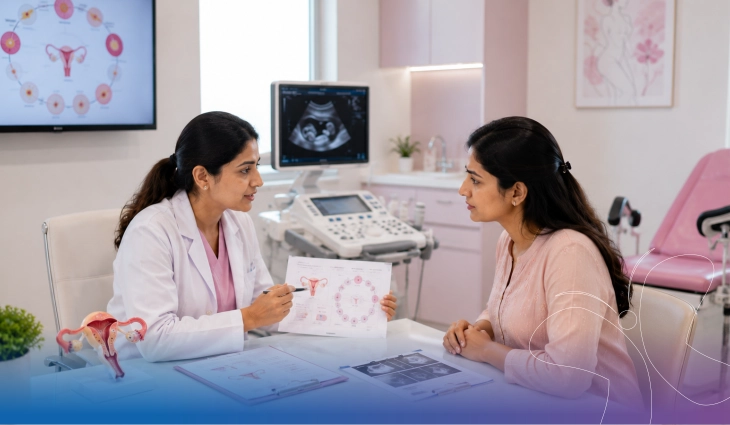
A missed period usually brings one thought first, pregnancy. When the test comes back negative, the next explanation people reach for is stress. And stress genuinely can throw off a menstrual cycle. But it's far from the only cause, and "it's probably just stress" isn't something that should go unexamined once periods stay irregular for more than two or three months. A delayed or absent period is a symptom, not a diagnosis on its own. At Flowrence Hospital, delayed period treatment in Rajkot starts with proper investigation rather than a quick prescription handed out without understanding why the cycle changed in the first place.
What Counts as a Delayed Period?
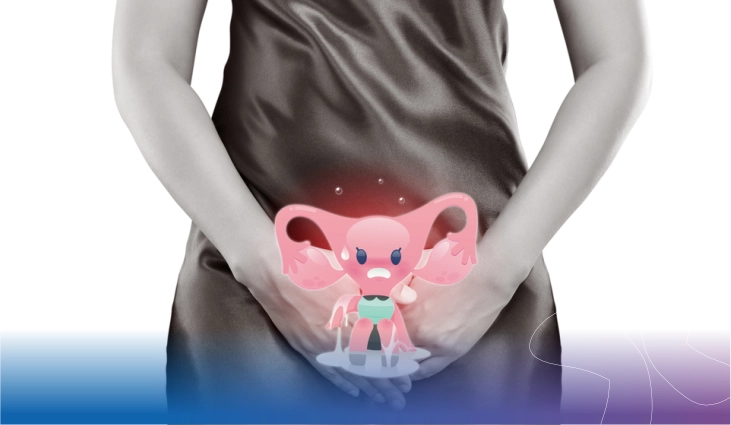
A normal menstrual cycle falls somewhere between 21 and 35 days. Oligomenorrhoea, cycles longer than 35 days or fewer than nine periods across a year, is considered clinically significant. Secondary amenorrhoea, where periods that were once regular stop altogether for three months or more, is worth investigating too. A period arriving a week late after a genuinely stressful month is normal and not something to worry about. A pattern that keeps repeating month after month is a different matter.
Common Causes of Delayed Periods
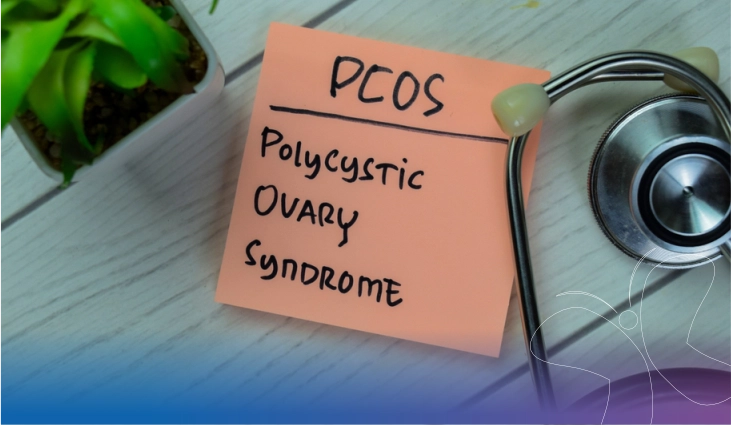
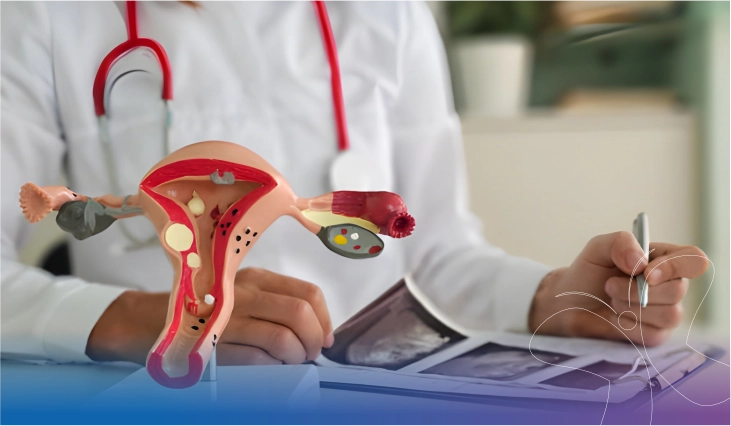
- PCOS (Polycystic Ovary Syndrome) — the most common cause of irregular periods in women of reproductive age, involving disrupted ovulation, elevated androgens, insulin resistance, and a characteristic ovarian appearance on ultrasound, often alongside weight gain, acne, and excess hair growth. Menstrual disorder treatment for PCOS is shaped by what the woman wants out of it, whether that's cycle regulation, fertility, or metabolic management.
- Thyroid disorders — both an underactive and overactive thyroid can disrupt periods, with hypothyroidism in particular causing heavy, irregular, or infrequent bleeding. It's diagnosed with a simple TSH test and treated with levothyroxine, after which cycles usually normalise within a few months.
- Hyperprolactinaemia — elevated prolactin, from a pituitary adenoma or as a medication side effect, suppresses ovulation and can cause missed periods along with milk production unrelated to pregnancy. A blood prolactin test, followed by a pituitary MRI if levels are high, confirms it, and cabergoline restores ovulation in most cases.
- Premature Ovarian Insufficiency (POI) — the ovaries stop functioning normally before age 40, with elevated FSH, low AMH, and oestrogen deficiency symptoms like hot flushes and vaginal dryness. It requires hormone replacement therapy to protect bone density and cardiovascular health.
- Stress and hypothalamic amenorrhoea — genuine causes, but they are diagnosed only after excluding other potential causes. Physical and psychological stress suppress the hormonal signals needed for ovulation, and it's common in athletes and those with eating disorders. It generally reverses with nutritional rehabilitation and reduced training load. At the best gynecologist hospital in Rajkot, this diagnosis is confirmed only after PCOS, thyroid disease, and structural causes are ruled out.
When to See a Gynecologist
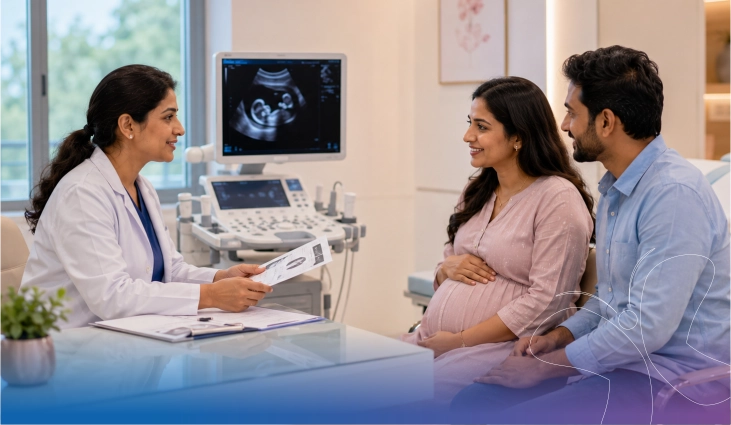
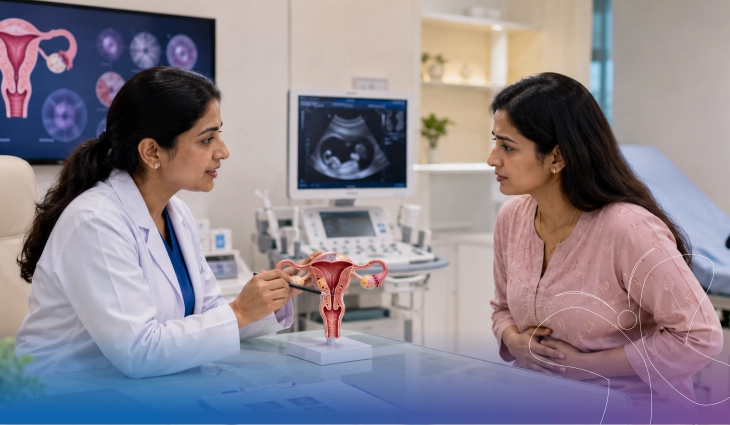
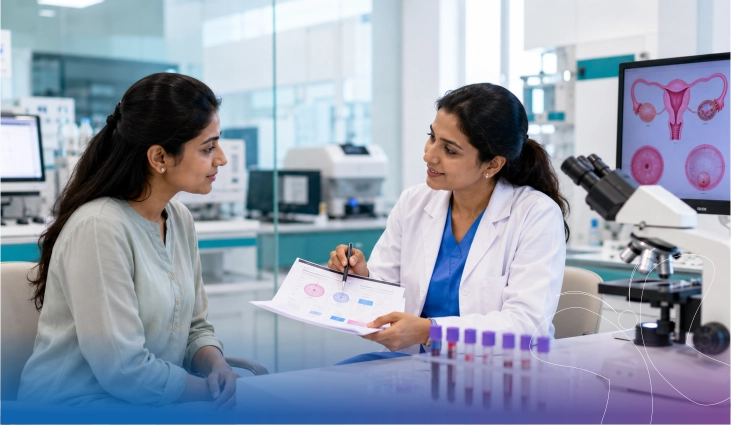
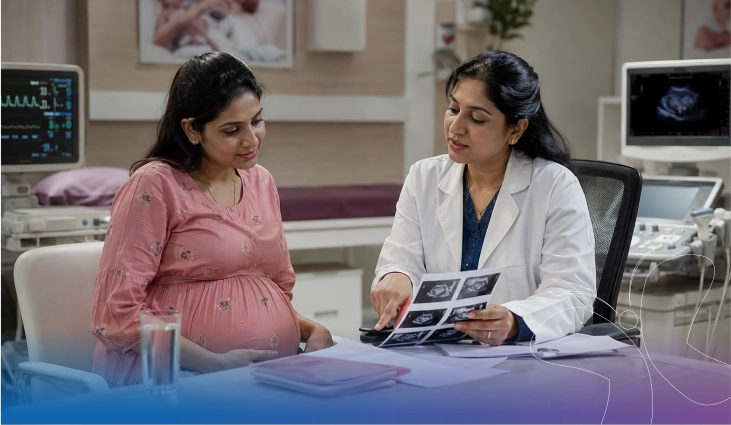
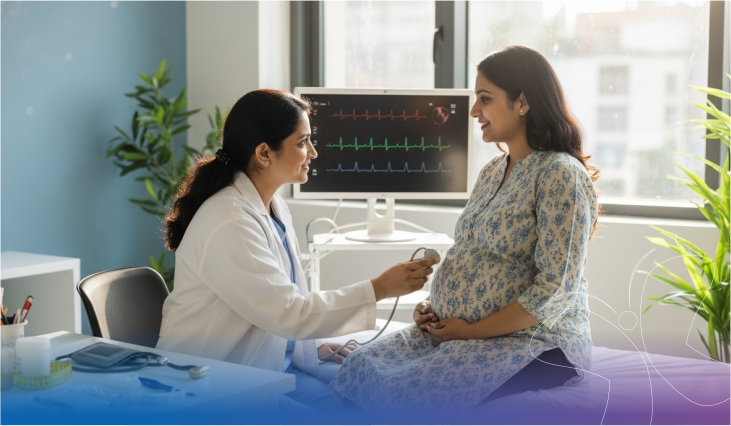
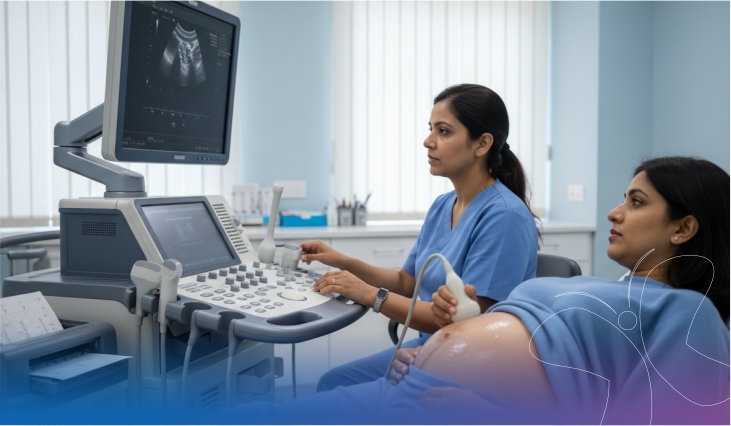
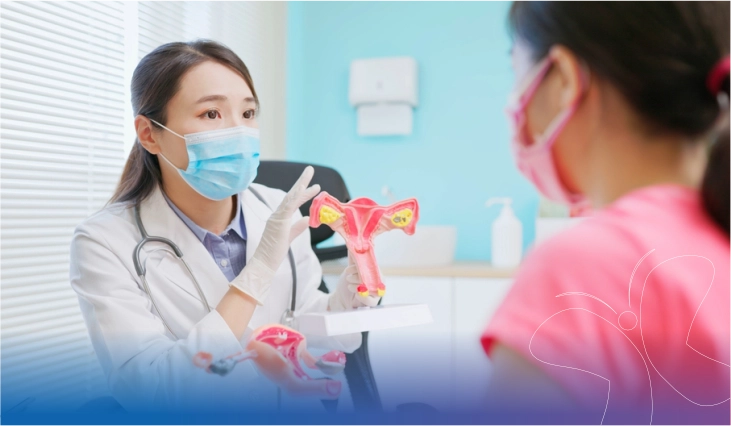
It's worth searching for a gynecologist near me if periods have been absent for three months or more, if cycles are consistently shorter than 21 days or longer than 35, if there are accompanying symptoms like acne, excess hair growth, nipple discharge, hot flushes, or unexplained weight change, or if conception is being attempted alongside irregular cycles. At Flowrence Hospital, the initial assessment covers a clinical history and a hormonal panel including FSH, LH, oestradiol, prolactin, TSH, and AMH, along with a transvaginal ultrasound, which together identify the underlying cause in most cases at the very first visit.
Conclusion
Delayed or irregular periods deserve a proper look rather than being written off as stress, especially once the pattern has persisted for a few months. Delayed periods treatment in Rajkot at Flowrence Hospital begins with a thorough hormonal and ultrasound workup, so the actual cause gets addressed instead of just the symptom on the surface.