Understanding Pelvic Health
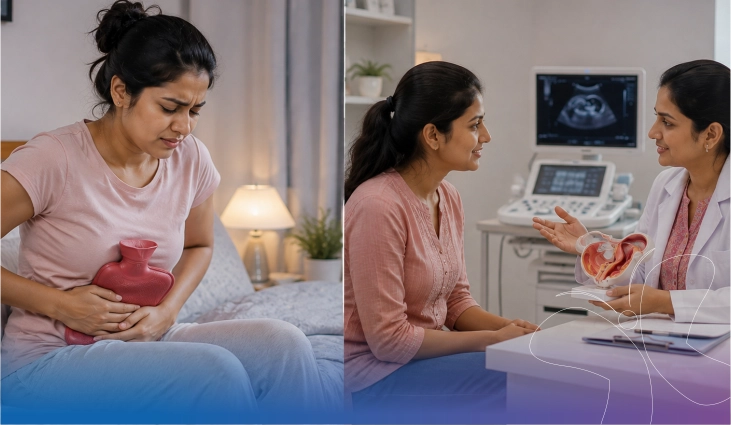
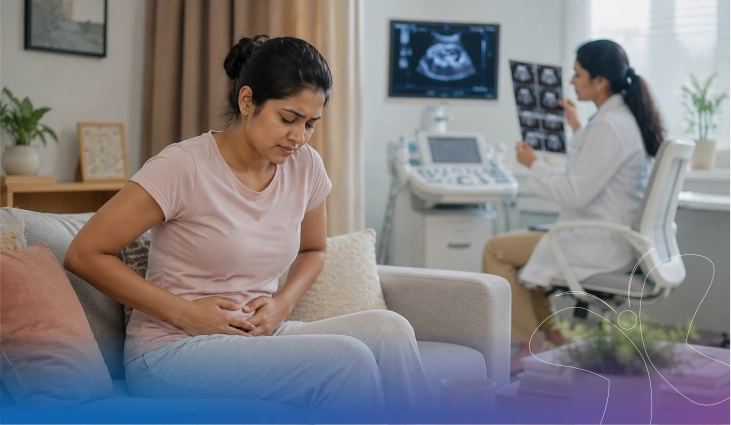
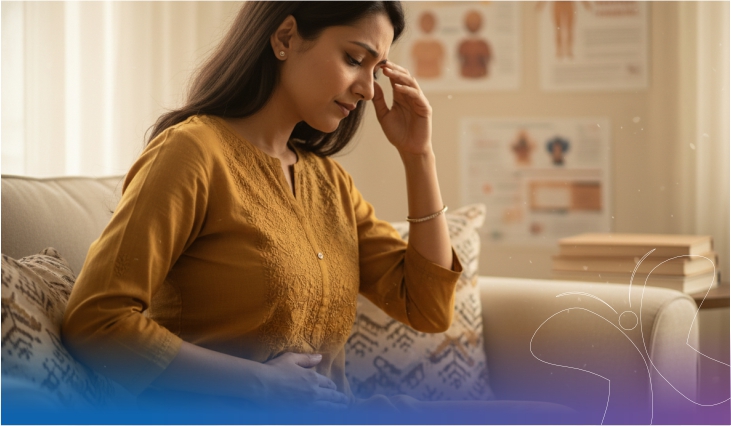
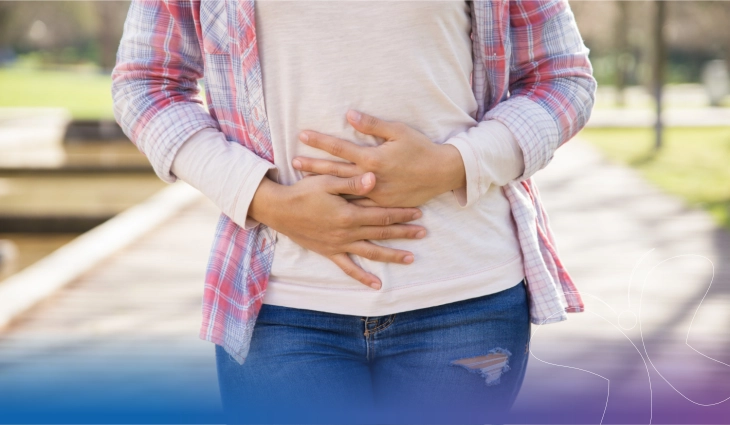
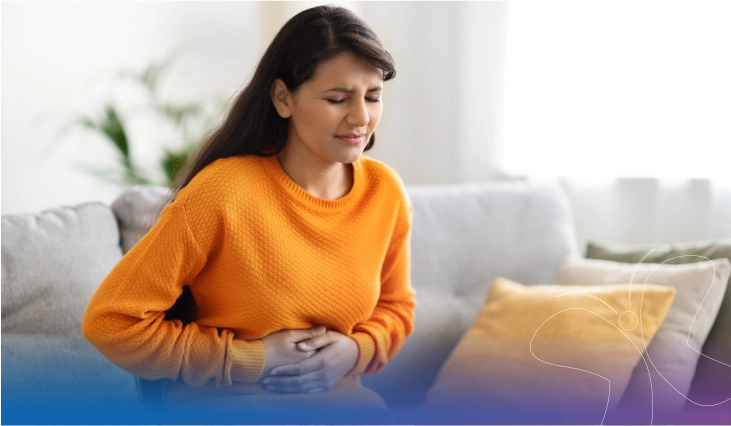
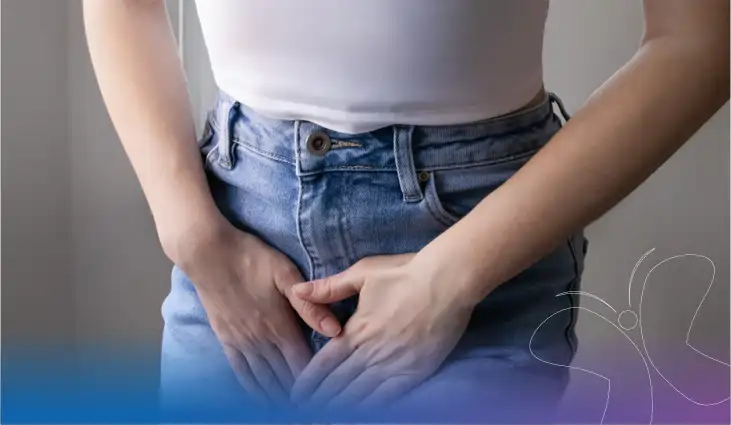
Pelvic floor health rarely comes up in conversation until something feels off, a small leak after a sneeze or a heaviness that wasn't there before. It affects far more women than most people realise, and understanding it early makes both prevention and treatment noticeably easier.
What Causes Pelvic Floor Weakness
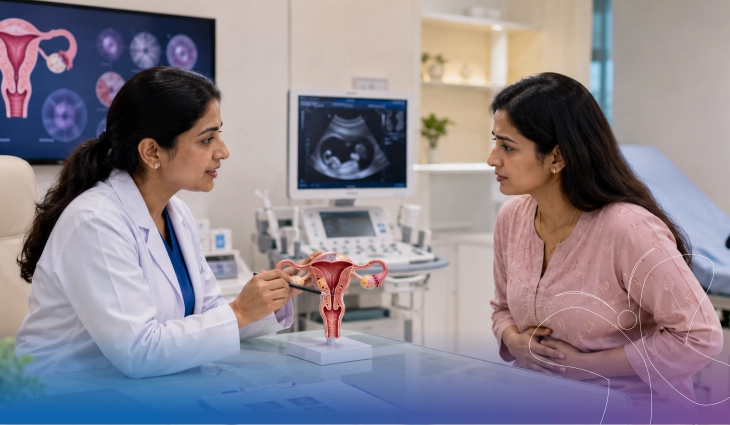
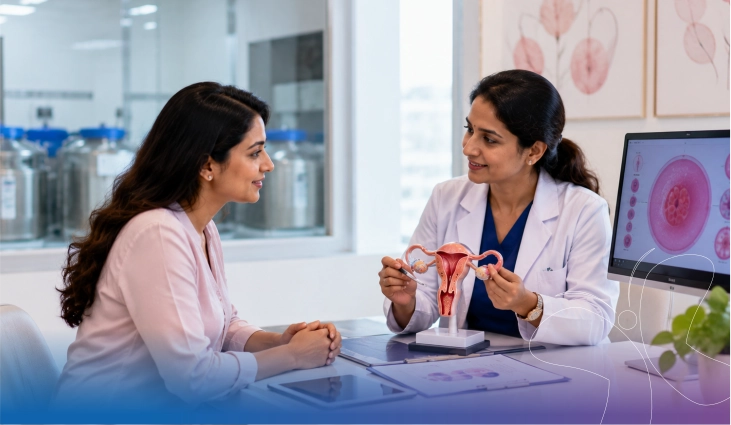
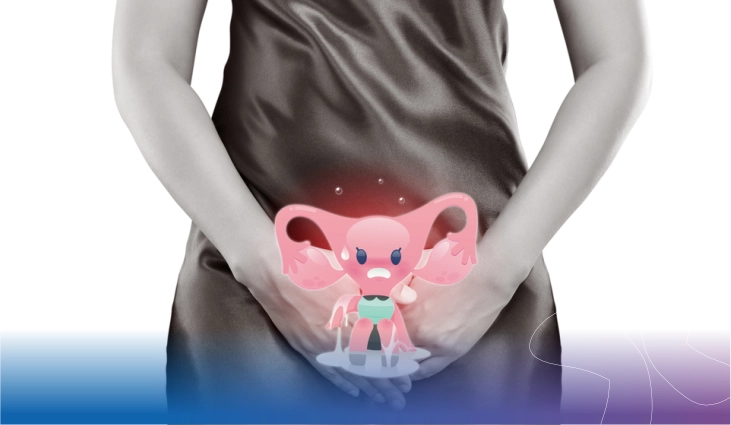
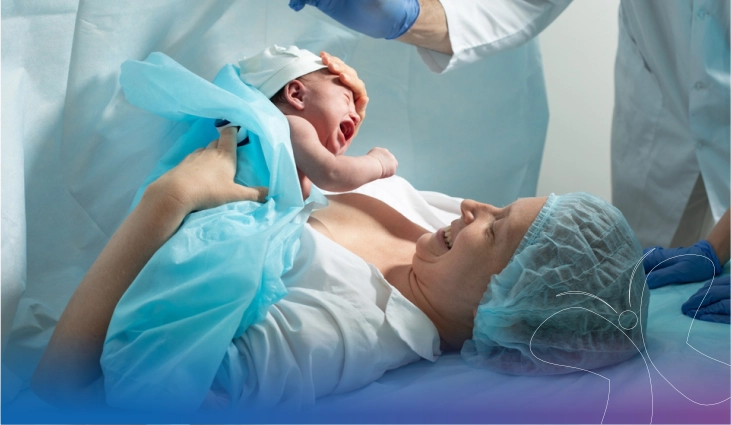
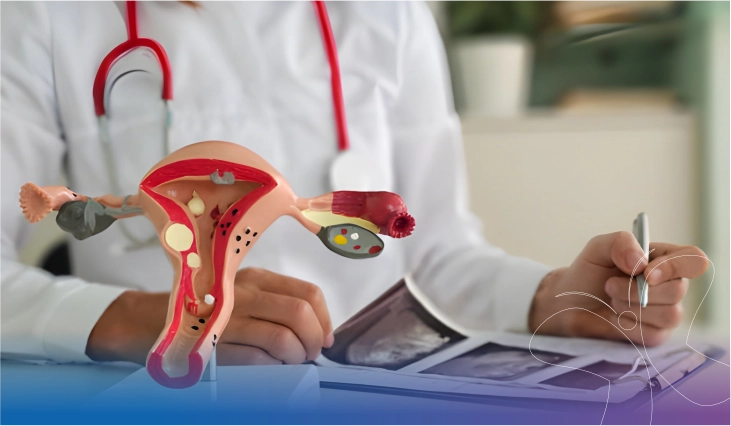
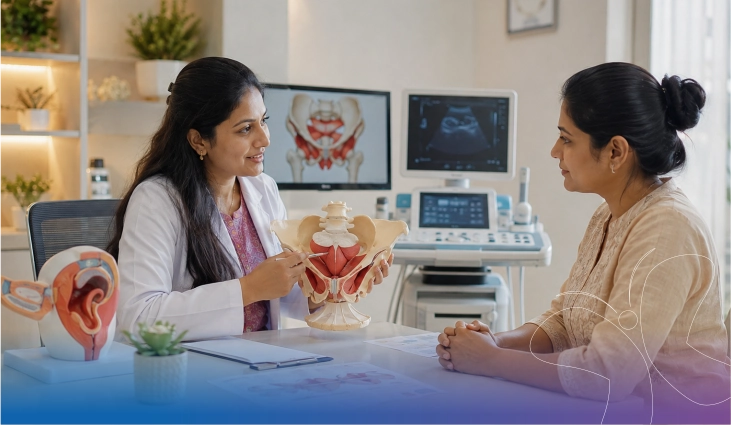
The pelvic floor muscles support the bladder, uterus, and bowel. Like any other muscle group, they can weaken over time after childbirth, with age, or from repeated heavy lifting.
It rarely announces itself dramatically. More often it starts small: a slight leak while laughing or a faint sense of pressure, long before it becomes something that interferes with daily life.
Think of the pelvic floor as a hammock cradling the pelvic organs, working alongside the deep core and back muscles to handle pressure from a sneeze, a heavy bag, or a workout. When that hammock loses its tone, the effects can show up in places that don't seem obviously connected, lower back pain and bladder symptoms often trace back to the same underlying weakness.
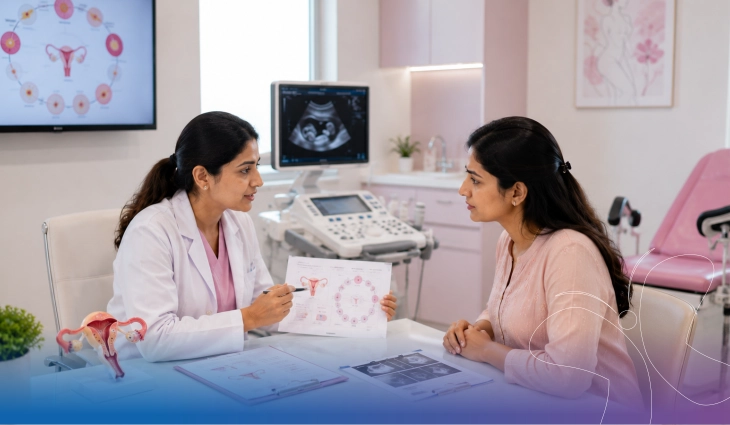
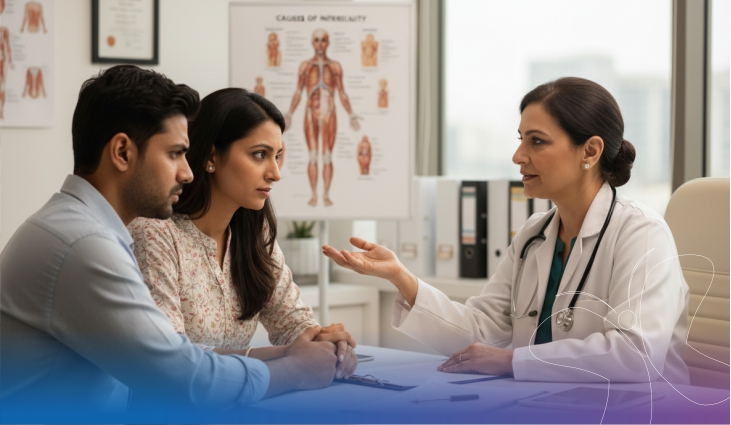
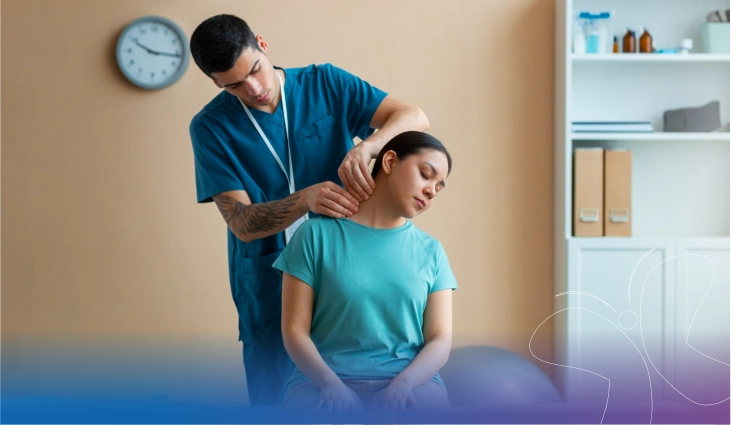
Symptoms also get pinned on the wrong cause more often than you'd think. A woman dealing with recurring lower back pain might spend months seeing a physiotherapist for her back specifically, without anyone asking about bladder control or pelvic pressure, even though the two are frequently connected. Mentioning pelvic floor symptoms explicitly, even if they seem unrelated to whatever else is going on, helps a doctor see the fuller picture instead of treating each symptom on its own.
Common Causes of Pelvic Floor Problems
- Pregnancy and vaginal delivery, which put real strain on pelvic floor muscles
- Age-related muscle loss, affecting the pelvic floor the same way it affects muscle elsewhere
- Chronic constipation or repeated heavy lifting, both adding ongoing strain
- Menopause, when falling estrogen affects tissue strength and elasticity in the pelvic region
- Carrying extra weight, which adds sustained pressure on pelvic structures over time
Treatment Options for Pelvic Floor Weakness
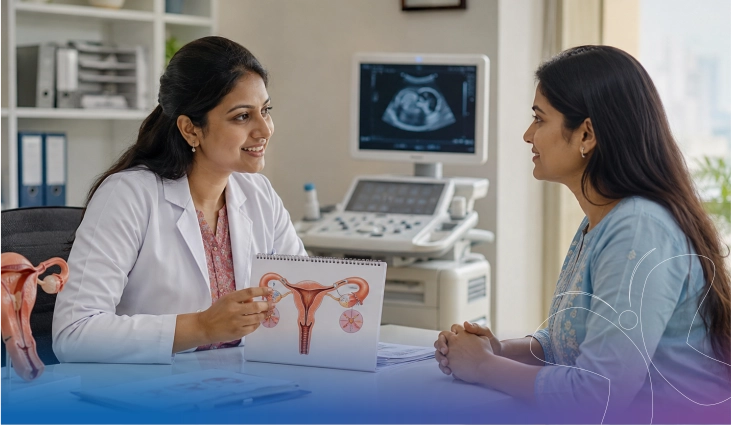
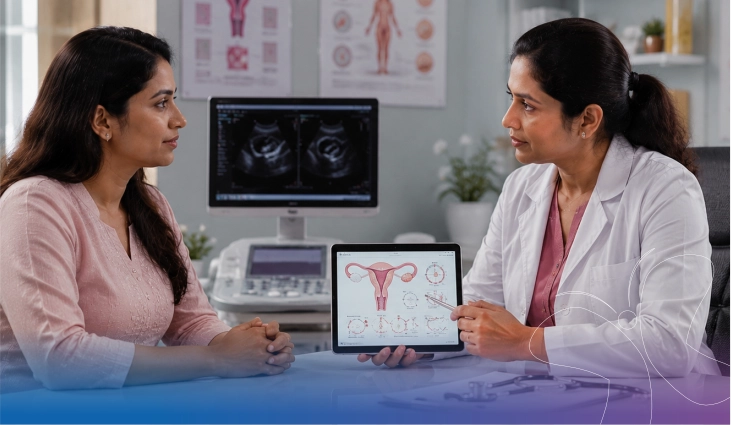
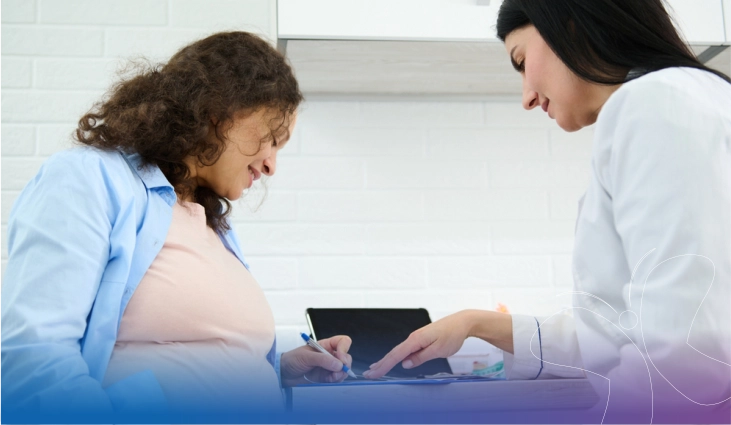
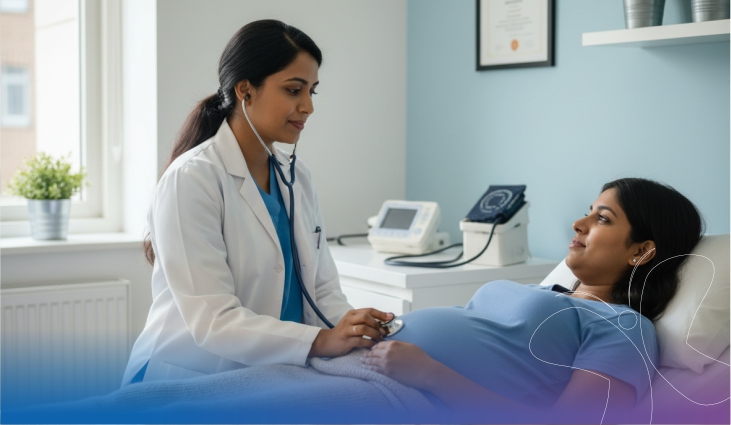
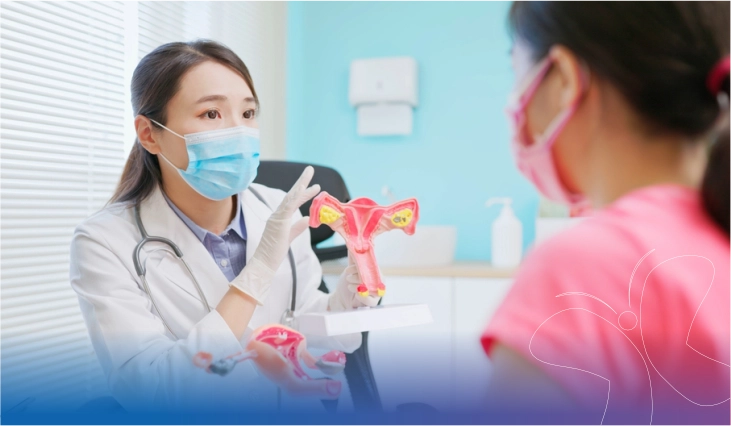
- Assessment: a physical exam and symptom review to gauge the type and severity of weakness
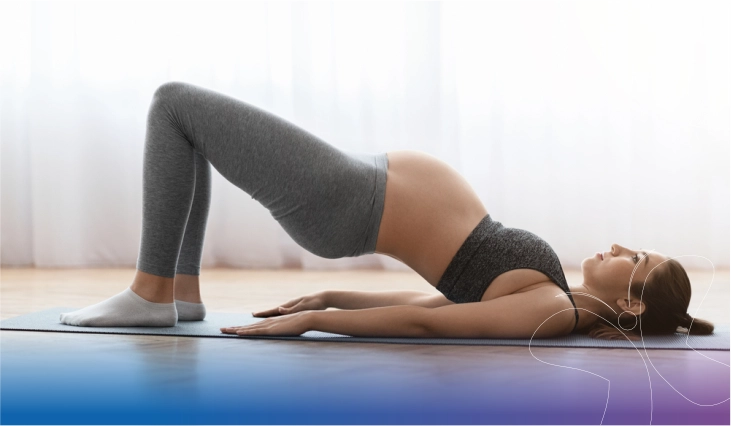
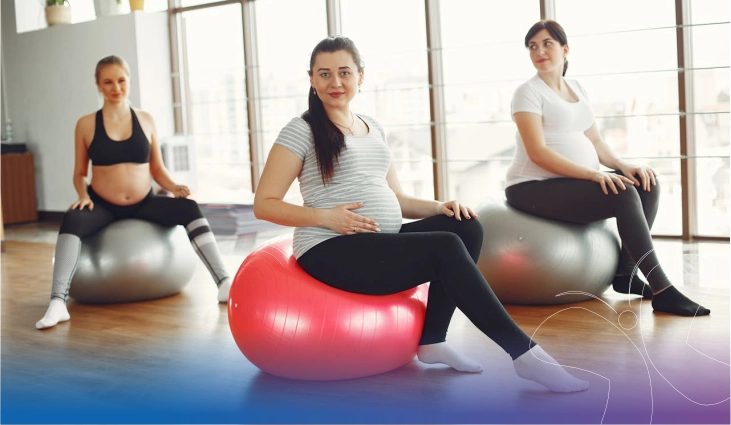
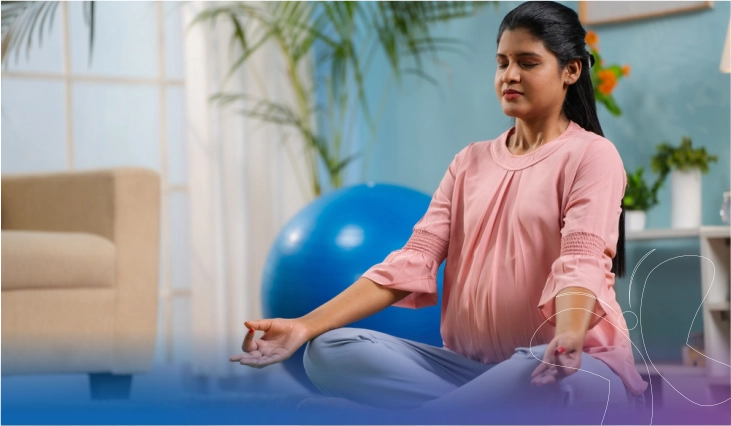
- Pelvic floor exercises, a structured routine, ideally guided by a specialist at first so the technique is right
- Lifestyle adjustments addressing constipation, weight, or lifting habits that may be adding to the strain
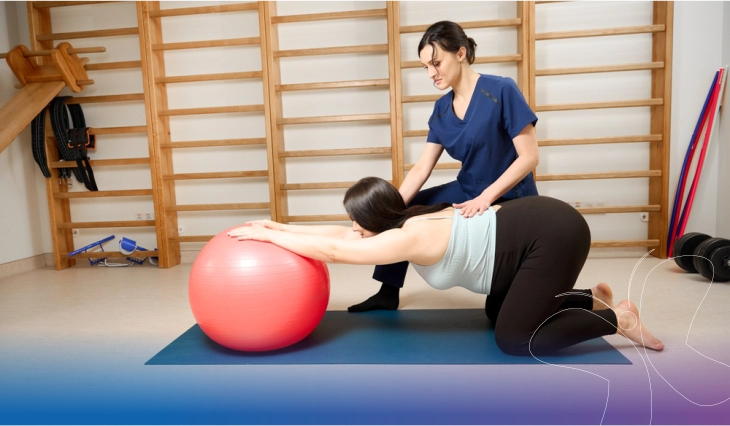
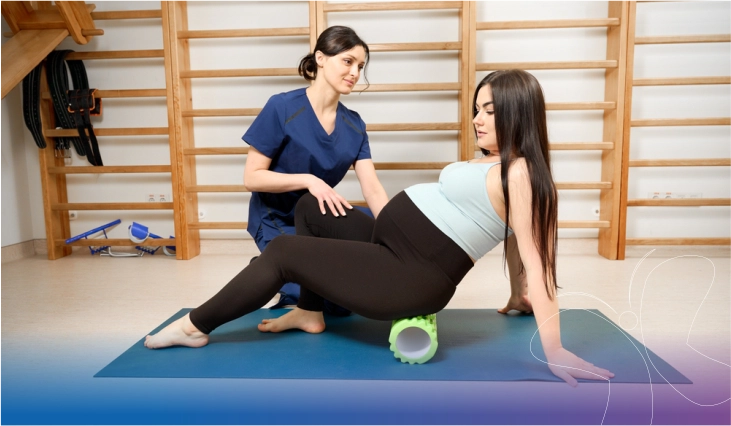
- Physiotherapy referral for more targeted, supervised strengthening when self-directed exercise isn't enough
- Further evaluation for more significant prolapse or persistent symptoms as part of ongoing women's wellness, including a conversation about surgical options if needed
Why Choose Flowrence Hospital for Pelvic Floor Care
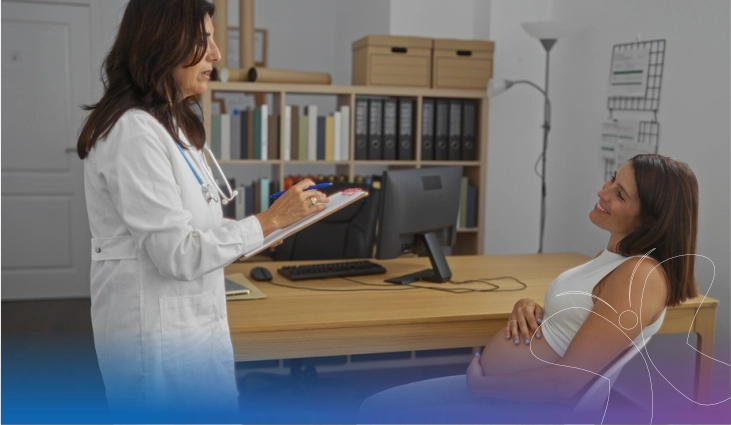
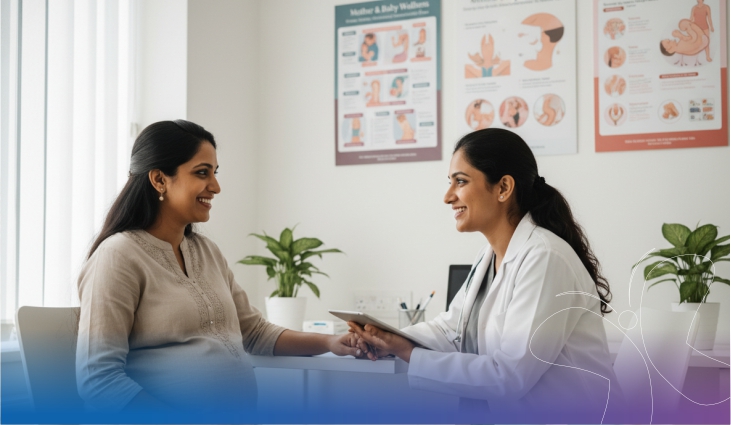
As a top gynecologist hospital in Rajkot, we treat pelvic floor concerns as an ordinary, common part of women's wellness rather than something to feel awkward discussing. Plenty of women live with symptoms for years simply because nobody ever told them there was a name for it.
Our approach starts with the least invasive options, exercise, lifestyle changes, guided physiotherapy and only moves toward more involved treatment when that's genuinely what's called for.
Tips to Strengthen Your Pelvic Floor
- Learn the correct technique for pelvic floor exercises rather than guessing, poor technique usually means little improvement
- Deal with constipation early, since regular straining adds real strain to these muscles over time
- Keep a healthy weight where possible, since it reduces sustained pressure on pelvic structures
- Don't wait until symptoms get severe before bringing it up, early strengthening is far easier than correcting things later
Talk to Our Gynecology Team
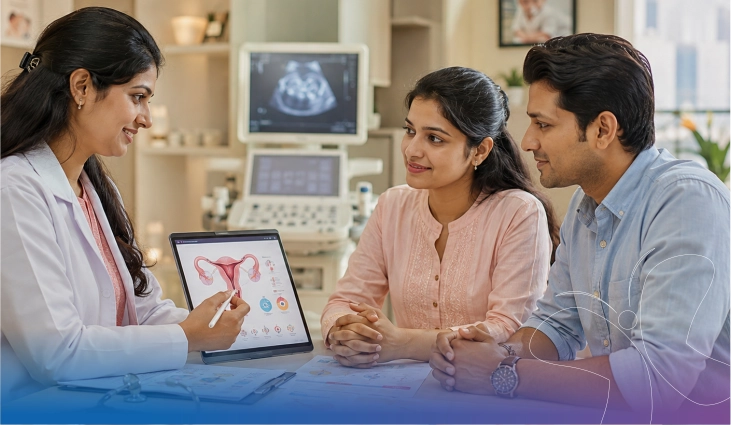
Pelvic floor health deserves to be treated as a normal part of overall women's wellness, not a topic saved for after childbirth or menopause. Understanding what causes it, and knowing that pelvic floor exercises and other effective treatment exist, makes it far easier to deal with early rather than quietly living around it. It's worth talking to our team at Flowrence Hospital about your pelvic muscle health.