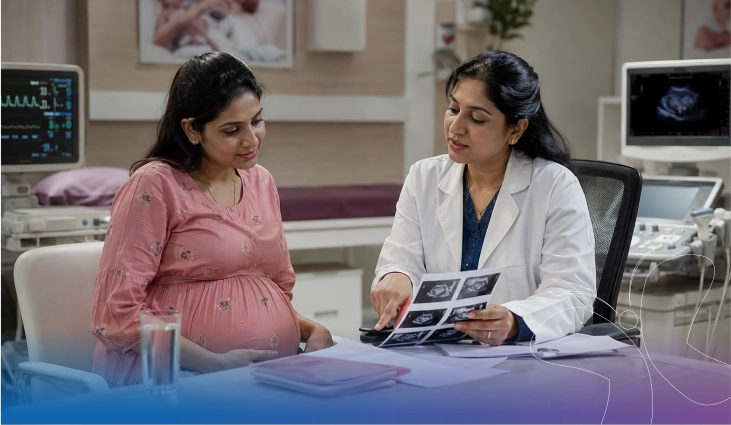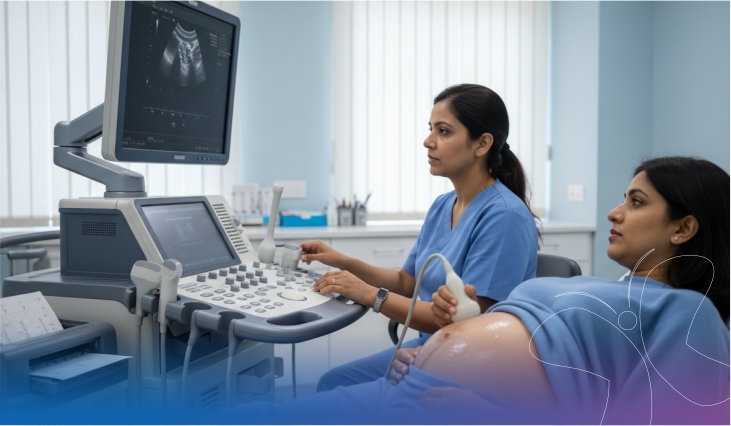
Gestational diabetes treatment becomes necessary in roughly 10 to 15% of pregnancies in India, which makes it one of the more common complications doctors see during antenatal care. It develops when hormones from the placenta start interfering with how the body regulates blood sugar, and it affects both mother and baby if left unmanaged. The reassuring part is that most women bring it under control through diet and activity alone. What actually matters is catching it early and staying consistent with monitoring, rather than assuming it will sort itself out after delivery.
What Is Gestational Diabetes?
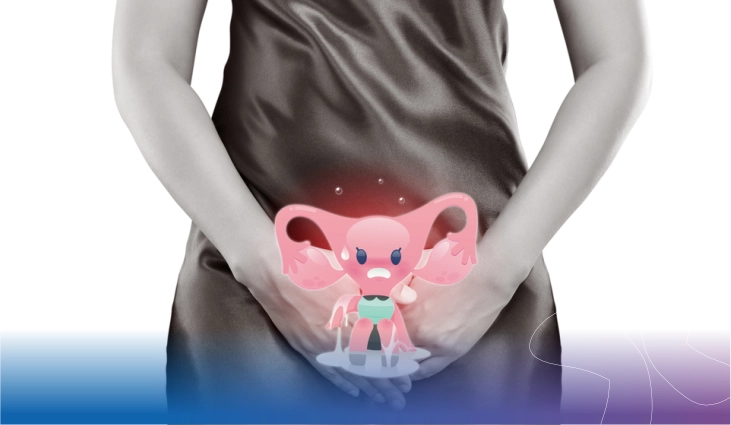
The placenta produces hormones that are essential for the baby's development, but these same hormones also make the mother's body more resistant to insulin. In most pregnancies, the pancreas compensates by producing more insulin. When it can't keep up, blood glucose rises, and that's what's referred to as diabetes during pregnancy. It usually shows up in the second half of pregnancy and tends to resolve once the baby is delivered. That said, it does raise the long-term risk of type 2 diabetes considerably, both for the mother, in as many as half of cases within ten years, and for the child later in life.
Who Is at Risk?
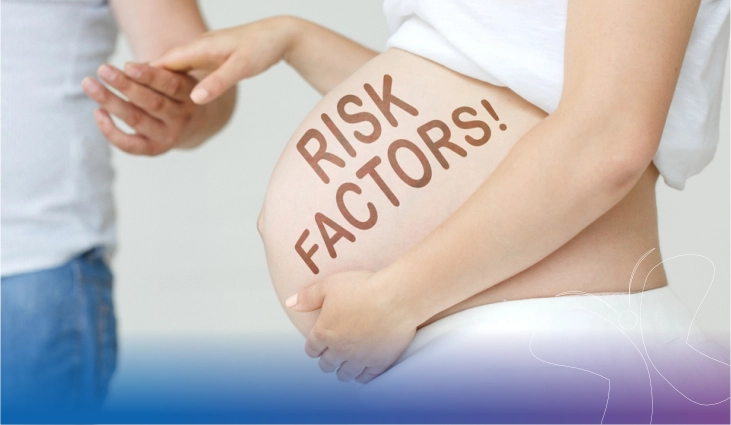
Certain factors make gestational diabetes more likely, and it's worth knowing them even before pregnancy is confirmed.
- Being over 35 years old at the time of pregnancy
- A BMI above 25 going into pregnancy
- A family history of type 2 diabetes
- Having had gestational diabetes in a previous pregnancy
- A prior baby weighing more than 4 kg at birth
- PCOS
- South Asian ethnicity, which carries a higher risk at the same BMI compared to European populations.
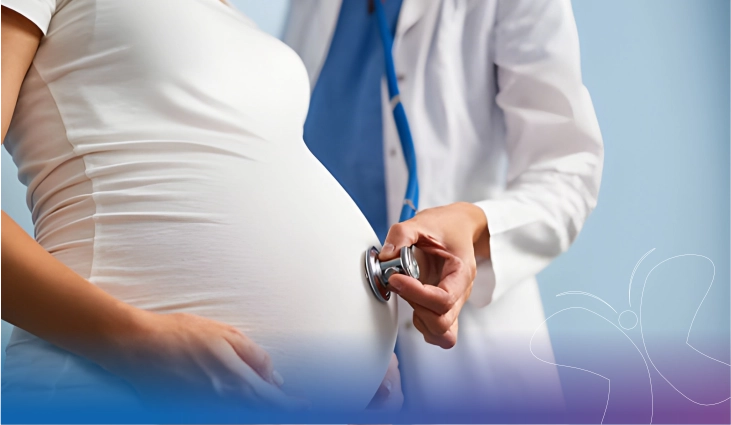
A routine OGTT between 24 and 28 weeks screens every pregnant woman for this, though anyone with risk factors is usually tested earlier.
Risks If Untreated
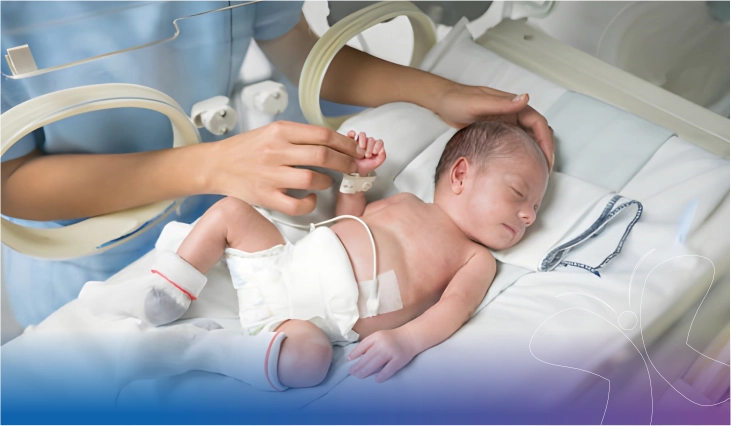
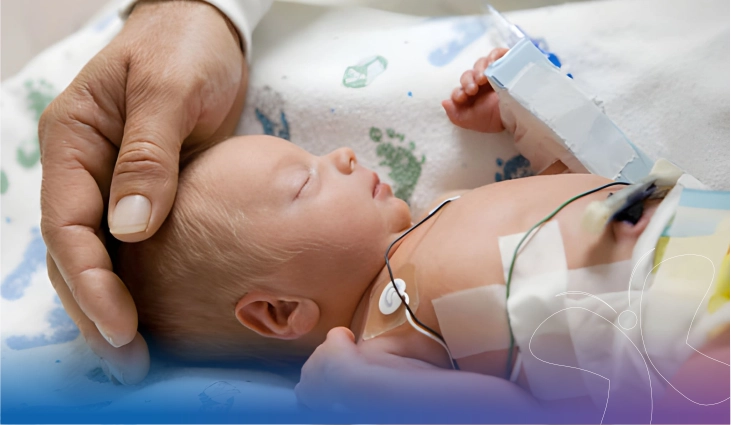
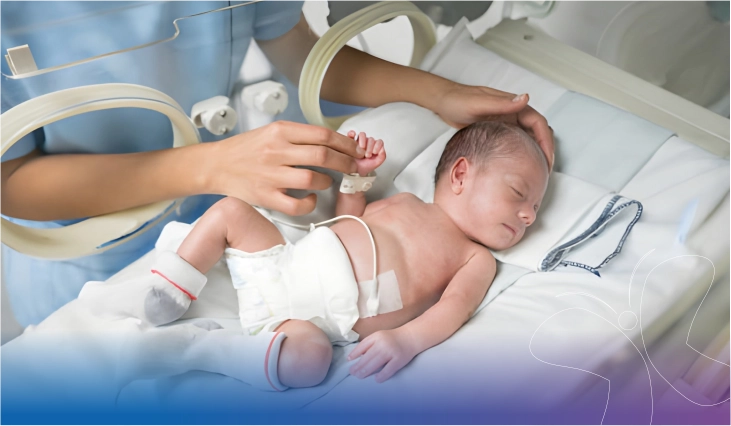
Left unmanaged, gestational diabetes affects the baby in a few specific ways. Macrosomia, where the baby grows larger than expected for its gestational age, raises the chances of a difficult delivery and shoulder dystocia. Babies can also develop low blood sugar right after birth, and poorly controlled cases carry a higher risk of premature delivery, with stillbirth being a rare but serious possibility in severe, unmanaged cases.
For the mother, the risks run alongside these. Pre-eclampsia and polyhydramnios become more likely, a caesarean section is more probable if the baby is significantly larger than average, and in some cases, glucose levels stay elevated even after delivery, which then needs its own follow-up.
Diet Management for Gestational Diabetes
Diet is the first line of management, and for most women, it's enough on its own.
- Spread carbohydrates across three main meals and two to three small snacks rather than eating them in large amounts at once, since consistent intake helps avoid glucose spikes.
- Complex carbohydrates like brown rice, whole wheat roti, oats, and dals have a lower glycaemic index than white rice or maida, so they're a better everyday choice.
- High-sugar foods such as fruit juices, sweetened drinks, and processed snacks are best avoided. Whole fruit in reasonable portions works better.
- Pairing carbs with protein or fat, roti with dal or yoghurt, for instance, slows down the glycaemic response.
- Skipping meals isn't a good idea either, since fasting can trigger a drop in blood sugar followed by a rebound spike.
Monitoring and Medical Management
Home blood glucose monitoring, done fasting and again one to two hours after meals, gives a clear picture of whether diet alone is keeping things in range. The usual targets are fasting glucose under 95 mg/dL, one-hour post-meal under 140 mg/dL, and two-hour post-meal under 120 mg/dL. When diet and activity aren't sufficient to hit these numbers, insulin becomes the recommended next step. It's considered safe during pregnancy since it doesn't cross the placenta, and it works well once started. At a pregnancy care hospital in Rajkot like Flowrence Hospital, this decision to escalate treatment is based on actual monitoring data rather than guesswork.
Conclusion
For most women, gestational diabetes treatment proves much more manageable than the diagnosis sounds initially. Diet, regular activity and insulin support when needed keep things on track through to delivery. This condition requires monitoring and dietary advice, which Flowrence Hospital’s antenatal team can provide for safe management.