When natural conception does not happen, IVF is usually the most effective path forward. Before starting treatment, most couples ask the same honest question: what are the actual chances? IVF success rate by age is the single most important variable in that calculation, and understanding it helps couples set realistic expectations without giving up too early on a process that may still work for them.
Why Age Is the Primary Variable in IVF
The eggs are the age-sensitive part of IVF. As women age, the eggs they produce are more likely to have chromosomal abnormalities, lowering rates of fertilisation, embryo quality and implantation. Male age is also a factor, because sperm DNA fragmentation increases over time. That said, age is only one of many considerations. Each of these factors AMH level, antral follicle count, uterine health, and overall medical history affects outcomes individually. At Flowrence Hospital, couples are assessed individually, rather than by generic population-based estimates.
IVF Success Rate by Age: What the Data Shows
Approximate live birth rates per cycle, based on a woman's own eggs:
- Under 35: 40–50% live birth rate per cycle: Egg response and embryo quality are typically at their best in this age group.
- 35–37: 30–40% live birth rate: A mild decline begins here, so earlier action tends to pay off.
- 38–40: 20–30% live birth rate: Closer monitoring is needed, and PGT (genetic testing of embryos) is often advised.
- 41–42: 10–20% live birth rate: Egg yield is lower, and a discussion around donor eggs is usually warranted.
- Over 42: 5–10% live birth rate: At this stage, donor egg IVF significantly improves the chances of success.
These figures apply to IVF using a woman's own eggs. Donor egg cycles carry noticeably higher success rates at every age. For an individual estimate, it helps to consult an IVF specialist in Rajkot directly rather than relying on averages.
Factors That Influence Success Beyond Age
Ovarian Reserve (AMH & AFC)
AMH and antral follicle count show how the ovaries are likely to respond to stimulation. A low AMH does not rule out IVF, but it does shape the protocol used. At Flowrence Hospital, every IVF cycle starts with a complete ovarian reserve assessment.
Embryo Quality & Blastocyst Culture
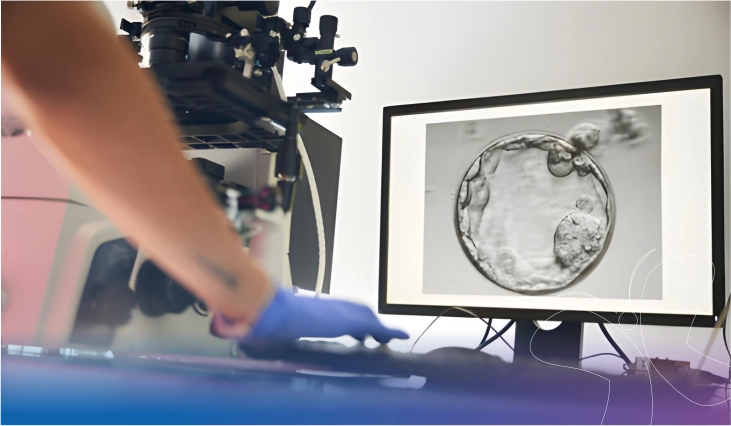
Day 5 blastocyst transfers tend to have higher success rates than earlier-stage transfers. Preimplantation genetic testing (PGT) identifies chromosomally normal embryos, which is particularly useful for women over 37 and those with a history of miscarriage.
Uterine Health
Fibroids, polyps, a thin endometrium, and prior uterine surgery can all affect implantation, independent of egg quality. These factors are checked before every embryo transfer.
Lifestyle Factors
A BMI outside the healthy range, smoking, uncontrolled thyroid disease, and poorly managed diabetes can all reduce IVF success. Addressing these before treatment improves results at any age. Fertility treatment in Rajkot at Flowrence includes pre-cycle optimisation guidance for exactly this reason.
When to See an IVF Specialist in Rajkot
The usual guidance is to seek a fertility consultation after 12 months of trying naturally if you're under 35, or after 6 months if you're 35 or older. It's worth seeing an IVF specialist in Rajkot sooner if you have endometriosis, PCOS, or blocked fallopian tubes; if a semen analysis has shown abnormalities; if you've had two or more miscarriages; or if you're over 38 and have been trying for more than three months. Early assessment simply keeps more options open.
Expert Tips for Couples Starting IVF
- Ask for cumulative success rates across multiple cycles, not just the per-cycle figure.
- Both partners should be assessed at the same time — a semen analysis often identifies issues that would otherwise delay diagnosis.
- Start folic acid, work on weight, and stop smoking at least three months before treatment begins.
- When comparing clinics, ask specifically for live birth rates, not clinical pregnancy rates.
- At the best IVF hospital in Rajkot, an individual assessment will predict your outcome far more accurately than any age-group average.
Conclusion
Understanding IVF success rate by age helps couples plan treatment with realistic expectations rather than guesswork. Age is one part of a larger picture that also includes ovarian reserve, uterine health, and lifestyle factors — all assessed individually at Flowrence Hospital before a protocol is recommended. If you're ready to know where you stand, a consultation with the fertility team is the best next step.