Introduction
Losing a pregnancy is painful. Losing more than one can feel overwhelming, and many women quietly carry guilt and unanswered questions. The first thing to know is that you did not cause it. Everyday activities, stress, exercise and minor falls do not cause miscarriage. Looking at recurrent miscarriage causes in a structured way gives you and your doctor a clear plan, and with the right investigation and care, a large majority of women go on to have a successful pregnancy.
What Counts as Recurrent Miscarriage
Most medical bodies, including the American Society for Reproductive Medicine and the European Society of Human Reproduction and Embryology, define recurrent pregnancy loss as two or more pregnancy losses. Some older guidelines use three. In practice, many specialists begin an evaluation after two, especially if the woman is over thirty-five or if a loss occurred after the heartbeat was seen. About one to two in every hundred couples face this, so you are far from alone.
Recurrent Miscarriage Causes
There is rarely one single reason, and in roughly half of couples no cause is found even after full testing. That is frustrating, but it is also reassuring, because these couples still have a good chance of a healthy pregnancy next time. The main recurrent miscarriage causes are:
-
Chromosomal abnormality in the embryo: the commonest cause of any single miscarriage and more frequent as the mother's age rises; it happens by chance and does not usually repeat
-
Antiphospholipid syndrome: an immune condition that makes the blood clot abnormally, and the most important treatable cause
-
Uterine problems: a septum, fibroids that distort the cavity, polyps and scar tissue from previous surgery or infection
-
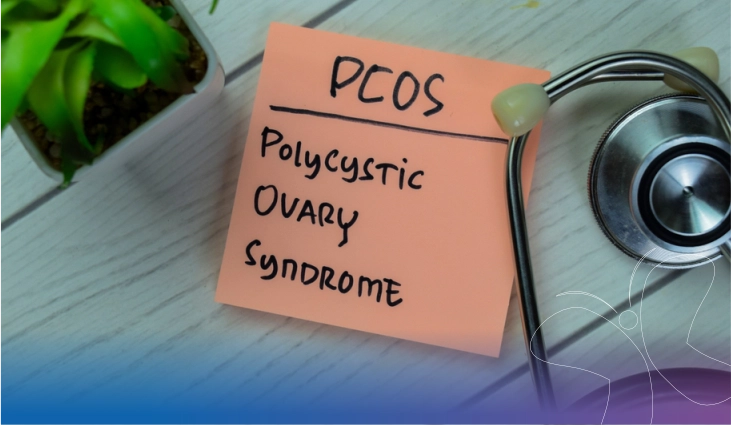
Hormonal and metabolic factors: poorly controlled thyroid disease, diabetes and sometimes PCOS
-
Parental chromosome rearrangement: a balanced rearrangement carried by one partner in a small number of couples
-
Lifestyle and infections: smoking, heavy alcohol, high caffeine intake and a few infections
Tests Required After Repeated Miscarriages
Knowing which tests are required after repeated miscarriages are worthwhile avoids both under-testing and a long list of unproven investigations. The standard evaluation includes:
-
Antiphospholipid antibodies: repeated after twelve weeks to confirm a positive result
-
Thyroid function, blood sugar and sometimes prolactin
-
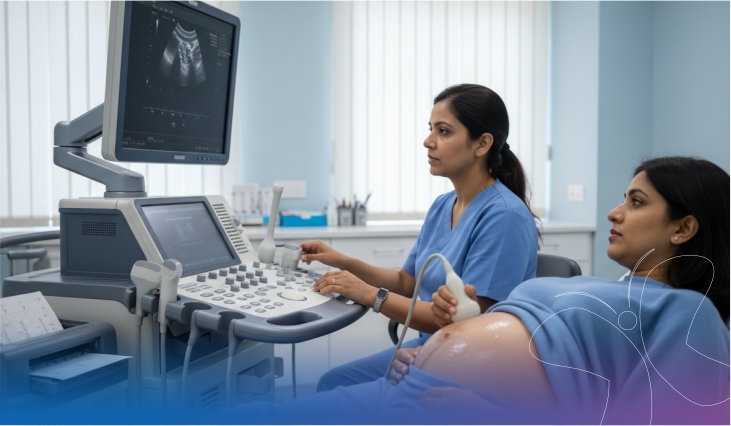
Pelvic ultrasound: preferably three-dimensional, to look at the shape of the uterus
-
Hysteroscopy or saline sonogram: detects polyps, adhesions and a septum, and often treats them at the same time
-
Parental chromosome testing (karyotyping): recommended in selected couples
-
Testing of tissue from a previous loss: if available, to see whether a chromosomal error was responsible
Routine thrombophilia panels and many "immunology" tests have limited value and should be ordered only when there is a clear reason.
Investigations After Two or More Losses
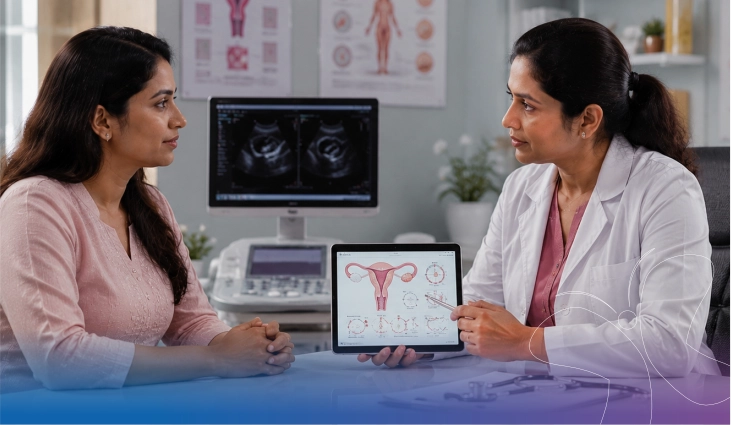
When a couple asks what tests are recommended after two or more miscarriages, the answer is a focused set matched to their history: antiphospholipid antibodies, a uterine assessment, thyroid and glucose checks and, where indicated, chromosome testing. Your doctor will tailor the list to your age, the timing of each loss and any symptoms. Both partners can be involved, since sperm health and genetics occasionally contribute.
How Recurrent Pregnancy Loss Is Treated
Treatment depends on what is found:
-
Antiphospholipid syndrome: low-dose aspirin and heparin during pregnancy, which clearly improves outcomes
-
Uterine septum or polyps: often corrected with a short hysteroscopic procedure
-
Thyroid disease and diabetes: brought under control before conception
-
Early pregnancy bleeding with previous losses: progesterone support may be advised in selected women
-
Unexplained loss: supportive care with early scans, regular follow-up, emotional reassurance and attention to lifestyle factors
Studies show that even after several losses, women with unexplained recurrent miscarriage have a good chance of a live birth in a later pregnancy, with careful support.
Taking Care of Yourself Emotionally
Grief after pregnancy loss is real and valid, whether the loss occurred at six weeks or twenty. Talk with your partner, seek counselling if you need it and take the time you need before trying again. Medically, many women can try again after one normal cycle, though your doctor will advise on the right timing for you.
Who Should Be Evaluated Early
Please consult a gynecologist after two losses, or sooner if any of these apply:
-
You are over thirty-five
-
You have irregular cycles
-
You have known thyroid or autoimmune conditions
-
You have experienced a loss after the second trimester
During a new pregnancy, early monitoring gives both reassurance and the chance to act quickly.
Conclusion
Recurrent miscarriage is distressing, but it does not mean you cannot have a healthy pregnancy in the future. A structured evaluation, targeted treatment and compassionate follow-up give most women a strong chance of a healthy baby. Flowrence Hospital, Rajkot, provides investigation and supportive care for women with repeated pregnancy loss. If you are searching for the best gynecologist for recurrent miscarriage in Rajkot, you can start with a consultation to review your history and plan your next steps. Visit Flowrence Hospital to book an appointment.